

A U.S. court petition has been filed by BigHit Music, the HYBE subsidiary representing global K-pop sensation BTS, seeking to identify an anonymous X (formerly Twitter) user accused of leaking songs, lyrics, and artwork from the group’s highly anticipated comeback album, ARIRANG, prior to its official release. This legal maneuver marks a significant step in the label’s intent to pursue copyright and trade secret infringement litigation against the individual in South Korea, underscoring the music industry’s increasing vigilance in protecting intellectual property in the digital age. The petition, submitted to a U.S. judge, requests a subpoena compelling X to disclose the identity of the account holder behind @jwngkcck, an account BigHit Music alleges disseminated proprietary information related to the album in early March.
The Genesis of the Leak and Album Release
The alleged unauthorized disclosure occurred just weeks before the eagerly awaited launch of ARIRANG, BTS’s first studio album in nearly six years. The album, which has since achieved massive commercial success, was released on March 20. According to the court documents obtained by Billboard, the X user, initially operating under a display name associated with the alleged leak (reportedly "BTS ARIRANG LEAK"), posted portions of the album’s content, including unreleased tracks, lyrical snippets, and promotional artwork. Such leaks are considered highly damaging within the entertainment industry, particularly for global acts like BTS, where meticulously planned release strategies, surprise elements, and fan engagement campaigns are integral to an album’s market impact and cultural resonance. BigHit Music asserts that these premature disclosures "destroyed the element of surprise that applicant was building up towards its release, negatively impacting its reputation and sales."
Upon discovering the leaks, BigHit Music reportedly submitted copyright infringement reports to X, leading to the removal of the offending posts by the user. The account in question also subsequently changed its display name, an action that, while removing the immediate visible content, does not absolve the user of potential legal liability for the initial infringement. The decision to pursue legal action highlights BigHit Music’s zero-tolerance policy against intellectual property theft and its commitment to safeguarding the creative and commercial efforts invested in its artists’ work.
Legal Strategy: Navigating International Jurisdictions
The current U.S. court petition is a crucial procedural step in a broader international legal strategy. Because X is a U.S.-based social media platform, a U.S. judge’s subpoena is required to compel the company to release user data, even if the primary lawsuit is intended to be filed in another country. This mechanism is not new for HYBE and its subsidiaries, which have a history of leveraging U.S. courts to unmask anonymous internet users for legal proceedings in South Korea. These past cases have predominantly focused on criminal defamation, a significant legal avenue in South Korea, particularly against individuals spreading false rumors or engaging in malicious commentary about K-pop artists. Notable examples include previous actions taken to identify users who targeted groups like NewJeans, SEVENTEEN, and TWS with defamatory content.

However, the ARIRANG leak case represents a distinct emphasis on copyright and trade secret infringement, underscoring a different facet of intellectual property protection. Copyright infringement pertains to the unauthorized reproduction, distribution, or public display of copyrighted material, while trade secret infringement involves the unlawful acquisition, use, or disclosure of confidential business information. In the music industry, unreleased songs, lyrics, and album art clearly fall under these categories, representing significant proprietary assets. The financial damages BigHit Music intends to seek in South Korea would likely account for the perceived loss of revenue, harm to promotional efforts, and potential devaluation of the intellectual property due to the unauthorized leak.
The Significance of BTS’s Comeback and ARIRANG
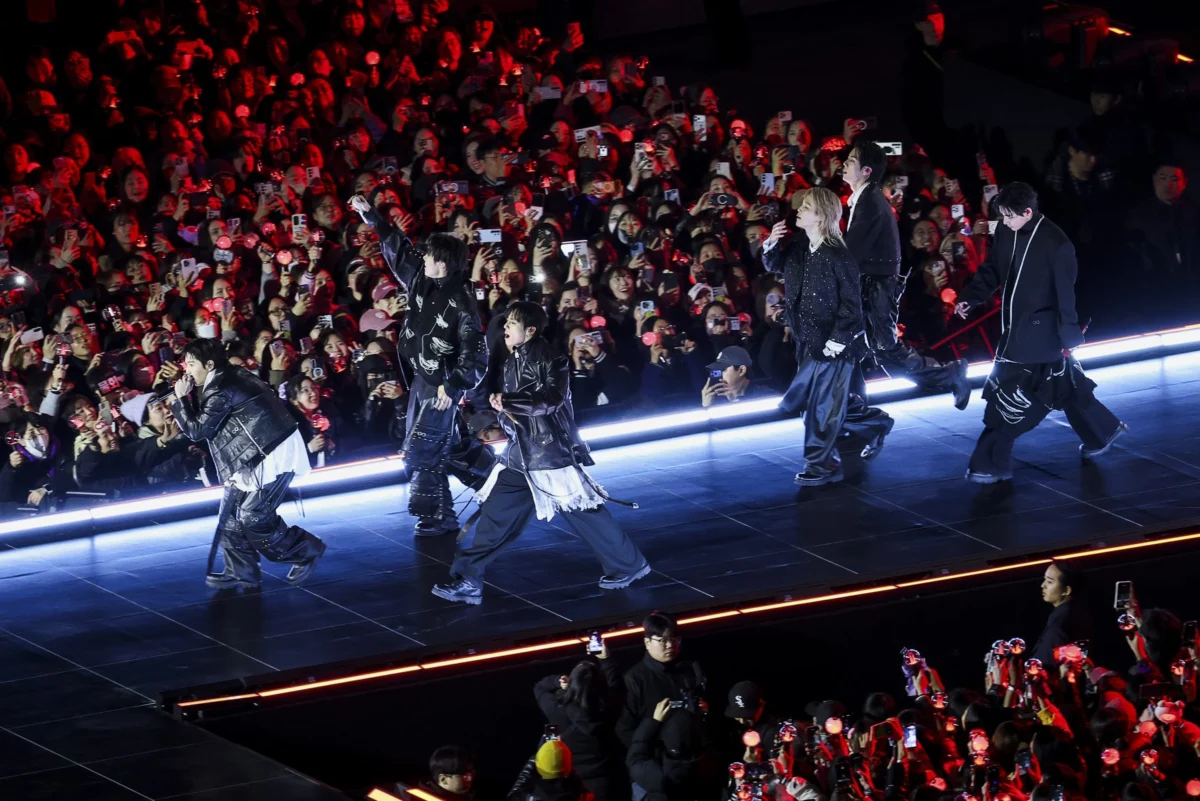
The context of ARIRANG‘s release amplifies the severity of the alleged leak. BTS, a global phenomenon, had been on a hiatus since 2022, with members pursuing solo projects and fulfilling mandatory military service. Their return with ARIRANG was not merely another album release; it was a monumental event for the K-pop industry and their vast, dedicated fanbase, known as ARMY. The comeback concert at Gwanghwamun Square on March 21, 2026, marking their first performance in nearly four years, further illustrated the immense anticipation surrounding their return.
The album’s commercial performance has been nothing short of spectacular, demonstrating the group’s undiminished global appeal. ARIRANG immediately debuted at No. 1 on the Billboard 200 chart and has maintained the top position for its first three consecutive weeks, a testament to its critical and commercial success. The lead single, "Swim," also achieved remarkable chart performance, debuting at No. 1 on the Billboard Hot 100 and remaining in the top 5. While these successes confirm BTS’s enduring power, BigHit Music’s legal action implies that the leak, despite the album’s strong performance, still caused quantifiable damage to their carefully orchestrated release strategy and the element of surprise intended to maximize impact.
Broader Implications for the Music Industry and Online Platforms
This case carries significant implications for the broader music industry, particularly for global acts with massive online presences. In an era where social media platforms serve as primary channels for promotion and fan interaction, they also present vulnerabilities for intellectual property breaches. The ability of anonymous users to disseminate unreleased content quickly and widely poses a constant challenge to labels and artists.
Protecting Creative Assets in a Digital World:
The legal action by BigHit Music reinforces the industry’s commitment to aggressively pursuing those who infringe on copyrights and trade secrets. It sends a strong message that even seemingly anonymous online activities can lead to serious legal repercussions, regardless of the user’s geographical location relative to the rights holder. For companies like HYBE, which invest hundreds of millions in talent development, production, and marketing, protecting these assets is paramount to their business model.

The Role of Social Media Platforms:
The case also highlights the critical role of social media platforms like X in facilitating or mitigating such incidents. While platforms generally have policies against copyright infringement and mechanisms for reporting, their cooperation in unmasking anonymous users through legal channels is essential for rights holders to pursue justice. This often involves navigating complex legal frameworks that differ across jurisdictions, requiring U.S. court orders for data held by U.S.-based companies, even for cases originating abroad.
Fan Culture and Legal Boundaries:
K-pop fandom is known for its intense dedication and passionate engagement, often involving rapid dissemination of information. However, this case serves as a stark reminder of the legal boundaries that distinguish enthusiastic fan activity from unlawful infringement. While sharing official content is encouraged, leaking unreleased material crosses a critical line, potentially undermining the artists’ work and the label’s strategic efforts. The incident could prompt discussions within fan communities about the ethical and legal responsibilities associated with online content sharing.
Expert Legal Perspectives:
Legal experts in intellectual property and international law often emphasize the growing complexity of prosecuting online crimes across borders. "Companies face a constant battle against digital piracy and leaks, and cases like this demonstrate the necessity of leveraging international legal tools," commented a Seoul-based intellectual property attorney, speaking generally on such matters. "The ability to obtain user information from U.S.-based platforms is often the first and most critical hurdle for South Korean entities looking to pursue legal action against online infringers." They also noted that the pursuit of both copyright and trade secret infringement suggests BigHit Music is building a robust case with multiple legal avenues for damages.
Chronology of Events
- Early March: Anonymous X user @jwngkcck (and reportedly under the display name "BTS ARIRANG LEAK") allegedly posts unreleased songs, lyrics, and artwork from ARIRANG.
- Shortly after leaks: BigHit Music submits copyright infringement reports to X, leading to the removal of the posts and the user changing their display name.
- March 20: BTS’s comeback album, ARIRANG, is officially released to global acclaim.
- March 21, 2026: BTS performs their comeback concert at Gwanghwamun Square in Seoul.
- April 9: BigHit Music initiates U.S. legal proceedings by filing a petition to discover the identity of the @jwngkcck account owner.
- April 13 (Monday): Reports surface regarding BigHit Music’s legal action; reps for BigHit and X did not immediately return requests for comment.
- Ongoing: ARIRANG continues its dominant run on global charts, securing its third consecutive week at No. 1 on the Billboard 200, while the lead single "Swim" remains in the top 5 of the Billboard Hot 100. The legal process to identify the leaker is underway.
Conclusion and Future Outlook
The legal battle initiated by BigHit Music against the anonymous X leaker underscores a critical juncture in the global music industry’s fight against intellectual property theft in the digital realm. As artists’ careers and companies’ revenues become increasingly intertwined with online distribution and social media engagement, the resolve to protect creative assets from unauthorized disclosure will only intensify. The outcome of this case, particularly the successful identification of the leaker and subsequent legal action in South Korea, could set an important precedent for how entertainment companies worldwide address similar challenges, reinforcing the message that online anonymity does not equate to impunity when it comes to copyright and trade secret infringement. It highlights the ongoing evolution of legal strategies to adapt to the transnational nature of digital leaks and the collaborative efforts required between legal systems and technology platforms to uphold intellectual property rights.
