

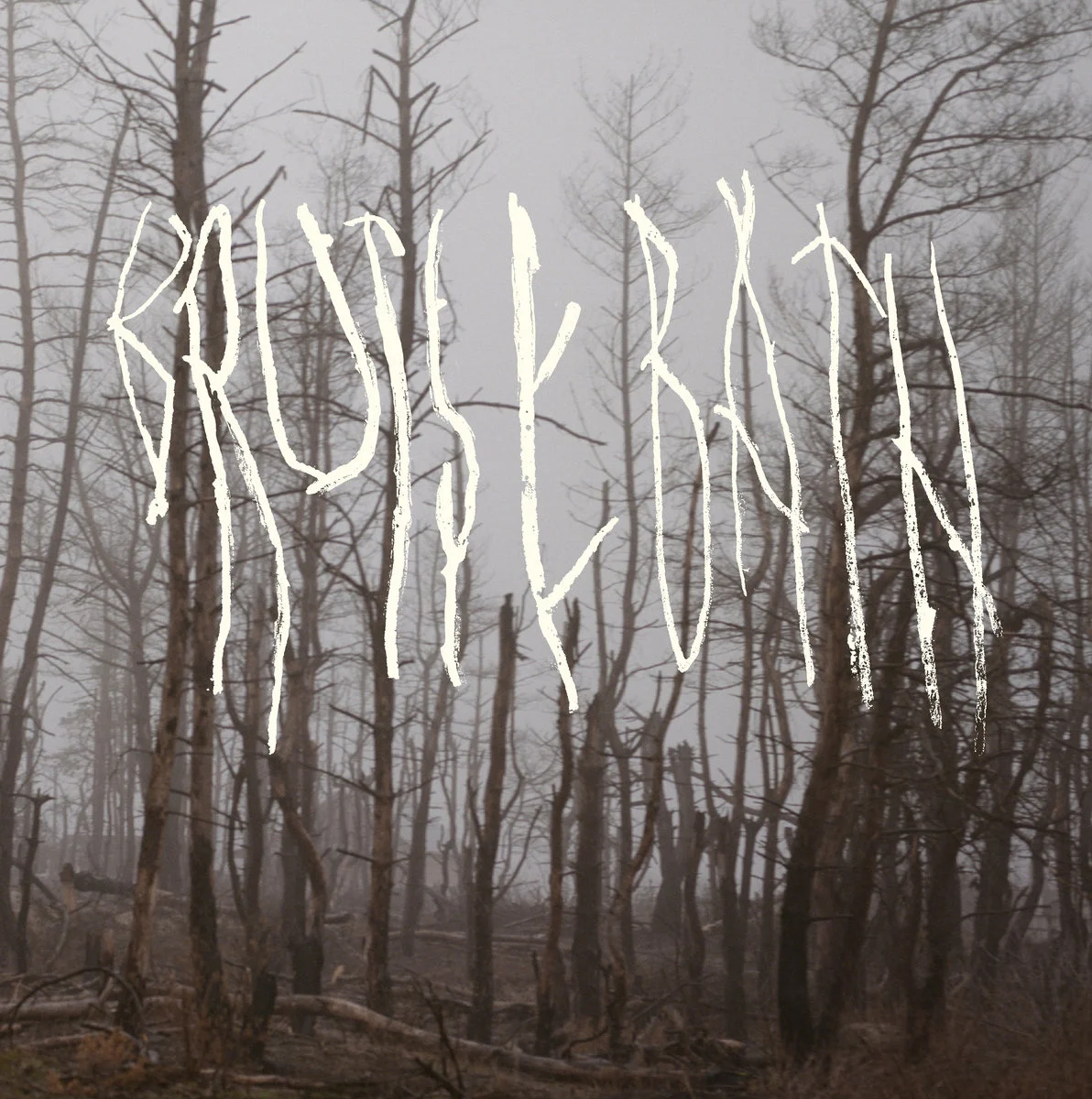
The vibrant and often challenging landscape of Philadelphia’s post-metal scene has once again yielded a compelling new work, as Bruise Bath, known for their visceral sonic explorations, has released a potent protest song titled "Non-Consensual Intervention." This new track, following closely on the heels of their self-titled album released earlier this year – notably not their first eponymous LP, signaling perhaps a cyclical or foundational approach to their discography – plunges listeners into a raw and unflinching critique of geopolitical power dynamics and their profound domestic repercussions. Released on Strange Mono, the single stands as a testament to the band’s continued commitment to addressing complex societal issues through their distinctive heavy sound.
A Deep Dive into the Protest Anthem’s Core
"Non-Consensual Intervention" immediately distinguishes itself with its uncompromising thematic content and innovative structure. The song commences with a thought-provoking sampled spoken word segment, a stark and almost prophetic musing on the hypothetical scenario of the United States experiencing an invasion. This initial audio clip challenges listeners to confront the lived realities of populations in countries that have historically been the subjects of foreign military interventions, urging a shift in perspective by suggesting that perhaps "the US should be invaded someday so we can know what it’s like." This opening salvo sets an immediate tone of confrontational introspection, compelling audiences to consider the often-unseen consequences of global power projection from the vantage point of the recipient nation.
Following this provocative introduction, the track transitions into a "gnarly riff-driven churn," characteristic of Bruise Bath’s heavy, yet atmospherically rich, post-metal style. The music becomes an extension of the sampled message, translating the intellectual challenge into a visceral, sonic experience. The driving, bass-forward rhythm section provides a relentless backbone, embodying the relentless nature of conflict and its psychological toll. As the song progresses, the carefully constructed instrumental framework momentarily recedes, clearing the way for "harrowing guttural wails." A particularly striking moment arrives with the anguished cry, "How am I supposed to live?!" This raw, unadulterated expression of despair transcends mere musical performance, resonating as a universal human question in the face of overwhelming external forces and existential threat. It encapsulates the profound disruption and trauma inflicted upon individuals whose lives are upended by conflicts, whether directly or indirectly. The subsequent return to "discordant lo-fi horrors" underscores the enduring nature of such trauma and the chaotic aftermath that often follows. The descriptor "bathing in bruises," offered by initial critical reactions, aptly captures the song’s ability to evoke a sense of physical and emotional impact, mirroring the pain and suffering inherent in its subject matter.
The Sonic Landscape: Crafting Discomfort and Catharsis
Bruise Bath’s mastery of the post-metal idiom is on full display in "Non-Consensual Intervention," where the band meticulously crafts a sonic environment that is both abrasive and deeply evocative. The "burly, bass-forward" nature of the track is not merely a stylistic choice but an integral component of its narrative power. The prominent bass lines provide a foundational weight, symbolizing the oppressive force of intervention, while simultaneously offering a guttural resonance that connects directly with the listener’s primal instincts. This heavy, low-end presence imbues the track with an almost physical gravity, drawing the audience into the song’s somber and urgent narrative.
The "gnarly riff-driven churn" serves as the primary engine for the track’s aggressive momentum. These riffs are not simply showcases of technical prowess but are designed to convey a sense of grinding inevitability and controlled chaos. They build tension and release, mirroring the cyclical nature of conflict and the moments of intense struggle. The interplay between these powerful guitar movements and the rhythm section creates a wall of sound that is both suffocating and strangely cathartic. This duality is a hallmark of post-metal, where beauty can be found in dissonance and emotional release in overwhelming volume.
The production choice of "discordant lo-fi horrors" further enhances the song’s raw, unpolished aesthetic. This deliberate embrace of imperfection imbues the track with a sense of authenticity and urgency, stripping away any pretense of slick, commercial polish. It suggests a sound that is born of necessity, reflecting the chaotic and often brutal realities of the themes explored. This lo-fi approach ensures that the emotional weight of the song remains at the forefront, unfiltered by excessive studio sheen. The "harrowing guttural wails" are the emotional climax, a primal scream that cuts through the instrumental density. The use of such extreme vocals in post-metal is often employed to convey profound distress, anger, or despair, and in this context, it acts as a direct conduit for the suffering inherent in the concept of non-consensual intervention. The cumulative effect of these sonic elements is a powerful, immersive experience that forces listeners to confront uncomfortable truths, making "Non-Consensual Intervention" not just a song, but a sonic protest.
Bruise Bath’s Artistic Trajectory and Genre Context
Bruise Bath’s decision to release a second self-titled album earlier in the year suggests a deliberate artistic statement, perhaps a re-centering of their identity or a reaffirmation of their core sound and vision. In a genre often characterized by evolution and experimentation, an eponymous release can signal a return to fundamentals or a definitive declaration of their current artistic self. The rapid follow-up with "Non-Consensual Intervention" indicates a prolific period for the band, suggesting a concentrated creative output driven by perhaps urgent themes or a wellspring of inspiration. This sequential release strategy underscores their commitment to continuous artistic dialogue, with the single potentially serving as an immediate, pointed commentary building upon the broader sonic palette established in the preceding LP.
Within the broader context of post-metal, Bruise Bath occupies a space where heavy aesthetics meet intellectual and emotional depth. Post-metal, a subgenre that emerged in the late 1990s and early 2000s, blends the intensity and aggression of heavy metal with the expansive, atmospheric, and often progressive structures of post-rock. Bands in this genre typically eschew traditional song structures, opting instead for dynamic shifts, extended instrumental passages, and a focus on mood and texture over conventional melodic hooks. Lyrical themes often delve into existentialism, social commentary, environmental concerns, and personal struggles, allowing for a more nuanced and often melancholic exploration than traditional metal. Bruise Bath, with its "burly, bass-forward" approach, "gnarly riff-driven churn," and incorporation of spoken word samples, firmly aligns with this tradition. Their music serves not just as an auditory experience but as a platform for deeper engagement with contemporary issues, leveraging the genre’s capacity for both brute force and thoughtful introspection. This positions them as not just musicians, but as commentators, using their art to provoke thought and stimulate dialogue on critical societal matters.
The Historical Echoes of "Non-Consensual Intervention"
The thematic core of "Non-Consensual Intervention" resonates deeply with a long and complex history of geopolitical actions, particularly those involving powerful nations projecting military force into sovereign territories without explicit invitation or broad international consensus. The phrase itself, "non-consensual intervention," is a direct and pointed critique of a wide array of historical and ongoing military operations, ranging from colonial conquests to Cold War proxy wars, and more recent engagements in the post-9/11 era. These interventions, often justified under banners of national security, humanitarian aid, or regime change, have consistently drawn scrutiny for their legal and ethical ambiguities, as well as their often-devastating and long-lasting consequences for civilian populations and regional stability.
Historically, the concept of sovereignty has been a cornerstone of international law, theoretically safeguarding nations from external interference. However, this principle has frequently been challenged or circumvented by states asserting their perceived interests. The sampled spoken word segment in the song, which imagines the US experiencing an invasion, powerfully flips the script, inviting listeners to empathize with the perspective of those who have lived under such conditions. This thought experiment directly challenges the historical narrative often presented by intervening powers, urging a recognition of the profound human cost and the erosion of self-determination that results from such actions. The song implicitly references the discourse surrounding the legacy of interventions in regions such as the Middle East, Southeast Asia, Latin America, and Africa, where foreign powers have, at various points, played significant roles in shaping political landscapes, often leading to protracted conflicts, humanitarian crises, and a deep-seated resentment that can fuel future instability. By invoking this collective memory of international relations, Bruise Bath positions their song not merely as a critique of isolated incidents, but as a broader commentary on the systemic nature of power imbalances and the cyclical patterns of interventionism that continue to shape global affairs.
The Human Cost: Amplifying the Unheard Voices
At the emotional core of "Non-Consensual Intervention" lies a profound empathy for the human cost of conflict and external imposition. The "harrowing guttural wails" culminating in the desperate question, "How am I supposed to live?!" serve as a poignant amplification of the voices often marginalized or silenced in geopolitical narratives. This is not merely a hypothetical lament but a reflection of the very real existential crises faced by millions worldwide who are caught in the crossfire of proxy wars, subjected to occupation, or forced into displacement by the ripple effects of international interventions.
The question "How am I supposed to live?!" encapsulates the myriad challenges confronting individuals and communities in conflict zones. It speaks to the destruction of infrastructure, the collapse of social systems, the psychological trauma of violence, and the loss of livelihoods. It evokes the plight of refugees and internally displaced persons, who are forced to abandon their homes, their histories, and their sense of normalcy in search of safety and survival. Moreover, it addresses the long-term impact on mental health, the fragmentation of families, and the pervasive sense of insecurity that can persist for generations after direct military engagements have ceased. By foregrounding this raw, visceral plea, Bruise Bath humanizes the abstract concepts of geopolitics and military strategy, forcing listeners to confront the individual suffering that underpins such large-scale events. The "discordant lo-fi horrors" that resume after this emotional outburst musically reinforce the ongoing nature of this suffering, suggesting that the chaos and trauma do not simply vanish when the headlines fade, but continue to echo in the lives of those affected, creating an enduring "bruise bath" of existence. This deliberate artistic choice transforms the song into a powerful advocacy piece, urging a deeper understanding and acknowledgment of the profound and often irreparable damage inflicted upon those who bear the brunt of non-consensual interventions.
The Role of Strange Mono and Independent Music
The release of "Non-Consensual Intervention" on Strange Mono highlights the crucial role that independent labels play in fostering artistic expression, particularly for bands tackling challenging and politically charged themes. Strange Mono, a label known for its dedication to diverse and often experimental sounds, provides a vital platform for artists like Bruise Bath who operate outside the commercial mainstream. In an industry increasingly dominated by algorithmic curation and market-driven decisions, independent labels often prioritize artistic integrity and creative freedom, allowing bands to explore niche genres and deliver messages that might be deemed too provocative or non-commercial by larger entities.
For a protest song like "Non-Consensual Intervention," an independent label partnership is particularly fitting. It suggests an alignment of values, where both the artist and the label are committed to using music as a medium for social commentary and critical discourse, rather than solely for entertainment or profit. Such labels often have closer relationships with their artists, offering more personalized support and allowing for greater control over the creative process, from recording to artwork and promotion. This autonomy is essential for a band whose message is as integral to their identity as their sound. The partnership with Strange Mono not only ensures that Bruise Bath’s message reaches a dedicated audience within the post-metal and broader independent music community but also reinforces the ecosystem of alternative music, where artistic merit and substantive content are highly valued. It serves as a reminder that independent music continues to be a fertile ground for innovation and a powerful voice for dissent and critical thought in an often-homogenized cultural landscape.
Art as Provocation: Music’s Place in Geopolitical Discourse
Bruise Bath’s "Non-Consensual Intervention" firmly positions itself within a long and distinguished tradition of art as provocation and music as a vehicle for geopolitical discourse. Throughout history, artists across various mediums have utilized their platforms to critique power structures, challenge dominant narratives, and amplify marginalized voices. From protest folk songs of the 1960s to punk anthems of the 1970s and 80s, and the politically charged hip-hop of later decades, music has consistently served as a potent tool for social and political commentary. Post-metal, with its inherent capacity for intense emotional expression and atmospheric storytelling, is uniquely suited to address complex and often grim geopolitical realities. The genre’s ability to build tension, evoke despair, and unleash cathartic energy makes it an ideal canvas for exploring themes of conflict, oppression, and resistance.
By directly tackling the concept of "non-consensual intervention," Bruise Bath not only contributes to this legacy but also encourages listeners to engage with uncomfortable truths about global power dynamics. The song acts as an auditory mirror, reflecting the realities faced by those on the receiving end of such interventions, thereby fostering a sense of empathy and critical inquiry. It challenges the passive consumption of news and official narratives, instead demanding active reflection on the ethical implications of foreign policy. This act of artistic provocation is vital in contemporary society, where complex geopolitical issues are often simplified or obscured by political rhetoric and media filters. Bruise Bath’s work serves as a reminder that music is not merely an escape but can also be a powerful force for awakening, a catalyst for dialogue, and a means of expressing collective anxieties and frustrations in the face of global injustices. Through their "burly, bass-forward protest song," they contribute to the ongoing conversation, ensuring that the human dimensions of geopolitical actions are not forgotten.
Anticipated Reception and Broader Implications
The release of "Non-Consensual Intervention" is likely to elicit significant discussion within the post-metal community and potentially beyond, given its direct and unflinching political stance. For existing fans of Bruise Bath, the track will undoubtedly reinforce their appreciation for the band’s commitment to substantive themes alongside their established sonic intensity. The "burly, bass-forward" sound combined with the "gnarly riff-driven churn" ensures that the track maintains the musical aggression expected from the genre, while the explicit political messaging elevates it beyond mere sonic exploration.
Critics and music journalists are likely to highlight the song’s provocative spoken-word opening and its raw emotional climax, particularly the "How am I supposed to live?!" wail, as key elements that distinguish it. The choice to release such a pointed protest song following a self-titled album could be interpreted as a deliberate move by Bruise Bath to solidify their identity as a band unafraid to tackle pressing societal issues, perhaps setting a precedent for future thematic explorations. The track’s release on Strange Mono further solidifies its position within the independent music landscape, where critical acclaim often outweighs commercial metrics.
Beyond the immediate music scene, "Non-Consensual Intervention" carries broader implications for the role of art in contemporary political discourse. In an increasingly polarized global environment, artists who dare to confront complex geopolitical issues serve a crucial function in fostering critical thought and empathy. The song’s central premise—inviting reflection on the experience of being invaded—challenges a segment of its audience to consider perspectives outside their own, potentially sparking uncomfortable but necessary conversations about international relations, military ethics, and the responsibility of powerful nations. This bold statement could further establish Bruise Bath not just as a prominent act within the post-metal genre, but as a significant voice contributing to the cultural commentary on global events.
Conclusion: A Resonant Roar in Tumultuous Times
In "Non-Consensual Intervention," Bruise Bath has delivered more than just a new track; they have unleashed a resonant roar, a stark and vital piece of commentary that demands attention. Marrying their signature "burly, bass-forward" post-metal sound with a profoundly critical geopolitical message, the Philadelphia outfit has created a work that is both sonically compelling and intellectually challenging. Through its provocative sampled opening, relentless instrumental churn, and harrowing vocalizations, the song forces a confrontation with the often-overlooked human cost of military interventions. As the "discordant lo-fi horrors resume," listeners are left with a powerful, bruising reminder of the enduring consequences of global power dynamics, cementing Bruise Bath’s position as an essential voice in the ongoing dialogue between art and socio-political critique.
