

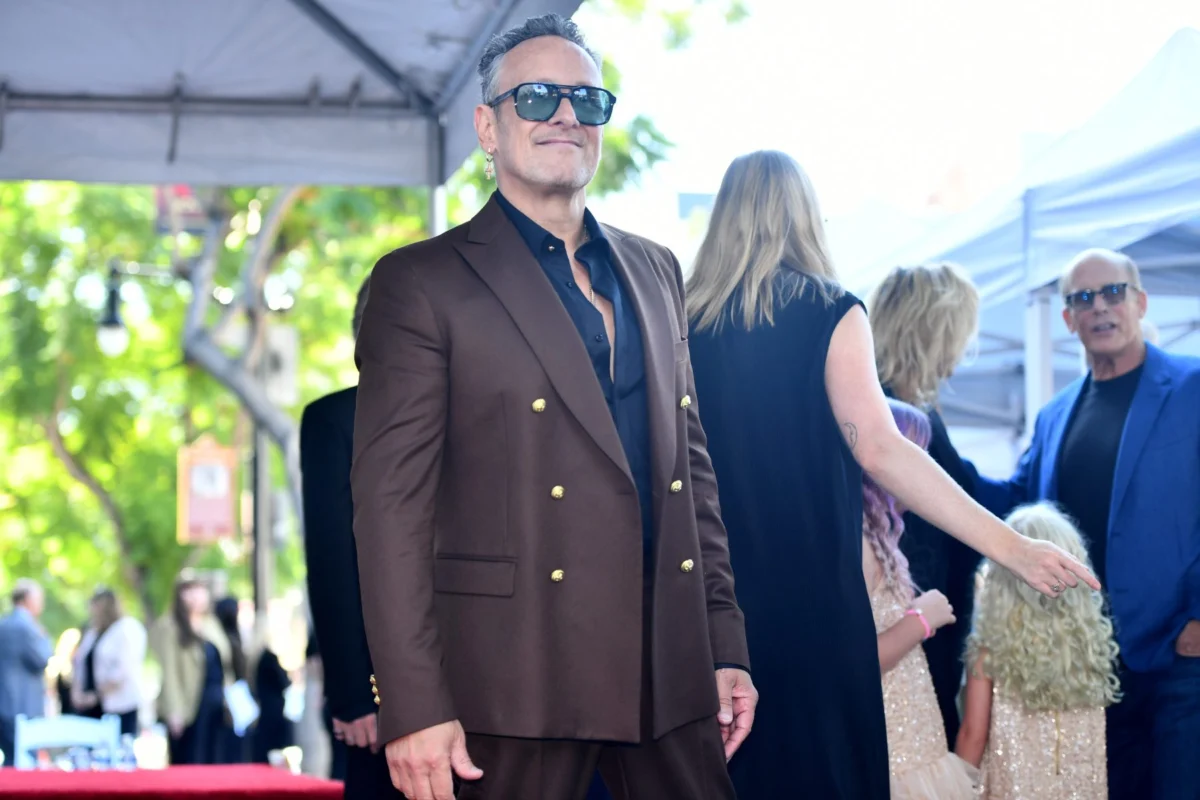
Def Leppard’s esteemed guitarist, Vivian Campbell, has publicly disclosed that he is once again confronting a recurrence of Hodgkin’s lymphoma, marking his third battle with the cancer since its initial diagnosis in 2013. The 63-year-old musician shared this challenging update during a candid interview with the El Salvadorian station YSKL, elaborating on his enduring philosophy of maintaining a positive and hopeful outlook amidst continuous health adversities. This latest revelation underscores a decade-long journey of managing a persistent illness while concurrently sustaining a demanding career in one of rock music’s most iconic bands.
Campbell’s health journey with Hodgkin’s lymphoma began in 2013 when he first announced his diagnosis. He subsequently reported a recurrence in 2015. The recent return of the cancer has necessitated ongoing medical interventions. During the interview, Campbell reflected on a particularly daunting period in late 2023, describing it as the only time he genuinely feared for his life due to the aggressive pace of the disease’s progression. This critical juncture led him to pursue a donor transplant as his primary hope for survival. The procedure was carried out in January 2025; however, Campbell regretfully confirmed that the transplant "didn’t stick," meaning the cancer has unfortunately returned. He is currently engaged in continuous treatments aimed at managing the disease.
Despite this significant setback, Campbell’s resolve remains unbroken. He expressed intentions to attempt another transplant within the coming years, hoping a different donor might yield a more successful outcome. In the interim, his commitment to his passion for music and other personal interests serves as a powerful testament to his resilience. He affirmed his plan to continue performing with Def Leppard, the legendary "Rock of Ages" band, as well as his side project, Last in Line, which pays homage to his earlier work with Ronnie James Dio. Beyond music, Campbell finds solace and excitement in his lifelong obsession with rally car racing. "I love cars and I love driving," he stated, recalling a childhood aspiration to become a race-car driver if a music career hadn’t materialized. He acknowledges his immense fortune in being able to pursue both passions simultaneously, viewing them as vital components of his life.
Campbell’s approach to living with cancer is profoundly shaped by his belief in "moving forward" and staying actively engaged. He emphasized how work and passion provide him with purpose, enabling him to wake up with something to anticipate and enjoy. This active engagement, he believes, acts as a crucial distraction from the pervasive thoughts and anxieties associated with cancer. He noted that his ability to continue working, even during demanding treatment phases, has been a significant factor in his mental and emotional well-being. This proactive stance helps to "deflect" excessive focus on his illness, allowing him to channel his energy into creative and fulfilling endeavors.
Understanding Hodgkin’s Lymphoma and Treatment Challenges
Hodgkin’s lymphoma is a type of cancer that originates in white blood cells called lymphocytes, which are part of the body’s immune system. As detailed by institutions like the Mayo Clinic, it affects the lymphatic system, a network of vessels and glands that helps fight infection. Unlike many cancers, Hodgkin’s lymphoma is known for being highly treatable and often curable, particularly when detected early. Standard treatments typically involve a combination of chemotherapy, radiation therapy, targeted therapy, immunotherapy, and in certain cases, bone marrow or stem cell transplantation.

A bone marrow transplant, also known as a stem cell transplant, is a critical treatment option for patients with Hodgkin’s lymphoma, especially in cases of recurrence or when initial treatments are unsuccessful. This procedure involves replacing damaged or diseased bone marrow with healthy blood-forming stem cells. There are two main types: autologous transplants, using the patient’s own stem cells, and allogeneic transplants, using stem cells from a donor. Campbell’s mention of a "donor transplant" indicates an allogeneic procedure, which carries higher risks but can offer a more robust immune response against residual cancer cells. The fact that the transplant "didn’t stick" implies that the donor cells failed to engraft properly or that the cancer returned despite the transplant, highlighting the complex and often challenging nature of such advanced therapies. Immunosuppressive drugs are typically administered to prevent graft-versus-host disease (GVHD) in allogeneic transplants, further complicating the recovery process. The need for a second transplant attempt underscores the persistence of Campbell’s disease and the medical team’s determination to find a successful long-term solution.
A Distinguished Career in Rock Music
Vivian Campbell’s illustrious career in rock music spans several decades and includes significant contributions to multiple influential bands before his tenure with Def Leppard. Born in Belfast, Northern Ireland, Campbell first gained prominence as a teenager in the early 1980s with the New Wave of British Heavy Metal band Sweet Savage. His aggressive and melodic guitar style quickly caught the attention of the hard rock scene.
His international breakthrough came in 1982 when he joined Dio, the band formed by legendary vocalist Ronnie James Dio after his departure from Black Sabbath. Campbell’s guitar work was integral to Dio’s early success, contributing to classic albums like "Holy Diver" (1983), "The Last in Line" (1984), and "Sacred Heart" (1985). These albums cemented his reputation as a formidable talent, showcasing his ability to craft powerful riffs and intricate solos that defined the sound of 80s heavy metal.
Following his departure from Dio, Campbell briefly played with Whitesnake, another prominent hard rock act, before joining Def Leppard in 1992. His recruitment came at a poignant time for Def Leppard, following the tragic death of founding guitarist Steve Clark. Campbell’s seamless integration into the band was crucial in helping them navigate this difficult period and continue their phenomenal success. His style, while distinct from Clark’s, blended perfectly with Def Leppard’s signature sound, contributing to albums like "Slang," "Euphoria," and subsequent releases. He has been an integral part of their global tours and ongoing recording efforts, solidifying his place in the band’s rich history. His side project, Last in Line, formed in 2012, features former Dio members Vinny Appice and Jimmy Bain (until his passing), and vocalist Andrew Freeman, further illustrating Campbell’s enduring connection to his musical roots.
Def Leppard’s Enduring Legacy and Future Commitments
Def Leppard, inducted into the Rock and Roll Hall of Fame in 2019, continues to be a powerhouse in the music industry, consistently touring and releasing new material. The band’s unwavering commitment to their craft and their fans provides a stable and supportive environment for Campbell, allowing him to manage his health challenges while remaining an active member. The group’s upcoming schedule includes a performance at the Seminole Hard Rock Live in Hollywood, Florida, on October 15, followed by a series of dates across Mexico, Central America, and South America throughout October and November. This demanding tour schedule underscores the physical and mental stamina required of all band members, especially one undergoing cancer treatment. The band’s collective strength and mutual support are undoubtedly vital factors in Campbell’s ability to maintain his performance schedule.

Broader Implications and a Message of Hope
Campbell’s public transparency about his cancer journey carries significant implications, extending beyond the realm of music. His candidness serves as a powerful message of awareness and resilience for countless individuals facing similar battles. By sharing his experiences, he normalizes the conversation around chronic illness and the importance of mental fortitude. His determination to continue living life "as much as possible, in fact, even more so," resonates deeply. He articulated that a cancer diagnosis can paradoxically amplify the desire to "tick all the boxes" and pursue one’s passions with greater urgency.
He also highlighted the critical role of early detection, noting his fortune in catching his cancer early, which has historically allowed for better management rather than a constant fight for survival. This distinction between managing and surviving offers a nuanced perspective on living with cancer as a chronic condition.
Concluding his message with the profound assertion that "life is for the living," Campbell urged everyone to prioritize their health. He specifically encouraged those who receive a cancer diagnosis to "overcome the fear." He acknowledged that fear is an inevitable initial reaction but stressed the importance of moving past it to focus on managing the disease effectively and refusing to "give in." This empowering message, delivered by an artist who has faced multiple recurrences, carries considerable weight. It underscores the psychological battle inherent in such diagnoses and the power of a positive mindset in confronting life-threatening illnesses. His previous absences from some 2024 and 2025 shows due to health issues served as reminders of the physical toll his treatments can take, yet his return to the stage consistently demonstrates his dedication and fighting spirit.
Vivian Campbell’s ongoing struggle with Hodgkin’s lymphoma is a poignant reminder of the pervasive impact of cancer, even on public figures. His story is not just one of medical challenges but also of extraordinary human resilience, the unwavering power of passion, and the profound importance of a supportive community. As he continues his journey, his voice and guitar will undoubtedly remain symbols of defiance and hope, inspiring fans and cancer patients worldwide to face adversity with courage and an unyielding will to live life to its fullest.
