

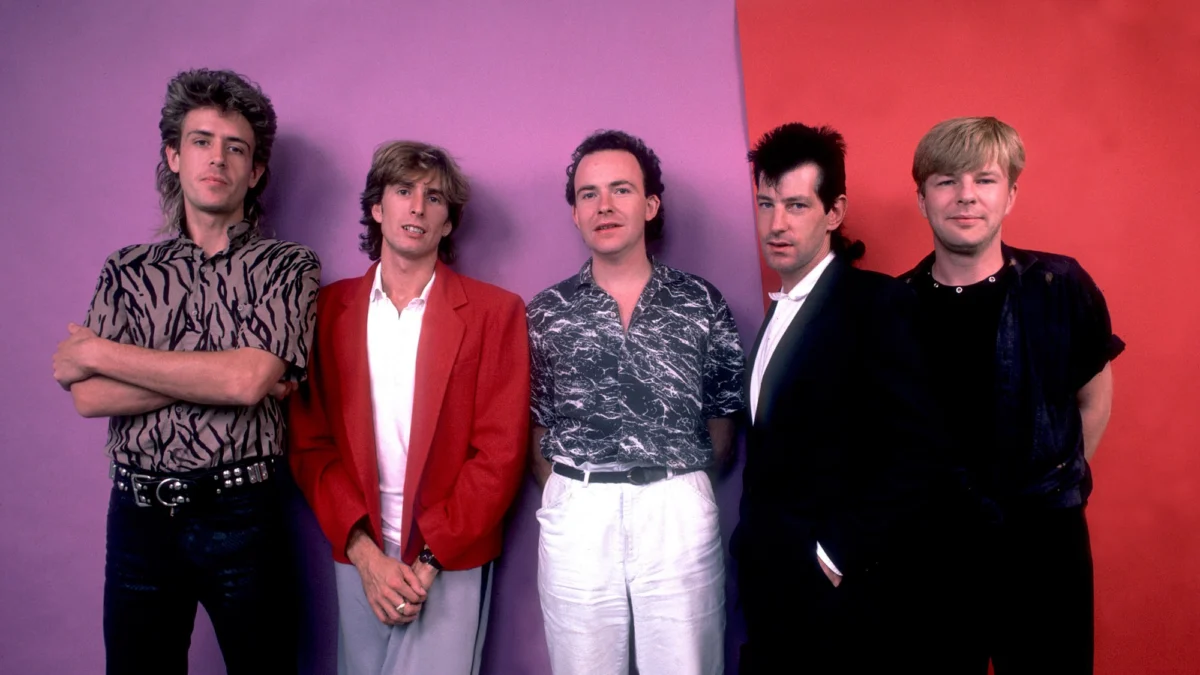
The year 1984 is frequently cited by music historians and cultural critics as a watershed moment for the global recording industry, marking a definitive transition from the post-disco era into a high-gloss, technologically driven pop landscape. Driven by the explosive growth of MTV and the widespread adoption of digital synthesizers, the year produced a staggering number of chart-topping hits that defined the aesthetic of the decade. While the year is often remembered for the dominance of Michael Jackson, Prince, and Madonna, a secondary tier of sophisticated pop and new wave tracks captured the "spirit of the times" with equal precision. These songs, ranging from the computer-generated visuals of The Cars to the atmospheric synth-pop of Corey Hart, represent a crucial evolutionary step in the production techniques and marketing strategies of the mid-1980s.
The Technological Vanguard: The Cars and Heartbeat City
In early 1984, the Boston-based band The Cars released their fifth studio album, Heartbeat City, which served as a masterclass in the fusion of new wave sensibilities and mainstream pop production. The lead single, "You Might Think," remains a quintessential example of this hybrid sound. Produced by Robert John "Mutt" Lange—famed for his work with AC/DC and Def Leppard—the track utilized a meticulous layering of synthesizers and crisp, processed guitar riffs that became a hallmark of the era’s "stadium-pop" sound.
"You Might Think" peaked at No. 7 on the Billboard Hot 100, but its historical significance extends beyond its chart position. The song’s music video was one of the first to extensively use computer-generated imagery (CGI). Created by Charlex, a New York-based production house, the video featured lead singer Ric Ocasek’s head superimposed onto various objects, including a periscope and a bumblebee. This innovative use of digital technology earned The Cars the first-ever Video of the Year award at the inaugural MTV Video Music Awards in 1984, famously beating Michael Jackson’s "Thriller."
The success of "You Might Think" signaled a shift in how bands were marketed. The Cars, who began as a quintessential "cool" new wave act, successfully navigated the transition into the video age by embracing the surrealist potential of the medium. The song’s rhythmic precision and "ultra-danceable" nature, as noted by contemporary critics, demonstrated that the boundaries between rock and electronic dance music were becoming increasingly porous.
The Balladry of New Wave: Cyndi Lauper’s Atmospheric Turn
While Cyndi Lauper is most frequently associated with the high-energy anthems "Girls Just Want to Have Fun" and "Time After Time," her 1984 release "All Through the Night" showcased a different facet of her debut album, She’s So Unusual. Originally written and recorded by Jules Shear, Lauper’s version transformed the folk-rock original into a lush, atmospheric pop ballad characterized by shimmering synthesizers and Lauper’s distinct vocal range.
Released as the fourth single from the album, "All Through the Night" reached No. 5 on the Billboard Hot 100. This achievement was historic; Lauper became the first female artist to have four top-five hits from a debut album. Unlike her previous singles, "All Through the Night" did not have a traditional narrative music video, a decision that allowed the song’s sonic textures to take center stage.
Musicologists point to "All Through the Night" as a prime example of the "Wall of Sound" technique being updated for the digital age. The track’s heavy use of the Fairlight CMI synthesizer—a revolutionary but expensive digital workstation at the time—created a sense of depth and timelessness. Lauper’s interpretation brought a vulnerability to the song that resonated with a wide demographic, proving that the new wave movement was capable of profound emotional resonance beyond its flamboyant surface.
Canadian Synth-Pop and the Aesthetic of Paranoia: Corey Hart
As the mid-80s progressed, the "Second British Invasion" was met with a surge of talent from North America, including Canadian singer-songwriter Corey Hart. His 1984 hit "Sunglasses At Night," from the debut album First Offense, became a definitive anthem of the decade’s obsession with nocturnal aesthetics and synthesizer-driven drama.
"Sunglasses At Night" is notable for its dark, brooding bassline and its creative use of stereo panning. Listeners using headphones in 1984 were introduced to a sophisticated audio experience where the synthesizers seemed to move across the soundstage, a technique that enhanced the song’s themes of surveillance and social anxiety. The track peaked at No. 7 on the Hot 100 and helped establish Hart as a significant figure in the synth-pop movement.
The song’s longevity is often attributed to its unique sonic profile. Unlike the bright, major-key pop that dominated the radio, Hart’s work leaned into a minor-key moodiness that anticipated the darker pop trends of the late 80s. The lyrical content, while seemingly simple, captured a specific brand of youthful rebellion and "cool" that was highly marketable in the burgeoning music video market.
Philosophical New Wave: The Fixx and the British Influence
Representing the sophisticated end of the British new wave spectrum, The Fixx released "Are We Ourselves?" in 1984 as part of their album Phantoms. The band, led by vocalist Cy Curnin and guitarist Jamie West-Oram, was known for blending intellectual, often existential lyrics with precise, rhythmic arrangements.
"Are We Ourselves?" reached the Top 15 on the Billboard Hot 100, bolstered by its heavy rotation on FM rock radio and MTV. The song’s production, handled by Rupert Hine, featured a tense, staccato guitar style and layered keyboard textures that created a sense of urgency. Lyrically, the song explored themes of identity and the loss of self in an increasingly commercialized world—a sentiment that remains relevant decades later.
The Fixx were often considered ahead of their time due to their focus on thematic cohesion and technical proficiency. "Are We Ourselves?" served as a bridge between the experimental post-punk of the late 70s and the polished pop-rock of the mid-80s. The song’s enduring quality lies in its refusal to adhere to simple pop tropes, instead offering a complex, atmospheric soundscape that demanded more from the listener than the average radio hit.
A Chronology of the 1984 Music Landscape
To understand the context of these "forgotten" hits, it is necessary to examine the timeline of 1984, a year characterized by rapid-fire releases and shifting trends:
- January – March: The year begins with the continued dominance of Michael Jackson’s Thriller, but new voices like Cyndi Lauper and Culture Club begin to capture the public’s imagination. The Cars release Heartbeat City in March, immediately impacting the charts.
- April – June: Prince releases "When Doves Cry," signaling a move toward more experimental, guitar-heavy pop. Corey Hart’s "Sunglasses At Night" begins its ascent on the charts, benefiting from heavy MTV airplay.
- July – September: The summer is dominated by the Purple Rain soundtrack and Bruce Springsteen’s Born in the U.S.A. During this period, The Fixx release "Are We Ourselves?" and Cyndi Lauper’s "All Through the Night" becomes a staple of autumn radio.
- September 14, 1984: The first MTV Video Music Awards are held, cementing the music video as the primary driver of commercial success. The Cars’ victory for "You Might Think" validates the use of high-tech visuals in music marketing.
Supporting Data and Market Trends
The commercial success of these tracks was supported by a booming music industry. In 1984, the Recording Industry Association of America (RIAA) reported a significant increase in the sale of cassettes, which began to outsell vinyl records for the first time. This shift toward portable media favored the "bright" and "punchy" production styles found in the hits by The Cars and Corey Hart, which were optimized for car stereos and Walkmans.
According to Billboard Year-End charts for 1984:
- The Cars’ Heartbeat City was one of the top-selling albums of the year, eventually being certified 4x Platinum.
- Cyndi Lauper’s She’s So Unusual spent 65 weeks in the Top 40, a testament to the longevity of its singles, including "All Through the Night."
- The "Second British Invasion" reached its peak in 1984, with over 30% of the Billboard Hot 100 being occupied by British acts like The Fixx at various points during the year.
Industry Implications and Modern Legacy
The production techniques pioneered in 1984 by producers like Mutt Lange and Rupert Hine laid the groundwork for modern pop production. The use of digital sampling, gated reverb on drums, and the integration of MIDI (Musical Instrument Digital Interface) allowed for a level of precision that was previously unattainable.
The "forgotten" hits of 1984 are currently experiencing a resurgence in interest due to the "synth-wave" and "retrowave" movements in contemporary music. Artists like The Weeknd and Dua Lipa have openly cited the 1984 sound as a primary influence on their recent work. The atmospheric quality of "All Through the Night" and the rhythmic drive of "Are We Ourselves?" provide a blueprint for modern artists seeking to balance commercial appeal with sonic depth.
Furthermore, the 1984 emphasis on the visual component of music—exemplified by The Cars—has evolved into the social media-driven landscape of today. The "viral" nature of the "You Might Think" video in 1984 was a precursor to the TikTok and YouTube trends that now dictate chart success.
In conclusion, while "You Might Think," "All Through the Night," "Sunglasses At Night," and "Are We Ourselves?" may not receive the same level of recurrent airplay as "Purple Rain" or "Like a Virgin," they remain vital components of the 1984 musical tapestry. They represent a period of intense creativity where technology and artistry converged to create a sound that was both of its time and, in many ways, ahead of it. As the industry continues to look backward for inspiration, these tracks serve as a reminder of the sophistication and enduring quality of mid-80s pop.
