

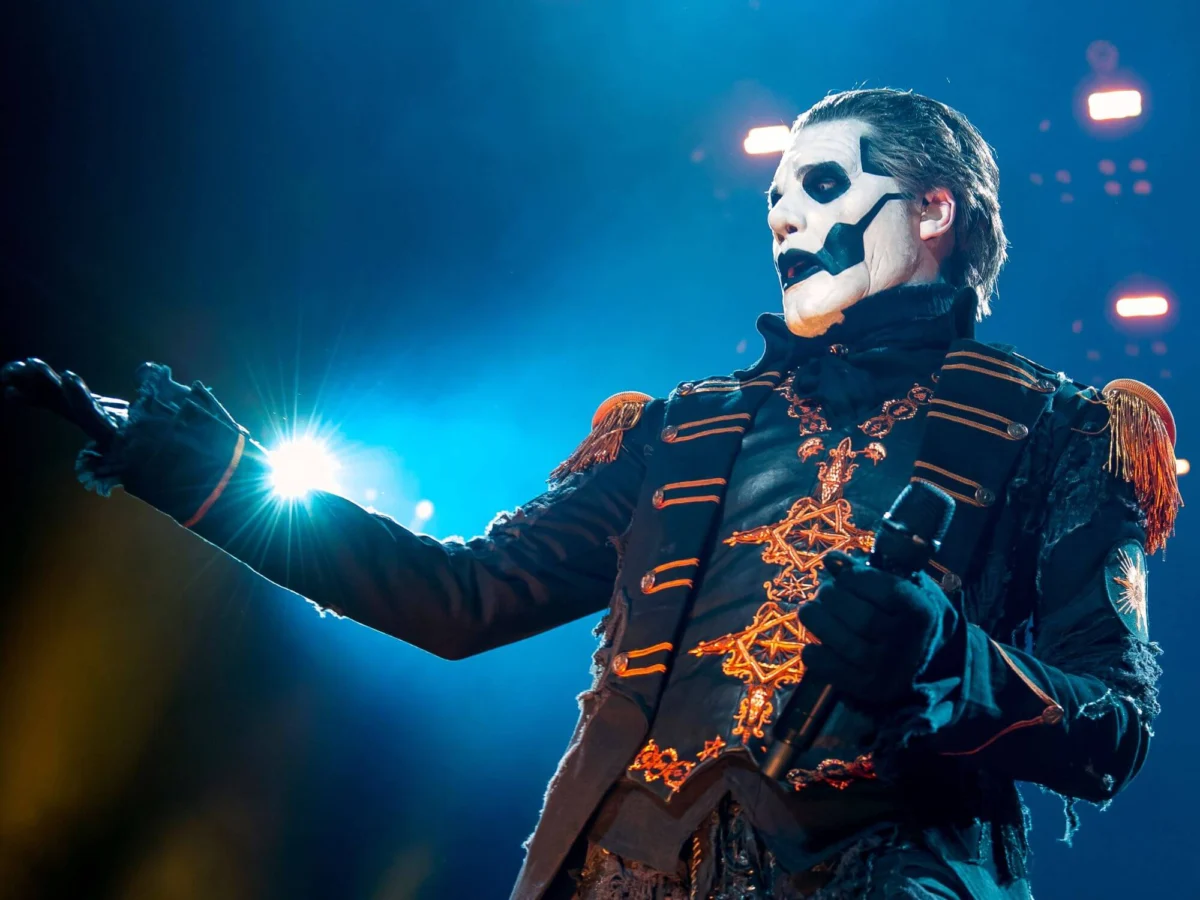
In a stark revelation that underscores the immense pressures and physical demands placed upon touring musicians, Tobias Forge, the enigmatic frontman and mastermind behind the Grammy-winning Swedish rock band Ghost, recently recounted a near-catastrophic experience with severe food poisoning. The incident, which occurred in Mexico City, threatened to derail a crucial concert that was scheduled for filming for the band’s highly anticipated cinematic release, 2 Big To Rig, set to debut in cinemas this August. Forge’s dedication to his craft was so profound that, despite being incapacitated by illness, he contemplated the extreme measure of wearing a diaper to push through the performance, a testament to the unwavering commitment expected in the upper echelons of the music industry.
A Critical Juncture for Ghost: The Filming of 2 Big To Rig
The planned three-night residency in Mexico City was far from a routine tour stop. These concerts were designated as the primary filming locations for 2 Big To Rig, a concert film designed to capture the theatrical grandeur and sonic power of Ghost’s live spectacle for a global audience. Concert films have become increasingly vital components of a band’s legacy and a significant way to connect with fans beyond the confines of a physical venue. For a band like Ghost, renowned for its elaborate stage productions, iconic costumes, and a meticulously crafted narrative involving Papa Emeritus and the Nameless Ghouls, a high-quality cinematic representation is paramount to preserving their artistic vision and expanding their reach. The decision to film in Mexico City was strategic, leveraging the city’s vibrant and passionate fanbase, known for its electrifying energy, which would undoubtedly translate powerfully onto the big screen.
The stakes for these performances were extraordinarily high. Filming a major concert for a theatrical release involves intricate logistics, substantial financial investment, and a large contingent of technical and production crew. Any disruption, particularly the cancellation of a show, carries significant repercussions, not only in terms of monetary loss but also potential delays to the film’s production schedule and, crucially, the disappointment of thousands of eager fans.
Chronology of a Crisis: The Onset of Illness in Mexico City
Forge meticulously detailed the harrowing experience in a candid interview with Metal Hammer, shedding light on the rapid deterioration of his health. The band and its crew had arrived in Mexico City five days prior to the first scheduled performance. This extended lead time was a deliberate and responsible measure, designed to allow everyone to acclimatize to the city’s significant elevation, which stands at over 7,300 feet (approximately 2,240 meters) above sea level. Acclimatization is crucial for performers, as the reduced oxygen levels at such altitudes can profoundly impact stamina and vocal performance. Initially, the acclimatization period proceeded without incident, with Forge noting, "Everything was dandy."
The morning of the first filmed show, however, brought an ominous shift. Forge awoke feeling "weird," a vague discomfort that quickly escalated. The approximately one-hour journey from his hotel to the venue saw him succumb to an overwhelming fatigue, which he initially dismissed as mere tiredness. This early symptom, however, was merely the precursor to a far more severe affliction.
Upon arrival at the venue, the true extent of his illness began to manifest. "When I came to the venue, I couldn’t stomach anything, everything was just flowing through me, and for every hour that went by I was getting more and more drained," Forge recalled. The situation rapidly escalated into violent bouts of vomiting, signaling a profound systemic distress. Forge described it starkly: "Everything, just, ‘Out, out, out!’" The sudden and aggressive onset of symptoms immediately sent ripples of alarm through the entire production team. The pressure was palpable, as Forge elaborated: "Everyone’s getting super-nervous: not only is the show dependent on this, but we also have a film depending on this! Fuck!"
The Diagnosis and the Dilemma: Food Poisoning and the Unthinkable
With the rapid progression of symptoms and the complete incapacitation of their frontman, it became evident that Forge was suffering from a severe case of food poisoning. While the exact source of the contamination was not publicly identified, food poisoning can strike swiftly and indiscriminately, turning a meticulously planned event into an unforeseen medical emergency. The illness left Forge feeling an "incredible sense of defeat," a sentiment compounded by the weight of expectations resting on his shoulders.
The dilemma facing Forge and his team was multi-faceted. On one hand, there was the professional obligation to perform, especially given the crucial nature of the filmed event. On the other, there was the stark reality of his physical condition, which rendered him utterly incapable of standing, let alone performing with the theatrical energy and vocal prowess Ghost’s shows demand. Forge’s personal aversion to cancelling shows, particularly when fans are already present, added another layer of emotional conflict. "I really don’t like cancelling shows in the first place, and I absolutely hate to cancel when the crowd is already there," he emphasized.
It was during this critical juncture, as his body continued its involuntary purging, that Forge’s unwavering dedication reached its most extreme expression. Lying horizontal, utterly drained, he posed the desperate question: "Can we get a diaper? I’m gonna give it my best!" This extraordinary suggestion, while perhaps humorous in retrospect, speaks volumes about the lengths to which a performer will consider going to fulfill their commitment. It highlights the deeply ingrained "show must go on" ethos that pervades the entertainment industry, often pushing artists to disregard their own physical well-being.
However, even Forge’s formidable willpower could not overcome the biological realities of severe illness. He quickly realized the futility of his heroic, albeit impractical, suggestion. "But I cannot stand – literally. Even if you get me up onstage, I will not be able to sing," he conceded. The decision, though agonizing, became clear. The rational choice, in the face of such debilitating illness, was to "pull the plug."
The Immediate Aftermath: Cancellation and Recovery
The cancellation of the opening night of the Mexico City residency was officially announced, leading to understandable disappointment among the thousands of fans who had gathered, some having traveled significant distances and waited for hours. For many, a Ghost concert is more than just a musical performance; it is a ritualistic experience, and the abrupt cancellation was a significant blow. The band’s team would have been tasked with the unenviable duty of communicating the cancellation, often a complex process involving venue staff, promoters, and direct fan communication channels.
For Forge, the immediate aftermath involved intensive medical care. He spent the remainder of the evening lying on a stretcher, receiving intravenous fluids to combat severe dehydration, a common and dangerous consequence of acute food poisoning. The experience was not just physically draining but emotionally taxing, requiring him to "handle the defeat and hope for people to understand." This period of vulnerability underscores the human element behind the elaborate spectacle, reminding fans that even the most formidable rock stars are susceptible to common ailments.
Logistical and Financial Implications of a Major Cancellation
The cancellation of a high-profile concert, especially one intended for film production, carries substantial logistical and financial ramifications. From a financial perspective, the immediate losses can be significant, encompassing:
- Ticket Refunds/Exchanges: The cost of refunding or re-issuing tickets for the cancelled show.
- Production Costs: Expenses already incurred for stage setup, lighting, sound, camera crews, and other production elements that cannot be recouped for the cancelled night.
- Crew Wages: Salaries for the extensive touring crew, film crew, and local stagehands who were present and prepared to work.
- Venue Fees: Potential penalties or non-refundable deposits with the venue.
- Travel and Accommodation: Costs associated with the band and crew’s extended stay in Mexico City.
- Merchandise Sales: Lost revenue from merchandise sales for the cancelled evening.
Beyond the financial impact, the logistical headache is considerable. Rescheduling a major concert, particularly one that is part of a multi-night filmed event, can be incredibly challenging due to venue availability, crew schedules, and the broader tour itinerary. In this instance, the band was fortunate that the subsequent two nights could proceed as planned, minimizing the overall disruption to the film project. However, the initial cancellation would have required swift and decisive action from management, public relations teams, and medical personnel to manage the crisis effectively.
The Resilience of Ghost: Bouncing Back for the Film
Thankfully, Forge was surrounded by a dedicated and professional team who prioritized his health and recovery above all else. Their collective decision to pull the plug on the show, despite the enormous pressure, proved to be the correct one, allowing Forge the critical time needed to recuperate. With proper medical attention and rest, his condition improved rapidly enough for him to perform the remaining two scheduled shows.
The successful execution of the subsequent performances was crucial. It meant that the filming for 2 Big To Rig could largely proceed as intended, capturing the essence of Ghost’s live show without a complete overhaul of the production schedule. This resilience in the face of adversity not only saved the film project but also demonstrated the band’s commitment to their fans, delivering the promised experience once Forge was physically capable. The relief felt by the entire team, and indeed by the fans who attended the remaining shows, would have been immense.
Broader Implications: The Fragility of Live Performance and the Artist’s Burden
Forge’s candid account offers a rare glimpse into the often-unseen vulnerabilities of artists operating at the pinnacle of their careers. It underscores several critical aspects of the contemporary music industry:
- The Human Element: Despite elaborate productions and carefully crafted personas, the success of a live show ultimately hinges on the physical and mental well-being of the performers. Illness, injury, or personal crises can instantly bring a complex touring machine to a halt.
- Pressure to Perform: The "show must go on" mentality is deeply ingrained, driven by contractual obligations, financial stakes, and a profound sense of duty to fans. This often compels artists to push through immense discomfort, sometimes to their detriment.
- The Importance of Team Support: Forge’s experience highlights the vital role of a competent and compassionate support team – management, medical personnel, and crew – in making difficult decisions that prioritize an artist’s health over immediate commercial concerns.
- Fan Empathy and Understanding: While cancellations are always disappointing, the transparency and honesty of artists in explaining such situations can foster greater empathy and understanding from their fanbase, as Forge hoped for.
- The Evolution of Concert Filming: As concert films become more sophisticated and accessible, the stakes for these specific filmed performances are elevated, adding another layer of pressure to an already demanding touring schedule.
Looking Ahead: The Release of 2 Big To Rig
Despite the initial setback, the 2 Big To Rig concert film is poised for its theatrical release in August. The film is expected to offer an immersive experience, allowing audiences to witness the spectacle of a Ghost live show with cinematic quality, capturing the band’s unique blend of heavy metal, theatricality, and dark aesthetics. The trailer, already released, offers a tantalizing preview of the high production values and intense atmosphere that fans can anticipate.
The film serves multiple purposes: it immortalizes a specific era of Ghost’s touring, provides a global platform for fans who may not have the opportunity to see them live, and further cements Ghost’s reputation as one of the most innovative and compelling acts in contemporary rock music. Forge’s near-miss with food poisoning will undoubtedly become a legendary anecdote associated with the film’s production, a testament to the extraordinary lengths undertaken to bring Ghost’s vision to the silver screen.
Fans eager to experience 2 Big To Rig and witness the triumphant performances that followed Forge’s recovery can find screening information and further details on the official Ghost website. The incident in Mexico City serves as a powerful reminder of the dedication, resilience, and human vulnerability that often lie beneath the polished veneer of a world-class rock spectacle.
