

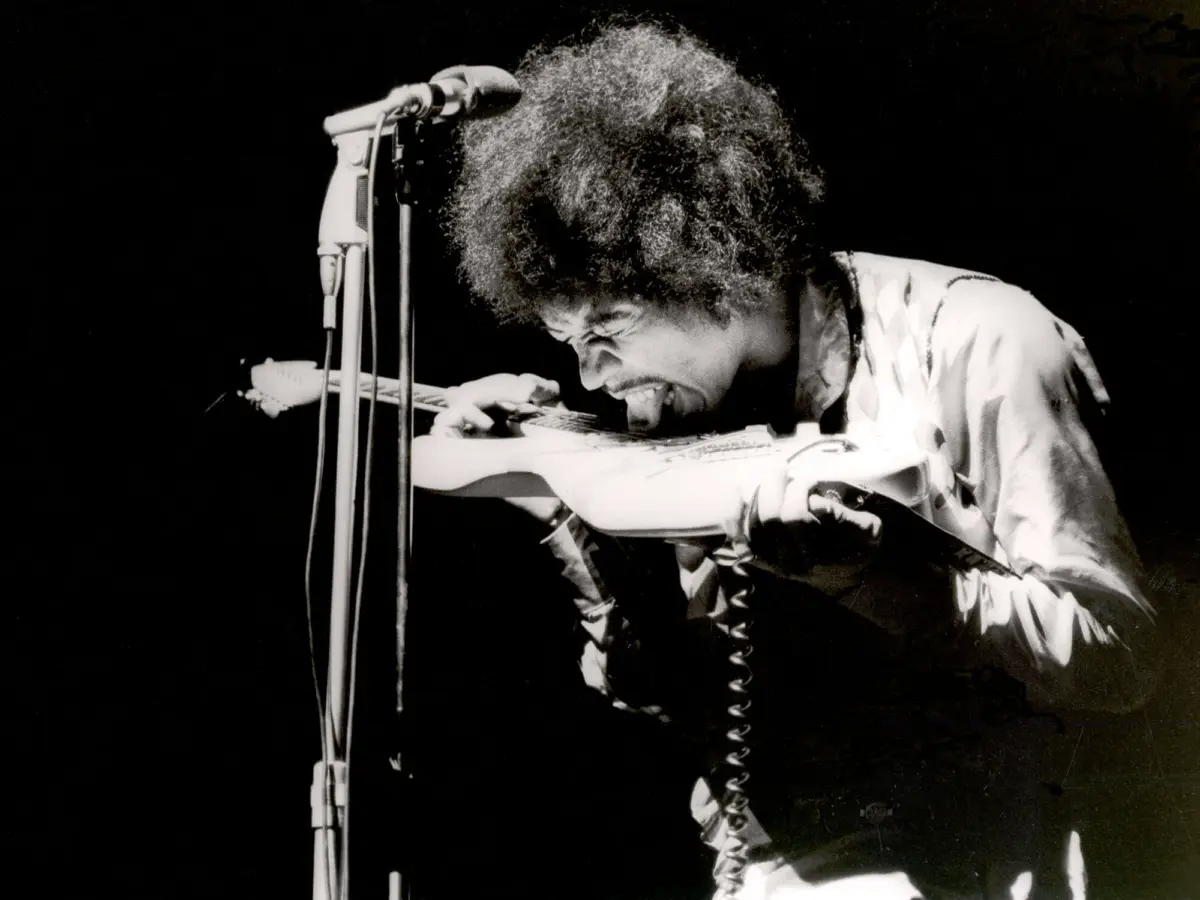
The rapid proliferation of artificial intelligence (AI) generated images, videos, and audio across social media platforms has introduced a complex set of challenges, particularly for the estates and families of legendary public figures. While for many, these AI creations offer a fleeting source of amusement, placing beloved celebrities in fantastical or anachronistic scenarios, for those entrusted with preserving a legacy, they often represent a distressing encroachment on authenticity and historical accuracy. Janie Hendrix, the sister of the iconic guitarist Jimi Hendrix and CEO of Experience Hendrix, the official organization managing his estate, has openly voiced her profound discomfort regarding the rise of AI-generated content featuring her late brother, underscoring a growing sentiment among custodians of cultural heritage worldwide.
In a recent interview with Guitar.com, Janie Hendrix articulated the emotional toll and practical difficulties presented by these fabricated digital artifacts. "It’s really tough sometimes, especially for photographs," she revealed, detailing instances where AI-generated images purporting to show Jimi Hendrix alongside other legends, such as jazz luminary Miles Davis, circulate widely. While the two musicians were indeed contemporaries and friends, verifiable photographic evidence of them together remains scarce. "You’ll see a picture of say Miles Davis and Jimi, and people are like, ‘Oh my God, this is an incredible photo’, and it’s not real," she lamented. This distinction between fabricated content and genuine historical records forms the crux of her concern, highlighting the potential for AI to inadvertently distort historical narratives and blur the lines of reality for an unsuspecting public.
The Rise of Generative AI and its Societal Impact
The past few years have witnessed an unprecedented acceleration in the development and accessibility of generative AI technologies. Tools like DALL-E, Midjourney, Stable Diffusion, and various deepfake algorithms have democratized the creation of highly realistic synthetic media. These platforms leverage vast datasets of existing images, videos, and audio to generate new content that can be virtually indistinguishable from genuine creations. Initially, the excitement surrounding these technologies centered on their creative potential, offering artists and enthusiasts new avenues for expression and imagination. However, their widespread adoption has also illuminated significant ethical quandaries.
The ability to convincingly simulate individuals, particularly those who are no longer alive, raises profound questions about identity, legacy, and the very nature of truth in the digital age. For public figures, both living and deceased, their likeness, voice, and artistic style are integral to their persona and legacy. When AI tools can replicate these elements without explicit authorization or contextual clarity, it poses a direct challenge to the control and authenticity that estates like Experience Hendrix strive to maintain. The problem extends beyond mere entertainment; it touches upon issues of intellectual property, the right of publicity, and the potential for deepfakes to spread misinformation or be used for malicious purposes, even if the initial intent is benign.
Janie Hendrix’s Personal Perspective on Authenticity
Janie Hendrix’s perspective is rooted not only in her professional capacity as an estate manager but also in her deep personal connection to her brother. She acknowledges that some AI-generated content might be "cute" or "entertaining," a reflection of fans’ enduring affection and curiosity. However, she firmly asserts that such fabrications cannot replicate the profound impact of genuine artifacts. "It’s nothing like the real photos, the real person, or watching the video or a concert of him. And I love the fact that we still have all of that," she stated. This sentiment underscores the irreplaceable value of authentic historical records – photographs, recordings, and live performance footage – which serve as direct conduits to Jimi Hendrix’s artistic genius and persona.
The danger, as she perceives it, lies in the gradual erosion of the distinction between the real and the artificial. If audiences become accustomed to consuming AI-generated content of historical figures, there is a risk that the integrity of genuine historical documentation could be compromised, leading to a diminished appreciation for the actual legacy. For Janie, preserving the true essence of Jimi Hendrix means ensuring that his story, his image, and his music are presented authentically, untainted by digital mimicry.
The Broader Ethical and Legal Landscape for Digital Legacies
The challenges faced by Experience Hendrix are not isolated. Estates of countless deceased celebrities and public figures globally are grappling with similar issues. The existing legal frameworks for intellectual property, copyright, and the right of publicity were largely established in an era predating sophisticated AI. These laws often struggle to adequately address the complexities introduced by AI-generated content, particularly regarding the unauthorized use of a person’s likeness or artistic style after their death.
In the United States, the "right of publicity" protects individuals from the unauthorized commercial exploitation of their name, likeness, or other aspects of their identity. However, the duration and transferability of these rights vary significantly by state, and their application to AI-generated content, especially non-commercial or "fair use" scenarios, remains a legal gray area. For deceased individuals, these rights often fall under their estate, but the specific protections against AI replication are still being defined. This legal vacuum leaves estates in a reactive rather than proactive position, often forced to issue takedown notices or pursue costly litigation to protect their legacy.
Beyond legal battles, there is a significant ethical dimension. The creation of AI fakes, even if not explicitly malicious, can be seen as disrespectful to the memory of the individual and their family. It raises questions about consent, agency, and the right to control one’s posthumous image. For figures like Jimi Hendrix, whose artistic output was deeply personal and transformative, the notion of AI generating "new" works in his style, or fabricating historical interactions, can be perceived as an appropriation that undermines the uniqueness and integrity of his original contributions.
Experience Hendrix: A Bastion of Authenticity
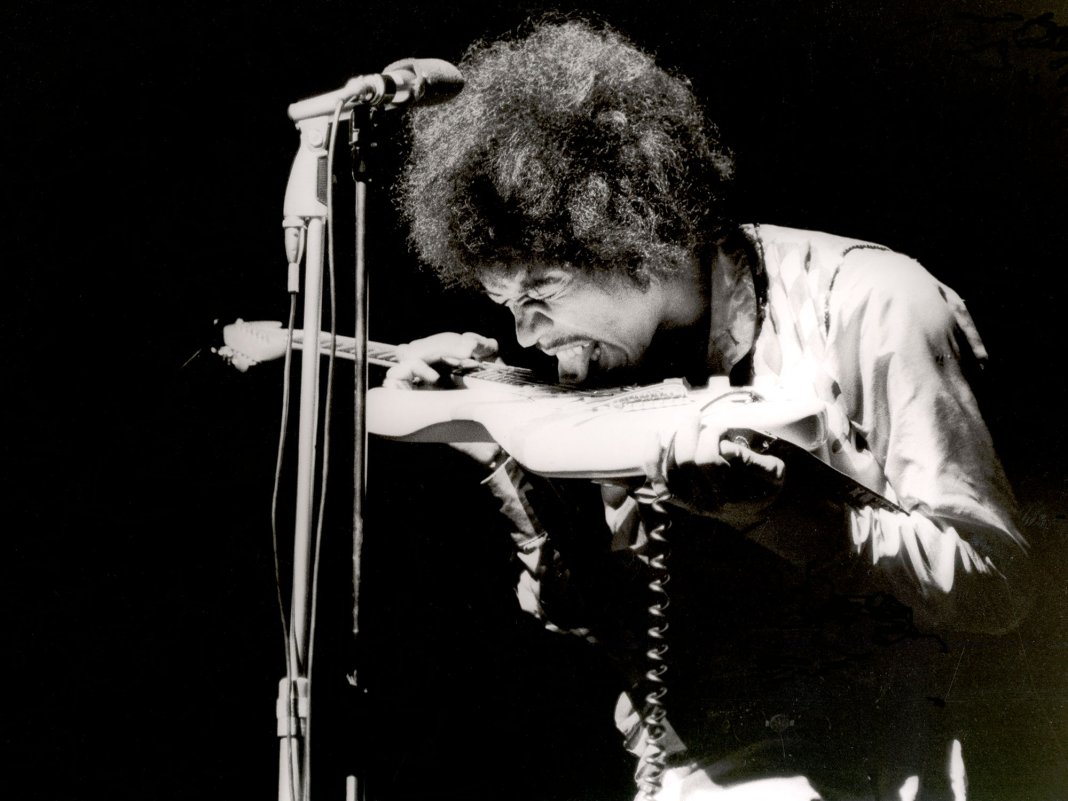
As CEO of Experience Hendrix, Janie Hendrix’s role extends far beyond managing business operations; it is a deeply personal mission to safeguard and perpetuate her brother’s authentic legacy. The organization meticulously handles the licensing of Jimi’s music, oversees the release of archival recordings, and orchestrates regular concert tours and events that celebrate his impact on music. This proactive approach is designed to ensure that new generations encounter Jimi Hendrix through his genuine artistry and documented history.
"We want to make sure that his music lives on and people are hearing it," Janie emphasizes, echoing Jimi’s own aspirations. She elaborates on his profound desire for his music to transcend mere auditory perception: "That was his wish, his goal. But not just hear it with your ears, but hear it with your heart and your mind and your soul, and be able to feel it inside your bones." This philosophy underscores the depth and spiritual dimension of Jimi Hendrix’s art, which, in her view, cannot be replicated or understood through AI-generated approximations. Jimi’s often-quoted desire to "wake up the sleeping people" speaks to a spiritual awakening through music, a message that relies on genuine connection and authentic expression, not fabricated imagery.
The efforts of Experience Hendrix serve as a critical counterpoint to the proliferation of AI fakes. By providing a steady stream of authenticated content – newly discovered recordings, meticulously restored live performances, and accurate historical narratives – the estate aims to anchor the public’s understanding of Jimi Hendrix in reality. This strategy is not merely about copyright protection; it is about cultural preservation, ensuring that the true narrative of an artist remains intact for future generations.
The "Cosmic Promise": A Personal Vow to a Public Legacy
Janie Hendrix’s dedication to her brother’s legacy is rooted in a deeply personal and poignant memory, a "cosmic promise" made when she was just six years old. She recounts a childhood pact with Jimi: "He said, ‘I will always take care of you. You will never have to worry about anything.’ And I said, ‘Well, when I grow up, I will always take care of you.’" At that tender age, she envisioned a future where Jimi would still be physically present. While his untimely death in 1970 prevented that literal fulfillment, Janie interprets her current work as the embodiment of her childhood vow.
"In my little elementary school mind, I thought that he was still going to be here when I was taking care of him, but his music is still here, and his soul is still here, and music and his spirit," she reflects. This profound personal commitment infuses her professional endeavors with an almost sacred duty. For Janie, safeguarding Jimi’s legacy from AI-generated fabrications is not just about protecting intellectual property; it is about honoring a brother, fulfilling a promise, and ensuring that his enduring spirit, communicated through his authentic work, continues to resonate with the world. This emotional core provides a powerful motivation for Experience Hendrix’s rigorous efforts to maintain authenticity in an increasingly synthetic digital landscape.
Navigating the Future: Challenges and Potential Solutions
The issues raised by Janie Hendrix are indicative of a broader societal challenge: how to navigate the benefits and risks of rapidly advancing AI technologies while upholding ethical principles and respecting individual legacies. As AI capabilities continue to evolve, the distinction between real and fake will become even more nuanced, necessitating multi-faceted approaches.
One potential solution lies in technological countermeasures. Digital watermarking, blockchain-based provenance tracking, and authentication protocols could help identify and verify genuine content, making it easier for audiences to discern authentic materials from AI-generated fakes. Industry collaboration among tech companies, social media platforms, and content creators will be crucial in developing and implementing such standards.
Legally, there is a pressing need for updated legislation that specifically addresses AI-generated content, intellectual property rights, and the posthumous right of publicity. This could involve creating clearer guidelines for commercial and non-commercial use of AI-generated likenesses, and establishing mechanisms for estates to quickly and effectively challenge unauthorized fabrications.
Education also plays a vital role. Media literacy campaigns can empower the public to critically evaluate digital content, fostering an understanding of how AI works and the potential for manipulation. By raising awareness about the ethical implications of creating and sharing AI-generated fakes, it may be possible to cultivate a more responsible digital culture.
Ultimately, Janie Hendrix’s candid remarks serve as a powerful reminder of the human element at the heart of artistic legacies. While AI offers fascinating possibilities, it also demands a collective commitment to truth, respect, and authenticity. For the estate of Jimi Hendrix, and countless others, the battle for a genuine legacy in the age of AI is not merely a legal or technological skirmish, but a profound cultural imperative to preserve the true spirit and story of an icon. The future of cultural heritage will depend on a delicate balance between technological innovation and an unwavering dedication to the integrity of human creativity and historical fact.
