

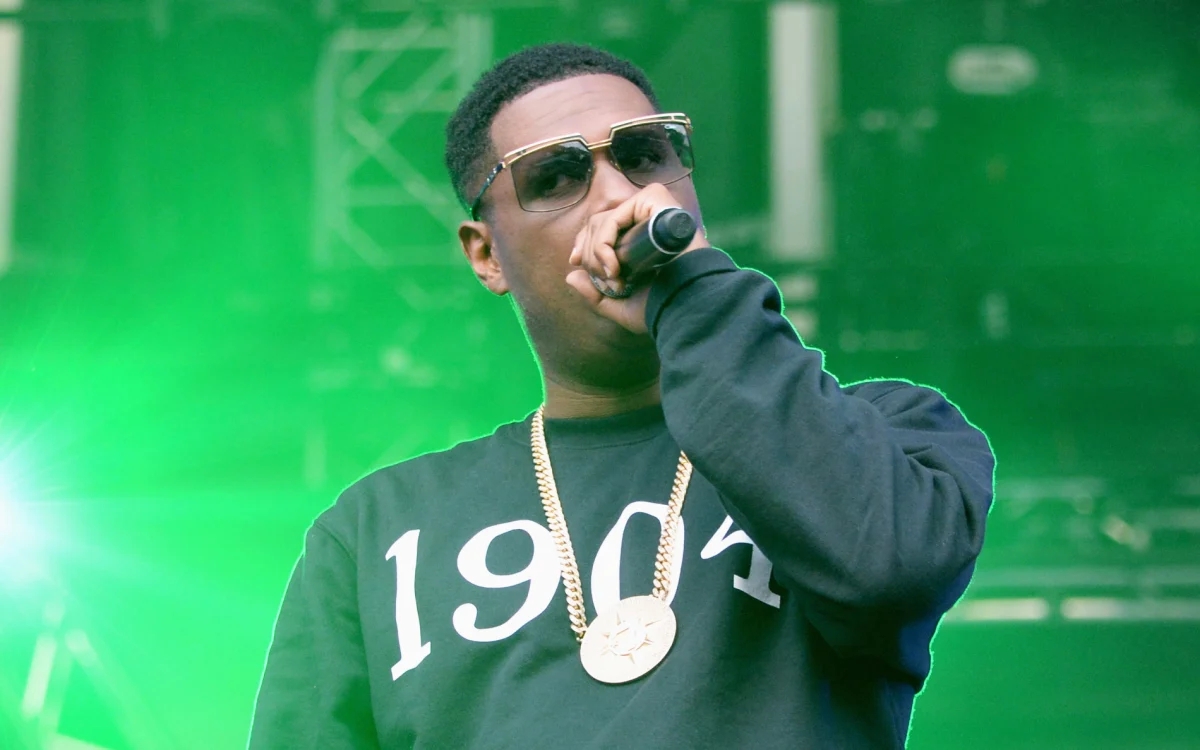
Jay Electronica, the enigmatic and often unpredictable artist signed to Roc Nation, found himself at odds with a portion of his audience during a recent concert in Los Angeles. The incident, which occurred on Saturday, April 4, at The Compound, saw the rapper engage directly with attendees who expressed their displeasure by booing him. The catalyst for the confrontation was Electronica’s decision to perform his critically acclaimed track "Exhibit C" solely acapella, forgoing the iconic Just Blaze-produced beat that has become synonymous with the song.
This deviation from audience expectation ignited a vocal dissent, prompting Electronica to halt his performance and address the booing directly. Footage captured by concertgoers and subsequently shared across social media platforms vividly illustrates the rapper’s agitated response. He addressed the crowd, his voice laced with defiance, stating, "If you fuck with me, shut the fuck up and listen to the bars!" This initial admonishment was followed by a more pointed accusation directed at those expressing their disapproval: "Whoever boos, we know you the enemy, n*gga, and you a coward! ‘Cause you won’t boo in my face."
The rapper’s frustration escalated as he then made the bold move of descending into the audience, weaving through the sea of fans. Armed with his microphone, he continued to challenge the hecklers, daring them to voice their objections directly to him. As he navigated the crowd, he declared, "See how they shut the fuck up! They pussy!" He was quick to clarify that his strong words were not directed at his genuine supporters, emphasizing, "My fans know I ain’t talking to them. We on the same team… I came here to swing my sword at the enemy. If you want to boo, that’s fine; I’ve been booed at concerts before. But grow some nuts and boo in my face."
One particularly striking moment captured on video shows Jay Electronica squaring up to a male attendee, mic in hand, and responding to the perceived disrespect with a lyrical retort. Drawing from his own catalog, he delivered a verse that served as a forceful reminder of his artistic integrity and upbringing: "Ms. Dorothy raised me up on the psalms of David / Plus worked her whole life, day and night on grave shift / So just know Jay Electronica ain’t to be played with!" This impromptu rhyme was a direct quote from his track "Abracadabra (A Written Testimony: Leaflets)," showcasing his ability to channel his emotions into his art even in the heat of the moment.
Context and Background of the "Exhibit C" Controversy
The choice to perform "Exhibit C" acapella, while seemingly a minor artistic decision, carries significant weight within hip-hop culture. "Exhibit C," released in 2009, is widely regarded as a masterpiece, celebrated for its intricate lyricism and Jay Electronica’s distinctive flow. The accompanying beat, crafted by legendary producer Just Blaze, is an integral part of the song’s identity. Its soulful sample and powerful drums provide a rich sonic tapestry that amplifies Electronica’s intricate wordplay. For many fans, the song is inseparable from its instrumental foundation, and any departure from this established version can be perceived as a significant artistic choice that warrants strong reactions.
The incident at The Compound highlights a recurring theme in live hip-hop performances: the delicate balance between artistic interpretation and audience expectation. While artists are free to express themselves creatively, they also engage in a social contract with their fans, who have come to experience familiar and beloved songs. The expectation for "Exhibit C" to be performed with its iconic beat is deeply ingrained, and the absence of it can be jarring for those who have grown to love the song in its complete form.
Chronology of the Incident
The events unfolded on Saturday, April 4, at The Compound in Los Angeles.
- Performance Begins: Jay Electronica takes the stage for his concert.
- "Exhibit C" Performance: The artist opts to perform "Exhibit C" without its signature Just Blaze beat, delivering it solely acapella.
- Audience Reaction: A segment of the crowd begins to boo, expressing their dissatisfaction with the stripped-down rendition.
- Electronica Halts Set: Jay Electronica pauses his performance to address the booing.
- Verbal Confrontation: He delivers a series of verbal challenges to the hecklers, questioning their courage and loyalty.
- Crowd Engagement: The rapper descends into the audience, confronting individuals and reiterating his message.
- Lyrical Response: Electronica engages one attendee with a rhyming rebuttal, referencing his upbringing and artistic resilience.
- Continued Performance (Implied): While the footage focuses on the confrontation, it is implied that the performance eventually resumed, though the atmosphere may have been altered.
Supporting Data and Broader Implications
The proliferation of social media has undoubtedly amplified the impact of such incidents. Videos of the confrontation quickly circulated online, sparking discussions among hip-hop enthusiasts about artistic freedom, fan expectations, and the nature of live performances. This event serves as a case study in the dynamics between artists and their dedicated fan bases in the digital age.
Jay Electronica’s career has been characterized by a unique trajectory, marked by periods of prolific output interspersed with long stretches of enigmatic silence. His recent release of multiple surprise projects last year, including A Written Testimony: Leaflets, A Written Testimony: Power At The Rate of My Dreams, and A Written Testimony: Mars, The Inhabited Planet, has generated renewed interest in his work. The ongoing "Nineteen Day Reconnaissance Tour" is a testament to this renewed momentum, allowing fans across North America to experience his artistry firsthand.
The incident at The Compound raises questions about how artists should navigate audience feedback in a live setting. While Electronica’s response was passionate and assertive, it also risks alienating some fans who may feel their concerns were dismissed. Conversely, his supporters might see his actions as a bold defense of his artistic vision and a refusal to be dictated to by audience demands.
Analysis of Fan Expectations and Artistic Integrity
The core of the conflict lies in the differing interpretations of what constitutes a live musical experience. For some fans, a concert is an opportunity to hear beloved songs performed as they are known and cherished, often with the original production intact. This perspective emphasizes nostalgia and the communal experience of celebrating established musical arrangements.
From an artist’s perspective, however, a live performance is an evolving platform for creative expression. Musicians may wish to reimagine their songs, explore different interpretations, or use the opportunity to showcase their vocal abilities without instrumental backing. This approach prioritizes artistic growth, spontaneity, and a deeper connection with the raw essence of their lyrics and delivery.
Jay Electronica’s decision to perform "Exhibit C" acapella can be viewed as an assertion of his artistic prerogative. It suggests a desire to highlight the lyrical prowess that has long been his hallmark, perhaps believing that the words themselves are powerful enough to stand alone. His reaction to the booing – framing the hecklers as "the enemy" and "cowards" – indicates a deep-seated belief in his own artistic direction and a rejection of what he perceives as unconstructive criticism from those who do not understand his vision.
Jay Electronica’s Current Tour and Recent Releases
Jay Electronica is currently on his "Nineteen Day Reconnaissance Tour," a significant undertaking that commenced last month in Toronto. The tour has already seen him perform in various cities across Canada and the United States, including Seattle and Portland, before reaching Los Angeles. The tour’s itinerary includes upcoming dates in Las Vegas, Orlando, Miami, Austin, Dallas, Houston, and Virginia Beach, with a final show scheduled for May 9 in Richmond, Virginia.
This tour serves as a platform for him to promote a series of surprise projects he released in the past year. These releases include:
- A Written Testimony: Leaflets
- A Written Testimony: Power At The Rate of My Dreams
- A Written Testimony: Mars, The Inhabited Planet
These projects have contributed to a resurgence of interest in Jay Electronica, who has maintained a mystique throughout his career. He famously revealed on the track "Four Billion, Four Hundred Million 4,400,000,000 / The Worst Is Yet To Come" that he had delivered "nineteen albums in one day" to JAY-Z, though the exact nature and release status of these projects remain subjects of speculation within the fan community.
Official Responses and Industry Reactions (Inferred)
As of the publication of this article, there have been no official statements from Roc Nation or JAY-Z regarding the incident. However, within the broader hip-hop community, the event has sparked lively debate across music forums and social media platforms. Some commentators have lauded Electronica’s boldness and his commitment to his artistic vision, while others have criticized his confrontational approach to audience dissent.
The incident also brings to the forefront the evolving landscape of live music consumption. With the ubiquity of smartphones and social media, every concert moment is potentially recorded and disseminated, leading to increased scrutiny of artist-fan interactions. This can create a dynamic where artists feel compelled to manage their public image in real-time, even in the midst of a performance.
Conclusion: A Moment of Artistic Friction
Jay Electronica’s confrontation with hecklers at his Los Angeles show is more than just a momentary lapse in crowd control; it is a potent illustration of the complex relationship between artistic integrity and audience expectation in contemporary music. His unwavering defense of his performance choices, even in the face of vocal disapproval, underscores his commitment to his unique creative path. As his "Nineteen Day Reconnaissance Tour" continues, audiences will undoubtedly be watching to see how this artistic friction plays out, both on stage and in the broader narrative of his career. The incident serves as a reminder that in the world of live hip-hop, the performance is not just about the music, but also about the dynamic interplay between the artist, the song, and the collective experience of the audience.
