

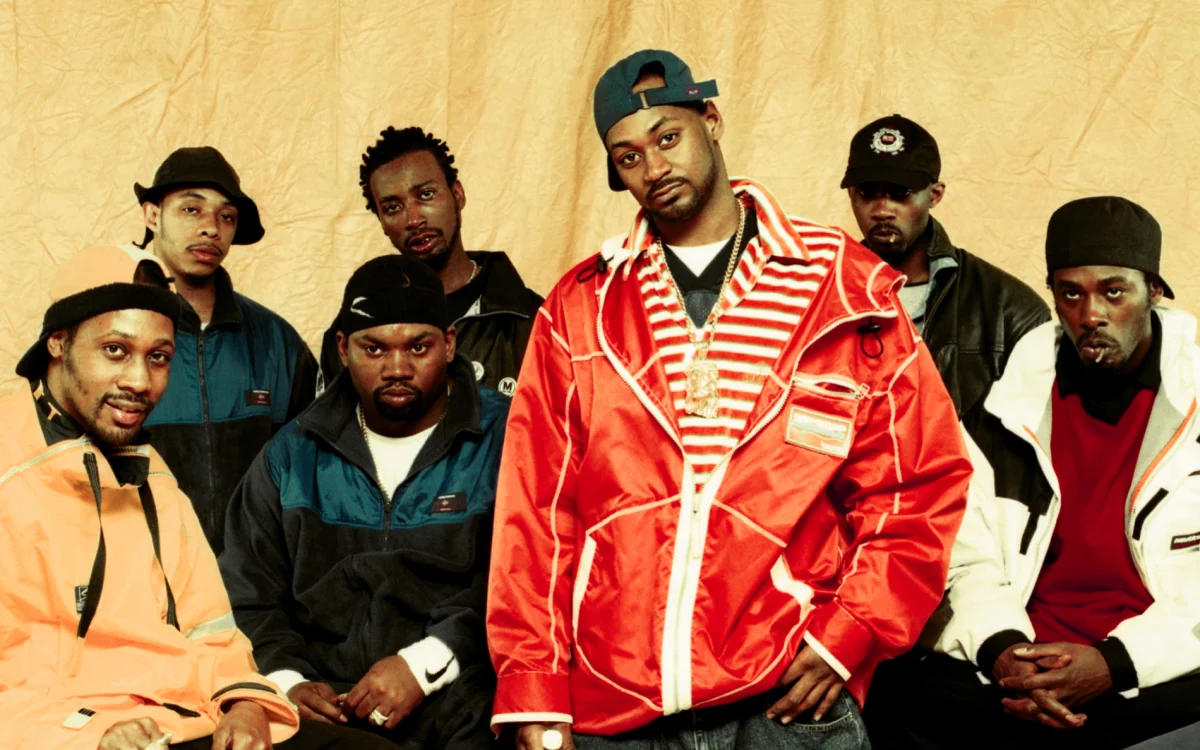
The iconic hip-hop collective Wu-Tang Clan has officially secured a coveted spot in the Rock & Roll Hall of Fame, marking a significant milestone in the genre’s continued recognition within the hallowed halls of musical history. The announcement of the Class of 2026 inductees was made on Monday, April 13, celebrating a diverse and influential group of artists. Alongside the Staten Island titans, the induction class includes legendary musicians such as Sade, Luther Vandross, the British rock band Oasis, heavy metal pioneers Iron Maiden, pop-rock icon Phil Collins, punk progenitor Billy Idol, and the seminal post-punk group Joy Division/New Order.
Further solidifying the growing presence of hip-hop within the Rock & Roll Hall of Fame, fellow rap pioneers Queen Latifah and MC Lyte will also be honored. They are set to receive the prestigious "Early Influence" award, a testament to their groundbreaking contributions to music and culture that have shaped the landscape for generations of artists. This recognition underscores the profound and lasting impact of their work, extending beyond musical innovation to encompass cultural commentary and empowerment.
The formal induction ceremony for the Class of 2026 is scheduled to take place on November 14, 2026, at the Peacock Theater in Los Angeles. This highly anticipated event will bring together a constellation of musical luminaries to celebrate the year’s honorees. For those unable to attend in person, the proceedings will be broadcast in December on ABC and made available for streaming on Disney+, ensuring a wide audience can witness this momentous occasion.
The news has been met with overwhelming enthusiasm and pride from the Wu-Tang Clan members and their dedicated fanbase. RZA, the de facto leader and architect of the Wu-Tang sound, expressed his profound emotions on social media. "In all Humility. This announcement filled me with joy, proudness, profound achievement, and awe," he wrote on Instagram, reflecting on the journey. "I’m grateful to all my brothers and those who helped us on the path. Thank you Rock & Roll Hall of Fame. This is a true Triumph – Wutang Forever." His sentiments capture the collective spirit and enduring legacy of the group.
Fellow Wu-Tang member Raekwon, known for his vivid storytelling and distinctive flow, shared his elation, stating, "History books will know this club! this my grammy. what we talking bout! haaaaaaaaaaa. shout out to all our mothers who birth these men. they won tonite." His comparison of the induction to a Grammy award highlights its immense significance within the music industry and for artists who have long fought for recognition of their craft. GZA, another pivotal member, echoed this sentiment of gratitude, acknowledging the broader community that supported their ascent. "We couldn’t have reached this milestone without our hip hop predecessors, fans, collaborators, friends and family. We thank you," he stated, emphasizing the collaborative nature of their success and the importance of community in achieving such a high honor.
A Legacy Forged in Sound and Culture
The Wu-Tang Clan’s induction is not merely an acknowledgment of their musical prowess but a recognition of their indelible impact on popular culture. Since their explosive debut in the early 1990s, the nine-member collective (initially RZA, GZA, Ol’ Dirty Bastard, Method Man, Raekwon, Ghostface Killah, Inspectah Deck, U-God, and Masta Killa, with the later addition of Cappadonna) has consistently defied conventions. Their debut album, "Enter the Wu-Tang (36 Chambers)" released in 1993, is widely regarded as a masterpiece of the genre, characterized by its raw, gritty sound, intricate lyricism, and a unique blend of martial arts philosophy and street wisdom.
The group’s innovative approach extended to their business model, famously establishing their own record label, Wu-Tang Records, and maintaining a level of creative control that was unprecedented at the time. This autonomy allowed them to cultivate individual careers while maintaining the formidable strength of the collective. Their subsequent albums, including "Wu-Tang Forever" (1997), a double-disc epic, further cemented their status as titans of hip-hop, influencing countless artists across genres.
Expanding the Hip-Hop Pantheon
The inclusion of Wu-Tang Clan, Queen Latifah, and MC Lyte in the Class of 2026 significantly bolsters the representation of hip-hop within the Rock & Roll Hall of Fame. With these additions, the total number of hip-hop acts now recognized stands at 18. This growing presence reflects a broader societal and industry acknowledgment of hip-hop’s foundational role in shaping modern music and culture.
The journey of hip-hop into the Rock & Roll Hall of Fame began in earnest in 2007 with the induction of Grandmaster Flash and the Furious Five. Since then, a distinguished lineage of hip-hop pioneers and innovators has followed. Notable inductees include Run-DMC, Beastie Boys, Public Enemy, and N.W.A., each representing crucial evolutionary steps in the genre. More recent honorees comprise JAY-Z, Eminem, 2Pac, The Notorious B.I.G., OutKast, Missy Elliott, and A Tribe Called Quest. Furthermore, artists like LL Cool J, Salt-N-Pepa, and DJ Kool Herc have received recognition through the "Early Influence" or "Musical Excellence" awards, further underscoring the genre’s deep roots and multifaceted contributions.
The Selection Process and Broader Context
The Rock & Roll Hall of Fame induction process involves a rigorous selection procedure. Nominees are considered by an international voting body comprised of more than 1,200 inductees, historians, and music industry professionals. This year’s nominations also included other highly regarded artists such as Lauryn Hill, Mariah Carey, and Shakira, who, despite their significant artistic achievements, did not garner enough votes to be inducted in this cycle. The fact that these artists were nominated highlights the competitive and esteemed nature of the Hall of Fame selection.
The Rock & Roll Hall of Fame’s mission is to "recognize and celebrate the history of rock and roll music and the legendary artists, producers, engineers and other individuals who have, in a myriad of ways, have impacted the music." While the name suggests a singular focus on rock music, the institution has increasingly broadened its scope to encompass genres that have significantly influenced and interacted with rock, including blues, R&B, soul, and, importantly, hip-hop. This expansion reflects the evolving definition of "rock and roll" itself and acknowledges the interconnectedness of musical evolution.
Implications and Future Outlook
The induction of Wu-Tang Clan into the Rock & Roll Hall of Fame serves as a powerful validation of hip-hop’s artistic merit and its enduring cultural significance. It is a testament to the genre’s ability to transcend its origins and achieve mainstream recognition at the highest levels of artistic achievement. For aspiring artists, particularly within the hip-hop community, this induction offers a profound sense of validation and inspiration. It reinforces the idea that the stories, rhythms, and messages born from urban experiences can resonate globally and earn a permanent place in the annals of music history.
The ongoing expansion of hip-hop’s presence within the Hall of Fame also signals a potential shift in how musical legacies are defined and preserved. As the genre continues to evolve and diversify, its foundational artists and landmark contributions will undoubtedly continue to be recognized. The Wu-Tang Clan’s inclusion is more than just an honor for the group; it is a celebration of an entire genre that has profoundly shaped the soundscape of the past several decades and continues to be a dominant force in contemporary music. The event in Los Angeles promises to be a historic occasion, celebrating not only the inductees but also the rich and dynamic history of popular music.
