

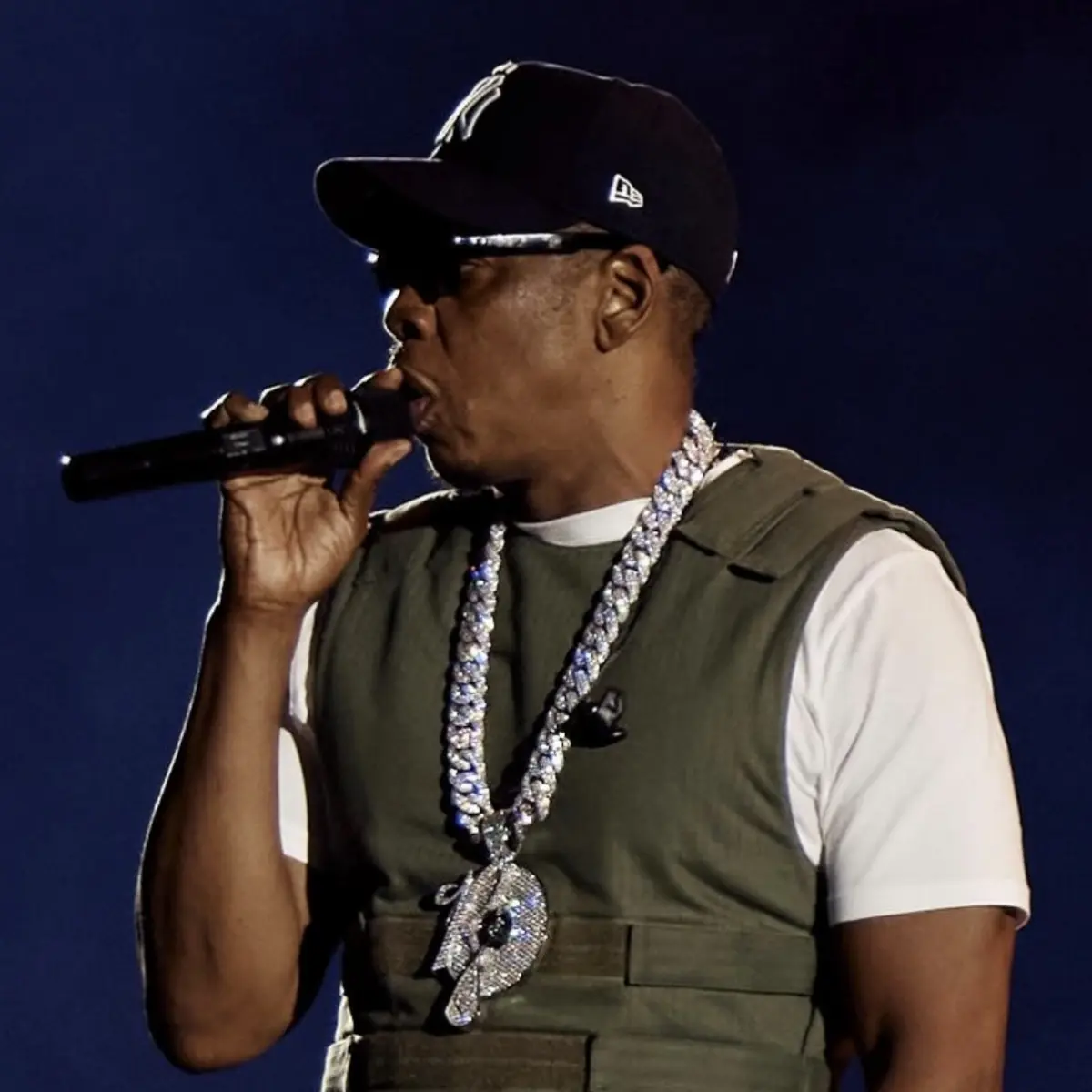
Reports have widely circulated that Shawn Carter, globally known as Jay-Z, has selected himself to headline the upcoming Super Bowl Halftime Show, a decision that, while awaiting official confirmation from the National Football League (NFL), is seen by many as the culmination of an extraordinary year-long campaign dedicated to celebrating his profound legacy in music and culture. This period has seen the iconic artist, often referred to as Jigga or Hov, embark on a meticulously curated series of performances in some of the world’s most prestigious venues, each designed to survey the vast and influential scope of his career.
The Road to the Super Bowl: A Curated Legacy Tour
The foundation for this monumental year was laid earlier, signaling a strategic focus on commemorating key milestones in his discography. The journey began in May with a commanding headlining performance at Philadelphia’s Roots Picnic, a significant event that marked his return to major stages and set the tone for the retrospective theme. This initial engagement was followed by a trio of colossal summer shows at Yankee Stadium in his home city of New York. Each of these New York performances was dedicated to specific, seminal works from his catalog: one celebrated the 30th anniversary of his groundbreaking debut album, Reasonable Doubt, a record widely considered a cornerstone of East Coast hip-hop. Another show honored the 25th anniversary of The Blueprint, an album that redefined his sound and solidified his status as a lyrical and commercial powerhouse, frequently cited as one of the greatest hip-hop albums of all time. The third Yankee Stadium night served as a comprehensive "greatest hits" showcase, traversing his extensive discography and reminding audiences of his enduring impact.
The celebratory tour then extended its reach internationally, with two highly anticipated shows in London and a singular, impactful performance in Paris, further cementing his global appeal. The focal point of the recent leg of this campaign shifted to the West Coast, where Jay-Z hosted two "JAŽ-Z 30" gigs at Inglewood’s state-of-the-art SoFi Stadium over a recent weekend. These performances, held in the venue that has itself hosted a Super Bowl, underscored the artist’s strategic intent to connect with diverse audiences across significant cultural hubs, leading up to what many believe will be the pinnacle of his year-long victory lap.
SoFi Stadium: Star-Studded Performances and Market Dynamics
The SoFi Stadium engagements were characterized by high-profile guest appearances, showcasing Jay-Z’s extensive network and influence within the music industry. Friday’s performance featured poignant moments, including his daughter, Blue Ivy Carter, joining him on stage for two songs, a recurring theme in his recent performances that highlights his personal legacy. The evening also saw appearances from Houston rap legend Scarface for two tracks, and a powerful closing with DJ Khaled and John Legend for the track "GOD DID," a collaboration that garnered significant attention upon its release.
Saturday’s concert elevated the star power considerably, reaching what attendees described as a "different wattage." The highlight of the evening was a mid-show medley featuring West Coast legends Snoop Dogg and Dr. Dre, who collectively performed five songs. This collaboration held particular historical resonance, as both Snoop Dogg and Dr. Dre are closely associated with the legacies of deceased hip-hop titans 2Pac and The Notorious B.I.G., respectively. The sight of these figures sharing a stage, decades after the intense East Coast-West Coast rivalries of the 1990s, served as a powerful symbol of unity and the enduring power of hip-hop culture. The presence of Bay Area icon Too $hort further underscored the cross-generational appeal and regional significance of the event.
However, in the days leading up to the SoFi shows, a separate narrative began to circulate on social media. Screenshots purported to be from Ticketmaster and Live Nation indicated a significant number of available seats, with prices allegedly ranging from heavily discounted to complimentary. This alleged ticketing situation fueled skepticism among some online commentators regarding Jay-Z’s current drawing power, particularly on the West Coast, and his perceived suitability for a Super Bowl Halftime Show performance. While the veracity and scope of these claims were debated, they ignited a discussion about market demand for legacy artists and the challenges of filling massive venues.
Jay-Z’s Address: Challenging Digital Narratives and AI
Responding directly to these circulating narratives, Jay-Z took the stage at the conclusion of one of the SoFi shows to deliver an impassioned address to the audience. His speech delved into themes of perception, truth, and the burgeoning influence of artificial intelligence (AI) in shaping public opinion.
"People will tell you that nobody was in here tonight, but you got eyes. You can see," he asserted, directly challenging the online claims of soft ticket sales. "People will tell you that the music wasn’t great, but you got ears. You gotta understand. You gotta question everything in this world of AI and everything. I mean, it’s been going on forever, right? We called it propaganda before. But now, with technology it’s caught up. ‘Cause people can trick — a lot of tricknology, it’s called artificial intelligence because it’s mimicking you guys. It’s mimicking us. We got real intelligence, not artificial intelligence. We feel, right? This concert tonight, we felt. When Snoop and Dre came out, we felt that shit, correct? Too $hort, Bay Area. Make sure you question everything you feel. Machines are learning you. You tell ’em your swag, you tell ’em your name, and then it mimics you. It can’t be you. It could never be you. Question everything, especially in these days and age, this day and age. Y’all feel me? Y’all feel me? Y’all feel me? They will tell you that Jigga ain’t Jigga. Hov is motherfuckin’ Hov! Peace and love, Los Angeles! I love you!"
Jay-Z’s statement, delivered with characteristic conviction, suggested a deeper concern than simply rebutting ticket sale figures. He appeared to frame the skepticism and the alleged ticket screenshots as part of a broader "propaganda" campaign, now amplified and sophisticated by advancements in AI. His use of "tricknology" harked back to an older term used to describe deceptive practices, now recontextualized for the digital age. He posited that AI, by "mimicking" human intelligence and behavior, can create and disseminate narratives that distort reality, challenging individuals to rely on their own sensory experiences and critical thinking ("you got eyes," "you got ears," "we felt that shit") rather than passively accepting online information.
The artist’s concern resonated with growing societal anxieties about the proliferation of AI-generated content, deepfakes, and the erosion of trust in digital information. His speech underscored the idea that while machines can learn and mimic, they cannot replicate the authentic "feeling" and shared experience that defines live human interaction and artistic performance.
The Broader Implications: Legacy, Live Music, and the Digital Age
Jay-Z’s reported selection for the Super Bowl Halftime Show and his subsequent address at SoFi Stadium collectively highlight several significant implications for his legacy, the live music industry, and the evolving digital landscape.
Jay-Z’s Enduring Legacy: If officially confirmed, a Super Bowl Halftime Show performance would serve as a crowning achievement for Jay-Z, solidifying his status not just as a music mogul but as a cultural institution. His partnership with the NFL through Roc Nation, which began in 2019, positioned him as a key figure in shaping the cultural narrative around the league, particularly concerning social justice initiatives and entertainment. Curating the Halftime Show, a role he has previously overseen for others, and then performing in it himself, would represent a full-circle moment, cementing his influence from behind the scenes to center stage. His year-long tour, meticulously charting his career milestones, has effectively reinforced his narrative as a self-made icon whose impact spans three decades. Reasonable Doubt and The Blueprint are not merely albums; they are cultural touchstones that have collectively sold millions of copies and garnered immense critical acclaim, shaping the sound of hip-hop and influencing countless artists. The RIAA has certified Reasonable Doubt Platinum and The Blueprint 2x Platinum, underscoring their commercial success long after their initial release. A Super Bowl performance, typically viewed by over 100 million people annually, would provide an unparalleled platform to celebrate this legacy on the grandest possible stage.
Live Event Economics and Market Dynamics: The debate surrounding the SoFi Stadium ticket sales reflects broader trends and challenges within the live music industry. While Jay-Z commands immense respect and loyalty, particularly in his home market of New York, regional demand can vary. The West Coast, a stronghold for different hip-hop aesthetics and artists, might present a unique market dynamic for an East Coast icon, even one of Jay-Z’s stature. The phenomenon of unsold seats, even for major artists, can be attributed to various factors, including high ticket prices, oversaturation of the market, or intense competition for discretionary spending. However, the weaponization of such images on social media, as Jay-Z implied, points to a new layer of complexity where perceived market weakness can be amplified and distorted, potentially impacting future tour bookings or sponsorship deals. This situation underscores the pressure on artists to not only deliver compelling performances but also to manage public perception in an era of instant, often unfiltered, online commentary.
The Age of AI and Disinformation: Jay-Z’s speech is a powerful and timely commentary on the growing challenges posed by artificial intelligence and digital disinformation. By urging his audience to "question everything" and trust their senses over potentially manipulated online narratives, he positions himself as a voice advocating for critical literacy in the digital age. His concern about "tricknology" and AI "mimicking us" speaks to the sophisticated nature of modern propaganda, where algorithms and generative AI can create convincing but false realities. This issue extends beyond concert ticket sales, touching on everything from political discourse to personal reputations. Jay-Z’s emphasis on "real intelligence" and the "felt" experience of live music highlights a crucial distinction: while AI can simulate, it cannot replicate genuine human connection and emotion. This theme resonates with broader societal discussions about authenticity, the future of truth, and the ethical implications of rapidly advancing technology.
In conclusion, Jay-Z’s reported selection to headline the Super Bowl Halftime Show is more than just an entertainment announcement; it is the capstone of a deliberate and extensive campaign to reaffirm his unparalleled legacy. His recent concert series, particularly the star-studded events at SoFi Stadium, provided a powerful demonstration of his enduring artistry and influence. Simultaneously, his impromptu address on stage ignited a crucial conversation about the challenges artists face in the digital age, confronting the spread of disinformation and the blurring lines between reality and artificially generated narratives. As the world awaits official confirmation of his Super Bowl performance, Jay-Z has already ensured that his year of celebration has sparked profound discussions about fame, authenticity, and the very nature of truth in a rapidly evolving technological landscape.
