

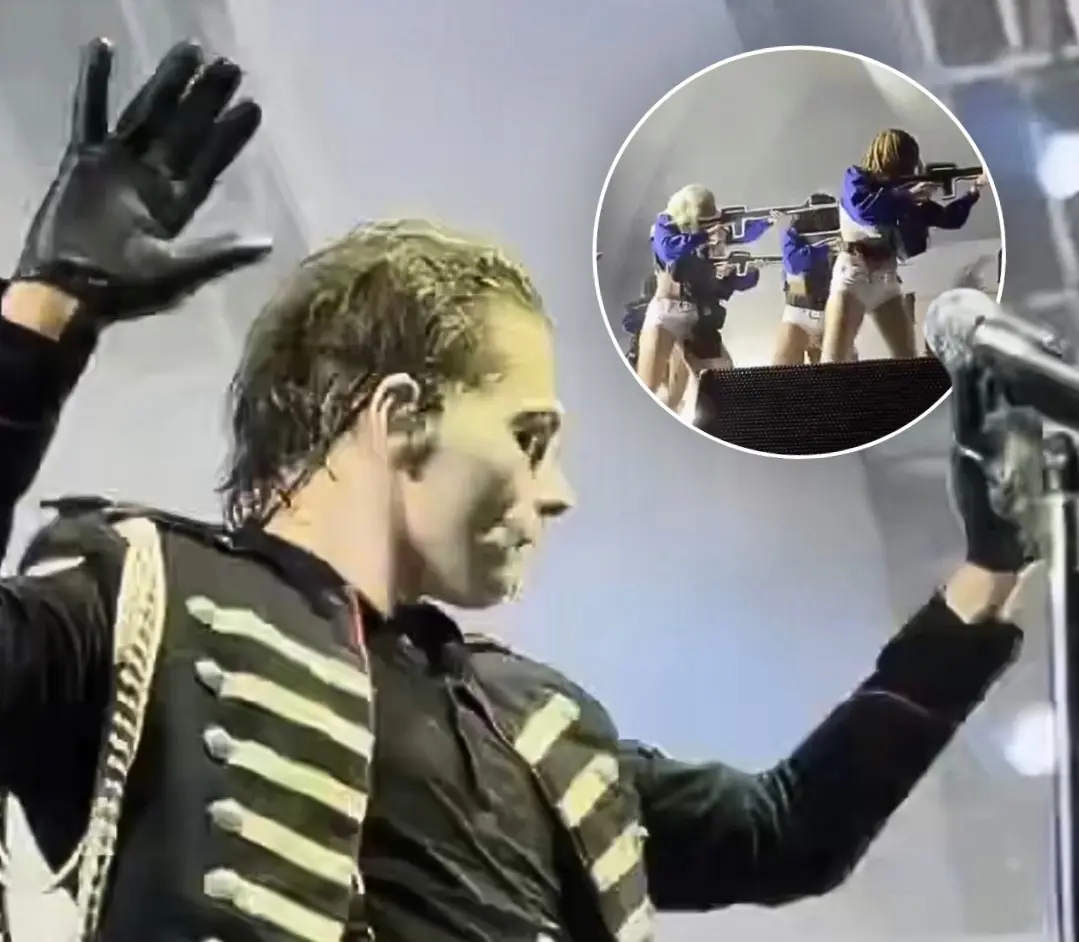
The enduring legacy of My Chemical Romance’s seminal album, The Black Parade, released exactly two decades ago, continues to reverberate, not only through its fervent fanbase but now through the halls of justice. A series of elaborate, theatrical performances commemorating the album’s 20th anniversary at the Hollywood Bowl has culminated in a high-stakes legal confrontation with Pro Silver Star Ltd., the entity responsible for safeguarding the brand image of the iconic Dallas Cowboys Cheerleaders (DCC). The dispute centers on the band’s controversial incorporation of cheerleaders in uniforms strikingly similar to the DCC’s signature attire into a violent, satirical stage narrative, leading to allegations of trademark infringement and brand tarnishment.
The Catalyst: MCR’s "The Black Parade" 20th Anniversary Spectacle
My Chemical Romance, renowned for their intricate storytelling and theatrical live shows, embarked on a special series of concerts to mark the two-decade milestone of The Black Parade. The album, a gothic rock opera exploring themes of life, death, and rebellion, holds a pivotal place in alternative music history, defining a generation and cementing the band’s status as cultural icons. Their anniversary performances at the Hollywood Bowl were anticipated to be grand spectacles, and they delivered on that promise with a complex narrative that intertwined with the album’s themes and the band’s broader fictional universe.
The controversy ignited during the band’s Hollywood Bowl performance on Wednesday, the first of two scheduled shows. As the opening notes of the track "Teenagers" filled the venue, a group of dancers emerged, clad in uniforms undeniably reminiscent of the distinctive Dallas Cowboys Cheerleaders’ attire – a white blouse with blue stars, a blue vest, and white shorts. These dancers performed a cheer routine, an unexpected element that immediately drew attention and quickly spread across social media platforms. The choice of attire and the routine itself, while seemingly incongruous with the band’s usual aesthetic, hinted at a deeper satirical intent, a characteristic often found in MCR’s work.
The theatrical intensity escalated dramatically during the subsequent song, "Disenchanted." The stage transformed into a battleground as armed soldiers, identified as members of the fictional "Draag regime" – a dystopian authoritarian force central to the band’s ongoing narrative arc for this anniversary tour – appeared, menacingly pointing their weapons at the band members. In a shocking turn of events, the cheerleaders, who moments before had been performing a seemingly innocuous routine, opened fire on the Draag forces. The scene erupted into a chaotic fusillade of simulated gunshots, with characters from both sides dramatically falling as if struck. Amidst this staged violence, frontman Gerard Way added another layer to the narrative, stealthily approaching the drum kit and "knifing" a character named "Veronika," identified as a government clerk, to death. This act followed an earlier segment in the show where Way had "shot" the "Grand Immortal Dictator" – another figure from the Draag regime – during a fictional birthday celebration.
The entire sequence was a meticulously choreographed piece of performance art, laden with political and societal commentary, characteristic of My Chemical Romance’s mature artistic output. It was designed to provoke, to engage, and to continue the intricate mythology that the band has cultivated over the years. However, its immediate impact transcended artistic interpretation, quickly drawing the ire of a powerful corporate entity.
A Brand Under Siege: The Dallas Cowboys Cheerleaders’ Legal Action
The elaborate performance, particularly the use of the distinctive cheerleaders’ uniforms in a violent context, did not go unnoticed by Pro Silver Star Ltd., the legal and business arm responsible for protecting the intellectual property of the Dallas Cowboys Cheerleaders. On Friday, just two days after the initial Hollywood Bowl spectacle, the company filed a petition for a temporary restraining order (TRO) and a temporary injunction against My Chemical Romance.
The legal filing, submitted in a Texas court, explicitly argued that the band’s performance constituted trademark infringement and dilution. Pro Silver Star Ltd. presented screenshots from various social media posts as evidence, demonstrating that numerous audience members and online commentators had mistakenly identified the dancers as actual Dallas Cowboys Cheerleaders. This misidentification, the company asserted, created a false association between the highly recognizable and meticulously managed DCC brand and the violent, satirical narrative presented by My Chemical Romance.
The core of Pro Silver Star Ltd.’s argument is that pairing its federally registered trademarks – particularly the distinctive cheerleading uniform design – with a scene depicting gun violence, simulated murder, and a politically charged narrative could severely tarnish the wholesome, family-friendly, and iconic image of the Dallas Cowboys Cheerleaders. The company contended that such an association could lead audiences, particularly those unfamiliar with My Chemical Romance’s artistic intent or fictional narratives, to believe that the real DCC had either participated in, endorsed, or approved of the controversial performance. This perceived endorsement, the company fears, could undermine decades of careful brand building and potentially damage the cheerleaders’ reputation and commercial appeal.
Further complicating matters, the legal filing also revealed that Pro Silver Star Ltd. had sent a cease-and-desist letter to My Chemical Romance on Thursday, the day after the first performance and prior to the second Hollywood Bowl show. Despite this formal demand to halt the use of the contested uniforms and imagery, My Chemical Romance allegedly refused to comply. The second Hollywood Bowl show, held on Thursday night, proceeded with the identical gunfire skit, a decision that likely solidified Pro Silver Star Ltd.’s resolve to pursue legal recourse.
The Iconic Image at Stake: DCC’s Brand Identity
The Dallas Cowboys Cheerleaders are more than just a sports entertainment squad; they are a globally recognized cultural phenomenon and a powerful brand in their own right. Since their modern inception in the early 1970s, the DCC have cultivated an image of American athleticism, glamour, and professionalism. Their distinctive uniform – the white long-sleeved blouse with star-spangled blue vest, blue shorts, and white boots – is instantly recognizable worldwide, synonymous with precision, athleticism, and a certain all-American appeal. The brand extends beyond the football field, encompassing television shows, calendars, merchandise, and appearances that consistently project a clean-cut, aspirational, and family-friendly image.
For Pro Silver Star Ltd., protecting this meticulously crafted image is paramount. The value of the DCC brand, built over decades through significant investment in marketing and public relations, is immense. Any unauthorized use of their likeness, especially in a context that deviates sharply from their established public persona, is seen as a direct threat to this brand equity. The association with a performance featuring simulated gun violence, authoritarian regimes, and staged killings runs counter to every aspect of the DCC’s carefully curated wholesome image.
Adding a human element to the brand’s concern, real Dallas Cowboys Cheerleader Kylie Dickson expressed her confusion and detachment from the incident. In a TikTok video posted on Thursday, which was later made private, Dickson stated, "It’s not us," clarifying the dancers were not actual DCC members. She described the performance as "extremely bizarre" and admitted she wasn’t familiar with My Chemical Romance. While theorizing that "it’s some sort of political stance," she openly questioned the legality of the satirical stunt, adding, "I could probably do more research on it. I don’t really have a desire to." Dickson’s reaction underscores the potential for genuine confusion and the disconnect between the artistic intent of the band and the public perception, particularly among those unfamiliar with MCR’s work. Her public statement, albeit from an individual cheerleader, likely further fueled the legal team’s concerns about potential public misattribution and brand damage.
Unpacking the Legal Battle: Trademark Infringement and Satire
The lawsuit filed by Pro Silver Star Ltd. delves into complex areas of intellectual property law, primarily focusing on trademark infringement, trademark dilution, and false association.
- Trademark Infringement: This claim centers on the unauthorized use of a registered trademark (in this case, the distinctive DCC uniform design) in a manner that is likely to cause confusion among consumers about the source, sponsorship, or affiliation of goods or services. Pro Silver Star Ltd. argues that the visual similarity of the uniforms created a likelihood of confusion, leading audiences to believe the real DCC was involved.
- Trademark Dilution: This legal concept protects famous trademarks from being weakened or "diluted" by unauthorized use, even if there is no direct confusion among consumers. Dilution can occur in two forms:
- Blurring: When the distinctiveness of a famous mark is impaired by its use on dissimilar goods or services.
- Tarnishment: When the famous mark is associated with unwholesome, unsavory, or controversial content, thereby harming its reputation. Pro Silver Star Ltd.’s argument heavily leans on tarnishment, asserting that associating the DCC uniform with violence and death tarnishes their positive image.
- False Association/Endorsement: This claim argues that the performance falsely implied that the DCC endorsed or sponsored My Chemical Romance’s show, which could mislead the public.
My Chemical Romance, on the other hand, would likely invoke defenses centered on fair use, particularly the concept of parody or satire. The band’s performance, with its clear narrative context of a dystopian regime and a rebellion, could be argued as a form of social or political commentary. Parody, under U.S. copyright and trademark law, often receives greater protection as it is considered transformative and contributes to public discourse. However, the line between protected parody and actionable infringement becomes blurred when the unauthorized use is perceived to be for commercial gain and directly harms the original brand’s commercial interests or reputation. Courts often weigh the transformative nature of the new work against the likelihood of consumer confusion and the potential for actual economic harm to the trademark owner. The degree to which the uniforms were merely a recognizable reference versus an attempt to capitalize on the DCC’s brand identity will be a key point of contention.
A temporary restraining order is an emergency measure, typically issued without a full hearing, to prevent immediate and irreparable harm. If granted, it would prohibit My Chemical Romance from using the disputed uniforms or similar imagery in future performances. A temporary injunction is a more robust preliminary order that requires a hearing and can remain in effect for a longer period while the underlying lawsuit proceeds. The filing of these motions indicates the urgency with which Pro Silver Star Ltd. views the situation and their desire for immediate cessation of the allegedly infringing activity.
A Chronology of Conflict
- October 23, 2006: My Chemical Romance releases The Black Parade.
- October 23, 2024: The Black Parade turns 20 years old.
- Wednesday, October 23, 2024: My Chemical Romance performs the first of two anniversary shows at the Hollywood Bowl. The controversial "Teenagers" cheer routine and "Disenchanted" violent skit occur. Social media posts depicting the event begin to circulate.
- Thursday, October 24, 2024: Pro Silver Star Ltd. sends a cease-and-desist letter to My Chemical Romance. Dallas Cowboys Cheerleader Kylie Dickson posts her now-private TikTok video expressing confusion and disassociation. My Chemical Romance performs the second Hollywood Bowl show, repeating the controversial skit.
- Friday, October 25, 2024: Pro Silver Star Ltd. files for a temporary restraining order and temporary injunction against My Chemical Romance, citing trademark infringement and dilution, and alleging non-compliance with the cease-and-desist letter. Notably, this also happens to be the same day the Dallas Cowboys Cheerleaders unionized, a development that appears to be coincidental and unrelated to the lawsuit.
Broader Implications: Art, Commerce, and Intellectual Property
This legal dispute highlights the increasingly complex intersection of artistic expression, corporate branding, and intellectual property rights in the digital age. Artists frequently draw upon popular culture and recognizable symbols for commentary and satire. However, when those symbols are protected trademarks belonging to powerful commercial entities, the potential for conflict is significant. The rise of social media exacerbates this, as images and videos can spread globally within minutes, often stripped of their original context, leading to widespread misinterpretation and quick escalation of disputes.
For artists like My Chemical Romance, this case could set precedents regarding the boundaries of satirical use of commercial imagery in live performances. It forces a critical examination of how far an artist can go in using recognizable cultural touchstones before infringing on established brand protections. For brands, it underscores the need for vigilance in protecting their intellectual property from dilution or tarnishment in an environment where cultural appropriation and commentary are constant.
The outcome of this lawsuit could have ramifications beyond the parties involved, influencing how other artists approach the use of branded imagery in their performances and how corporations protect their trademarks in the realm of artistic expression. It serves as a reminder that while art seeks to provoke and comment, it must often navigate a legal landscape shaped by commercial interests and the desire to preserve brand integrity.
The Road Ahead: What’s Next in the Legal Arena
With the filing of the temporary restraining order and temporary injunction, the legal process is now in motion. A court will likely schedule a hearing to consider Pro Silver Star Ltd.’s request for immediate relief. My Chemical Romance will have the opportunity to present its defense, likely arguing the transformative and satirical nature of their performance under fair use doctrines.
Should the court grant the temporary restraining order or injunction, My Chemical Romance would be legally prohibited from using the Dallas Cowboys Cheerleaders-style uniforms in any future performances or promotional materials. The larger trademark infringement and dilution lawsuit would then proceed through discovery, potential settlement negotiations, and possibly a full trial, a process that could span months or even years.
Regardless of the ultimate legal outcome, the incident has already generated significant public discourse, once again placing My Chemical Romance at the center of cultural conversation, twenty years after The Black Parade first challenged conventions. The battle between artistic expression and corporate brand protection promises to be a compelling legal and cultural saga.
