

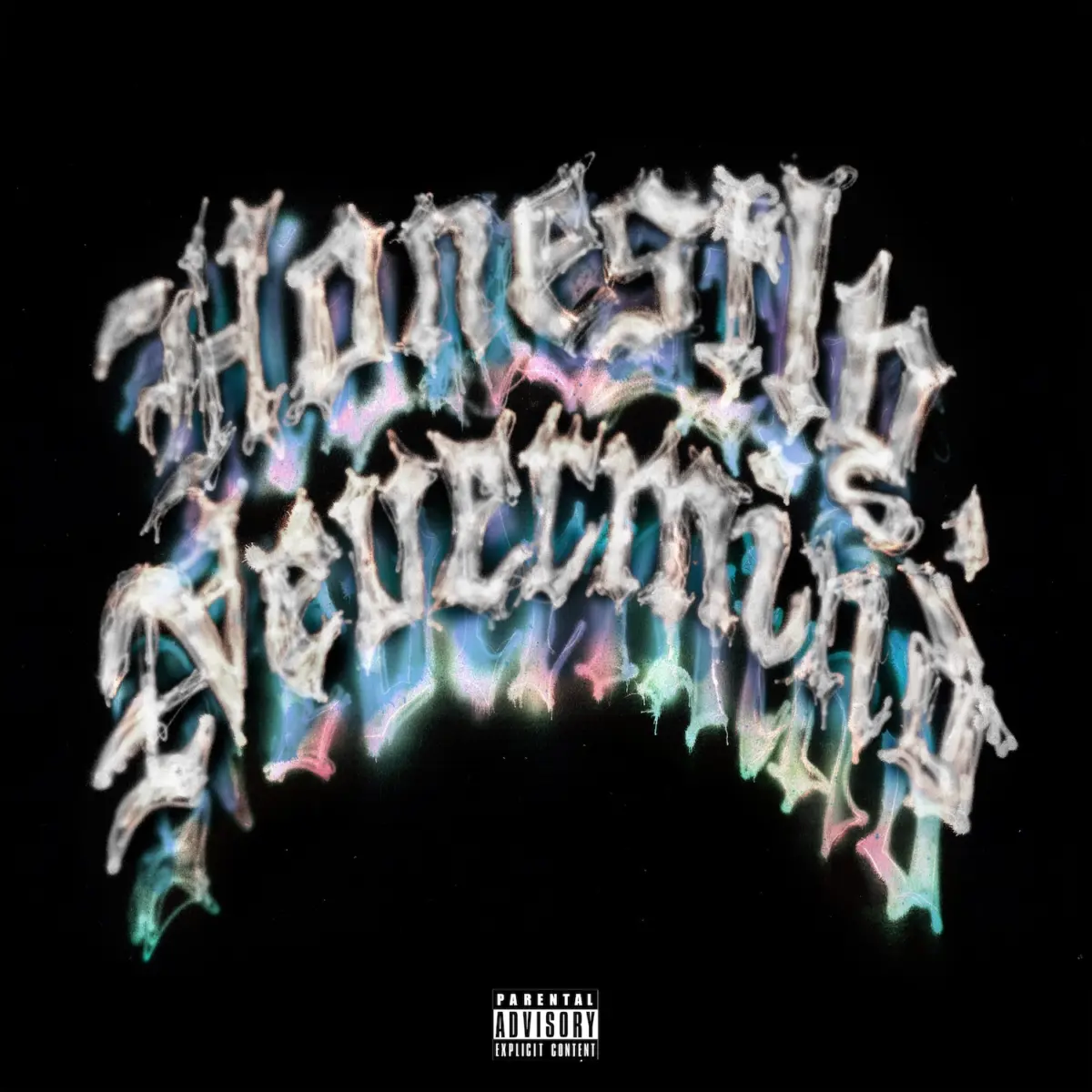
"Jimmy Cooks," the collaborative track by Canadian superstar Drake and Atlanta rapper 21 Savage, ascended to the number one position on the Billboard Hot 100 chart in July 2022, marking a significant moment in Drake’s career following the polarizing reception of his surprise album, Honestly, Nevermind. The song, released as the final track on the predominantly house and dance-oriented album, unexpectedly emerged as the project’s commercial anchor, signaling a potent reaffirmation of Drake’s established hip-hop prowess and the undeniable chemistry he shares with 21 Savage. Its success underscored an audience preference for Drake’s signature rap style, even as the artist ventured into new sonic territories.
The Honestly, Nevermind Experiment: A Genre Pivot and Its Reception
Released on June 17, 2022, with minimal prior announcement, Honestly, Nevermind represented a bold stylistic shift for Drake. Following the commercially successful but critically lukewarm Certified Lover Boy (2021), which debuted with over 613,000 album-equivalent units, Drake aimed to embrace the vibrant sounds of deep house, amapiano, and electronic dance music. This pivot was widely perceived as an attempt to craft the quintessential soundtrack for the summer of 2022, a period when global populations were re-engaging in large-scale social gatherings post-pandemic. The album featured collaborations with prominent dance music producers such as South Africa’s Black Coffee and the Maryland-via-Guatemala artist Gordo, reflecting a deliberate effort to engage with the rich history of Black dance music, a genre often stripped of its cultural context in mainstream EDM festivals.
However, the album’s reception was markedly mixed. While some critics applauded Drake’s willingness to experiment and explore new sounds, many listeners and long-time fans expressed confusion and disappointment. The prevailing sentiment was that Drake, despite the fresh musical backdrop, largely maintained his familiar lyrical themes of romantic grievances and personal introspection. This approach, delivered with what some described as a "low-energy," "numb," and "hookless" vocal style over the sleek dance beats, failed to resonate with a significant portion of his audience. The absence of his signature rapping, a cornerstone of his appeal, contributed to the perception that the album felt staid and less vibrant than anticipated. Initial sales figures, while still strong enough to secure a number one debut on the Billboard 200 albums chart, reflected this lukewarm reception. Honestly, Nevermind moved approximately 204,000 album-equivalent units in its first week, a significant decrease compared to Certified Lover Boy and other previous projects, marking it as a relative commercial underperformer by Drake’s lofty standards.
"Jimmy Cooks": The Unforeseen Commercial Success
Amidst the experimental landscape of Honestly, Nevermind, "Jimmy Cooks" stood out as a deliberate return to Drake’s established rap formula. Positioned as the final track on the album, it felt almost like a strategic "hedge" against the album’s genre pivot. The song quickly garnered attention for its aggressive rap delivery from both Drake and 21 Savage, starkly contrasting with the melodic, house-inflected tracks that preceded it. Its immediate impact was undeniable, dominating streaming platforms and digital sales, leading to its rapid ascent to the top of the Billboard Hot 100. This commercial triumph starkly highlighted the audience’s preference for Drake in his traditional rap element.
The other tracks from Honestly, Nevermind struggled to maintain significant chart presence. For instance, "Falling Back," which Drake heavily promoted with a 10-minute video depicting him marrying 23 Instagram models, debuted at #7 but quickly faded, receiving a largely negative critical assessment for its perceived lack of depth. Similarly, "Sticky," another of the few tracks featuring Drake rapping, reached #6 but did not sustain its momentum. "Jimmy Cooks" not only became the album’s biggest hit but also its most enduring and critically acknowledged track, securing a triple-platinum certification, far surpassing the album’s overall platinum status. This outcome provided a clear indication of where Drake’s core strength, and his audience’s desire, truly lay.
A Deep Dive into Production and Samples
The sonic architecture of "Jimmy Cooks" is a complex tapestry woven by multiple producers, a common characteristic of modern hip-hop hits. The track’s primary producer is Tay Keith, a Memphis-born talent who rose to prominence for his distinctive trap sound and who Drake had previously championed, notably on the Travis Scott collaboration "Sicko Mode" (2018). Tay Keith’s influence on contemporary rap production was profound, characterized by sparse yet hard-hitting beats that merged Memphis rap’s grittiness with mainstream appeal. Tragically, Tay Keith, whose real name was Brytavious Chambers, passed away in June 2024 at the age of 29 from an apparent accidental drug overdose, leaving behind a significant legacy in the genre.
Additional production credits on "Jimmy Cooks" include CuBeatz, a German twin duo known for their collaborative work with Vinylz (Anderson Hernandez), a veteran New York producer. Russian-born Teslenko Alexandrovich, professionally known as Tizzle, also contributed, along with New Jersey club producer Dougie F, who received a co-writing credit. This extensive list of contributors reflects the intricate, often global, collaborative nature of contemporary music production.
The track’s unique soundscape is also built upon two distinct samples that pay homage to different eras and genres. The intro features a chant from Playa Fly’s 1995 track "Just Awaken Shaken," invoking the raw, psychedelic menace of ’90s Memphis underground rap. This choice is significant, given Drake’s family connections to Memphis and his long-standing appreciation for the city’s foundational influence on hip-hop. The track then seamlessly transitions into a lush, opulent beat derived from a sped-up sample of "You Were Gone," an obscure 1976 slow jam by R&B veteran Brook Benton. Benton, known for his smooth baritone and hits like "The Boll Weevil Song" (1961), contributes a soulful backdrop that adds a layer of vintage sophistication to the modern trap production. The four writers of "You Were Gone"—Al Goodman, Harry Ray (from The Moments/Ray, Goodman & Brown), Sammy Lowe, and Walter Morris—also received writing credits for "Jimmy Cooks," illustrating the extensive intellectual property considerations in sample-based music.
Lyrical Craft and Cultural Commentary
The title "Jimmy Cooks" itself is a clever nod to Drake’s past. Before his global fame as a rapper, Drake portrayed Jimmy Brooks, a high school basketball star who became paralyzed after a gunshot wound, on the popular Canadian teen drama Degrassi: The Next Generation. The title serves as an acknowledgment of his pre-rap identity, a self-aware gesture that Drake has employed before, notably reuniting the Degrassi cast in his 2018 "I’m Upset" music video.
Lyrically, Drake’s verses on "Jimmy Cooks" are a return to his characteristic blend of opulent flexing, veiled threats, and commentary on romantic entanglements. He boasts about his luxurious lifestyle ("The shooting guard you’re dating can only get you seats in the middle row, but Drake can get you courtside") and his untouchable status ("Hoes say Drake’s suave, but he can’t get RICO’d"). The track also includes poignant tributes to two recently deceased figures in rap: Lil Keed, a young protégé of Young Thug, and veteran mixtape DJ Kay Slay, suggesting the song’s immediacy and its reflection of current events within the hip-hop community.
Perhaps the most discussed line from Drake’s verse was the provocative "Bitch, don’t tell me that you model if you ain’t been in Vogue." This line, perceived by many as condescending and misogynistic, drew considerable criticism for its elitism. Drake himself later acknowledged the contentious nature of the statement, humorously retracting it on "Spin Bout U," another 21 Savage collaboration released months later, stating, "I know what I said ’bout bein’ in Vogue / But just like that R&B group from the ’90s, girl, one call, I’ll get you in Vogue." This self-correction, however clunky, demonstrates Drake’s awareness of public reception and his willingness to address controversial lyrical content.
The Indispensable Role of 21 Savage
21 Savage’s contribution to "Jimmy Cooks" is widely regarded as a pivotal element in its success. The track features a dramatic beat switch, preceded by a brief, expletive-laden cameo from J. Cole, signaling Savage’s arrival. Savage’s verse immediately injects a darker, more urgent energy into the song, building on his established persona as a purveyor of "good-natured devil-may-care bloodlust."
Savage’s evolution as a rapper is evident in his "Jimmy Cooks" performance. Initially known for his menacing, half-whispered threats, he had matured into a sharper, funnier, and more versatile artist. His distinct delivery and knack for memorable punchlines are on full display. Notable lines include "Smack the backside of his head like he Bart," and "All that workin’ out, that n***a must think he a wrestler / But this ain’t UFC, this chopper came with a compressor." The most impactful line, however, directly referenced the infamous Will Smith-Chris Rock Oscars slap: "If I was Will Smith, I woulda slapped him with the stick." This hyperbolic statement, advancing a darkly comedic argument that Smith’s actions were insufficient, captured the public’s imagination and became a widely quoted moment, further solidifying Savage’s reputation for audacious, over-the-top lyrical content. His ability to craft such viscerally impactful and culturally relevant lines without necessarily advocating for actual violence is a hallmark of his unique appeal.
The Drake-21 Savage Collaborative Legacy
"Jimmy Cooks" was not the genesis of the Drake-21 Savage partnership but rather a significant milestone in their growing collaborative catalog. Their synergy was first showcased on "Sneakin’" (2016), which peaked at #28, demonstrating how Savage’s eerie delivery amplified Drake’s bravado. Subsequent collaborations, such as "Mr. Right Now" (2020) from 21 Savage and Metro Boomin’s Savage Mode II, reached #10, and "Knife Talk" (2021) from Drake’s Certified Lover Boy climbed to #4. "Knife Talk," in particular, is often cited as a precursor to "Jimmy Cooks" due to its shared inspiration from ’90s Memphis rap, even sampling a Project Pat verse.
The undeniable success and chemistry displayed on "Jimmy Cooks" directly paved the way for a full-length collaborative album, Her Loss, which Drake and Savage surprisingly announced with a single-shot "Jimmy Cooks" music video in October 2022. Despite a slight delay due to Drake’s producer Noah "40" Shebib contracting COVID-19, Her Loss was released in November 2022 to much greater critical and commercial acclaim than Honestly, Nevermind. The album debuted at #1 on the Billboard 200, and an impressive eight of its tracks landed in the Hot 100’s top 10. However, none reached the coveted #1 spot, largely due to the concurrent chart dominance of Taylor Swift’s "Anti-Hero." Drake openly expressed frustration regarding this outcome, highlighting the competitive landscape of the music industry. Nevertheless, "Rich Flex," the highest-charting single from Her Loss, peaked at #2 and achieved quintuple-platinum status, becoming a major viral hit, especially on TikTok, arguably surpassing "Jimmy Cooks" in overall cultural footprint.
21 Savage’s Solo Trajectory and Broader Impact
Beyond his collaborations with Drake, 21 Savage has carved out a robust and evolving solo career. He achieved significant success with tracks like "Runnin’" (2020), which reached #9, and featured prominently on J. Cole’s "My Life" (2021), a #2 hit. His verse on Pharrell Williams’ "Cash In Cash Out" (2022) was particularly lauded. In 2024, Savage’s album American Dream yielded the luxuriously macabre hit "Redrum," which peaked at #5.
Savage’s personal journey has also garnered significant public attention. In 2019, ICE agents arrested and detained him, revealing that he was a UK national who had been living in Atlanta since childhood and faced potential deportation. After years of legal battles, Drake famously announced Savage’s acquisition of a green card on his 2023 song "8AM In Charlotte," declaring, "Savage got a green card straight out of the consulate / Where I go, you go, brother, we Yugoslavian," a testament to their close bond and Drake’s vocal support. Drake further underscored this solidarity with a surprise appearance at Savage’s Toronto show in 2024, during a period when Drake faced public feuds with other collaborators.
While 21 Savage recently released What Happened To The Streets? (2023), a solid rap record, its lead single, "Mr. Recoup" with Drake, stalled at #51. This suggests a potential "dry spell" for mainstream street rap, though Savage’s consistent quality and dedicated fanbase ensure his continued relevance. "Jimmy Cooks" remains Savage’s sole number one hit to date, solidifying its place as a career highlight.
Conclusion: Implications for Drake’s Artistic Direction
"Jimmy Cooks" serves as a pivotal moment in Drake’s discography. It not only became a commercial juggernaut but also offered a crucial lesson in artistic direction. The track’s success demonstrated that while Drake’s willingness to experiment is commendable, his core audience and commercial strength remain deeply rooted in his established hip-hop sound. The collaborative magic with 21 Savage, cultivated over years, proved to be an invaluable asset, leading to the more critically and commercially successful Her Loss.
The song’s blend of classic samples, modern trap production, Drake’s confident swagger, and 21 Savage’s unique lyrical edge created a compelling package that resonated broadly. It underscored the enduring power of charismatic rap performances and innovative production in a rapidly evolving music landscape. While Drake continues to explore diverse sounds, "Jimmy Cooks" stands as a powerful reminder of his foundational impact on hip-hop and the consistent demand for his authentic rap voice. His career trajectory suggests that while experimentation is part of his artistic journey, a return to his rap fundamentals, particularly with a trusted collaborator like 21 Savage, often yields his most resonant and successful outcomes.
