

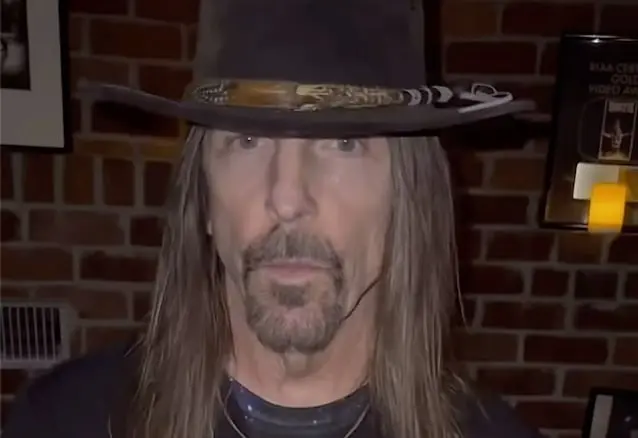
Guitarist John Christ, born John Knoll, whose distinctive and powerful guitar work defined a significant era of the band Danzig, has died at the age of 61. The news of his passing was officially announced on his social media channels on Monday, November 16, 2026, sending ripples of sadness through the rock and metal music community. A statement from his official platforms confirmed his peaceful departure on November 15, 2026, expressing gratitude for his fans and requesting privacy for his family during this profoundly difficult period. The cause of death has not been publicly disclosed.
This somber announcement follows a period of personal challenge for Christ. In September 2026, he had publicly shared on social media that he was temporarily stepping back from live performances and guitar lessons due to a "medical issue that has been kicking my butt." This revelation had raised concerns among his dedicated fanbase, who had been eagerly anticipating his return to the stage.
A Legacy Forged in Riffs: Christ’s Impact on Danzig
John Christ joined Danzig in the late 1980s, becoming an integral part of the band’s sonic identity for four full-length albums and one EP: "Danzig" (1988), "Danzig II: Lucifuge" (1990), "Danzig III: How the Gods Kill" (1992), "Danzig 4" (1994), and the EP "Thrall: Demonsweatlive" (1993). His guitar playing was characterized by a unique blend of aggression, technical proficiency, and a melodic sensibility that lent a distinctive edge to Glenn Danzig’s dark and brooding compositions. Christ’s solos were often intricate and memorable, contributing significantly to the lasting appeal of Danzig’s early catalog. His contributions are widely regarded by fans and critics alike as foundational to the band’s sound during its formative and arguably most impactful years.
The Tumultuous Departure: Contractual Disputes and Creative Differences
In a candid 2023 interview with Guitar World, John Christ shed light on the circumstances surrounding his departure from Danzig in July 1995. He revealed that the decision was largely precipitated by contentious contract negotiations, or rather, a lack thereof. Christ described a situation where he, along with bassist Eerie Von and drummer Chuck Biscuits, felt they were being systematically "squeezed out" by frontman Glenn Danzig.
"The band – Eerie Von, Chuck Biscuits and I – were in horrible contract negotiations. Actually, there were no negotiations," Christ explained in the interview. "Glenn wanted it all and was slowly squeezing us out. He had all of the support from the label and management. We had no one backing us. Glenn could afford to outspend us until we cried uncle. Royalties, publishing, advances, everything. He signed his own deal without us ever knowing about it. Welcome to the entertainment business." This stark account paints a picture of a power imbalance and a breakdown in trust that ultimately led to the dissolution of the original lineup. The financial and contractual intricacies of the music industry, as Christ detailed, often create friction and can lead to the departure of key creative forces.
Aspirations Beyond Danzig: Metallica and Ozzy
When asked about his aspirations immediately following his exit from Danzig, Christ expressed a profound desire to join some of rock’s most iconic bands. His ambition was particularly focused on replacing Kirk Hammett in Metallica. "What I really wanted was to join Metallica. I wanted Kirk Hammett’s job so badly that I could taste it," he admitted with a touch of dark humor. "It’s funny; years later, after I sobered up, I occasionally thought about how I would take Kirk Hammett out and get his job. [Laughs]."
Beyond Metallica, Christ also harbored a desire to play with Ozzy Osbourne, another titan of the heavy metal genre. These aspirations, while ultimately unfulfilled in the way he initially envisioned, underscore his high regard for his own guitar prowess and his ambition within the competitive landscape of rock music.
A Solo Path and Subsequent Challenges
After leaving Danzig, Christ’s musical journey took a more individualistic turn. He formed the band Juice 13, which, despite the described charisma of its members, did not achieve significant traction. His immediate focus then shifted to recording a solo album. This period, however, was also marked by personal struggles, including a demanding relationship that, as he described, "clouded things for me."
In 1999, Christ released his first and only solo album, "Flesh Caffeine." While it showcased his individual guitar talents, it did not achieve the widespread recognition of his work with Danzig. The album represented a significant personal undertaking, marking his independent foray into the music industry after his departure from the established band.
The Road to Recovery: A Devastating Accident and Triumphant Return
The trajectory of John Christ’s life and career was significantly impacted by a serious traffic accident in 2004. The incident left him with injuries that rendered him unable to play guitar for several years. This period of forced hiatus undoubtedly presented immense personal and professional challenges, testing his resilience and dedication to his craft.
However, Christ’s passion for music ultimately propelled him forward. He embarked on a path of recovery and rehabilitation, eventually making a triumphant return to the stage in 2009. His first live performance in nearly a decade took place in Essex, Maryland, a moment that was undoubtedly significant for him and a cause for celebration among his devoted followers who had missed his distinctive guitar contributions. This return signaled his enduring commitment to music despite the significant physical setback.
A Career Defined by Fierce Guitaristry and Unyielding Spirit
John Christ’s tenure with Danzig cemented his place as a notable figure in the landscape of heavy metal guitar. His distinctive playing style, characterized by its power, precision, and melodic undertones, provided a crucial sonic foundation for some of the band’s most enduring anthems. His later years were marked by personal challenges, including health issues and the physical toll of a serious accident, yet he demonstrated a remarkable resilience in his pursuit of music.
The news of his passing at the age of 61 marks the end of a significant chapter for many fans who were captivated by his artistry. While the circumstances surrounding his departure from Danzig and his subsequent career path were complex, his musical legacy remains undeniable. His contributions to the early Danzig albums continue to resonate, and his story serves as a reminder of the multifaceted challenges and triumphs faced by musicians in the demanding world of the entertainment industry. The impact of his guitar work will undoubtedly continue to inspire aspiring musicians and be cherished by those who have long admired his talent. His memory will be preserved through the powerful riffs and memorable solos that defined his indelible mark on heavy music.
