

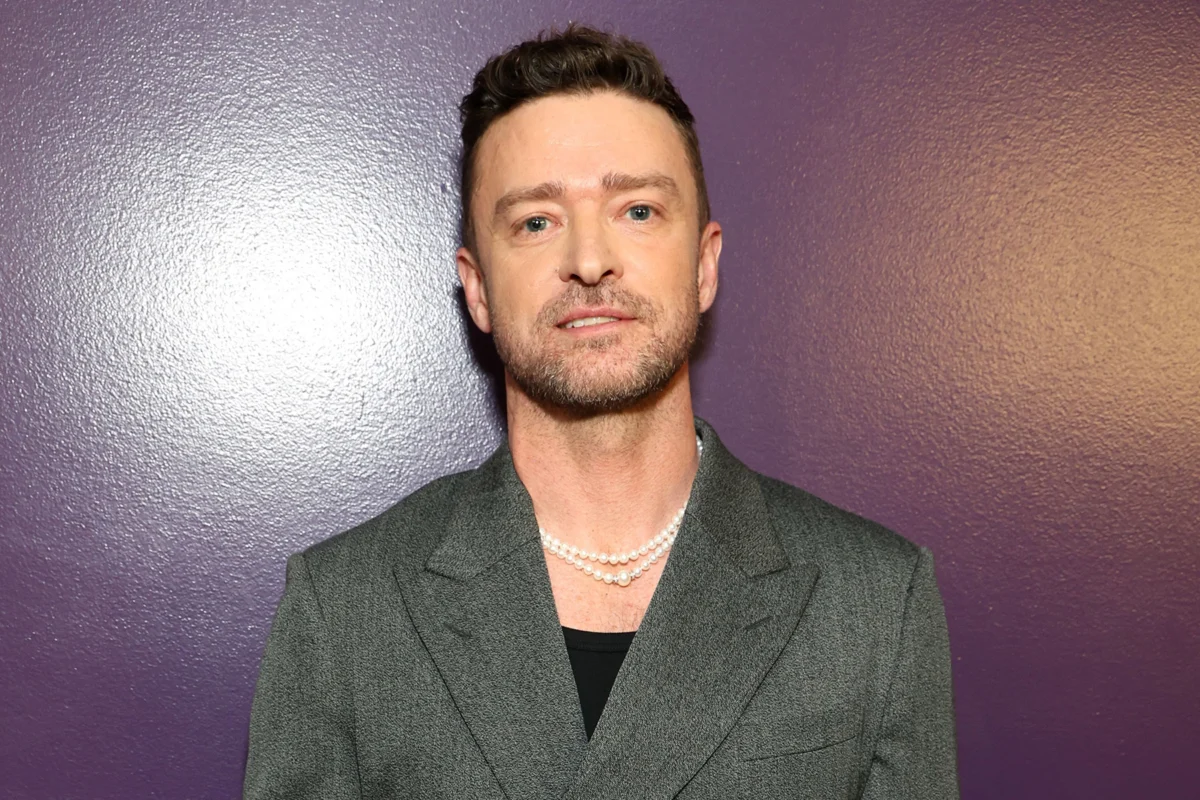
The pop superstar Justin Timberlake’s highly anticipated body camera footage from his June 2024 driving while intoxicated (DWI) arrest in Sag Harbor, New York, has been officially released to news outlets. This development follows a legal settlement reached on March 20, 2025, between the musician and local authorities, concluding a period of intense public scrutiny and legal maneuvering over the footage’s release. The video, obtained by various media organizations, provides an unvarnished look at the moments immediately following the traffic stop that led to Timberlake’s arrest, capturing his interactions with police during a series of field sobriety tests.
The Sag Harbor Incident: A Detailed Account of the Arrest
The incident that precipitated the legal battle and the eventual release of the footage occurred in the early hours of June 18, 2024, in the affluent Hamptons village of Sag Harbor. According to police reports, Timberlake was pulled over by officers from the Sag Harbor Police Department after allegedly failing to stop at a stop sign and swerving his 2025 BMW SUV. He had reportedly been at a local establishment, The American Hotel, for dinner with friends.
Upon being stopped, officers observed signs consistent with intoxication. Timberlake’s eyes were described as "bloodshot and glassy," and a strong odor of an alcoholic beverage reportedly emanated from his breath. When questioned, the Grammy-winning artist allegedly stated, "I had one martini and I was following my friends home." However, the police report indicated that he performed poorly on standardized field sobriety tests administered at the scene. He was subsequently taken into custody and charged with one count of driving while intoxicated and two summonses for traffic violations: failing to stop at a stop sign and failure to maintain his lane.
The arrest quickly became a major news story, dominating entertainment headlines and sparking widespread discussion about celebrity conduct and the serious implications of impaired driving. Timberlake was arraigned later that morning and released without bail, with a court date set for July 26, 2024. The Sag Harbor Police Department’s swift and transparent handling of the initial arrest, including the detailed public report, set the stage for the subsequent legal wrangling over the body camera footage.
The Content of the Released Body Camera Footage
The recently released body camera footage offers a candid and at times uncomfortable glimpse into the interaction between Timberlake and the Sag Harbor police officers. The redacted video, provided to news outlets that had submitted public records requests, begins with officers approaching Timberlake’s vehicle. He is heard saying, in noticeably slowed speech, "Guys, I’m just following my friends back to my house. I’m not doing anything. I’m just following my friends back to my house." This initial exchange sets a tone of apprehension and attempts to downplay the situation.
As the officers proceed with the field sobriety tests, Timberlake’s demeanor shifts from cooperative to visibly nervous and struggling. During the "walk and turn" test, where he was instructed to walk a straight line using nine heel-to-toe steps, he is heard apologizing, "Sorry, I’m a little nervous," and appears to take more steps than directed, demonstrating difficulty with balance and coordination.
A subsequent test, requiring him to lift one foot six inches off the ground and count aloud for a specified period, further illustrates his challenges. "Sorry, my heart is racing," Timberlake states, adding, "These are, like, really hard tests." The footage captures his visible discomfort and the physical effort required to attempt the exercises. Ultimately, his performance on these tests led the officers to determine probable cause for arrest, and he is seen being placed in handcuffs. The redactions in the footage primarily involve personal identifying information and sensitive details, ensuring compliance with privacy laws while still providing significant insight into the event.
The Legal Battle for Transparency: Blocking and Redaction
Prior to the footage’s release, Justin Timberlake’s legal team mounted an effort to block its public dissemination. In legal papers filed on March 2, 2025, his lawyers argued that the arrest footage depicted him in an "acutely vulnerable state" and that its release would "serve no legitimate public interest." This legal challenge was brought under the premise that the privacy interests of the individual outweighed the public’s right to access such records, particularly given the sensitive nature of the content and the potential for reputational harm.
A Long Island judge initially issued an order preventing the police from releasing the videos until a comprehensive court review could be completed. This temporary injunction underscored the complex legal balance between public transparency, often mandated by Freedom of Information laws (FOIL) in New York State, and individual privacy rights.
However, the legal landscape shifted when Timberlake’s representatives entered into a settlement agreement with the Sag Harbor police department. As part of this resolution, Timberlake agreed to the redactions of certain portions of the footage. This compromise allowed the authorities to fulfill their statutory obligations under FOIL while addressing some of the privacy concerns raised by the defense. The settlement paved the way for the footage’s release on March 20, 2025, marking the conclusion of a contentious legal standoff.

Official Responses and the Mandate of Public Information
The Village of Sag Harbor issued a statement to Billboard on March 20, 2025, expressing satisfaction with the resolution. "We are pleased that this matter has now been resolved and the village will be able to comply with its statutory obligation to release the material that is subject to disclosure," the statement read. The village emphasized its commitment to the Freedom of Information Law (FOIL) throughout the process.
The statement further elaborated on the standard procedure for such releases: "As would be true in any case involving records or video footage from our police department, such material is reviewed and redacted to address public and officer safety concerns as well as personal privacy considerations." This highlights the routine nature of body camera footage release under FOIL, while also acknowledging the necessity of carefully balancing public access with individual rights and safety protocols. The police department’s adherence to these principles ensured that while the public gained insight into the arrest, certain sensitive details remained protected.
The Aftermath: Guilty Plea and Public Service
Following his June 2024 arrest, Justin Timberlake faced the full legal process. He ultimately pleaded guilty to a lesser impaired-driving charge, a common outcome in such cases where evidence supports impairment but a full DWI conviction might be negotiated down. His sentencing included 25 hours of community service, a standard component for many first-time impaired driving offenses.
Beyond the formal legal penalties, Timberlake was also tasked with recording a public service announcement (PSA) about the dangers of drinking and driving. In this PSA, he delivered a powerful message, urging, "Even if you’ve had one drink, don’t get behind the wheel of a car." This component of his sentencing aimed to leverage his public platform to promote responsible behavior and contribute to broader public safety efforts, transforming a personal legal setback into an opportunity for advocacy. The PSA served as an early public acknowledgment of his actions and a step towards accountability, even before the bodycam footage became public.
Broader Implications: Celebrity, Transparency, and Public Accountability
The Justin Timberlake DWI case and the subsequent release of body camera footage touch upon several significant broader implications, particularly concerning celebrity accountability, public transparency, and the evolving role of digital evidence in legal proceedings.
Celebrity and Legal Scrutiny: High-profile individuals like Timberlake often face an intensified level of scrutiny when involved in legal troubles. Their actions, both on and off stage, are magnified by media attention, making their private legal battles public spectacles. This case underscores the reality that fame does not exempt individuals from legal consequences, and in many instances, it amplifies the public’s demand for transparency. The immediate and widespread coverage of Timberlake’s arrest and the subsequent interest in the bodycam footage exemplify this heightened scrutiny.
Transparency vs. Privacy: The legal dispute over the footage’s release highlights the ongoing tension between government transparency laws, such as New York’s Freedom of Information Law, and individual privacy rights. While public records laws aim to ensure government accountability and public access to information, celebrities and private citizens alike often argue for the protection of sensitive personal moments, especially those depicting vulnerability. The settlement, which involved redactions, represents a compromise in this debate, attempting to balance the public’s right to know with reasonable privacy considerations. This case could serve as a reference point for future similar disputes involving public figures.
The Power of Body Camera Footage: Body cameras have become indispensable tools for law enforcement, providing objective records of interactions between police and the public. In cases like Timberlake’s, this footage serves multiple purposes: it documents the circumstances of an arrest, can be used as evidence in court, and, when released, provides the public with a direct view of events, fostering greater trust and accountability. The visual nature of bodycam footage often holds more weight than written reports, offering undeniable evidence that can shape public opinion and legal outcomes. The immediate release by outlets like TMZ underscores the rapid dissemination and impact of such visual evidence in the digital age.
DWI Awareness and Public Health: Beyond the celebrity aspect, Timberlake’s case serves as a stark reminder of the pervasive issue of impaired driving. His public service announcement, urging people not to drive even after "one drink," reinforces a critical public health message. According to the National Highway Traffic Safety Administration (NHTSA), impaired driving remains a leading cause of traffic fatalities, with thousands of lives lost annually. Cases involving public figures, while unfortunate for the individuals, can inadvertently elevate awareness and contribute to ongoing efforts to curb impaired driving, potentially saving lives by influencing public behavior.
Impact on Public Perception: The release of the footage, despite redactions, will undoubtedly influence public perception of Justin Timberlake. While he has taken steps towards accountability through his plea and PSA, seeing the actual footage of his struggles during sobriety tests might solidify certain impressions. For a performer whose public image has largely been one of polished professionalism and charismatic stage presence, this raw, unedited glimpse into a moment of vulnerability presents a different facet. Managing this perception will be a key challenge for his public relations team moving forward, particularly as he continues his musical career and various ventures.
In conclusion, the release of Justin Timberlake’s DWI body camera footage marks a significant moment in the intersection of celebrity, law, and public transparency. It closes a chapter on a legal dispute while opening a new one for public discourse on accountability, the role of media in disseminating sensitive information, and the enduring importance of advocating against impaired driving. The Sag Harbor incident, now fully documented for public viewing, serves as a poignant reminder that even global superstars are subject to the law and the public’s right to information.
