

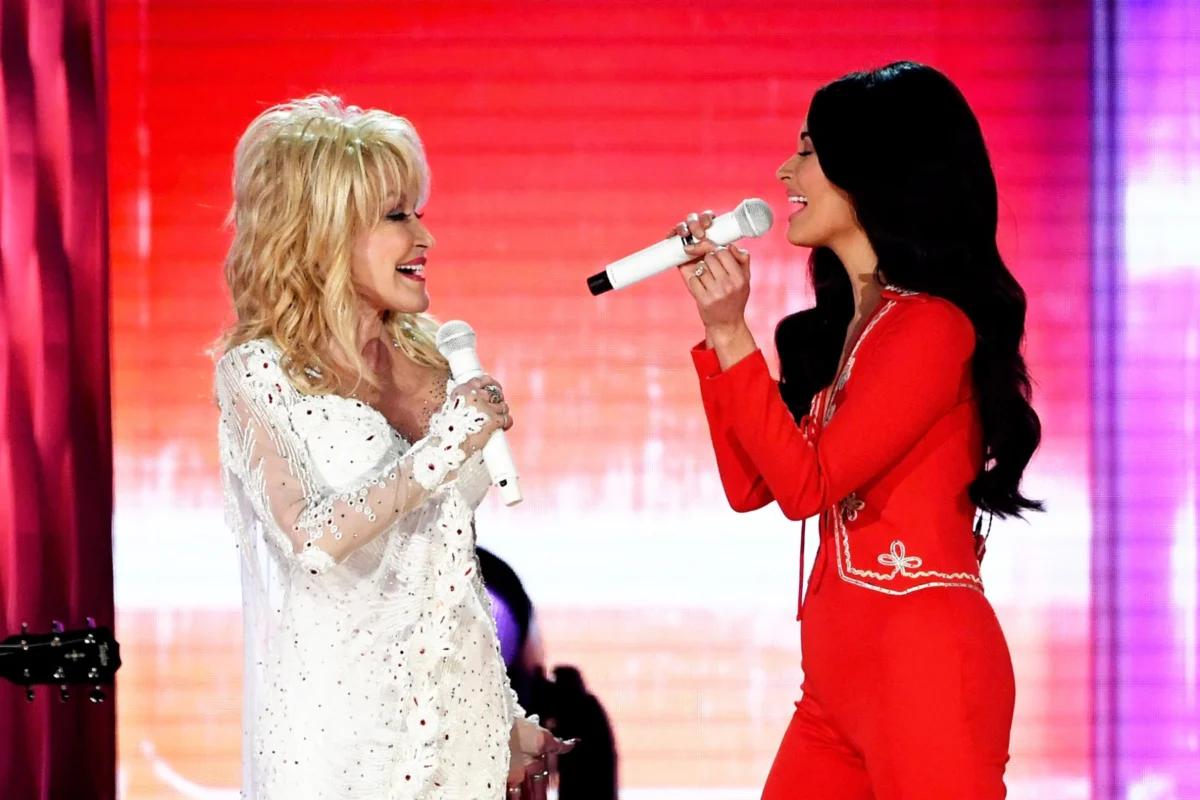
In an emotionally charged performance at Boston’s TD Garden on Friday, August 28, Kacey Musgraves dedicated a significant portion of her concert to the late country music legend Dolly Parton, who passed away on August 25 after a brief battle with cancer. Musgraves, currently on tour in support of her critically acclaimed Middle of Nowhere album, moved the audience with a poignant rendition of her Golden Hour ballad "Rainbow," followed by a powerful cover of Parton’s classic hit, "Here You Come Again." The tribute underscored Parton’s profound impact, not only as an unparalleled musical artist but also as a dedicated humanitarian.
The Boston Tribute: An Evening of Remembrance
The atmosphere inside TD Garden was palpable as Musgraves paused her set to address the somber news. She steered the conversation beyond Parton’s extensive list of Grammys and countless career accolades, emphasizing instead the indelible mark Parton left through her character and actions. "It’s what a humanitarian [she was]," Musgraves shared with the captivated crowd, her voice tinged with emotion. "Someone always looking out for someone else, looking out for the underdog, even when it probably wasn’t easy, even when it didn’t benefit her career. We can all learn a lot from someone like that." This sentiment resonated deeply, drawing a collective sigh of understanding from an audience still grappling with the loss of a beloved icon.
Musgraves continued, highlighting Parton’s pervasive influence on American culture: "She’s woven into the fabric of who we’ve always been, so it just feels extra sad. Let’s all sing this together for her memory, OK?" With that invitation, the arena transformed into a unified chorus, joining Musgraves in a sweet, heartfelt sing-along of "Rainbow," the closing track from her Grammy Award-winning 2018 album, Golden Hour. As the uplifting lyrics filled the venue – "There’s always been a rainbow hangin’ over your head" – images of Dolly Parton graced the massive screens behind Musgraves, providing a visual testament to the legend being honored. The visual backdrop, featuring Parton at various stages of her illustrious career, underscored the timeless nature of her presence and the deep connection she forged with generations of fans and artists. The performance was a moment of shared grief and communal celebration, illustrating the unifying power of music in times of loss.
Following the emotional rendition of "Rainbow," Musgraves transitioned into a powerful cover of "Here You Come Again," a fitting choice given her long-standing admiration for Parton and her history with the song. This segment of the concert served not just as a musical performance but as a collective wake, allowing both artist and audience to process their sorrow and celebrate the life of a true trailblazer.
Dolly Parton’s Unforgettable Legacy: A Humanitarian Trailblazer
Musgraves’ emphasis on Parton’s humanitarianism was not merely a sentimental reflection but a recognition of a core aspect of Parton’s public persona and private commitment. Dolly Parton was renowned not only for her unparalleled musical talent and business acumen but also for her deep-seated compassion and dedication to improving the lives of others, particularly those in need. Her philanthropic endeavors were extensive and impactful, often transcending the typical scope of celebrity charity.
Perhaps her most widely recognized initiative is the Dolly Parton’s Imagination Library, launched in 1995. This program mails free, high-quality books to children from birth until they begin school, regardless of their family’s income, in participating communities worldwide. By 2023, the Imagination Library had distributed over 200 million books, fostering a love of reading and early childhood literacy on an unprecedented scale. This initiative, deeply personal to Parton who grew up in poverty in rural Appalachia, directly reflects Musgraves’ observation of Parton "looking out for the underdog."
Beyond literacy, Parton’s Dollywood Foundation has been a beacon of support for education, conservation, and community development in her native East Tennessee. After devastating wildfires swept through the Great Smoky Mountains in 2016, Parton established the "My People Fund," providing direct financial assistance to hundreds of families who lost their homes. Her swift and generous response was a testament to her unwavering commitment to her community, demonstrating a leader who steps up when it’s most difficult.
More recently, during the global COVID-19 pandemic, Parton famously donated $1 million to Vanderbilt University Medical Center, which played a crucial role in the development of Moderna’s highly effective vaccine. Her contribution was a direct investment in public health, a move that undoubtedly benefited countless individuals globally and exemplified her willingness to support causes that truly serve the greater good, even when such actions might be seen as politically charged by some. These efforts collectively paint a picture of an artist whose altruism was as expansive and genuine as her artistic output, proving that her impact extended far beyond the stage and recording studio.
A Chronology of Loss: The Passing of a Country Music Titan
The news of Dolly Parton’s passing on August 25 sent shockwaves across the globe. The official announcement stated she succumbed after a brief battle with cancer, leaving millions mourning the loss of an artist whose influence was as vast as her smile. Immediately, tributes began pouring in from every corner of the music industry and beyond. Fellow artists, from country icons to pop superstars, actors, politicians, and everyday fans, took to social media and various platforms to express their grief and share personal anecdotes about Parton’s kindness, wit, and talent.
The consensus was clear: Dolly Parton was more than just a singer; she was a cultural phenomenon, a beacon of authenticity, resilience, and joy. Her ability to bridge divides, charm diverse audiences, and remain steadfast in her convictions made her a universally admired figure. The days following her death saw a global outpouring of remembrance, with media outlets dedicating extensive coverage to her life story, her groundbreaking career, and her profound philanthropic work. Memorials, radio dedications, and impromptu tributes like Musgraves’ Boston performance became common, each serving as a testament to the unparalleled space Parton occupied in the hearts of people worldwide. Kacey Musgraves’ heartfelt dedication in Boston thus became one of many poignant moments in a collective mourning period, echoing the sentiments felt by millions who recognized Parton’s irreplaceable contribution to the world.
"Here You Come Again": A Timeless Hit and Personal Connection

Kacey Musgraves’ decision to perform "Here You Come Again" was particularly meaningful, reflecting not only the song’s historical significance but also Musgraves’ personal and professional ties to it. Released in 1977 as the title track from Parton’s 19th studio album, "Here You Come Again" marked a pivotal moment in Dolly’s career. It was her earliest and most successful pop crossover hit, demonstrating her ability to appeal to a broader audience beyond her country roots. The song soared to No. 3 on the prestigious Billboard Hot 100 chart in 1978, a remarkable achievement that solidified her status as a mainstream star. Only two other Dolly Parton recordings would ever surpass this success on the all-genre ranking: her iconic 1980 anthem "9 to 5" and her timeless 1983 duet with Kenny Rogers, "Islands in the Stream," both of which became Hot 100 No. 1s.
While Parton was a prolific and celebrated songwriter, "Here You Come Again" was notably penned by the acclaimed songwriting duo Barry Mann and Cynthia Weil. This fact highlights Parton’s artistic intelligence; while she wrote many of her own classics, she was also discerning enough to recognize and record great material from other writers, demonstrating a commitment to the song itself over ego.
Musgraves’ connection to "Here You Come Again" runs deep and spans several years. Her 2019 Grammy Awards performance saw her share the stage with Parton herself, performing a medley of Parton’s hits that included this very song. Later that same year, at the MusiCares Person of the Year gala, Musgraves again honored Parton, this time delivering "Here You Come Again" in a memorable duet with pop superstar Katy Perry, reprising an earlier collaboration from their CMT Crossroads performance. Furthermore, a solo cover of "Here You Come Again" has been a staple in Musgraves’ concert setlists dating back as far as 2014, showcasing a consistent reverence for Parton’s work and a deep appreciation for the song’s enduring charm. This history underscores that Musgraves’ tribute was not merely a spontaneous reaction to Parton’s passing but a continuation of a long-held artistic dialogue and admiration.
"Rainbow": A Symbol of Hope and Resilience
The inclusion of "Rainbow" in Musgraves’ tribute set was a powerful and symbolic choice. The song, the closing track from her 2018 Grammy Award-winning album Golden Hour, is celebrated for its message of hope, resilience, and finding light amidst darkness. Golden Hour itself was a landmark album for Musgraves, earning her four Grammy Awards, including Album of the Year, and solidifying her status as a critically acclaimed artist pushing the boundaries of country music.
Lyrically, "Rainbow" offers solace and reassurance, reminding listeners that even in the toughest times, a brighter future is always within reach. Its message — "There’s always been a rainbow hangin’ over your head" — speaks to the inherent optimism and unwavering spirit that Dolly Parton herself embodied throughout her life. Parton’s career was marked by overcoming adversity, from her humble beginnings in the Smoky Mountains to navigating the male-dominated music industry, always maintaining an outlook of positivity and strength. By choosing "Rainbow," Musgraves not only paid homage to Parton’s artistic legacy but also evoked the enduring spirit of hope and resilience that Parton championed, transforming a moment of grief into one of collective comfort and inspiration. The song served as a gentle reminder that while a bright light had dimmed, the legacy of hope and kindness Parton left behind would continue to shine.
Kacey Musgraves on Dolly Parton: A Protégé’s Admiration
Kacey Musgraves has consistently expressed profound admiration for Dolly Parton, viewing her as both a mentor and an unparalleled artistic influence. Her sentiments, particularly those shared in a red carpet interview at the 2019 Grammys, paint a vivid picture of Parton’s multifaceted brilliance. "She’s an earth angel," Musgraves declared, her voice filled with genuine respect. "She really is. She’s so cool. She’s so present. What I like about her is she has a keen attention to detail, and that’s obviously why she’s had such a long, amazing career."
Musgraves further elaborated on Parton’s unique ability to command her career with unapologetic authenticity: "She really cares about those things, she can put her stamp on things without apology." This aspect of Parton’s character — her fierce independence and unwavering self-belief — has undoubtedly resonated with Musgraves, an artist known for charting her own course in the music industry.
The interview continued with Musgraves acknowledging Parton’s pioneering role: "She paved the way for a lot of us, especially in country music. We wouldn’t really be able to do what we do without her." This statement underscores Parton’s foundational impact on female artists, breaking barriers and setting new standards for what a woman in country music could achieve. Musgraves concluded by celebrating Parton as a complete artist: "She’s the first who had all of it together. The sex appeal, the brains, the humor, the songwriting, the outfits, the hair." This comprehensive praise highlights Parton’s mastery of every aspect of her artistry and brand, a blueprint for success and authenticity that has inspired countless musicians, including Musgraves, to embrace their full creative potential. Musgraves herself, with her distinctive style, sharp songwriting, and independent spirit, embodies many of the qualities she so admires in Parton, demonstrating a clear lineage of influence within country music.
The Enduring Impact on Country Music and Beyond
Dolly Parton’s passing leaves an immeasurable void, but her legacy will undoubtedly continue to shape country music and the broader cultural landscape for generations to come. Her unparalleled career, spanning over six decades, saw her achieve success in every facet of entertainment: as a singer, songwriter, actress, businesswoman, and philanthropist. She transcended genre, appealing to audiences from all walks of life with her universal themes of love, loss, perseverance, and joy. Her ability to maintain her authentic self while achieving global superstardom made her a unique and beloved figure.
Parton’s impact on country music, in particular, is monumental. She not only produced an astounding catalog of hits but also championed female artists, pushed creative boundaries, and fearlessly navigated the commercial aspects of the industry while staying true to her roots. Her influence is evident in the work of countless artists, including Kacey Musgraves, who carry forward her spirit of independent artistry and heartfelt storytelling. The tributes pouring in from around the world are not just expressions of grief but celebrations of a life lived with extraordinary purpose and generosity. As artists like Musgraves continue to honor her memory through their performances and their own humanitarian efforts, Dolly Parton’s "coat of many colors" — representing her diverse talents, her inclusive spirit, and her profound kindness — will remain woven into the fabric of American culture, ensuring her place as an immortal icon.
Conclusion
Kacey Musgraves’ poignant tribute in Boston served as a powerful reminder of Dolly Parton’s enduring influence, extending far beyond her musical achievements to her profound humanitarian spirit. By dedicating "Rainbow" and "Here You Come Again" to the late icon, Musgraves not only honored a mentor but also articulated the collective grief and admiration felt by millions. The emotional resonance of the performance, underscored by Parton’s humanitarian legacy and Musgraves’ long-standing appreciation, solidified a moment of shared remembrance. As the music world continues to mourn the loss of Dolly Parton, tributes like these ensure that her "earth angel" presence and her unwavering commitment to looking out for the underdog will continue to inspire.
