

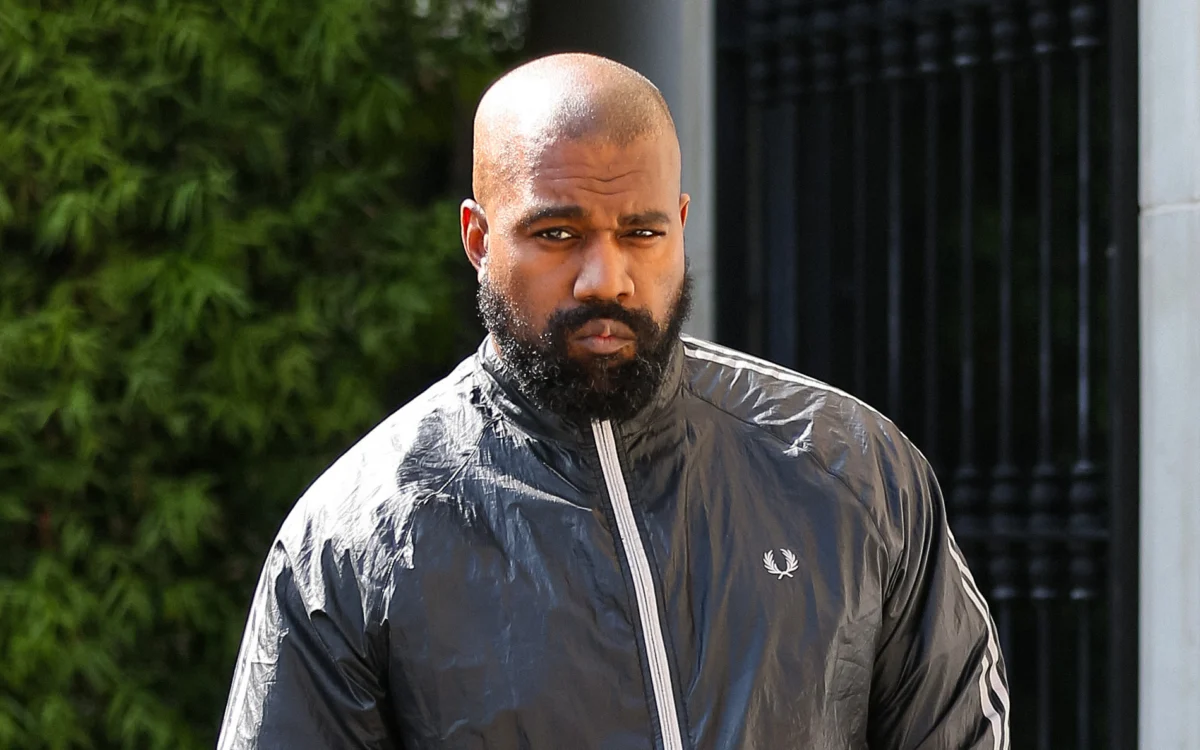
Wireless Festival has been canceled after its headliner, Kanye West, was denied entry into the UK. The London-based rap and R&B festival announced in a statement on Tuesday (April 7) that due to the Home Office banning Ye from entering the United Kingdom, the festival has been forced to cancel. All ticket holders will receive an automatic full refund. This abrupt cancellation follows a period of intense scrutiny and mounting pressure from a coalition of influential entities, including major corporate sponsors, prominent campaign groups, and even high-ranking political figures within the UK, all of whom expressed strong opposition to the festival’s decision to feature the controversial artist as its sole headliner. The widespread dissent stemmed directly from West’s repeated antisemitic and pro-Nazi remarks that have surfaced in recent years, creating a significant public relations crisis for the event organizers.
Escalating Opposition and Sponsor Withdrawals
The decision to ban Kanye West from entering the United Kingdom marked a significant escalation in the fallout surrounding his planned headlining performance at Wireless Festival. In the days leading up to the cancellation, a substantial number of key sponsors publicly withdrew their support for the festival. Brands such as Pepsi, PayPal, and Diageo, all of whom had significant financial stakes in the event, cited the controversy surrounding West’s public statements as the primary reason for their withdrawal. This exodus of corporate backing created an untenable situation for the festival organizers, highlighting the severe financial and reputational risks associated with associating with the artist.
The political landscape also reflected the growing unease. Prime Minister Sir Keir Starmer publicly voiced his disapproval, describing the booking as "deeply concerning." This statement from the nation’s leader underscored the gravity of the situation and the potential for the controversy to spill over into broader public discourse and political debate. The confluence of commercial pressure and political condemnation created a powerful force pushing towards a resolution, ultimately leading to the Home Office’s decisive action.
Home Office Decision and Justification
According to reports from the BBC, Kanye West submitted an application for an Electronic Travel Authorisation (ETA) to enter the UK on Monday, April 6. The Home Office, responsible for immigration and border control, reviewed his application and subsequently rejected it. The official grounds for refusal were stated as the artist’s presence in the country not being "conducive to the public good." This legalistic phrasing implies that authorities assessed the potential negative impact of West’s entry on public order, national sentiment, or community relations, particularly in light of his widely publicized controversial statements. The Home Office’s decision effectively barred West from entering the UK, directly precipitating the cancellation of the Wireless Festival.
Kanye West’s Response and Offer of Dialogue
In a notable development earlier on the day of the festival’s cancellation, Kanye West released a statement attempting to address the escalating backlash. In his remarks, West expressed a desire to present his performance as a "show of change" and aimed to "bring unity, peace and love through my music." This statement appeared to be an effort to mitigate the damage caused by his previous remarks and to reframe his intentions for the festival appearance.
Furthermore, West extended an offer to engage directly with members of the Jewish community in the UK. He proposed meeting with them "in person, to listen." This conciliatory gesture was an attempt to open a channel for dialogue and understanding, acknowledging the hurt and offense caused by his antisemitic comments.
Reaction from the Jewish Community and Festival Management
The Board of Deputies of British Jews responded to West’s statement with a measured approach. While expressing a willingness to meet with the artist as part of his "journey of healing," they stipulated a crucial condition: that such a meeting would only occur "after he agrees not to play the Wireless Festival this year." This response indicated a recognition of the potential for dialogue but also a firm stance on the immediate need for West to withdraw from the event to demonstrate a genuine commitment to addressing the harm caused.
Prior to the UK ban and the festival’s cancellation, the managing director of Festival Republic, Melvin Benn, the company responsible for organizing Wireless Festival, had publicly defended the decision to book Kanye West. Benn acknowledged the abhorrent nature of West’s past statements regarding Jews and Hitler. However, he argued that West’s music is widely available and consumed in the UK through commercial radio, live streams, and downloads, without significant public outcry or condemnation. Benn asserted that West possessed a legal right to enter and perform in the country.
Benn articulated his position by stating that the festival was not providing a platform for West to express his opinions but rather to perform his music, which is already a part of the national cultural landscape and enjoyed by millions. He further appealed for a sense of forgiveness and the opportunity for second chances, suggesting that in an increasingly divisive world, these virtues were becoming rare. Benn expressed his personal decision to offer hope and forgiveness to West, urging others to reflect on their immediate reactions of disgust.
Timeline of Events Leading to Cancellation
The sequence of events leading to the cancellation of Wireless Festival and Kanye West’s ban from the UK can be broadly outlined as follows:
- Recent Past: Kanye West makes a series of antisemitic and pro-Nazi statements, sparking widespread condemnation and controversy.
- Weeks/Days Prior to April 7: Wireless Festival announces Kanye West as its sole headliner for the upcoming event, scheduled for July 10, 11, and 12. This announcement immediately ignites significant public backlash.
- Days Leading Up to April 7: Major sponsors, including Pepsi, PayPal, and Diageo, announce their withdrawal from sponsoring Wireless Festival due to the controversy surrounding West’s booking. Political figures, including Prime Minister Sir Keir Starmer, express concern.
- April 6 (Monday): Kanye West submits an application for an Electronic Travel Authorisation (ETA) to enter the United Kingdom.
- April 7 (Tuesday) – Morning: Kanye West issues a statement addressing the backlash, expressing a desire for change and unity through his music, and offering to meet with members of the Jewish community.
- April 7 (Tuesday) – Morning/Afternoon: The Board of Deputies of British Jews responds, stating willingness to meet West contingent on his withdrawal from Wireless Festival.
- April 7 (Tuesday) – Afternoon: The Home Office rejects Kanye West’s ETA application, citing that his presence would not be conducive to the public good.
- April 7 (Tuesday) – Evening: Wireless Festival announces its cancellation due to Kanye West being denied entry into the UK, promising full refunds to ticket holders.
Broader Implications and Precedents
The ban of Kanye West from the UK and the subsequent cancellation of Wireless Festival carry significant implications for the music industry, the organization of major public events, and the discourse surrounding artists with controversial public personas. The decision by the Home Office sets a precedent for government intervention in cases where an individual’s presence is deemed detrimental to public interest, particularly when that individual has engaged in hate speech or incited social discord.
For festival organizers, this event underscores the increased scrutiny they face when booking headliners with a history of inflammatory remarks. The financial and reputational risks associated with such decisions are now demonstrably high, potentially leading to more cautious booking practices in the future. The incident also highlights the power of collective action by sponsors and advocacy groups in influencing the outcomes of major cultural events.
On a broader societal level, the controversy surrounding Kanye West’s proposed performance and subsequent ban fuels ongoing debates about artistic freedom versus social responsibility. It raises questions about where the line should be drawn between allowing artists to express themselves and protecting vulnerable communities from hate speech and discrimination. The incident serves as a case study in the complex interplay between celebrity, public opinion, corporate interests, and governmental policy in the contemporary cultural landscape.
While Kanye West was denied entry into the UK, his recent activities in the United States provide a contrasting backdrop. He recently performed two sold-out shows at Los Angeles’ SoFi Stadium in support of his new album Bully. These concerts featured notable guest appearances from artists such as Lauryn Hill, Travis Scott, and Don Toliver, indicating that his ability to perform domestically has not been similarly curtailed. This disparity in treatment between the UK and the US further emphasizes the specific considerations and legal frameworks that informed the Home Office’s decision. The cancellation of Wireless Festival, however, represents a significant disruption for thousands of ticket holders and a stark reminder of the far-reaching consequences of public figures’ actions and statements.
