

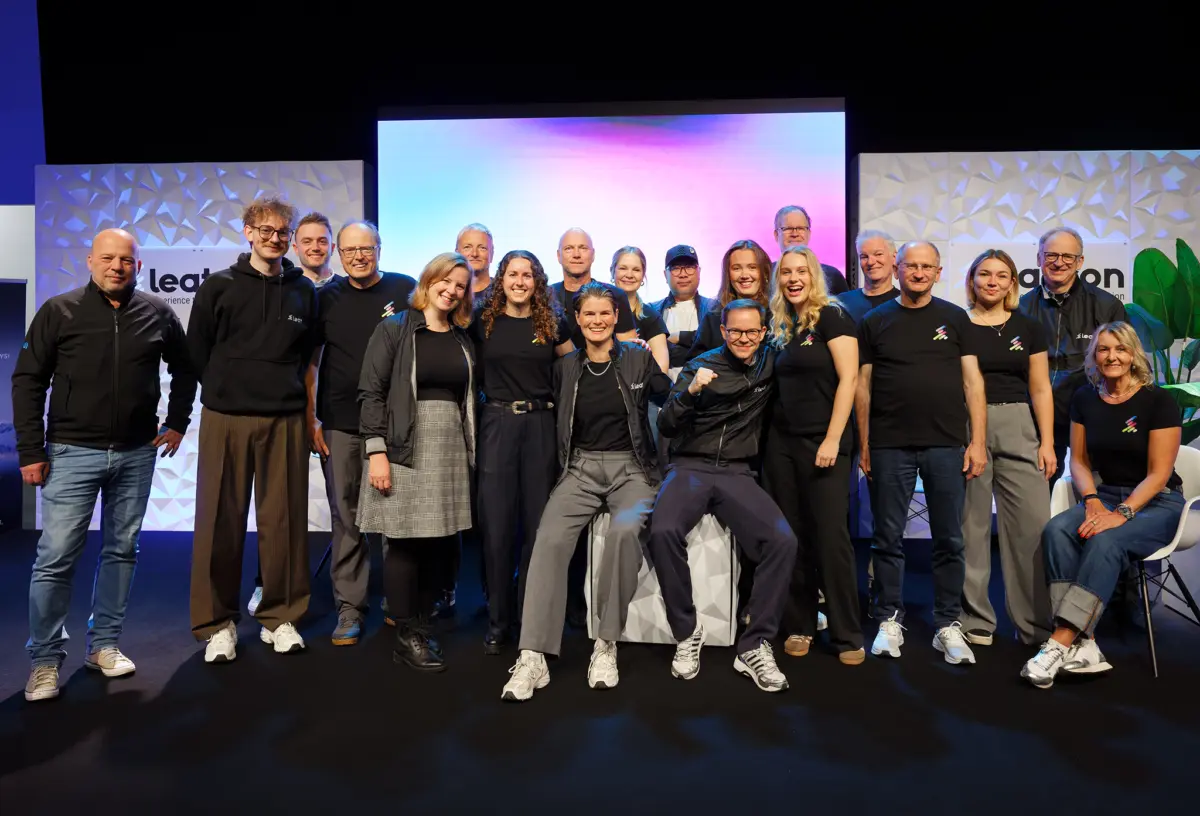
The landscape of the European experience technology industry reached a significant milestone this autumn as LEAT Con 26 concluded its most ambitious edition to date, drawing over 11,700 professionals to the Hamburg Messe from October 6 to 8, 2026. Over the course of three intensive days, the convention transformed three major exhibition halls—A1, A2, and A4—into a pulsating hub for innovation, knowledge transfer, and strategic networking. With a program featuring more than 250 individual sessions and five specialized thematic hubs, the event solidified its reputation as the premier networking convention for the live entertainment, installation, and broadcast sectors. The success of the 2026 edition reflects a broader trend within the industry: the increasing convergence of previously distinct technical disciplines into a unified experience technology ecosystem.
A Strategic Expansion in Scale and Scope
Since its inception, LEAT Con has aimed to bridge the gaps between various technical trades. The 2026 iteration realized this vision on a scale never before seen. By expanding its footprint to three halls, the organizers provided a dedicated platform for five core areas: live tech, install, stage tech, broadcast, and communicate. This structural decision allowed for a more nuanced exploration of how these fields overlap. For example, the "broadcast" and "live tech" sectors are increasingly sharing technologies, particularly in the realm of IP-based signal distribution and virtual production.
Marcel Courth, Managing Director of LEAT at Ebner Media Group, noted that while the event grew in physical size and diversity, it managed to retain the intimate, community-focused atmosphere that has defined it since its debut. According to Courth, the feedback from both exhibitors and visitors emphasized that the "cross-trade exchange" was the most valuable aspect of the event. The ability for a theater technician to discuss workflow efficiencies with a broadcast engineer or for a corporate AV integrator to learn from a concert lighting designer created a unique environment for lateral thinking and innovation.
Chronology of the Convention: Three Days of Innovation
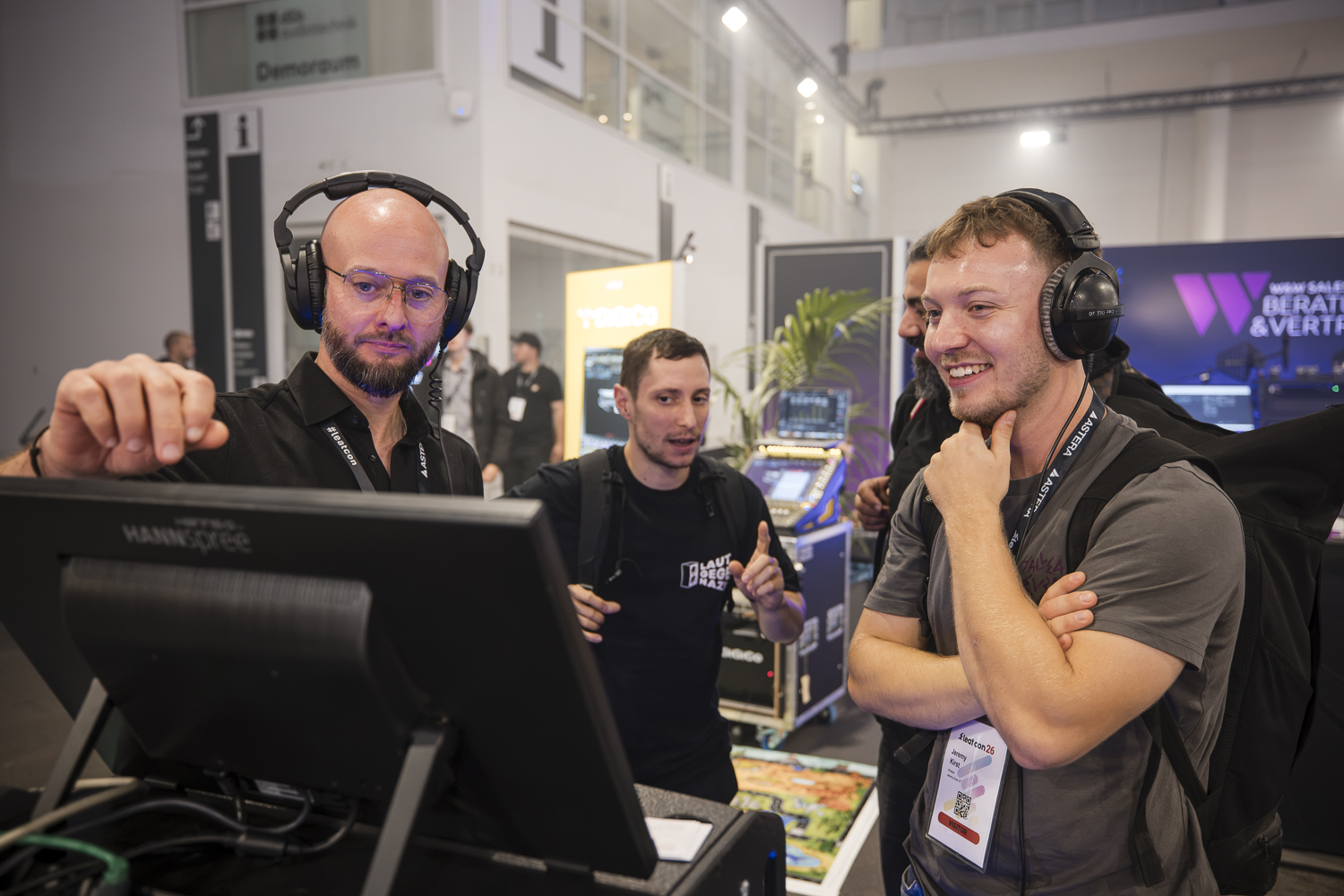
The event opened on October 6 with a focus on the foundational technologies of the "live tech" and "stage tech" sectors. Early attendees were greeted by an expansive array of demorooms where the latest audio and lighting systems could be experienced in simulated real-world environments. The first day also saw the launch of the inaugural "neo summit," a high-level conference embedded within LEAT Con that focused exclusively on the future of Artificial Intelligence in the event industry.
Day two, October 7, shifted the focus toward integration and communication. The "install" and "communicate" hubs were particularly active, showcasing how modern corporate environments and public spaces are utilizing experience technology to foster better engagement. This day also hosted the "Networking Night in der Karoline," a celebratory event marking the fifth anniversary of the LEAT brand. This social milestone served as a reminder of the event’s rapid growth from a niche gathering to a cornerstone of the European tech calendar.
The final day, October 8, was characterized by deep-dive masterclasses and specialized workshops. These sessions addressed the "big questions" facing the industry, such as the transition to sustainable production practices, the ongoing labor shortage in technical trades, and the ethical implications of AI-driven content creation. By the time the doors closed on Thursday evening, it was clear that the event had exceeded expectations in terms of both quantity of attendees and quality of engagement.
The neo summit 26: A Deep Dive into the AI Revolution
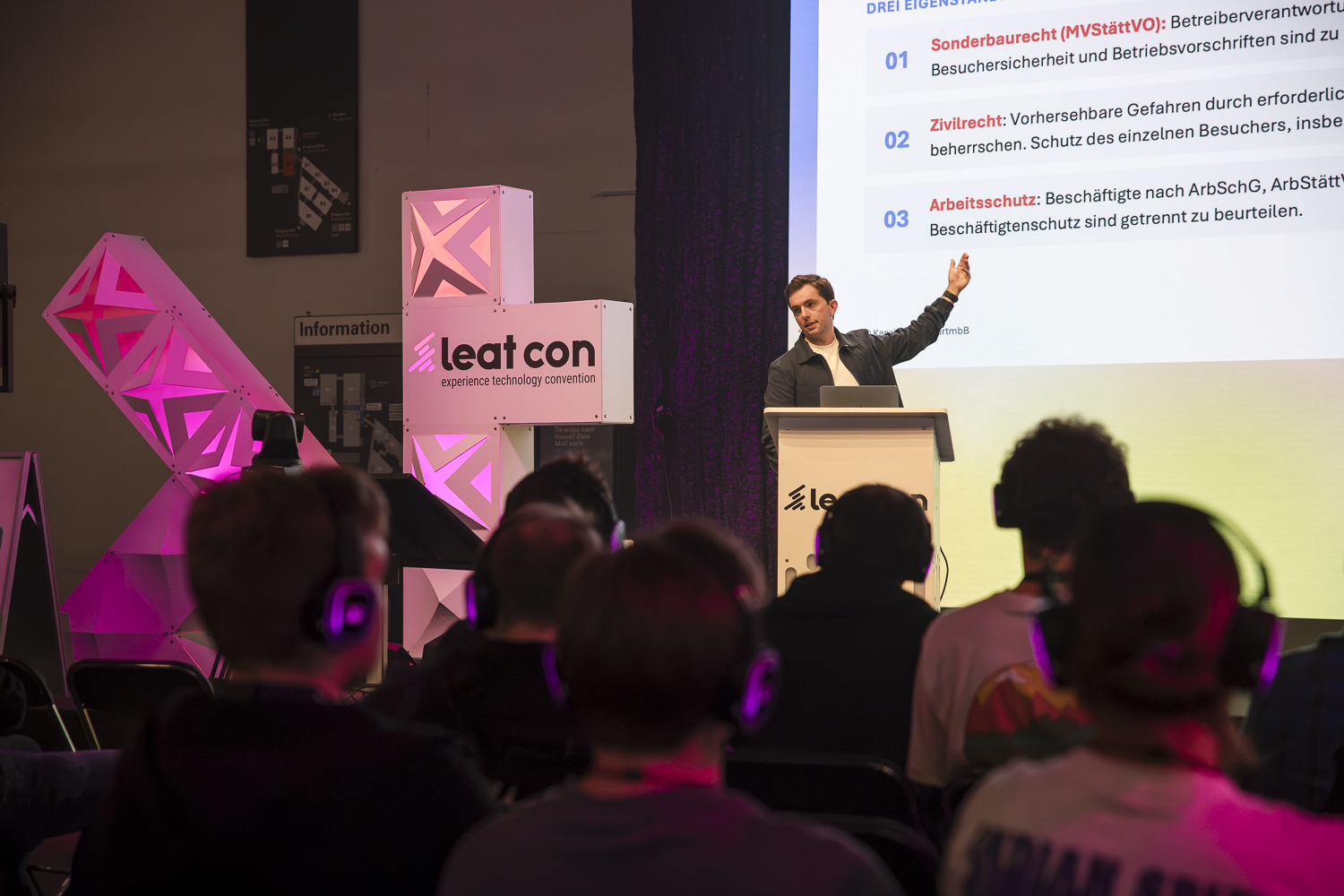
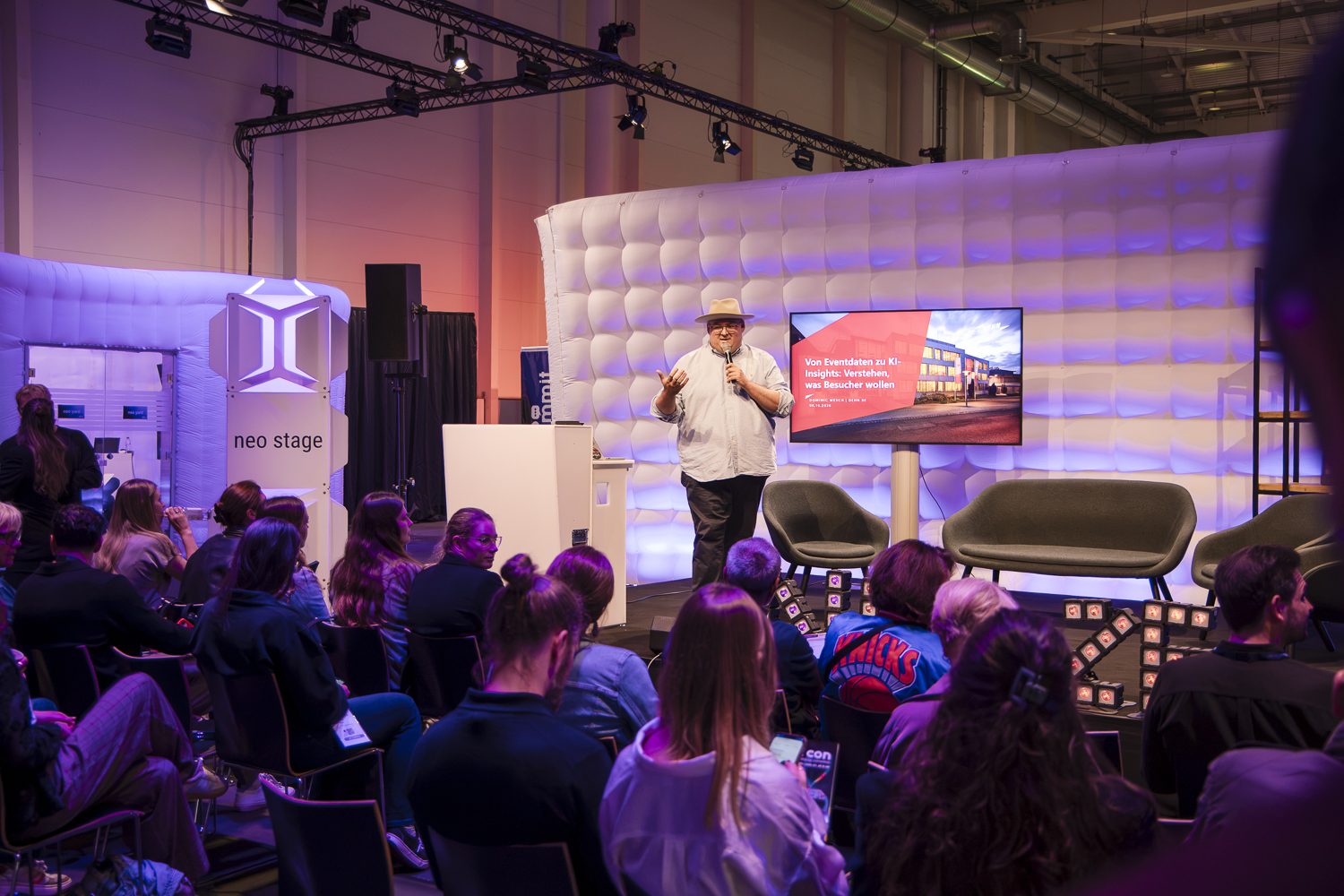
One of the most significant additions to the 2026 program was the neo summit 26. As an independent conference format held on the first two days of LEAT Con, the neo summit attracted 250 participants specifically interested in the intersection of technology and human creativity. With over 60 speakers and 35 sessions, the summit moved beyond the hype surrounding AI tools to discuss practical applications and long-term strategic shifts.
Maxi Neßmann, Product Owner of the neo summit, explained that the goal was to provide a forum for event professionals to discuss how AI will change their work in the coming years. The sessions explored how generative AI can assist in stage design, how automated workflows can optimize broadcast logistics, and how data analytics can improve the visitor experience at large-scale festivals. The consensus among summit participants was that while technology provides the tools, the "human factor"—creativity, empathy, and physical presence—remains the indispensable core of the experience industry.
Growth in ProAV and Broadcast Integration
A notable takeaway from the 2026 data was the surge in participation from the ProAV and broadcast sectors. Traditionally, these industries operated in relative silos, but LEAT Con 26 demonstrated that these barriers are dissolving. Representatives from major industry players like Sony Europe and Riedel Communications highlighted the importance of this convergence.
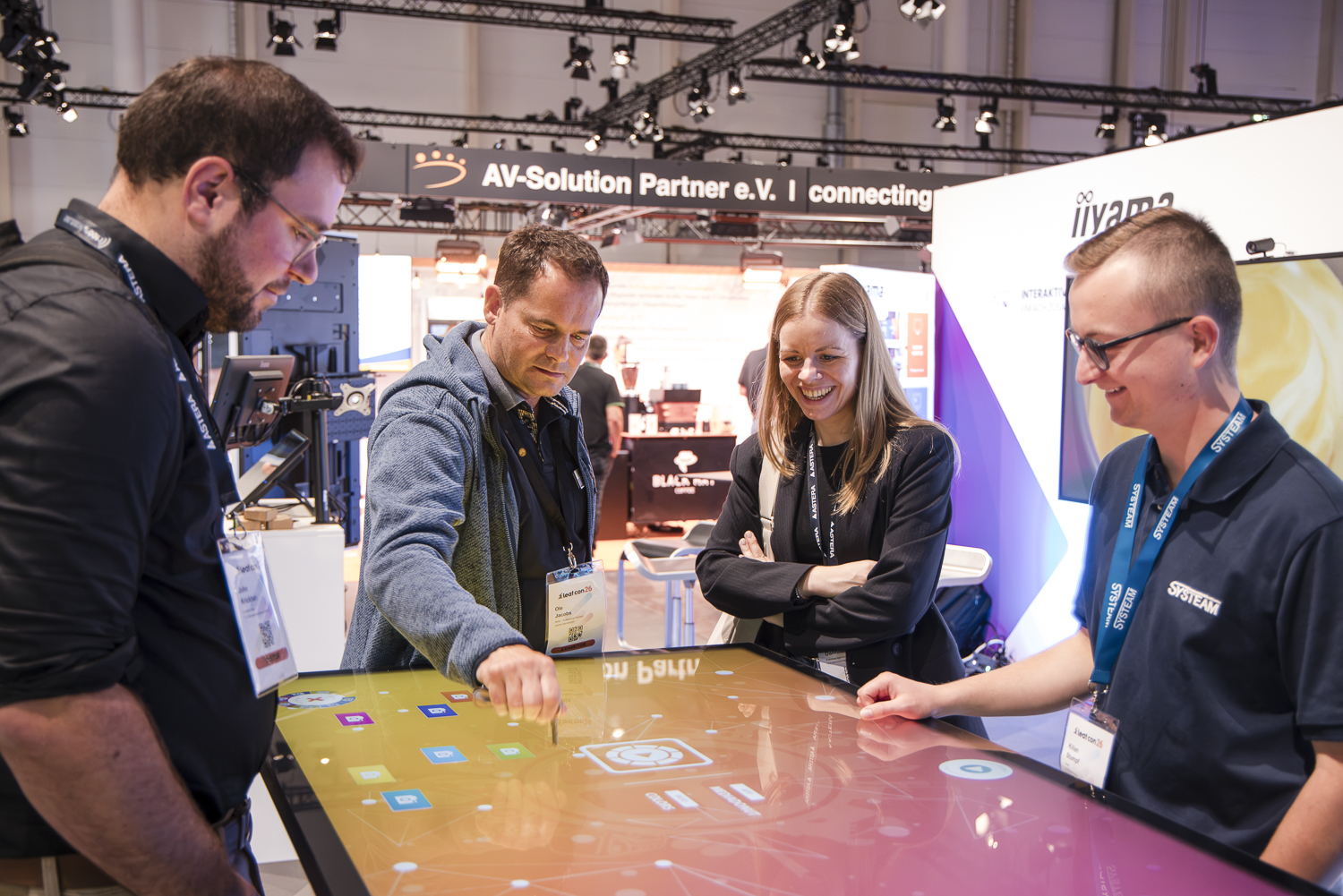
Niklas Rautenberg of Riedel Communications observed that the convention’s audience now spans the entire spectrum of their target market, including theater, events, and broadcast. This sentiment was echoed by Markus Warlich of Sony Europe, who pointed out that the technical requirements for a high-end corporate auditorium (ProAV) are now remarkably similar to those of a television studio (Broadcast). The presence of distributors like SYSTEAM further underscored the commercial importance of the "install" market within the LEAT Con framework, providing a platform for resellers and system integrators to discover new hardware and software solutions.
International Recognition and Aesthetic Excellence
The 2026 edition also saw an increase in international interest. Renowned British lighting designer Tim Routledge, known for his work on global concert tours and high-profile television events, attended as a guest speaker. Routledge’s presence signaled the growing international stature of LEAT Con, which has successfully positioned itself as a more agile and networking-focused alternative to traditional, product-heavy trade fairs.
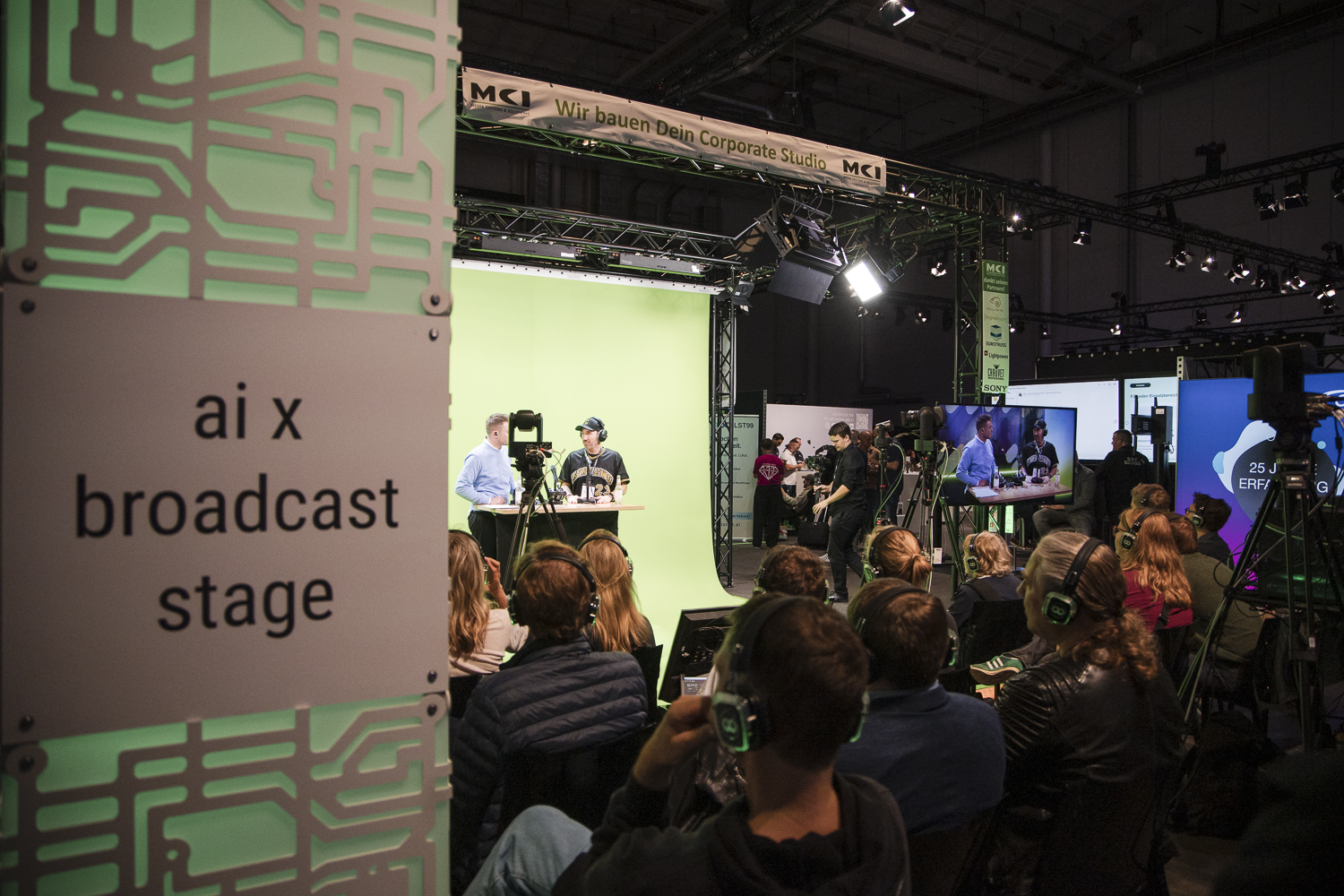
The aesthetic and functional layout of the convention also received praise. Unlike traditional trade shows that often feel like sprawling warehouses, LEAT Con utilized a "hub" system that encouraged movement and accidental discovery. The inclusion of seven stages ensured that there was a constant flow of information, ranging from technical "how-to" sessions to high-level keynote speeches on industry leadership.
Supporting Data and Industry Implications
The attendance figure of 11,700 professionals represents a significant year-on-year growth, reflecting a broader recovery and expansion in the global event technology market. Market analysts suggest that the "experience economy" is currently outperforming traditional retail and media sectors, as consumers and corporations alike prioritize live, immersive interactions.
Key statistics from LEAT Con 26 include:
- Total Attendance: 11,700+ (Record high)
- Exhibition Space: 3 Halls (A1, A2, A4)
- Thematic Hubs: 5 (Live Tech, Install, Stage Tech, Broadcast, Communicate)
- Program Points: 250+ (Workshops, Masterclasses, Keynotes)
- Speakers: 200+ across all stages and summits
- Exhibitors: Over 300 companies representing global brands and local innovators
The implications of these numbers are clear: the industry is seeking a centralized location where diverse technologies can be viewed through a single lens. The shift toward "integrated experiences" means that a successful event now requires a seamless blend of audio, visual, lighting, and digital communication technologies.
Broader Impact: Sustainability and the Future Workforce
Beyond the hardware and software on display, LEAT Con 26 served as a critical barometer for the industry’s social and environmental health. Sustainability was a recurring theme, with several sessions dedicated to "Green Production." Discussions focused on reducing the carbon footprint of touring productions and the energy efficiency of permanent AV installations.
Furthermore, the event addressed the "talent gap" by hosting specialized sessions for young professionals and students. By bringing together veterans like Tim Routledge with the next generation of technicians, the convention facilitated a vital transfer of knowledge. The "open atmosphere" noted by visitors like Qinglian Guo and Marius Jehle proved to be more than just a pleasant byproduct; it was a functional tool for professional development and industry resilience.
Looking Ahead: From Hamburg to Munich
As the dust settles on the record-breaking Hamburg event, the community is already looking toward the next milestone. The LEAT brand will continue its momentum with "LEAT x," a more compact and concentrated format scheduled for March 3 and 4, 2027, at the Dampfdom in Munich.
While the Hamburg convention is designed as a massive, all-encompassing gathering, the Munich event aims to provide a focused environment for deep-dive networking and regional engagement. This "two-speed" approach—large-scale biennial conventions complemented by smaller, boutique events—is becoming a hallmark of the Ebner Media Group’s strategy to keep the experience technology community connected year-round.
The success of LEAT Con 26 has set a high bar for future industry gatherings. It has demonstrated that in an increasingly digital world, the demand for physical meeting points where technology can be touched, heard, and discussed in person is stronger than ever. The integration of AI, the convergence of broadcast and AV, and the unwavering focus on human networking have positioned LEAT Con as the definitive compass for the future of experience technology in Europe.
