

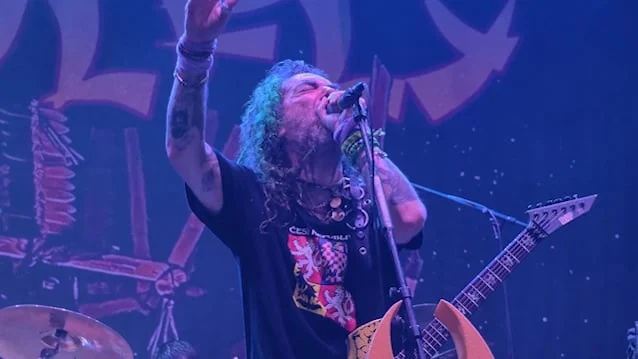
In a candid interview with Irina Marinescu of Rock FM România, the formidable Max Cavalera, a towering figure in the metal music scene and the driving force behind bands like Sepultura and Soulfly, delved into the profound question of what elevates an artist from a mere performer to an enduring legend. His insights, offered with the characteristic humility that belies his monumental impact, paint a picture of resilience, personal growth, and an unwavering commitment to the art form that has defined his life.
The Alchemy of Longevity and Hardship
Cavalera posited that longevity is an undeniable cornerstone of legendary status. "The amount of years you put into this helps," he stated, underscoring a career that spans over four decades and has seen him navigate the volatile landscape of the music industry with remarkable tenacity. However, he quickly expanded on this, asserting that sustained presence alone is insufficient. "It’s been a lot of hardships, a lot of heartbreaks, even tragedy – losing real close people to you that had a huge effect in my career. All of that." This acknowledgment of profound personal loss and the challenges inherent in a life dedicated to artistic expression is central to his perspective. Cavalera’s willingness to integrate these difficult experiences into his narrative, rather than shying away from them, suggests a belief that true artistry often arises from confronting and processing life’s darkest moments.
The inherent duality of the creative journey, where triumph is often intertwined with tribulation, is a theme Cavalera revisits. "You can’t really separate the bad – the bad comes with the good, and you have to deal with that." This philosophical stance suggests that the crucible of adversity forges a unique character, one that resonates deeply with audiences who themselves grapple with life’s complexities. It is this very authenticity, born from weathering storms, that he believes contributes to how people perceive him and his work.
Grounded Ambition: The Anti-Rock Star Ethos
Crucially, Cavalera identified a conscious effort to maintain a grounded perspective as a vital component of his enduring appeal. "What I try to do that’s very important, I think, is not having a big-headed attitude like a big rock star. I don’t like that. I like to stay level-headed." This self-awareness is further amplified by the unique familial dynamic within his current musical endeavors. "And I think it’s good that I can, with having our crew, with my son in the band and my wife in the band, the minute I try to get a big head, they slap me and I’m right back down to earth. Which is great. I love that, because then you’re not…" This familial accountability serves as a powerful antidote to the ego inflation that can plague even the most celebrated artists. The presence of his son, Zyon Cavalera, who drums in Soulfly, and his wife, Gloria Cavalera, a significant force behind the scenes, creates an environment where humility is not just encouraged but actively enforced.
Music as a Force for Good: The Humble Giant’s Mission
Cavalera articulated a nuanced understanding of his place in the broader societal context. "In this business, it’s very easy to think that what you do is the most important thing in the world, and it’s not," he admitted, demonstrating a remarkable sense of proportion. He acknowledged the existence of professions and endeavors with arguably more immediate life-saving implications, such as medical research and humanitarian efforts during times of conflict. "There’s a lot of other people curing cancer and stuff like that – much more important – [or] on the war or something."
However, he swiftly countered this by reaffirming the intrinsic value and impact of music. "But I also like to believe that music is magic and we help people through music. So what we do is also very important. So we do it in our own way, help the world somehow through the metal, through the music. And it’s great." This sentiment positions metal music not merely as entertainment, but as a potent conduit for emotional catharsis, empowerment, and connection for its listeners. It suggests a belief that even within a genre often perceived as aggressive or confrontational, there lies a profound capacity for healing and positive influence.
Soulfly’s Momentum: A Look at Recent Activities and Future Endeavors
The interview also provided a timely update on the ongoing activities of Soulfly. The band is slated to embark on a significant 25-date U.S. tour this fall. The tour is set to commence with a prominent festival appearance at Louder Than Life, followed by engagements in major cities including Dallas, Salt Lake City, and West Hollywood. The tour will culminate with a significant hometown headline performance in Tempe, Arizona, on October 15.
A notable aspect of this upcoming tour is the inclusion of Nailbomb, Max Cavalera’s legendary side project with Alex Newport, which originally formed in 1993. The resurgence of Nailbomb, even if for select appearances, is a significant event for long-time fans and offers a rare opportunity to witness this influential industrial sludge/crust punk outfit live. Adding further weight to the bill is Richie Cavalera’s band, Incite, ensuring a robust and diverse metal experience for concertgoers.
This tour follows the release of Soulfly’s thirteenth studio album, "Chama," which was released on October 24, 2025, through Nuclear Blast Records. The album has been met with critical acclaim and further solidified Soulfly’s position as a vital force in contemporary metal. Prior to the current tour preparations, Soulfly concluded the "Favela Dystopia" 2025 West Coast tour last fall, a 17-date trek that began on November 1, 2025, in Roswell and concluded on November 23 in Flagstaff, featuring performances with Go Ahead and Die.
The "Chama" Production: A Family Affair and Sonic Craftsmanship
Details surrounding the production of "Chama" highlight the deep-seated family involvement in Soulfly’s creative output. The album was co-produced by Zyon Cavalera, Max’s son and the band’s drummer, in collaboration with Arthur Rizk. The recording sessions took place at Platinum Underground Studio in Mesa, Arizona, under the expert engineering of John Aquilino. Aquilino, a long-time collaborator and personal friend of the Cavalera family, brought his considerable talent and familiarity with the band’s sound to the project. Rizk was also responsible for the crucial mixing and mastering of the album, contributing significantly to its polished and powerful sonic identity. This collaborative approach, blending established industry professionals with familial bonds and burgeoning talent, underscores the organic and deeply personal nature of Soulfly’s musical journey.
Legacy and Influence: Max Cavalera’s Enduring Impact
Max Cavalera’s reflections offer a compelling narrative on the multifaceted nature of artistic legacy. His journey, marked by groundbreaking work with Sepultura in the thrash and groove metal scenes, the experimental spirit of Nailbomb, and the consistent output of Soulfly, has cemented his status as a pivotal figure. His consistent ability to evolve while retaining a core sonic identity, coupled with his down-to-earth demeanor, has fostered a unique connection with his audience. The ongoing success of Soulfly, the anticipation surrounding Nailbomb’s appearances, and Cavalera’s continued thoughtful engagement with his craft all point to a legacy that is not merely historical but vibrantly alive and continuing to influence the metal landscape. His perspective serves as a powerful reminder that true legend is forged not just through talent, but through perseverance, humility, and a profound understanding of music’s capacity to connect and inspire.
