

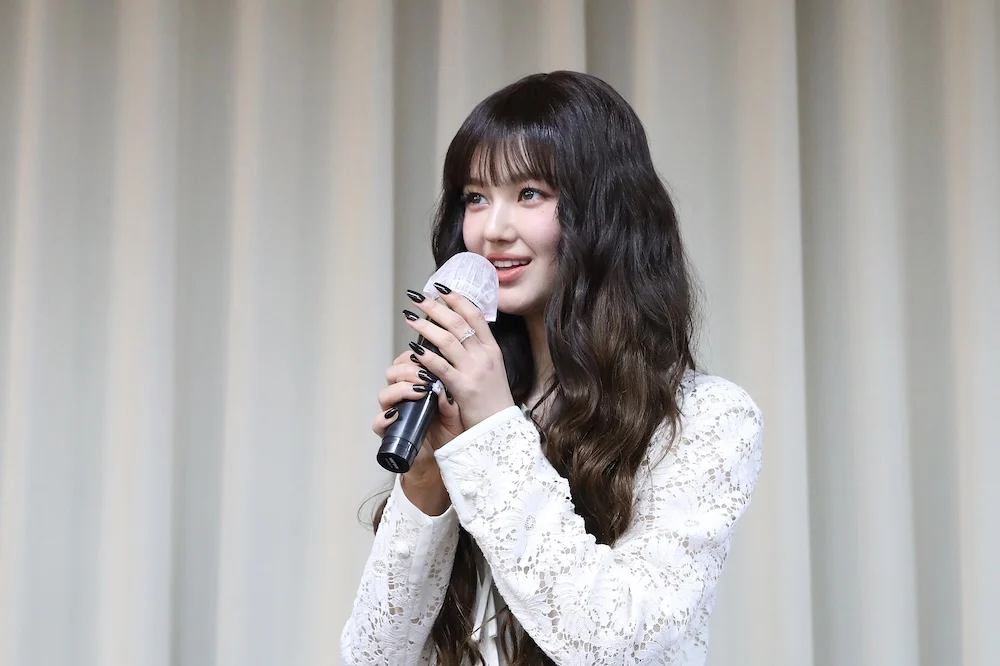
In a significant development that underscores the escalating tensions within the K-pop industry, Danielle Marsh, widely known as Danielle of the globally acclaimed group NewJeans, has teased new solo music following a protracted and increasingly acrimonious legal battle with her agency, ADOR. The singer posted a brief clip of a demo on her Instagram, revealing an easygoing pop track rumored to be titled "Fly High," featuring the evocative hook, "Fly high into the sky." This unexpected musical reveal on April 11, 2026, at 4:11 PM EDT, comes amidst a year-long contractual dispute that culminated in ADOR’s termination of her contract and the initiation of legal action against both Danielle and a family member in December of the previous year. The move signals a bold declaration of artistic independence and a potential new chapter for the artist, even as the legal proceedings continue to unfold.
The Genesis of a Contractual Conflict: A Year of Growing Tensions
The roots of the current legal entanglement between Danielle and ADOR, a subsidiary of the entertainment conglomerate HYBE Corporation, trace back over a year. While specific details of the initial disagreements remain largely confidential due to ongoing legal protocols, industry observers suggest the dispute likely centers on standard points of contention within K-pop contracts: creative control, profit distribution, contract duration, and the management of artistic endeavors. K-pop contracts, historically known for their stringent terms and lengthy durations, have become a frequent source of friction between idols and their agencies.
NewJeans, since their explosive debut in July 2022, quickly ascended to global stardom, lauded for their refreshing "easy listening" sound and authentic, youthful image. Their rapid success, however, may have inadvertently accelerated the timeline for potential contractual re-evaluations or demands for greater autonomy from the members. It is common for artists, particularly those who achieve significant commercial success early in their careers, to seek more favorable terms or increased input into their artistic direction. For agencies, protecting their investment and the established operational framework is paramount, leading to inevitable clashes when artist and company objectives diverge significantly.
Chronology of Conflict: Key Milestones in the Dispute
The timeline of Danielle’s dispute with ADOR paints a picture of gradually escalating conflict:
- Early 2025: Reports of internal disagreements between Danielle and ADOR first begin to surface through unofficial channels. While initially dismissed as routine contractual negotiations, the frequency and nature of these rumors suggested a more serious underlying issue. These early discussions likely involved Danielle’s representatives attempting to renegotiate terms or clarify aspects of her existing agreement, particularly concerning solo activities or creative input.
- Mid-2025: The dispute reportedly intensified, moving beyond internal discussions to involve legal counsel for both parties. This period likely saw formal letters exchanged, outlining demands and counter-proposals. The K-pop industry has a precedent of artists seeking injunctions to suspend their contracts, a path often pursued when amicable resolutions prove elusive. It is plausible that preliminary legal advisories were sought during this time.
- Earlier this year (2026): Danielle provided an update to fans, often referred to as "Bunnies," NewJeans’ official fandom. While the exact content of her message was not fully disclosed in public reports, such communications typically aim to reassure fans, explain the artist’s perspective (without revealing sensitive legal details), and maintain a connection during turbulent times. This update would have been a carefully worded statement, likely crafted with legal consultation, to convey resilience and gratitude without prejudicing her legal position.
- December 2025: The situation reached a critical juncture when ADOR formally announced the termination of Danielle’s contract. Concurrently, the agency declared its intention to pursue legal action against her and a specific family member. This decisive step from ADOR signifies a complete breakdown of their working relationship and indicates the agency’s firm stance against what they likely perceive as a breach of contract or detrimental actions. Terminating a contract with a successful idol is a drastic measure, often reserved for irreconcilable differences or perceived severe misconduct. The inclusion of a family member in the lawsuit suggests ADOR believes there was external interference or complicity in the alleged contractual breaches.
The K-pop Contract Landscape: A History of Disputes
The K-pop industry has a well-documented history of contractual disputes, often dubbed "slave contracts" due to their lengthy terms, demanding schedules, and disproportionate profit sharing favoring agencies. While significant reforms have been made in recent years, particularly concerning contract durations (now generally capped at seven years in South Korea), the underlying power dynamics can still lead to friction. Agencies invest heavily in training, producing, and marketing idols, viewing contracts as essential to recouping these investments. Artists, however, increasingly advocate for greater artistic freedom, fairer compensation, and better working conditions.
High-profile cases involving groups like TVXQ, EXO, and B.A.P have previously shed light on the intricate legal battles that can arise, often leading to prolonged court proceedings and sometimes the eventual disbandment or restructuring of groups. These precedents inform both agencies and artists in their strategies, with agencies typically citing the need for contractual integrity to maintain industry stability, and artists emphasizing fundamental rights and fair labor practices. The financial stakes are immense, with the K-pop market valued at billions of dollars annually, making each legal battle a high-stakes affair for all involved.
ADOR’s Position and Industry Implications
From ADOR’s perspective, the termination of Danielle’s contract and the subsequent legal action are likely framed as necessary steps to uphold contractual obligations, protect the company’s assets, and maintain the integrity of their artist management system. Agencies often argue that allowing artists to unilaterally deviate from their contracts would destabilize the industry, create unfair precedents, and undermine the significant financial and human resource investments made in an idol’s career. A spokesperson for ADOR, speaking on background and requesting anonymity due to the ongoing legal sensitivity, might emphasize the company’s commitment to "fair and transparent contractual practices for all our artists" and the importance of "upholding the agreements that foster a stable and productive environment for creative endeavors." They would likely assert that their actions are taken "to safeguard the interests of the company and all associated parties, including the remaining members of NewJeans."
The implications for ADOR and its parent company, HYBE, are considerable. Legal battles, especially with popular idols, can damage an agency’s reputation, potentially deterring future trainees or artists. Investor confidence can also be impacted, as such disputes introduce uncertainty regarding future revenue streams and group stability. ADOR’s handling of this situation will be closely watched by industry peers and aspiring idols, setting a potential precedent for how agencies manage contractual disagreements with successful artists in the future.
Danielle’s Strategic Move: Solo Music as a Statement
Danielle’s decision to tease new solo music at this critical juncture is a powerful statement. While the specific legal ramifications of releasing music independently while still embroiled in a lawsuit are complex and depend on the precise nature of her contract termination and the ongoing litigation, it strongly suggests a move towards establishing an independent career path. Releasing a demo, even a short clip, serves multiple purposes:
- Maintaining Fan Engagement: It assures her dedicated fanbase, the Bunnies, that she is actively pursuing her passion for music despite the legal hurdles, fostering continued support.
- Showcasing Artistic Autonomy: It demonstrates her commitment to creative freedom and her ability to produce music outside the framework of ADOR, directly challenging the agency’s control over her artistic output.
- Market Testing: A demo allows her to gauge public and industry reaction to her solo sound, potentially attracting new collaborators or independent labels interested in working with her.
- Legal Leverage: Depending on the specifics, showcasing independent creative work might be a strategic move to demonstrate her professional capacity and ongoing artistic value, which could be relevant in legal negotiations regarding her future career.
The rumored title "Fly High" and the "easygoing pop" sound of the demo also carry symbolic weight. It could be interpreted as a metaphor for breaking free from constraints and soaring towards new horizons, reflecting her aspirations for artistic liberation. This release, therefore, is not merely a musical update but a calculated move in her broader professional and legal strategy.
The Future of NewJeans: A Cloud of Uncertainty
The most immediate and concerning implication of Danielle’s legal battle and subsequent solo venture is the future of NewJeans. As a five-member group, the absence or uncertain status of one member can profoundly impact group dynamics, performance, and overall brand identity. NewJeans’ success was built on the synergy and collective charm of its members. Industry analysts are already speculating on several potential scenarios:
- Hiatus: The group might enter an indefinite hiatus, allowing the legal situation to resolve itself, which could be detrimental to their momentum.
- Four-Member Continuation: ADOR might attempt to continue NewJeans as a four-member group. This would require significant re-branding and re-distribution of roles, and fan reception to such a change is unpredictable.
- Disbandment: In the most extreme scenario, if the legal battle is prolonged and irreconcilable, the group could face disbandment, a fate that has befallen other K-pop acts caught in similar disputes.
- Settlement and Return: While less likely given the current intensity, a settlement could theoretically lead to Danielle rejoining the group under new terms, though trust and group dynamics would be severely tested.
The uncertainty surrounding NewJeans also affects the other members, Minji, Hanni, Haerin, and Hyein, who are still under contract with ADOR. Their careers are inextricably linked to the group’s stability, and this dispute casts a long shadow over their collective future.
Broader Implications for the K-pop Industry
Danielle’s case adds another chapter to the ongoing dialogue about artist rights, contractual fairness, and the immense pressure within the K-pop industry. It highlights several critical issues:
- Artist Autonomy vs. Agency Control: The recurring tension between an artist’s desire for creative and professional independence and an agency’s need for control and return on investment.
- The Role of Social Media: Danielle’s use of Instagram to tease music directly to fans bypasses traditional agency channels, demonstrating the evolving power of social media for artists to communicate and market themselves independently.
- Legal Precedents: The outcome of this case could set new legal precedents for artist-agency disputes in South Korea, particularly regarding contract termination and an artist’s ability to pursue independent activities during litigation.
- Investor Scrutiny: Such high-profile disputes lead to increased scrutiny from investors regarding the stability of artist contracts and the risk management strategies of entertainment companies.
As the K-pop industry continues its global expansion, the need for transparent, equitable, and adaptable contractual frameworks becomes increasingly vital. The resolution of Danielle’s case will not only shape her future career but also contribute to the ongoing evolution of artist management practices within the dynamic and competitive world of K-pop. The coming months will be crucial in determining the trajectory of Danielle’s solo aspirations, the fate of NewJeans, and the broader implications for artist-agency relationships across the industry.
