

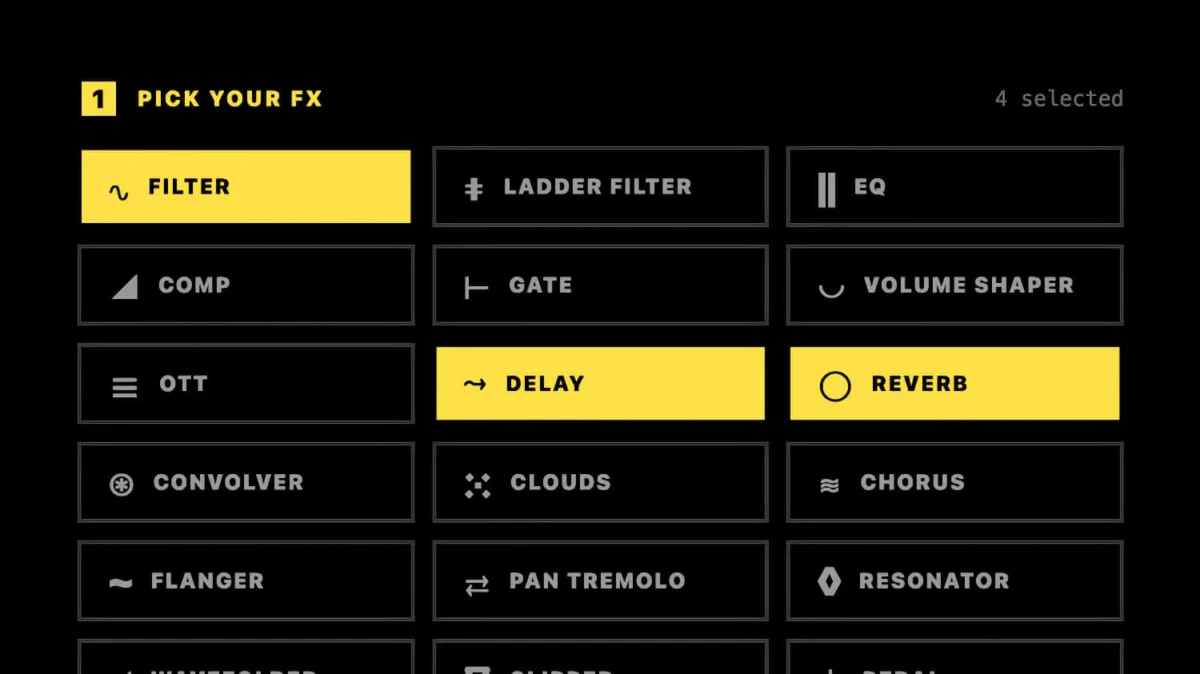
The digital audio workstation landscape has witnessed a significant shift toward modularity, and the latest entry into this competitive field is Nodes, a comprehensive modular effects environment developed by Okay Synthesizer. Designed for both Mac and Windows operating systems, with a Linux version currently in the development pipeline, Nodes represents an ambitious attempt to consolidate complex signal processing into a singular, flexible interface. By offering an expansive library of 57 individual modules at launch, Okay Synthesizer aims to provide sound designers and music producers with a sandbox environment that bridges the gap between traditional linear effect chains and the limitless possibilities of modular synthesis.
The release marks a pivotal moment for Okay Synthesizer, a developer increasingly recognized for prioritizing workflow efficiency without sacrificing depth. Nodes is built upon a technical architecture that emphasizes three core conceptual pillars: modular flexibility, intuitive routing, and high-fidelity signal processing. These principles are intended to address common friction points in modern music production, where users often find themselves restricted by the fixed architectures of standard VST (Virtual Studio Technology) plugins.
Technical Architecture and Module Ecosystem
At the heart of Nodes is a sophisticated engine capable of handling complex audio and control voltage (CV) signals. The initial release features 57 distinct modules, categorized into three primary groups: Effects (FX), Modulators, and Input/Output (I/O) utilities. This variety ensures that the plugin is not merely a multi-effects unit but a complete ecosystem for sound manipulation.
The FX category includes a wide array of standard and experimental processors. Users have access to high-quality reverbs, delays, and distortions, alongside more specialized tools such as spectral filters and non-linear waveshapers. The modular nature of the plugin allows these effects to be placed in any order, with the ability to create parallel processing paths that would be cumbersome to set up in a traditional DAW mixer.
The Modulator modules provide the "brain" for the audio processing. These include classic Low-Frequency Oscillators (LFOs) and ADSR envelopes, as well as more advanced tools like step sequencers, random voltage generators, and envelope followers. Because the system is fully modular, any modulator can be patched into virtually any parameter of an FX module, allowing for organic, evolving textures that respond dynamically to the input audio signal.
The I/O and Utility modules facilitate the integration of Nodes into a larger production environment. This includes sidechaining capabilities, MIDI-to-CV conversion, and signal splitting/merging tools. This infrastructure is critical for professional engineers who require precise control over signal flow and gain staging within a complex mix.
The Evolution of Modular Software in Audio Production
The launch of Nodes occurs within a broader industry trend toward "in-the-box" modularity. For decades, modular synthesis was a hardware-centric pursuit, characterized by expensive Eurorack systems and a steep learning curve. However, the success of platforms like VCV Rack, Bitwig Studio’s "The Grid," and Reason Studios’ Rack Extension format has demonstrated a massive demand for modular logic in a digital format.
Nodes enters this market by focusing specifically on the effects processing aspect of the modular workflow. While many modular plugins focus on sound generation (oscillators), Nodes is optimized for the transformation of existing audio. This specialization allows Okay Synthesizer to refine the user interface for rapid patching, making it a viable tool for both studio sessions and live performances where speed is essential.
Industry analysts note that the shift toward modular plugins is driven by a desire for "bespoke" sounds. In an era where many producers use the same presets and sample packs, the ability to build a unique, one-of-a-kind effects rack provides a significant creative advantage. Nodes facilitates this by allowing users to save their entire modular configurations as presets, which can then be shared or recalled across different projects.
Development Timeline and Early Access Strategy
The development of Nodes has followed a strategic trajectory designed to build community engagement before a full version 1.0 release. Currently, the plugin is available in an "early access" phase. This model has become increasingly popular in the software world, allowing developers to secure funding for continued production while gathering vital telemetry and user feedback to squash bugs and refine features.
The chronology of the Nodes project highlights Okay Synthesizer’s commitment to long-term support:
- Conceptual Phase: The project began as an internal tool to solve the limitations of fixed-path effect plugins.
- Alpha Testing: A closed group of sound designers tested the initial 30 modules to ensure stability and DSP (Digital Signal Processing) accuracy.
- Beta Expansion: The module count was expanded to 57, and the user interface was overhauled to support high-resolution displays and intuitive "drag-and-drop" patching.
- Early Access Launch (Current): The plugin is released to the general public for Mac and Windows at a significant discount.
- Linux Integration (Upcoming): Okay Synthesizer has officially confirmed that a Linux version is in development, addressing a vocal but often underserved segment of the audio community.
- Full Release and Module Expansion: The developer plans to regularly introduce new modules, potentially opening the platform to third-party developers in the future.
Pricing and Market Positioning
Nodes is currently positioned with an aggressive entry-level price point. During the early access period, the plugin is available for $50 USD, representing a 50% discount from its projected retail price of $100 USD. This pricing strategy is a clear attempt to capture market share from established competitors. By lowering the barrier to entry, Okay Synthesizer encourages a larger user base to adopt the platform early, which in turn fosters a robust community of preset sharing and tutorial creation.
When compared to other modular environments, Nodes occupies a middle ground. It is more affordable and streamlined than "infinite" environments like Max/MSP or Reaktor, yet it offers more depth than simple multi-effect pedals or "all-in-one" plugins. This "Goldilocks" positioning makes it attractive to intermediate producers who are ready to move beyond basic plugins but are not yet prepared to dive into the complexities of visual programming.
Broader Implications for the Music Technology Industry
The introduction of Nodes: Modular FX Rack Plugin has several implications for the future of music technology. First, it reinforces the importance of cross-platform compatibility. The commitment to a Linux version is particularly noteworthy. While Windows and macOS dominate the creative industries, Linux has seen a steady rise in use among developers and privacy-conscious artists. By supporting Linux, Okay Synthesizer is future-proofing its software and appealing to the open-source community.
Second, Nodes highlights the ongoing democratization of high-end audio tools. Ten years ago, a modular rack with the capabilities of Nodes would have cost thousands of dollars in hardware and occupied significant physical space. Today, that same power is accessible for the price of a standard plugin, requiring nothing more than a laptop.
Finally, the modular approach encourages a more profound understanding of signal processing among users. By forcing producers to think about how a signal travels from a modulator to a filter, or how a parallel delay chain interacts with a dry signal, Nodes acts as an educational tool. This "pedagogical by-product" of modular software is often cited by educators as a primary benefit of using such tools in audio engineering programs.
Future Outlook and Community Response
Initial reactions from the audio engineering community have been largely positive, with many praising the plugin’s visual clarity and the CPU efficiency of its modules. Modular environments are notoriously resource-intensive, but Okay Synthesizer appears to have optimized the Nodes engine to allow for high module counts even on mid-range hardware.
Looking ahead, the success of Nodes will likely depend on the frequency and quality of its updates. The developer’s plan to expand the module library is a critical component of its value proposition. Potential future modules could include AI-driven processors, granular synthesis engines, and more sophisticated MIDI routing tools. There is also speculation regarding a possible "Nodes Player," a free version that would allow users to load and use presets created by others without having the full editing capabilities, though this has not been officially confirmed by the company.
In conclusion, Nodes: Modular FX Rack Plugin is more than just a new entry in the VST market; it is a statement on the direction of digital sound design. By combining a vast array of modules with an accessible interface and a fair pricing model, Okay Synthesizer is empowering a new generation of artists to explore the boundaries of modular audio processing. As the software moves out of early access and onto more platforms, it is poised to become a staple in the toolkit of modern music creators.
