

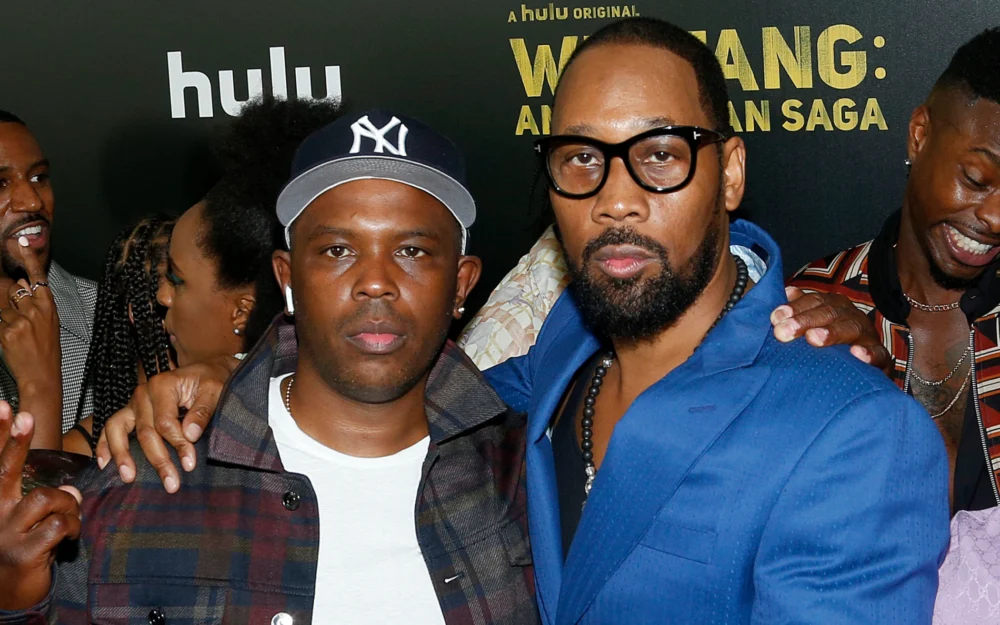
Oliver "Power" Grant, the visionary business strategist and co-founder instrumental in transforming the Wu-Tang Clan from a Staten Island rap collective into a global cultural and commercial powerhouse, has died. He was 52. The news of his passing was confirmed on Tuesday, February 24, though a specific cause of death has not yet been publicly disclosed. Grant’s death has sent ripples of grief through the hip-hop community, with numerous artists, executives, and fans mourning the loss of a pivotal figure in the genre’s business evolution.
A Foundation Built on Vision and Hustle
Grant’s influence on the Wu-Tang Clan extended far beyond music production or artist management. He was the strategic mind who recognized the immense potential of the group not just as musicians, but as a brand. A childhood friend of RZA (Robert Diggs), Grant, alongside RZA’s brother Mitchell "Divine" Diggs, played a crucial role in the nascent stages of the Wu-Tang Clan’s career. Their early investments and tireless marketing efforts were critical in launching iconic singles like "Protect Ya Neck" and "Method Man," laying the groundwork for the group’s seminal 1993 debut album, Enter the Wu-Tang (36 Chambers).
However, Grant’s most enduring and impactful contribution was the conceptualization and creation of Wu Wear. Launched in 1995, Wu Wear was a pioneering venture that blurred the lines between music and fashion, establishing one of hip-hop’s first artist-owned streetwear brands. This was not merely merchandise; it was a strategic move to diversify revenue streams, exert creative control, and build a tangible representation of the Wu-Tang brand. Wu Wear became a cultural phenomenon in its own right, achieving significant commercial success and profoundly influencing the trajectory of artist-driven fashion lines in the years that followed. Grant’s foresight in merging music, fashion, and ownership redefined the business model of hip-hop, providing a blueprint for countless artists seeking to build independent empires.
In a 2011 interview with Passion of the Weiss, Grant reflected on the early days of building the Wu-Tang brand: "Wu Wear was pretty much like our entry in the fashion biz, but before I was in Wu Wear, I was making and marketing the first Wu records with RZA. Everything that we learned was hard knock life. You figure it out as you go along and take cues from those that are actively doing things. A lot of it was trial and error. There were no models." This statement underscores the innovative and often improvisational nature of their early business endeavors, highlighting Grant’s resourcefulness and pioneering spirit.
Tributes Pour In from Hip-Hop Royalty
The news of Oliver "Power" Grant’s death was met with an outpouring of heartfelt tributes from members of the Wu-Tang Clan and the wider hip-hop community, reflecting the deep respect and affection he commanded.
Method Man, a key Wu-Tang member, shared a poignant tribute on Instagram, posting a photo of himself with Grant. His message conveyed profound sadness: "Paradise my Brother safe Travels!! [broken heart emojis] [angry face emoji] #pookie #power Bruh I am not ok .. [raincloud emoji]." The use of personal nicknames like "Pookie" and "Power" underscored the close bond he shared with Grant.
RZA, the architect of the Wu-Tang sound, expressed his grief through a stark black square on his social media, accompanied by Boyz II Men’s "It’s So Hard to Say Goodbye to Yesterday." This choice of song, coupled with a caption referencing "5" – a nod to the Five-Percent Nation’s Supreme Mathematics that inspired Grant’s nickname – spoke volumes about their spiritual and intellectual connection. RZA’s caption read: "5 👐 – POWER we been everywhere …. now you everywhere ! [crying face emoji] [prayer emoji] the most high is merciful love you."
Raekwon, another integral member of the Clan, echoed these sentiments, sharing a similar message of love and remembrance. His words, "POWER we been everywhere …. now you everywhere ! [crying face emoji] [prayer emoji] the most high is merciful love you," resonated with the shared experiences and deep camaraderie within the group.
Beyond the immediate Wu-Tang circle, influential figures from across the hip-hop landscape also paid homage to Grant’s legacy. Cam’ron, a prominent artist known for his own business acumen, took to Instagram to express his condolences: "Damn man!! [crying emojis] [prayer emojis] thank you for everything legend @wutangbrand." This tribute acknowledged Grant’s significant role in building the Wu-Tang brand itself.
DJ Premier, a legendary producer, offered a moving eulogy, emphasizing Grant’s pioneering status: "You certified a worldwide movement. A PIONEER for The Culture… WU-TANG IS FOREVER… I had some fun times touring with you and our mutual connections kept us in touch. May the universe welcome you with open arms. Thank you for your iconic contributions. Condolences to the entire WU family. Rest Easy Oliver ‘POWER’ Grant. Love You Brother." Premier’s words highlighted Grant’s role in establishing Wu-Tang as a global phenomenon and the personal connections he forged within the industry.
Steve Rifkind, the music executive who signed the Wu-Tang Clan to Loud Records in the early ’90s, shared a deeply personal tribute, recalling the inception of their partnership: "Power I can’t believe this. We met in May of 1993 and have been brothers since. The laughs the cries we traveled the world together. Strongest Handshake and Hug anybody can give. I’m at loss of words keep on looking over us the way you always looked out for all of us when you were here. My condolences to you and your family and the WuTang Family just remember we made History. Going to miss you like crazy rest in peace. #wutangforever." Rifkind’s message underscored the long-standing professional and personal relationship he shared with Grant, emphasizing their shared journey in creating hip-hop history.
A Timeline of Influence: From Staten Island to Global Domination
Oliver "Power" Grant’s journey with the Wu-Tang Clan can be traced back to the early 1990s, a period of immense creative ferment in East Coast hip-hop.
- Early 1990s: Grant, a close associate and childhood friend of RZA, begins collaborating with the burgeoning Wu-Tang Clan. Alongside Divine Diggs, he invests in the group’s early efforts, providing crucial financial and marketing support. This period is marked by the raw, unfiltered energy that would define the Wu-Tang sound.
- 1993: The Wu-Tang Clan releases their groundbreaking debut album, Enter the Wu-Tang (36 Chambers). Grant’s behind-the-scenes work in promotion and strategy is instrumental in its successful launch, establishing the group as a formidable force in the music industry. Singles like "Protect Ya Neck" and "Method Man" become anthems, showcasing the group’s unique lyrical prowess and raw production.
- 1995: Recognizing the untapped potential of artist-driven merchandising, Grant conceives and launches Wu Wear. This venture is not merely about selling t-shirts; it’s a strategic move to build a sustainable business model that leverages the group’s growing popularity. Wu Wear quickly becomes a symbol of hip-hop culture and a significant revenue generator, demonstrating the power of brand extension.
- Mid-to-Late 1990s: Wu Wear flourishes, becoming a major player in the streetwear market. Its success inspires a wave of similar ventures by other artists, cementing Grant’s reputation as a business innovator. The Wu-Tang Clan, meanwhile, continues to dominate the music charts with individual members releasing successful solo projects, all while maintaining the collective’s unified brand identity, partly thanks to Grant’s vision.
- 2000s and Beyond: Grant continues to be involved in various business ventures, often consulting and advising within the music and entertainment industries. His legacy as the business architect of the Wu-Tang Clan’s empire is cemented, with his strategies studied and admired by a new generation of entrepreneurs and artists. His insights into building a multifaceted brand continue to be relevant in the evolving landscape of the entertainment business.
- February 24, 2024: News of Oliver "Power" Grant’s passing is announced, prompting widespread mourning and tributes from across the hip-hop world.
The Business of Hip-Hop: Grant’s Enduring Legacy
Oliver "Power" Grant’s impact on the business of hip-hop cannot be overstated. In an era where artists were often beholden to record labels for their creative and financial well-being, Grant championed a model of self-determination and diversified revenue streams. His creation of Wu Wear was a watershed moment, demonstrating that hip-hop artists could not only create compelling music but also build thriving enterprises that extended their influence far beyond the recording studio.
The success of Wu Wear was built on a foundation of authenticity and a deep understanding of the culture it represented. It wasn’t just about slapping a logo on a product; it was about translating the essence of the Wu-Tang Clan – their gritty aesthetic, their philosophical undertones, and their undeniable swagger – into tangible goods that resonated with their fanbase. This approach set a precedent for the modern entertainment industry, where brand building and merchandise are integral components of an artist’s career.
Grant’s philosophy of "figuring it out as you go along" and learning from those "actively doing things" speaks to the entrepreneurial spirit that fueled hip-hop’s growth. He understood that success in the music business required more than just talent; it demanded shrewd business acumen, a willingness to take risks, and a relentless drive to innovate. His contributions helped elevate hip-hop from a subculture to a global economic force, proving that artistic creativity and commercial viability could coexist and, indeed, mutually reinforce each other. The blueprint he laid continues to guide artists seeking to achieve financial independence and creative autonomy in the digital age.
HipHopDX extends its deepest condolences to Oliver "Power" Grant’s family, friends, and the entire Wu-Tang Clan family during this difficult time. His vision and contributions have left an indelible mark on hip-hop history, and his legacy will continue to inspire for generations to come.
