

The landscape of digital music marketing has undergone a fundamental transformation as artists move away from traditional static websites toward integrated social media ecosystems. In this evolving environment, the "link in bio" has transitioned from a simple directory of URLs into a sophisticated, multi-functional storefront and engagement hub. Music marketing expert and author Jesse Cannon, widely recognized for his work on the "Musformation" platform and his comprehensive guides on independent artist growth, recently conducted an extensive evaluation of available link in bio services. His findings suggest that Koji, a platform characterized by its modular app-based architecture, offers a superior suite of tools for musicians, producers, and instrumentalists seeking to consolidate their online presence and monetize their fan bases directly within social media applications.
The Evolution of the Digital Gateway for Independent Artists
Historically, musicians relied on centralized websites to host their discographies, tour dates, and merchandise. However, the rise of "walled garden" social media platforms like Instagram, TikTok, and X (formerly Twitter) has changed user behavior. Modern audiences rarely leave their preferred social apps to visit external websites. This shift birthed the "link in bio" industry, initially dominated by services like Linktree, which provided a basic list of buttons.

As the creator economy matured, the demand for more interactive features became evident. Data from creator economy reports indicates that friction—the number of steps or clicks required to complete an action—is the primary enemy of conversion. Every time a fan is forced to leave an app, log into a new site, or navigate a complex menu, the likelihood of a sale or a newsletter sign-up drops by significant margins. Jesse Cannon’s analysis highlights Koji’s ability to mitigate this friction through its unique "mini-app" system, which allows transactions and engagement to occur entirely within the social media browser.
Jesse Cannon’s Methodology and Professional Endorsement
Jesse Cannon, whose career spans decades of recording and marketing for alternative and independent acts, bases his endorsement on the practical needs of the "DIY" musician. In his recent deep dive into the platform, Cannon emphasized that the first impression is the most critical component of fan acquisition. He posits that the initial interaction a potential listener has with an artist’s link determines the long-term trajectory of that relationship.
"Truly one of the most overlooked parts of building a fan base is the first impression you make on fans," Cannon noted in his analysis. His testing focused on three primary metrics: visual customization, the variety of monetization tools, and the seamlessness of the user experience. Unlike competing platforms that often require premium subscriptions for basic aesthetic adjustments, Koji provides a high degree of visual flexibility for free, allowing artists to maintain brand consistency across their digital touchpoints.

Technical Architecture: The Koji App Store Advantage
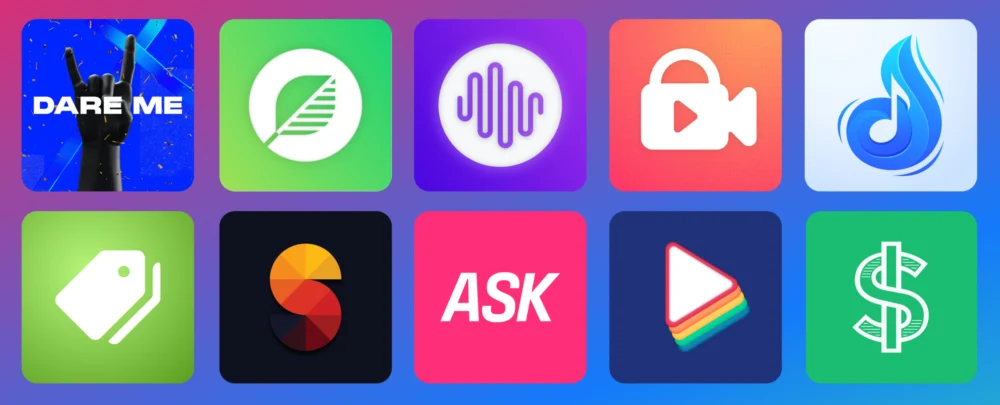
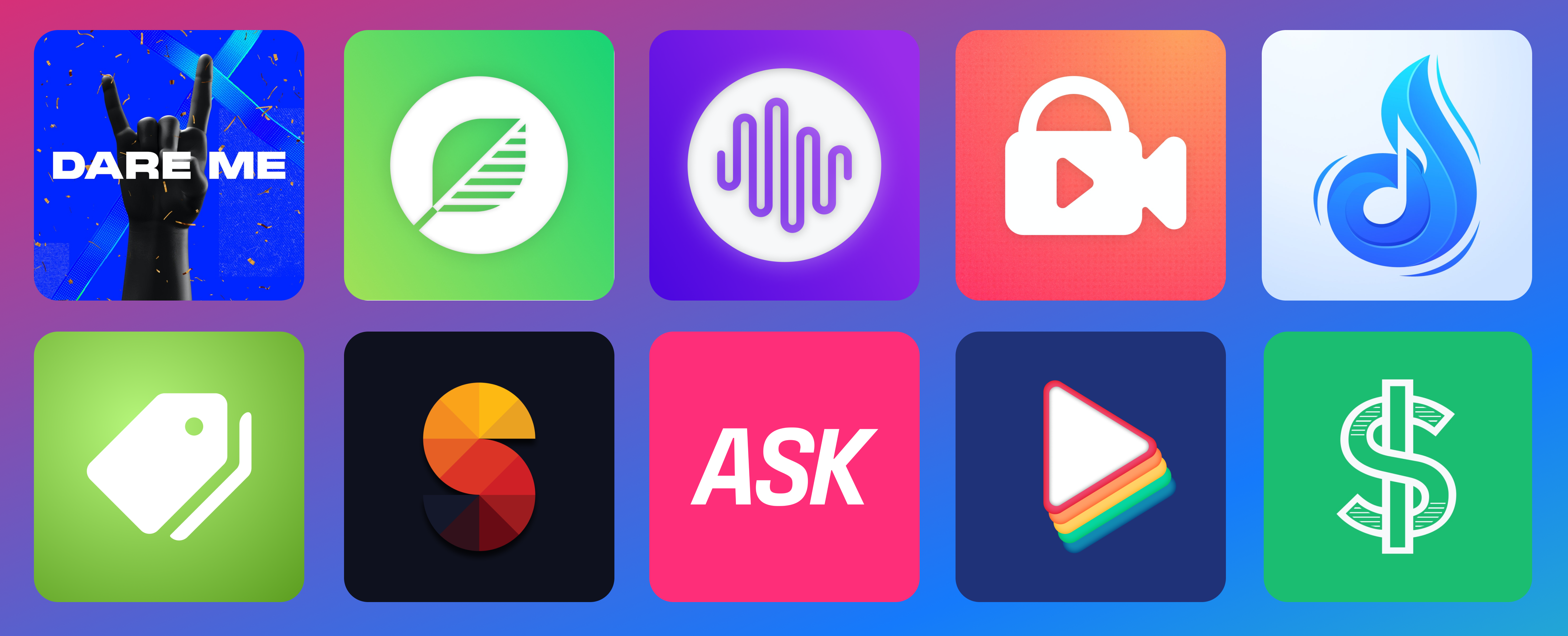
The defining feature of Koji, as identified by Cannon, is its integrated App Store. Unlike traditional mobile apps found on the Apple App Store or Google Play, Koji’s "mini-apps" are built using web-based technology that requires no download from the user. This technical distinction is vital for social media marketing. When a fan clicks an artist’s link in bio, these apps load instantly within the Instagram or TikTok browser.
Cannon highlighted that this architecture allows for "high-quality marketing" that was previously only available to major label artists with significant web development budgets. The Koji App Store includes specialized tools for:
- Direct Music Sales: Bypassing traditional distributors to sell tracks or stems directly to fans.
- Monetized Engagement: Tools like "Ask Me Anything" or "Video Shoutouts" (similar to Cameo) that are integrated into the profile.
- Lead Generation: One-click email and SMS sign-up forms that sync with marketing software.
- Interactive Media: Embedding Spotify players, YouTube videos, and Twitch streams that play without redirecting the user.
Strategic Monetization and the Reduction of Platform Fees
One of the most significant hurdles for modern musicians is the "platform tax" imposed by various digital storefronts. While services like Bandcamp and Patreon have long been staples of the industry, they often exist as separate destinations. Cannon’s review of Koji pointed out that the platform allows artists to monetize their art at any stage of their career without the exorbitant cuts taken by some legacy storefronts.

Supporting data suggests that artists using integrated link-in-bio storefronts see a higher average order value because the purchase happens at the moment of peak interest—immediately after viewing a viral clip or a promotional post. By offering apps like "Locked Content," where fans can pay a small fee to see behind-the-scenes footage or hear a demo, musicians can capture "micro-transactions" that would otherwise be lost if the fan had to navigate to a separate membership site.
Building the Ultimate Profile: Five Strategic Pillars
To maximize the effectiveness of a Koji profile, Cannon outlined a strategic framework for musicians. This framework is designed to move a user through the marketing funnel from a casual observer to a dedicated supporter:
- Visual Storytelling: Utilizing high-resolution graphics and customized text to communicate the artist’s "vibe" immediately.
- Prioritizing High-Value Links: Placing the most important call-to-action (such as a new single or tour tickets) at the very top of the profile.
- Interactive Mini-Apps: Including at least one interactive element, such as a poll or a fan gallery, to increase the "time on page."
- Direct Monetization: Setting up a "Tip Jar" or "Digital Storefront" to provide a low-barrier way for fans to offer financial support.
- Data Collection: Ensuring an email or phone number capture app is present to build an "owned" audience that is not subject to social media algorithm changes.
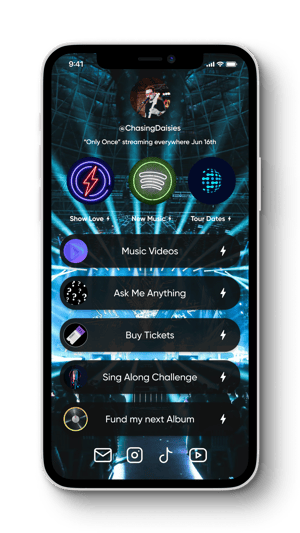
Cannon argues that a well-constructed Koji profile serves as a personal website and storefront combined. "This isn’t a traditional link in bio page," Cannon stated. "It’s a place where you can regularly send your fans to get a good impression and build your business."
Chronology of the Link in Bio Sector
The evolution of these tools reflects the broader history of the internet’s "Web 2.0" and "Web 3.0" transitions:
- 2014-2016: The "Single Link" Era. Instagram’s refusal to allow links in captions forced artists to use their one bio link for their latest project, requiring constant manual updates.
- 2016-2018: The Rise of Aggregators. Services like Linktree launched, providing a static list of links to solve the "one link" problem.
- 2019-2021: The Monetization Shift. Platforms began adding "Buy Me a Coffee" buttons and basic commerce integrations.
- 2022-Present: The "Super-App" Era. Koji and its competitors moved toward becoming modular operating systems where the link in bio functions as a comprehensive digital home.
Broader Implications for the Music Industry
The shift toward platforms like Koji represents a significant move toward digital sovereignty for independent musicians. As major streaming platforms continue to face criticism over low royalty payouts, the ability for an artist to sell a single "voice memo" or "behind-the-scenes" video for $5 directly to 100 fans can outweigh the revenue generated by 100,000 streams.
Furthermore, the data-rich environment of a Koji profile provides artists with insights into fan behavior. By seeing which apps are opened and which links are clicked, musicians can tailor their creative output and touring schedules to meet actual demand. Cannon’s analysis suggests that the "first impression" isn’t just about aesthetics; it is about providing a functional, professional interface that signals to the fan that the artist is a serious professional.
In conclusion, the recommendation of Koji by experts like Jesse Cannon underscores a pivotal change in how music is marketed. By consolidating streaming, social engagement, and e-commerce into a single, frictionless interface, musicians can better navigate the complexities of the digital age. As the competition for listener attention intensifies, the efficiency of an artist’s "link in bio" may become as important as the quality of the music itself in determining commercial success. For creators looking to transition from hobbyists to career professionals, the adoption of these "supercharged" links is no longer optional—it is a strategic necessity.
