

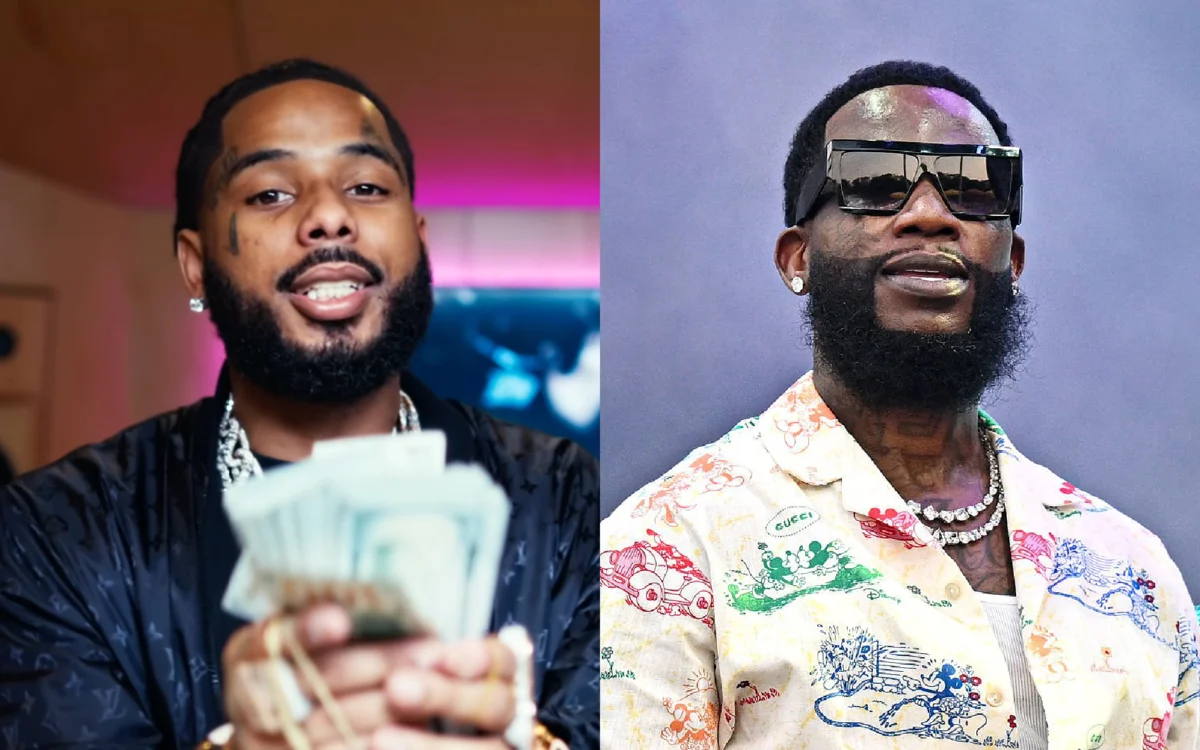
Pooh Shiesty, a prominent figure in the contemporary hip-hop scene, along with his father Lontrell Williams Sr. and fellow rapper Big30, has been apprehended by federal authorities in connection with an alleged armed robbery and kidnapping incident that occurred earlier this year. The charges stem from an event where Gucci Mane and two other music industry professionals were reportedly held at gunpoint and coerced into signing contract termination documents, with valuable personal property also being stolen. This development marks a significant legal entanglement for Shiesty, whose real name is Lontrell Williams Jr., and brings to light a complex web of allegations involving his business dealings and personal associates.
The Allegations Unfold: A Coordinated Armed Takeover
According to an official press release from the Department of Justice, the incident in question took place on January 10 of this year. Pooh Shiesty is accused of orchestrating a meeting with Gucci Mane and two other individuals, identified by the initials M.M. and B.P., at a recording studio in Dallas, Texas. The stated purpose of this meeting was to negotiate the terms of Shiesty’s contractual agreement with Gucci Mane’s influential record label, 1017 Records.
However, the DOJ alleges that upon the arrival of Gucci Mane and his companions at the studio, the situation rapidly devolved into a violent confrontation. Shiesty and his alleged accomplices are accused of executing a "coordinated armed takeover." During this alleged takeover, Shiesty is said to have brandished an AK-style pistol and forcefully compelled Gucci Mane to sign paperwork that would terminate his contract with 1017 Records, thereby releasing him from any further obligations. Furthermore, the indictment details accusations that Shiesty also stole Gucci Mane’s wedding ring, a watch, earrings, and a quantity of cash.
The Wider Scope of the Alleged Criminal Enterprise
The alleged criminal activity did not stop with Gucci Mane. The remaining defendants, including Big30, are accused of actively participating in the robbery of the other two victims, M.M. and B.P. They are alleged to have brandished firearms and relieved the victims of high-value items such as Rolex watches, jewelry, and cash. In a particularly disturbing detail, authorities claim that Big30 physically barricaded the studio door with his body, preventing the victims from escaping during the ordeal. The victim identified as M.M. was reportedly choked to the point of near unconsciousness.
This incident underscores the grave nature of the charges, which include kidnapping and armed robbery. The involvement of multiple individuals and the alleged use of firearms elevate the severity of the accusations, potentially leading to lengthy prison sentences if convicted.
A Troubling Timeline and Previous Legal Entanglements
Adding a layer of complexity to the current charges is Pooh Shiesty’s legal status at the time of the alleged incident. Records indicate that Shiesty was under home confinement at the time, a consequence of a previous firearms conspiracy conviction in Florida. He had only recently been released from prison in October 2025, after serving a four-year sentence. This prior conviction suggests a pattern of involvement with firearms and a history of facing legal repercussions, which could be a significant factor in the ongoing investigation and potential sentencing.
The timeline of events leading up to the January 10 meeting is crucial. While the article states the meeting was to discuss contract terms, the alleged violent turn suggests a premeditated plan rather than a negotiation gone awry. Investigators are likely examining Shiesty’s communications and activities leading up to the date to establish intent and the extent of his alleged involvement.
Evidence and Investigation: Piecing Together the Narrative
Federal authorities have reportedly utilized a variety of evidence to build their case against Shiesty and his alleged accomplices. This includes the collection of fingerprints found at the scene, rental car records that may link individuals to the location, and incriminating social media posts. Notably, the DOJ highlighted that social media activity shortly after the incident allegedly displayed some of the stolen items, further implicating the defendants. The presence of these stolen goods in online posts would serve as powerful circumstantial evidence, directly connecting the accused to the alleged crime.
The Department of Justice’s involvement signifies the federal nature of the charges, which often carry more severe penalties and extensive investigative resources compared to state-level offenses. The arrest of eight defendants, with a ninth still at large, indicates a broad investigation into a criminal network rather than isolated actions.
Potential Ramifications and Legal Analysis
The implications of these charges are significant for all parties involved. For Pooh Shiesty, this represents a potentially career-ending legal battle that could result in a life sentence if convicted on all counts. His burgeoning music career, marked by popular tracks like "Back In Blood," could be irrevocably damaged. Similarly, Big30 faces serious charges that could have profound consequences for his musical aspirations and personal freedom.
Gucci Mane, a veteran artist and entrepreneur, finds himself in the unusual position of being both a victim and a central figure in the contractual dispute that allegedly precipitated the criminal act. His role as the head of 1017 Records places him at the forefront of this situation, and his business acumen and legal team will undoubtedly be crucial in navigating the aftermath. While the immediate focus is on the criminal proceedings, the civil implications of the alleged contract termination and theft will also likely be significant.
Official Statements and Reactions (Inferred)
As of the reporting of this incident, neither Pooh Shiesty, Big30, nor Gucci Mane have publicly addressed the charges. This silence is typical in the early stages of such high-profile legal cases, as legal counsel often advises clients to refrain from commenting publicly to avoid jeopardizing their defense. However, it is anticipated that statements will be issued by legal representatives as the case progresses.
The Department of Justice, through its press release, has provided the official narrative of the charges. The U.S. Attorney’s Office for the Northern District of Texas, which is prosecuting the case, will likely continue to release information as authorized. The Federal Bureau of Investigation (FBI) and local law enforcement agencies in Dallas would have played a role in the apprehension and initial investigation.
The Broader Impact on the Music Industry
This incident raises broader questions about the business practices and security within the music industry, particularly within certain genres. The alleged armed robbery and kidnapping, stemming from a contract dispute, highlight the potential for extreme conflict and underscore the importance of robust security measures and legal counsel for artists and executives alike. The close-knit nature of the music community means that such events can have a ripple effect, impacting relationships, trust, and the overall perception of safety and professionalism.
The fact that Pooh Shiesty was on home confinement for a prior offense while allegedly engaging in further criminal activity is a point of concern for law enforcement and raises questions about the effectiveness of rehabilitation and monitoring programs. This detail could influence public perception and the severity of judicial consideration.
Conclusion: Awaiting Legal Resolution
The arrest of Pooh Shiesty, his father, and Big30 marks a serious escalation in a legal saga that has sent shockwaves through the hip-hop community. The charges of armed robbery and kidnapping are severe, and the allegations paint a grim picture of the events that transpired at the Dallas recording studio. As the legal process unfolds, further details are expected to emerge, shedding more light on the motivations, evidence, and potential outcomes for all individuals involved. The case serves as a stark reminder of the legal risks that can accompany fame and the complex realities of the music business.
