

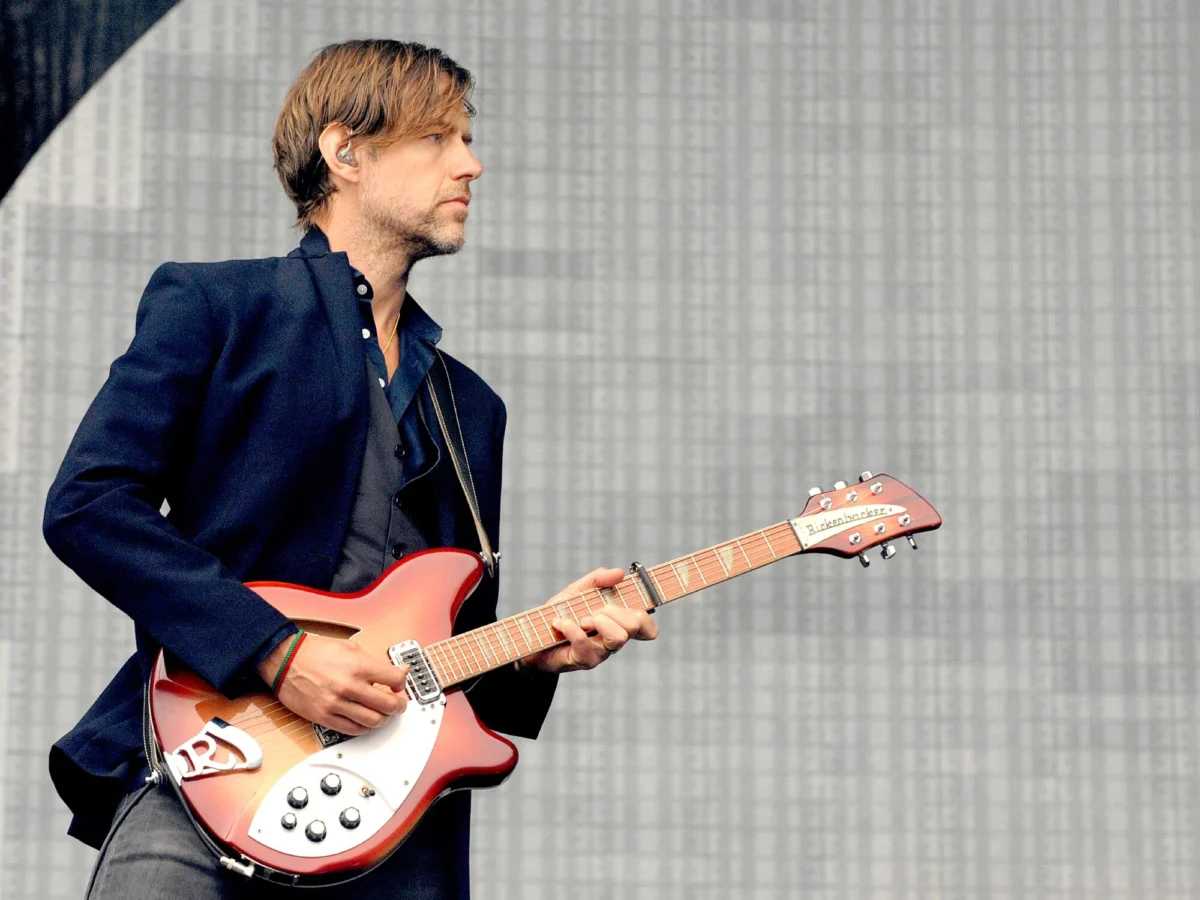
The eagerly anticipated return of Radiohead to the stage in 2025, following a seven-year hiatus, marks a significant chapter in the storied career of one of the most influential bands of their generation. However, this reunion almost never materialized, at least according to guitarist Ed O’Brien, who recently revealed in a candid interview with Rolling Stone that he initially believed the break was permanent and, at the time, found peace in that prospect. His insights shed light on the immense pressures and personal tolls of decades in the music industry, and the band’s deliberate strategy to ensure their future longevity and artistic integrity.
The Genesis of Disillusionment and Burnout
O’Brien’s reflection on the period immediately following Radiohead’s 2018 tour paints a picture of profound exhaustion and creative disillusionment. He openly stated, "I was done with Radiohead. It had got to a place where I just wasn’t enjoying it. I just didn’t resonate with it anymore, and I wanted to do my own thing… I think we’d run out of road. We’d run out of inspiration." This sentiment, while perhaps jarring to legions of devoted fans, speaks to the immense creative and emotional drain that can afflict artists who have dedicated their lives to a single, high-profile project. For over three decades, Radiohead had consistently pushed musical boundaries, producing a catalog of critically acclaimed and commercially successful albums, each accompanied by extensive global touring cycles. This relentless pace, coupled with the pressure to innovate and maintain their artistic standing, undoubtedly contributed to the burnout O’Brien experienced.
The seeds of this weariness were reportedly sown even earlier. The recording sessions for their ninth studio album, A Moon Shaped Pool, released in 2016, were widely rumored to be challenging. While the specific dynamics remain largely private, the album’s introspective and often melancholic tone, coupled with its themes of loss and uncertainty, could be seen by some as reflecting internal tensions or a collective artistic fatigue. Following the album’s release, the band embarked on a demanding tour that stretched into 2018. O’Brien admits his reluctance to participate, stating, "The others said they wanted to tour. I didn’t really want to tour, and they knew that. But I did it and I’m glad I did. I saw it through to the end." This sense of obligation, of fulfilling a commitment despite personal exhaustion, underscores the professional ethos within the band but also highlights the personal cost. The global scale of these tours, encompassing major festivals and arena dates across continents, demands a grueling schedule that can take a significant toll on physical and mental well-being.
A Hiatus of Self-Discovery and Creative Renewal
When the 2018 tour concluded, Radiohead entered what would become a seven-year hiatus. For O’Brien, this wasn’t merely a break but felt like an definitive end. "It was kind of scary at first," he confessed. "I really thought that was it on Radiohead. Actually, I sort of got off on that. I was just, ‘I’m done with it. I want another life.’" This yearning for a different existence, a break from the identity inextricably linked to Radiohead, led him, like his bandmates, to explore individual artistic avenues.
During this period, each member of Radiohead engaged in diverse solo and collaborative projects, illustrating a collective need for individual creative expression outside the band’s established framework. Thom Yorke continued his prolific solo career and work with The Smile, showcasing his electronic and experimental sensibilities. Jonny Greenwood further cemented his reputation as a celebrated film composer, earning Oscar nominations for his scores. Philip Selway released solo albums and collaborated with other musicians, while Ed O’Brien launched his own solo project under the moniker EOB, releasing his debut album Earth in 2020. This album, a blend of electronic soundscapes, folk influences, and spiritual themes, was a deeply personal endeavor that allowed O’Brien to step into the spotlight as a primary songwriter and vocalist, fulfilling a long-held ambition and providing a vital outlet for his accumulated creative energies. These individual pursuits were not merely side projects but critical periods of personal and artistic regeneration, allowing each member to rediscover their passion for music on their own terms, free from the collective expectations and historical weight of Radiohead. This period of separation and individual exploration was, ironically, crucial for the eventual, unexpected reunion.
The Emotional Return: 2025 European Dates
Fortunately for their global fanbase, O’Brien’s belief in a permanent split did not hold. The band eventually regrouped, culminating in their much-anticipated return to the stage in 2025. This limited run of shows across Europe — including iconic cities like Madrid, Bologna, London, Copenhagen, and Berlin — served as a powerful testament to their enduring appeal and the renewed chemistry within the group. The anticipation surrounding these dates was immense, with tickets selling out rapidly, underscoring the band’s continued relevance and the deep connection they share with their audience.
For O’Brien, being back onstage with Radiohead after such a long absence brought an entirely new perspective, one marked by profound emotion and gratitude. "That tour was very, very emotional, very profound. We all felt that," he recounted. "We’d look at one another on that stage, like, ‘This is amazing.’ I feel like I’m the luckiest person on the planet, and I’m not just saying that." This collective experience of shared emotion and renewed appreciation among the band members suggests that the hiatus successfully reset their relationship with the music and with each other. It transformed what had become a source of exhaustion into a renewed source of joy and profound connection, both internally and with their audience.
A New Paradigm for Touring: Sustainability and Artistry
Looking ahead, Radiohead is committed to a significantly more measured and sustainable approach to touring, a stark contrast to their previous demanding schedules. This strategic shift is designed to prevent a recurrence of the burnout that plagued O’Brien and, by extension, potentially other band members. Instead of immediately diving back into a full-scale global tour, the band plans to spread their live performances over an extended period.
"It’s definitely happening," O’Brien confirmed regarding future live plans. "What we’re going to do is, every year we’re going to do a different continent, and we’re going to do 20 shows each year. No more, no less." He further clarified that 2026 will be a quiet year for the band, with plans to reconvene for live activities in 2027. This innovative touring model represents a conscious decision by Radiohead to prioritize the well-being of its members and the quality of their performances over the sheer volume of shows. By limiting their annual commitments to a specific number and geographical region, they aim to avoid the physical and mental exhaustion that can compromise artistic delivery.
The rationale behind this approach is clear: "We want to give absolutely everything each night," O’Brien emphasized. "We do not ever want it to be like we’re going through the motions or we’re having to run on empty. We’ve got to be able to do it. And you know what? We’re not spring chickens anymore." This candid acknowledgment of their age and the physical demands of live performance underscores a mature understanding of their limitations and a steadfast commitment to artistic excellence. Many long-established bands face similar challenges, with some opting for extensive farewell tours while others, like Radiohead, seek a more sustainable path to continue performing for their dedicated fanbase. This model allows them to maintain a strong connection with their audience worldwide, rotating continents annually, while preserving their energy and passion for each individual show.
The Enduring Legacy of Radiohead
Radiohead’s decision to embrace a sustainable touring model not only ensures their continued presence in the music landscape but also sets a precedent for other veteran artists. It demonstrates that longevity in the music industry, particularly for bands with a demanding artistic output, requires adaptability and a willingness to redefine traditional touring structures. This approach allows them to protect their artistic integrity, ensuring that every performance is delivered with the intensity and passion that fans have come to expect from a band renowned for its captivating and often transformative live shows.
Since their formation in Abingdon, Oxfordshire, in 1985, Radiohead – comprising Thom Yorke, Jonny Greenwood, Colin Greenwood, Ed O’Brien, and Philip Selway – has consistently pushed the boundaries of alternative rock and electronic music. Albums like The Bends, OK Computer, Kid A, and In Rainbows are frequently cited as seminal works, influencing countless artists across genres. Their critical acclaim, numerous awards (including multiple Grammy Awards), and consistent presence on "greatest albums of all time" lists solidify their status as one of the most important and innovative bands of the past three decades.
The recent revelations from Ed O’Brien underscore the human element behind the artistic machine. It highlights that even at the pinnacle of success, the creative process and the demands of performance can lead to profound personal challenges. However, the band’s journey through hiatus, individual exploration, and a thoughtful return demonstrates a resilient spirit and a collective commitment to their craft. By carefully curating their future activities, Radiohead is not merely performing; they are ensuring that each moment on stage remains a profound experience, for themselves and for the global community of fans who continue to revere their extraordinary musical legacy. The future of Radiohead appears to be one of considered artistry, sustainable engagement, and a renewed appreciation for the unique bond they share.
