

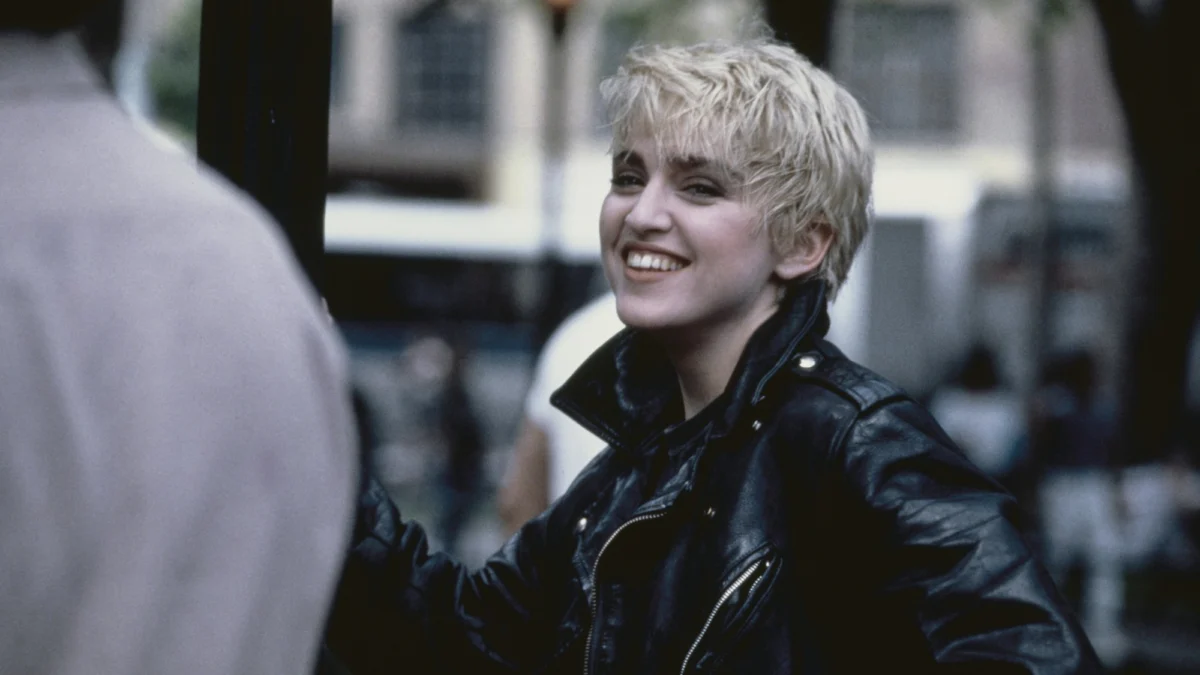
The landscape of popular music in 1986 represented a pivotal intersection of high-gloss production, the maturation of the music video medium, and a diversifying palate of genres that bridged the gap between post-disco R&B, synth-pop, and the burgeoning "sophisti-pop" movement. While the year is often remembered for the global dominance of Whitney Houston, Peter Gabriel, and Bon Jovi, a significant tier of high-charting singles provided the era with its unique sonic texture. Despite their initial commercial success and critical acclaim, several of these tracks have gradually receded from the primary rotation of classic hits radio and digital streaming "essentials" playlists. Examining the trajectory of four specific singles—The Blow Monkeys’ "Digging Your Scene," The Moody Blues’ "Your Wildest Dreams," Michael McDonald’s "Sweet Freedom," and Madonna’s "True Blue"—reveals a broader narrative about the evolution of the music industry and the shifting nature of cultural memory.
The Rise of Sophisti-Pop and The Blow Monkeys
In the mid-1980s, a subgenre emerged from the United Kingdom that critics labeled "sophisti-pop." Characterized by polished production, jazz-inflected arrangements, and the prominent use of brass and synthesizers, this movement sought to provide a more "grown-up" alternative to the primary-color synth-pop of the early decade. At the forefront of this movement were The Blow Monkeys, led by frontman Dr. Robert (Robert Howard). Their 1986 single "Digging Your Scene," taken from the album Animal Magic, stands as a hallmark of this aesthetic.
Musically, the track is a masterclass in mid-80s arrangement, featuring a soulful vocal delivery underpinned by a sophisticated bassline and shimmering production. However, beneath its sleek exterior, the song carried significant social weight. Dr. Robert wrote the lyrics as a response to the growing stigma surrounding the HIV/AIDS crisis within the club scene. The song peaked at No. 12 on the UK Singles Chart and reached No. 14 on the US Billboard Hot 100, marking the band’s most significant international success.
Industry analysts at the time noted that "Digging Your Scene" succeeded because it appealed to multiple demographics: the dance-oriented youth market and the more mature Adult Contemporary audience. Despite its peak positions, the song’s legacy has been somewhat overshadowed by more flamboyant hits of the era. Nevertheless, it remains a critical touchstone for the sophisti-pop genre, illustrating how 1986 was a year of musical refinement and social commentary hidden in plain sight.
The Moody Blues and the Synthesis of Legacy and Technology
The year 1986 was also a period of reinvention for legacy acts from the 1960s and 70s. The Moody Blues, a band originally synonymous with the progressive and psychedelic rock movements, achieved a remarkable commercial second wind with the release of "Your Wildest Dreams" from the album The Other Side of Life. This track represented a departure from the band’s mellotron-heavy roots, embracing the digital synthesizer technology and crisp percussion styles of the mid-80s.
"Your Wildest Dreams" resonated deeply with the "baby boomer" generation, who were then in their late 30s and 40s. The song’s lyrical theme—a nostalgic reflection on a past love—struck a chord during a decade that was increasingly obsessed with its own history. The track was a major commercial triumph, peaking at No. 9 on the Billboard Hot 100 and securing the No. 1 spot on the Billboard Adult Contemporary chart.
The success of the single was bolstered by an award-winning music video that utilized a narrative structure involving a middle-aged protagonist reminiscing about the band’s 1960s heyday. This meta-commentary on the band’s own longevity helped bridge the gap between their original fanbase and a new generation of MTV viewers. While the band’s 1967 classic "Nights in White Satin" remains their most enduring legacy, "Your Wildest Dreams" serves as a primary example of how 1986 allowed veteran artists to successfully navigate the transition into the digital age.
Michael McDonald and the Soundtrack Phenomenon
The mid-1980s was the undisputed golden age of the motion picture soundtrack. Films like Top Gun, Pretty in Pink, and Footloose turned singles into massive cultural events. In 1986, the action-comedy Running Scared, starring Gregory Hines and Billy Crystal, produced a standout hit in Michael McDonald’s "Sweet Freedom." McDonald, already a household name due to his tenure with The Doobie Brothers and a successful solo career, utilized the track to further cement his status as a titan of "blue-eyed soul."
"Sweet Freedom" was written and produced by Rod Temperton, the legendary songwriter behind Michael Jackson’s "Thriller" and "Rock with You." Temperton’s influence is evident in the song’s tight rhythmic structure and R&B-inflected pop sensibilities. The single reached No. 7 on the Billboard Hot 100 and performed exceptionally well on the Dance and Adult Contemporary charts.
The song’s current status as a "forgotten" hit is an anomaly, given its high chart placement and the caliber of its production team. Historians of the era suggest that because the song was so closely tied to a specific film and a specific "yacht rock" aesthetic that briefly fell out of fashion in the 1990s, it was not afforded the same "timeless" status as McDonald’s earlier work. However, in the context of 1986, "Sweet Freedom" represented the peak of high-budget, high-polish pop-R&B crossover success.
Madonna and the Imperial Phase of True Blue
By 1986, Madonna had moved beyond the "Boy Toy" image of her debut to become a global cultural force. Her third studio album, True Blue, was a commercial juggernaut, eventually becoming one of the best-selling albums of the decade. While the album produced iconic hits like "Papa Don’t Preach," "Live to Tell," and "La Isla Bonita," the title track "True Blue" occupies a unique space in her discography.
"True Blue" was a stylistic pivot, a retro-inspired bubblegum pop song that paid homage to the girl groups of the early 1960s. Co-written and co-produced by Stephen Bray, the track was a "pure" pop effort that contrasted sharply with the more provocative and socially conscious "Papa Don’t Preach." The single was an international success, peaking at No. 3 on the Billboard Hot 100 and reaching No. 1 in the United Kingdom, Ireland, and Canada.
The song’s relative absence from modern "best of" rotations is likely due to the sheer volume of Madonna’s hits. In a career defined by reinvention and controversy, a straightforward love song like "True Blue" is often sidelined in favor of her more transformative works. Yet, the song remains a crucial data point in the chronology of 1986; it demonstrated Madonna’s ability to dominate the charts with diverse sounds and solidified the True Blue album as a defining document of the mid-80s pop explosion.
Chronology and Market Dynamics of 1986
To understand why these songs emerged when they did, one must look at the broader timeline of 1986. The year began with the music industry still reeling from the success of Live Aid in late 1985, which had reinvigorated interest in global pop stars and humanitarian efforts.
- First Quarter: The Blow Monkeys released Animal Magic in March, capitalizing on a spring season that favored lighter, more melodic European imports.
- Second Quarter: The Moody Blues released The Other Side of Life in April, while Madonna launched the True Blue campaign in June. This period saw a shift toward "summer anthems" and the heavy rotation of music videos on MTV and VH1.
- Third Quarter: Michael McDonald’s "Sweet Freedom" gained momentum alongside the theatrical release of Running Scared in June, peaking throughout the summer months.
The market dynamics of 1986 were also influenced by the rapid adoption of the Compact Disc (CD) format. This year was the first time many consumers began replacing their vinyl collections with digital versions, leading to a surge in sales for established artists who could deliver high-fidelity recordings. The four tracks discussed were all beneficiaries of this technological shift, featuring the clean, expansive soundstages that the CD format was designed to showcase.
Broader Impact and Industry Implications
The "niche" status of these songs today does not diminish their historical impact. Instead, it highlights a specific phenomenon in the music industry: the "middle-class" hit. These are songs that achieve Top 20 status, generate significant revenue, and define the sound of a year, yet do not possess the "evergreen" qualities required to survive the thinning of playlists over decades.
The sophisti-pop of The Blow Monkeys paved the way for later acts like Swing Out Sister and Basia, while the synth-rock success of The Moody Blues proved that there was a lucrative market for "AOR" (Album Oriented Rock) acts to pivot toward pop. Michael McDonald’s soundtrack success reinforced the symbiotic relationship between Hollywood and the recording industry, a model that would dominate the 1990s with artists like Celine Dion and Bryan Adams. Finally, Madonna’s "True Blue" proved that a superstar could reach No. 1 by looking backward to 1960s tropes just as easily as they could by pushing forward into the future.
In conclusion, the hits of 1986 were more than just background noise; they were reflections of a sophisticated, technologically advancing, and genre-blurring industry. While "Digging Your Scene," "Your Wildest Dreams," "Sweet Freedom," and "True Blue" may no longer be the first songs mentioned when discussing the decade, their presence on the charts in 1986 was essential to the era’s identity. They represent a moment in time when the pop charts were a broad tent, capable of housing soulful social commentary, nostalgic rock, cinematic R&B, and retro-pop within the same broadcast hour. For the modern listener, revisiting these tracks offers a deeper, more nuanced understanding of the 1980s beyond the standard "greatest hits" narrative.
