

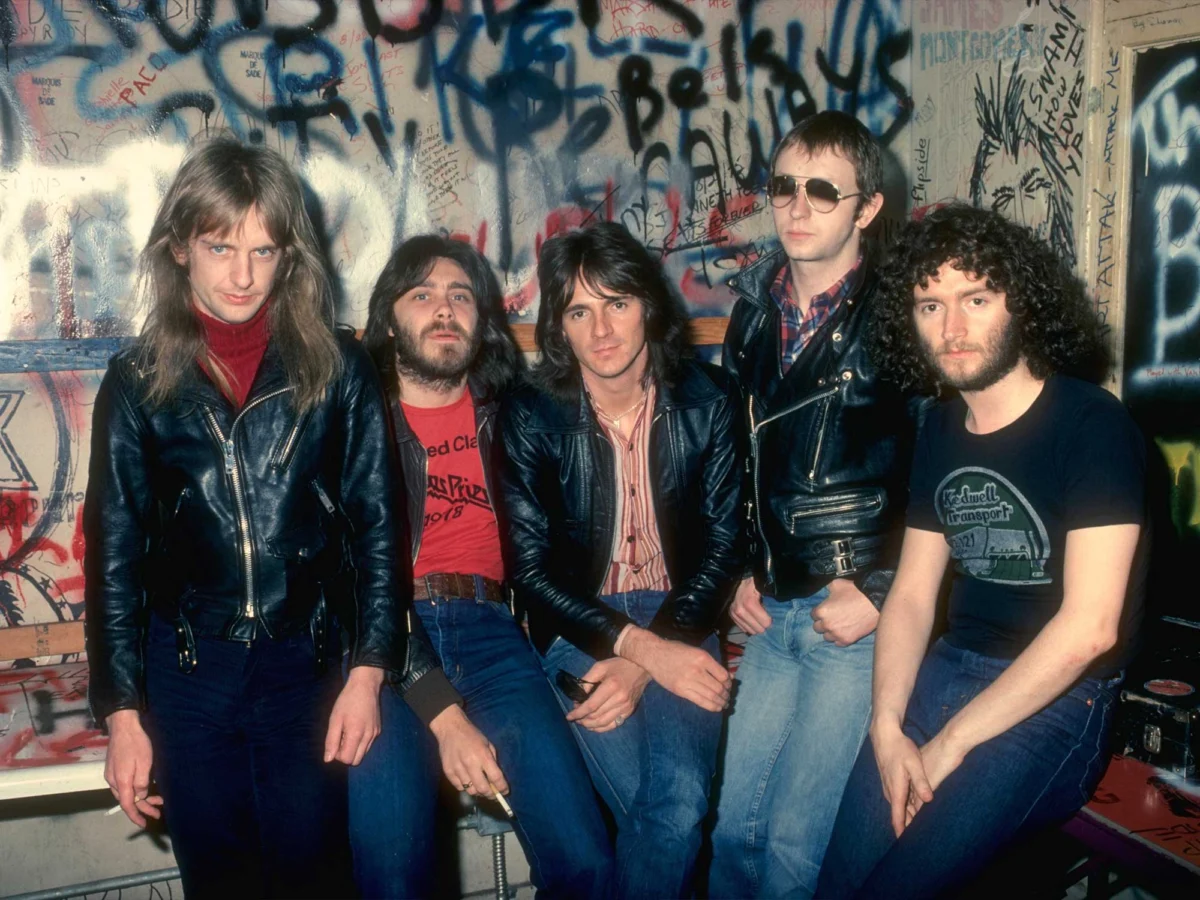
The ascent of Judas Priest from the gritty industrial landscape of Birmingham to the hallowed halls of heavy metal legend is a testament to relentless perseverance, artistic evolution, and an unwavering commitment to their craft. As recounted by frontman Rob Halford in a recent interview with Classic Rock, the iconic British outfit, now universally recognized as one of the most influential bands in music history, endured a decade of significant financial hardship and ceaseless touring before achieving the widespread commercial success that would solidify their status. This period, characterized by profound dedication and often dire circumstances, laid the foundational grit for the sound that would eventually define a genre and inspire legions of musicians.
The Genesis of a Metal Icon: Humble Beginnings in Birmingham
Formed in 1969 in West Bromwich, Birmingham, Judas Priest emerged from a region that was simultaneously the crucible of heavy industry and the birthplace of heavy metal itself, thanks to pioneers like Black Sabbath. The band’s initial years were marked by frequent lineup changes and a slow, arduous process of finding their sonic identity. Rob Halford joined in 1973, bringing with him a vocal range and theatricality that would become synonymous with the band’s identity. Alongside guitarists K.K. Downing and Glenn Tipton, and bassist Ian Hill, Halford completed the classic lineup that would embark on the challenging journey to stardom.
Their early existence was a far cry from the stadium-filling spectacle they would later become. As Halford vividly remembers, the financial realities were stark. "They couldn’t afford to pay us a fiver each in wages," he revealed, recalling their initial record deal with independent label Gull Records in the early 1970s. This anecdote encapsulates the struggle faced by countless aspiring musicians: "It was a case of: ‘Do we spend this five pounds on some chips, or do we buy petrol?’ And we always chose the petrol so we could get to the next gig. But most bands go through the same." This period of self-sacrifice, where basic necessities were weighed against the imperative to perform, underscores the deep-seated commitment the band held for their musical aspirations. The broader economic climate in the United Kingdom during the 1970s, characterized by industrial unrest, high inflation, and economic uncertainty, undoubtedly exacerbated these struggles for emerging artists operating on razor-thin margins.
The Crucial Years: Developing a Sound and Paying Dues
Judas Priest’s early career was a masterclass in grassroots development. Before securing their first record deal, they honed their chops performing in pubs and clubs across the UK, eschewing cover songs in favor of their original material from the outset. Halford emphasized this commitment to originality: "From day one we were playing songs like Never Satisfied or Whisky Woman, which later turned into Victim of Changes, and whatever else we were noodling with at the time." This dedication to developing their own repertoire, even when it meant a slower path to broader acceptance, was a defining characteristic.
Their debut album, Rocka Rolla, released in 1974 through Gull, introduced the world to their nascent sound, a blend of hard rock, blues, and nascent heavy metal elements. While it garnered limited commercial attention, it was a vital first step. Halford candidly admits to retrospectively cringing at some of his early lyrical efforts on tracks like Rocka Rolla or Winter’s Retreat, attributing it to youthful inexperience and the necessity of writing original material. However, this formative period was crucial for their artistic growth.
The albums that followed Rocka Rolla—Sad Wings of Destiny (1976), Sin After Sin (1977), Stained Class (1978), and Killing Machine (1978, released as Hell Bent for Leather in the US)—demonstrated a rapid evolution in their sound. Each release saw them shedding more of their blues-rock roots and embracing a heavier, more aggressive, and distinctly metal aesthetic. Sad Wings of Destiny, in particular, is often cited by critics and fans as a pivotal work that showcased their dual-guitar attack, Halford’s soaring vocals, and increasingly complex song structures. This output, though not yielding massive commercial success immediately, built a loyal underground following and established them as a formidable live act. The rigorous touring schedule accompanying these releases, traversing countless venues in a perpetually fuel-starved van, forged a bond within the band and sharpened their stage presence.
Influences and the Birth of a New Sound
Halford’s recollections of the band’s musical inspirations highlight the melting pot from which Judas Priest’s unique sound emerged. He recalls sitting with guitarist K.K. Downing, absorbing a diverse range of artists: "We were at the beginning of something new and experimental in music. We were passing from the hippie phase into a time when everything was getting louder." This era saw them drawing from the progressive rock intricate compositions of Yes and Jethro Tull, the guitar virtuosity of Jimi Hendrix, the hard rock swagger of Wishbone Ash, and, crucially, the pioneering heavy sounds of Black Sabbath, Led Zeppelin, and Deep Purple. This eclectic mix allowed them to synthesize elements into something fresh and potent, contributing to the burgeoning New Wave of British Heavy Metal (NWOBHM) movement that would soon sweep the globe. Their innovative use of twin lead guitars, pioneered by Downing and Tipton, would become a hallmark of the genre, influencing countless bands that followed.

The Breakthrough: British Steel and Mainstream Acclaim
The decade of relentless gigging, musical experimentation, and financial sacrifice culminated in the release of their sixth studio album, British Steel, in 1980. This album marked a definitive turning point for Judas Priest, propelling them into the mainstream and securing their commercial breakthrough. Featuring iconic tracks like "Breaking the Law" and "Living After Midnight," British Steel was a streamlined, powerful declaration of heavy metal intent. The album eschewed some of the progressive elements of their earlier work in favor of concise, anthemic tracks designed for maximum impact, without sacrificing their inherent heaviness.
British Steel was a critical and commercial success, reaching No. 4 on the UK Albums Chart and becoming their first album to be certified Platinum in the United States. Its impact extended far beyond sales figures; it helped define the sound and aesthetic of the New Wave of British Heavy Metal, inspiring a generation of bands and cementing Judas Priest’s reputation as true innovators. The album’s success was not merely a stroke of luck but the direct result of years of dedicated work, refining their sound, and building an audience one gig at a time. It demonstrated that their initial struggles were not in vain, but rather integral to forging the resilient, powerful band they became.
A Legacy Forged in Fire: Enduring Influence and Global Impact
Having paid their dues in the most literal sense, Judas Priest went on to become one of the most important and influential bands in the history of heavy metal. Their unique blend of aggressive riffing, operatic vocals, and a distinctive visual style (often incorporating leather and studs) set a new standard for the genre. Their impact can be seen and heard in the work of countless bands across the metal spectrum. Giants like Metallica, often lauded as the biggest metal band in the world, have frequently cited Judas Priest as a primary influence, particularly their dual-guitar harmonies and relentless energy. Iron Maiden, another titan of British metal, similarly drew inspiration from Priest’s innovative approach to songwriting and stage presence. Beyond these immediate successors, bands from Slayer to Anthrax to Megadeth, and indeed countless others in various subgenres, owe a significant debt to Judas Priest for pioneering much of what defines heavy metal today.
The band’s commitment to touring has remained a constant throughout their career, a direct echo of their early days where playing live was paramount. Their global tours have taken them to every corner of the world, building a dedicated fanbase that spans generations. Even decades after their commercial peak, Judas Priest continues to release new music and embark on extensive tours, demonstrating an enduring vitality that belies their long history. Their latest album releases and ongoing tour dates, available on their official website, serve as a testament to their unwavering passion for heavy metal.
Analysis of Implications: The Enduring Narrative of Perseverance
Rob Halford’s candid reflections offer more than just a nostalgic look back; they provide crucial insights into the arduous, often thankless, process of artistic creation and eventual triumph. The story of Judas Priest choosing petrol over food for a "fiver" encapsulates the essence of paying one’s dues—a narrative that resonates deeply within the music industry. It highlights the stark realities faced by artists striving for authenticity and recognition in a competitive landscape, where passion must often outweigh immediate financial gratification.
The band’s journey from independent label struggles with Gull Records to mainstream success with British Steel illustrates a powerful trajectory. It underscores the importance of a strong artistic vision and the resilience required to navigate an industry that often demands significant sacrifices. Their early struggles arguably imbued them with a fierce independence and a deep appreciation for their fanbase, characteristics that have defined their long and successful career. The rigorous development of their sound, from the more experimental Rocka Rolla to the refined power of British Steel, demonstrates a band constantly striving for evolution and perfection.
Ultimately, Judas Priest’s story, as illuminated by Rob Halford, is a powerful narrative of perseverance. It is a reminder that even the most iconic figures in music often begin with humble, challenging origins, where every decision, every gig, and every ounce of effort contributes to the eventual construction of a legacy that transcends mere commercial success to achieve true cultural impact. Their influence is not just in their discography, but in the enduring spirit of metal itself—a spirit forged in the fire of early struggles and tempered by an unyielding dedication to the power of sound.
