

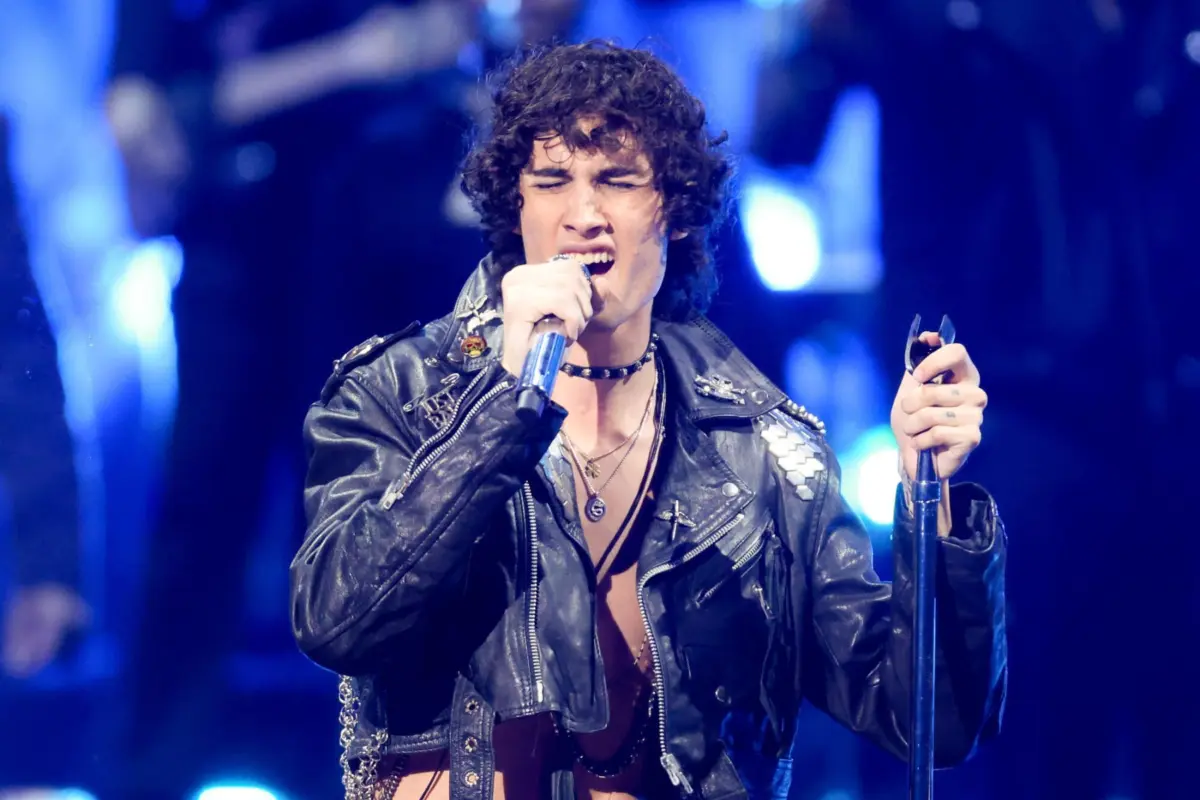
Pop sensation Sombr recently found himself pausing a performance during his ongoing tour to directly confront a disruptive individual in the crowd, reigniting discussions around fan conduct at live events and the mental fortitude required of artists in the public eye. The incident, which occurred at a Sunday concert in Columbus, Ohio, saw the artist express profound dismay over a concertgoer repeatedly making rude gestures, specifically flipping the middle finger, throughout his set. Sombr’s poignant plea for respect underscored a growing sentiment within the music community that live venues should remain "safe spaces" for both performers and attendees, a concept increasingly challenged by the evolving dynamics of fan interaction and social media scrutiny.
The Incident in Columbus: A Breach of Sanctuary
The confrontation unfolded when Sombr, mid-performance, stopped his show to address a particular individual in the audience. According to clips that quickly circulated online, shared notably by accounts like PopCrave on platforms such as X (formerly Twitter), the singer articulated his frustration: "[He] just keeps flipping me off and flipping me off every night." This wasn’t an isolated gesture but a persistent act of negativity that visibly impacted the artist. Sombr described the individual as "this guy with the shades and the leather jacket right here," providing enough detail to identify the culprit within the crowd.
His address to the disruptive fan was direct and emotionally charged. "Man, I don’t know why you’re coming to my concert if you’re gonna keep flipping me off," he stated, his voice conveying a mix of confusion and hurt. He emphasized the core ethos he wishes to maintain at his shows: "It’s all love, but please, please don’t flip me off at my show." The most telling part of his statement, however, was his personal admission of distress and his broader vision for his concerts: "It’s really making me sad, man. I don’t appreciate it. This is a safe space. I want everyone here to be kind to each other." This declaration resonated widely, highlighting the vulnerability artists feel on stage and their desire to foster positive environments. The immediate outcome of Sombr’s appeal to the individual remains unclear; whether the gestures ceased or if the person was removed from the venue was not publicly reported. However, the public nature of the confrontation served as a stark reminder of the challenges artists face in controlling the atmosphere of their own performances.
The Evolving Landscape of Fan-Artist Interaction
The Columbus incident is not an isolated occurrence but rather a symptom of broader shifts in the relationship between artists and their audiences. In an era dominated by social media and instant digital dissemination, the line between constructive criticism, casual commentary, and outright harassment has become increasingly blurred.
The "Safe Space" Ethos in Modern Concerts
The concept of a "safe space" at concerts has gained significant traction in recent years, particularly in the wake of renewed discussions about audience behavior, inclusivity, and mental health. For artists like Sombr, a concert is not merely a platform for performance but a communal experience designed to foster connection and shared enjoyment. When this space is violated by aggressive or disrespectful behavior, it undermines the very foundation of this experience. Industry professionals and venue operators are increasingly tasked with balancing the freedom of expression for attendees with the need to protect performers and ensure a positive environment for all. This often involves clear codes of conduct, visible security presence, and a readiness to intervene when behavior crosses the line from enthusiastic fan interaction to disruptive or threatening conduct. The explicit articulation of a concert as a "safe space" by an artist carries significant weight, signaling a boundary that, when breached, impacts not just the performer but potentially the entire audience’s experience.
Social Media’s Amplifying Effect
The rapid spread of the incident’s clips on platforms like X underscores the dual nature of social media in contemporary culture. While it allows for unprecedented fan engagement and connection, it also provides a fertile ground for negativity to fester and incidents to be amplified. Viral moments, whether positive or negative, can define an artist’s narrative, sometimes overshadowing their artistic output. For Sombr, the immediate sharing of the confrontation meant that his personal disappointment became a public spectacle, drawing widespread attention to an issue that many artists face but often address behind the scenes. This constant digital gaze adds another layer of pressure to live performances, where every interaction, every reaction, can be captured, dissected, and debated by millions online.
A History of Resilience Against Negativity
This recent incident is not Sombr’s first encounter with public negativity. His career trajectory has seen him navigate the often-harsh landscape of online commentary. He previously garnered headlines when he publicly defended himself against a viral TikTok video that disparaged his concert performance and even his appearance. This prior experience highlights a pattern of Sombr taking a proactive stance against unwarranted criticism, demonstrating a commitment to protecting his artistic integrity and mental well-being. Such instances are becoming increasingly common for artists, forcing them to develop strategies for resilience in the face of relentless public scrutiny.
Navigating Negativity: Lessons from a Legend
In a revealing interview with Elle magazine, Sombr shared profound advice he received from none other than global superstar Taylor Swift regarding how to cope with the deluge of hate comments that often accompany widespread success. Swift’s perspective offered Sombr a powerful reframing of negativity, transforming it from a source of discouragement into an indicator of relevance and impact.
"One of the best pieces of advice the legend has given me… is that if these hate comments go away, maybe you’re not at your peak anymore," Sombr recounted. This sentiment suggests that the presence of detractors is, paradoxically, a sign of an artist’s prominence and influence. When an artist is making waves, challenging norms, or simply achieving significant success, they inevitably attract both fervent admirers and vocal critics. Swift’s advice implies that to be ignored is to be irrelevant, whereas to be criticized, even harshly, confirms one’s position in the cultural spotlight.
Sombr elaborated on the transformative effect of this wisdom: "I think it’s a privilege to be receiving these and rise above it. Ever since she gave me that advice, it’s really changed my perspective and has helped." This shift in perspective is crucial for artists enduring the relentless demands of fame. It encourages them to view negativity not as a personal failing but as an external byproduct of their success, thereby fostering a sense of empowerment and resilience. By embracing the "privilege" of receiving hate comments and committing to "rise above it," artists can maintain their focus on their craft and their audience, rather than being derailed by external noise. This advice from a seasoned artist like Swift, who has navigated decades of intense public scrutiny, offers a vital coping mechanism for younger artists like Sombr, emphasizing mental fortitude as a cornerstone of sustained success in the music industry.
Beyond the Flipper: Other Tour Interruptions
While the fan confrontation in Columbus brought a serious tone to Sombr’s tour, it was not the only unexpected interruption he has faced on his journey supporting I Barely Know Her. The rigors of a demanding tour schedule can often lead to unforeseen incidents, some more lighthearted than others.
During his November 3rd show in Milwaukee, Sombr experienced a physical mishap that temporarily halted his performance. In a moment of intense energy or perhaps just a miscalculation, he chipped his tooth on his water bottle mid-performance. This unexpected dental incident, while certainly painful and momentarily disruptive, carried a distinctly different emotional weight than the fan negativity.
"Oh, sh—! I chipped my tooth again!" he exclaimed at the time, indicating it might not have been a first-time occurrence. He then injected humor into the situation, quipping, "I’m so happy to inform all of you that ‘Thombr’ has returned." This playful reference to a potential alter ego or a running gag with his fans allowed him to quickly defuse the situation and reconnect with the audience through shared laughter. The chipped tooth incident, while an interruption, served to highlight the raw, unscripted nature of live performance and Sombr’s ability to handle unexpected challenges with a blend of professionalism and relatable humor. It stands in contrast to the emotional toll of deliberate disrespect, reminding audiences of the varied challenges artists encounter on stage, from physical mishaps to psychological pressures.
Broader Implications for Live Music and Fan Culture
The incident involving Sombr and the disruptive fan in Columbus resonates far beyond a single concert, touching upon critical issues facing the live music industry and the evolving dynamics of fan culture.
Venue Responsibility and Security
Concert venues and event organizers play a pivotal role in creating and maintaining the "safe space" that artists like Sombr advocate for. This involves robust security protocols, clear communication of acceptable behavior, and swift intervention when those boundaries are crossed. For an incident like the one in Columbus, venue security would typically be expected to identify and address the disruptive individual. The challenge lies in balancing the desire for an energetic and interactive atmosphere with the need to protect performers from harassment and ensure the comfort of all attendees. Many venues now employ enhanced surveillance, trained security personnel, and even anonymous reporting systems for concertgoers to report problematic behavior. The public nature of Sombr’s address to the fan might prompt a review of how quickly and effectively security can respond to such situations without the artist having to break character.
The Modern Concert Experience
The experience of attending a concert has undergone significant transformation. While the core joy of live music remains, the pervasive presence of smartphones and social media has altered audience behavior. The impulse to film, share, and comment instantly can sometimes lead to a detachment from the live moment or, in extreme cases, a sense of entitlement where some attendees feel empowered to directly interact with or provoke artists. Incidents like this raise questions about collective audience responsibility. A concert is a shared experience, and disruptive behavior from one individual can detract from the enjoyment of hundreds or thousands of others, as well as significantly impact the artist’s performance. Fostering a culture of mutual respect among attendees and towards performers is crucial for preserving the integrity and magic of live music.
Industry Dialogue on Artist Well-being
The emotional vulnerability displayed by Sombr on stage highlights a broader industry conversation about artist mental health and well-being. The constant pressure of touring, public scrutiny, social media commentary, and the occasional direct confrontation can take a significant toll. Major music organizations, labels, and artist management teams are increasingly recognizing the need for comprehensive mental health support for artists. This includes access to therapy, wellness programs, and strategies for coping with the unique stresses of their profession. Sombr’s openness about feeling "sad" due to the fan’s actions contributes to destigmatizing mental health discussions within the often-glamorized music industry, reminding audiences that behind the stage lights and star power are human beings susceptible to emotional impact.
Sombr’s Continued Journey: The I Barely Know Her Tour
Despite these challenges, Sombr remains dedicated to his craft and his audience. The tour, which has dates scheduled through summer 2027, is in robust support of his debut album, I Barely Know Her. The album achieved significant commercial success, debuting at No. 10 on the prestigious Billboard 200 chart, a testament to his rising popularity and critical acclaim. This chart performance underscores the artist’s current "peak," as referenced in Taylor Swift’s advice, and explains why he continues to draw large crowds and, consequently, a diverse range of reactions.
The tour itself is a demanding endeavor, encompassing numerous cities and performances, showcasing Sombr’s commitment to connecting with his fanbase across the country. Each show, whether marked by fan disruption or minor physical mishaps, adds to the tapestry of his live performance career. Through it all, Sombr’s public stance on maintaining "safe spaces" at his concerts serves as a clear message not only to his fans but to the broader music community: respect, kindness, and mutual appreciation are fundamental to the live music experience.
In conclusion, Sombr’s direct address to a disruptive fan in Columbus was more than just a momentary interruption; it was a potent articulation of an artist’s desire for a respectful environment, a sentiment echoed across the industry. Coming from an artist who has publicly navigated negativity and sought wisdom from industry titans like Taylor Swift, the incident underscores the ongoing tension between artistic vulnerability and audience conduct. As Sombr continues his successful I Barely Know Her tour, his experience contributes to a vital dialogue about the evolving nature of fan-artist interaction, the importance of venue responsibility, and the imperative of prioritizing artist well-being in the demanding world of live music. His commitment to fostering "safe spaces" will undoubtedly resonate with many, shaping expectations for concert etiquette in the years to come.
