

The global independent music sector has undergone a seismic shift over the last decade, transitioning from a peripheral segment of the entertainment industry to a dominant force that currently accounts for a significant portion of total recorded music revenue. As digital distribution platforms like Spotify and Apple Music report upwards of 120,000 new tracks uploaded daily, the primary challenge for the independent artist has shifted from production to visibility. In this saturated market, professional networking and strategic collaboration have emerged as the most critical levers for career sustainability. Industry data suggests that artists who engage in cross-genre collaborations and community-based networking see a 30% higher retention rate in listener engagement compared to those operating in isolation. This report examines five unconventional yet highly effective methodologies for independent musicians to expand their professional circles, backed by industry trends, historical context, and organizational case studies.
The Shift Toward Multi-Disciplinary Artistic Integration
The traditional "music-only" networking model is increasingly being replaced by a multi-disciplinary approach. For the modern independent artist, the local arts scene—comprising visual artists, theater troupes, and digital creators—represents an untapped reservoir of collaborative potential. Historical precedents, such as the Warhol Factory era or the 1970s New York punk and art-rock scenes, demonstrate that music thrives when it intersects with other mediums.

Industry analysts observe that visual art galleries and performance poetry events often attract "cultural tastemakers" who are influential in local ecosystems. By attending these events, musicians position themselves as part of a broader creative class rather than just another performer seeking a gig. For instance, the rise of immersive art installations has created a niche market for bespoke soundtracks and live sonic branding. A sculptor seeking an auditory dimension for a gallery opening or a boutique theater company requiring original scores for a limited-run production offers more than just a paycheck; these opportunities provide entry into high-value networks that are often closed to traditional cold-calling tactics.
Institutional Support and the Role of Peer-Led Workshops
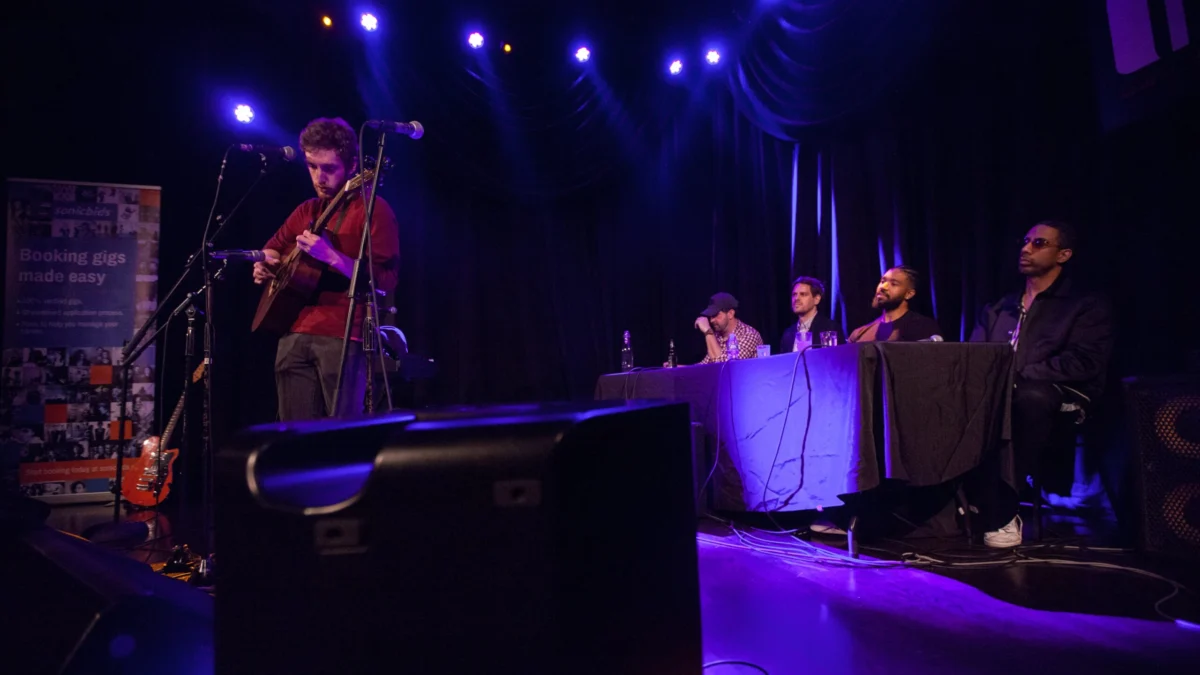
A significant development in the professionalization of the independent sector is the rise of the "Feedback Collective" and similar songwriting workshops. Organizations like Sonicbids have pioneered these initiatives to bridge the gap between amateur performance and professional industry standards. The Feedback Collective, often hosted in major musical hubs, serves as a dual-purpose vehicle: it provides technical skill enhancement while simultaneously acting as a high-density networking event.
The chronology of these workshops typically involves a panel discussion featuring industry veterans, followed by a peer-review session where artists critique each other’s work in a structured environment. This format removes the social anxiety often associated with networking by providing a shared objective. When a rock guitarist collaborates with a jazz saxophonist in a workshop setting, the result is frequently a "genre-fluid" project that appeals to the modern listener’s diverse palate. Data from the 2023 Independent Artist Report indicates that 45% of successful independent collaborations in the past two years originated in structured educational or peer-led environments rather than social media interactions.

Digital Ecosystems and the Evolution of Niche Platforms
While mainstream social media platforms like Instagram and TikTok remain essential for fan-facing marketing, professional networking is increasingly migrating to specialized digital environments. Platforms such as BandLab and SoundCloud have evolved from simple hosting sites into robust collaborative workstations. BandLab, which recently surpassed 60 million users, offers cloud-based Digital Audio Workstations (DAW) that allow musicians from different continents to track and mix songs in real-time.
The logic behind utilizing these platforms lies in the "prosumer" nature of the audience. Unlike the passive consumers on mainstream social media, users on BandLab and SoundCloud are often creators themselves. Professional engagement in these spaces involves more than just content distribution; it requires "active listening" and meaningful interaction. Leaving detailed, technical feedback on a peer’s track often leads to "split-sheet" collaborations—agreements where artists share the publishing rights to a co-created work. This strategy not only fosters creative growth but also facilitates "audience cross-pollination," where the followers of one artist are introduced to the collaborator, effectively doubling the reach of a single release.
The Labor-for-Access Model in the Festival Circuit
Music festivals represent the pinnacle of high-density networking, yet for many independent artists, the barrier to entry as a performer is prohibitively high. An emerging trend among career-minded musicians is to enter these spaces through volunteerism or "shadowing" roles. By working in production, hospitality, or artist relations, musicians gain "behind-the-scenes" access to event organizers, talent buyers, and established headliners.

The festival ecosystem operates on a hierarchy of access. Volunteers often find themselves in green rooms or production offices where they can observe the logistical and business operations of a major tour. Statements from festival organizers at events like SXSW (South by Southwest) suggest that a significant percentage of their seasonal staff are aspiring professionals seeking to understand the industry’s inner workings. The timeline of a festival volunteer often begins months before the event with training sessions and ends with post-festival "wrap parties," both of which are prime networking windows. This "labor-for-access" model provides a level of industry insight that is rarely available through traditional networking channels.
Leveraging Fanbase Intelligence for Professional Connections
The final and perhaps most overlooked resource for networking is the artist’s existing fanbase. The "1,000 True Fans" theory, popularized by Kevin Kelly, posits that an artist does not need millions of followers to be successful, but rather a dedicated core of supporters. In the contemporary digital economy, this fanbase can be utilized as a decentralized "street team" and a source of professional leads.
Modern Customer Relationship Management (CRM) tools allow artists to survey their audience to identify individuals with professional ties to the industry. It is not uncommon for an independent artist to discover that their most active listener is also a local venue owner, a graphic designer, or a publicist. By involving the fanbase in the creative process—through polls regarding potential collaborators or "Ask Me Anything" (AMA) sessions—artists can uncover connections that would otherwise remain hidden. This democratized approach to networking shifts the power dynamic, turning the audience from passive listeners into active stakeholders in the artist’s career trajectory.

Economic Implications and the Future of Independent Collaboration
The shift toward these five networking strategies reflects a broader economic reality: the "middle class" of the music industry is being rebuilt by independent creators who prioritize community over competition. A brief analysis of current market trends suggests that "hyper-local" networking—focusing on one’s immediate geographic and digital vicinity—yields a higher return on investment (ROI) than broad-spectrum digital advertising.
According to a 2024 Midia Research report, independent artists are the fastest-growing segment of the music business, outpacing the growth of major labels in terms of percentage increase in market share. This growth is largely attributed to the agility of independent musicians in forming collaborative networks. As the industry continues to decentralize, the ability to navigate these five networking pillars will distinguish the hobbyist from the professional.
The broader implications of this shift are profound. We are seeing a move away from the "gatekeeper" model, where a few executives decided which artists were heard, toward a "network" model, where success is determined by the strength and diversity of an artist’s professional relationships. For the independent musician, networking is no longer a peripheral activity; it is the core infrastructure upon which a sustainable career is built. By embracing local arts, institutional workshops, niche digital platforms, festival labor, and fan intelligence, musicians can navigate the complexities of the modern industry with greater resilience and creative freedom. The future of music is not just in the hands of the creators, but in the strength of the communities they build.
