


The halftime show of Super Bowl LX, held at Levi’s Stadium in Santa Clara, California, has been hailed by industry analysts and media critics as a landmark achievement in live production, described by the Meedia editorial team as a "real-time music video" that transcended traditional broadcast boundaries. While the spectacle lasted the customary thirteen minutes, its impact has resonated far beyond the stadium’s confines, setting new records for global visibility, digital engagement, and technical sophistication. This milestone event represents a convergence of high-capacity networking, state-of-the-art audio-visual engineering, and a narrative-driven creative direction that prioritized human stories alongside global superstardom.
The Technological Backbone of Levi’s Stadium
The success of the Super Bowl LX halftime show was predicated on a massive technological overhaul of Levi’s Stadium. Originally opened in 2014, the venue underwent an extensive infrastructure refresh leading up to the 2026 championship to accommodate the burgeoning demands of modern "smart stadium" requirements. At the heart of this renovation was the integration of a centralized Cisco network boasting over 12,000 ports. This robust digital nervous system was designed to handle not only the internal operations of the stadium—ranging from point-of-sale systems to security—but also the immense data traffic generated by over 70,000 fans and a global media contingent.
Security technology played a pivotal role in the stadium’s operation, utilizing advanced AI-driven monitoring to protect both the infrastructure and the guests. Crucially, these systems were implemented to ensure that security measures did not impede the flow of visitors, maintaining a seamless experience from the turnstiles to the seats. Connectivity was further bolstered by the installation of approximately 1,500 Wi-Fi 7 access points. This represented one of the first large-scale deployments of Wi-Fi 7 in a sports environment, providing the bandwidth necessary for fans to stream high-definition content and engage with augmented reality (AR) features in real-time. Major telecommunications providers, including AT&T and Telekom, supplemented this with dedicated 5G and fiber-optic backbones to ensure zero-latency communication for broadcasters and emergency services.
Audio-Visual Engineering and Broadcast Excellence
For the halftime performance itself, the technical requirements reached "dizzying" proportions, according to production insiders. The audio experience was powered by a newly integrated JBL sound system, designed and installed by Clair Global Integration. This system was tasked with providing studio-quality audio in an open-air stadium environment, a feat achieved through precision line-array configurations and advanced digital signal processing that accounted for the stadium’s unique acoustics.
The visual broadcast of the event was delivered in native 4K HDR, utilizing a triple-digit count of Sony cameras positioned throughout the venue. This included specialized high-speed cameras, spider-cams for sweeping aerial shots, and ultra-low-light sensors to capture the nuance of the stage lighting. Complementing the visual feast was an equally impressive array of hundreds of microphones, capturing everything from the thunderous roar of the crowd to the subtle strings of a solo violin.
Industry experts noted that the most successful aspect of the technical delivery was its "invisibility." As Detlef Hoepfner of LEaT magazine observed, technical service is at its best when it fades into the background, allowing the artistic result to take center stage. The seamless execution of these complex systems provided the necessary safety and reliability for the performers, enabling them to focus entirely on the creative execution of the show.
Narrative and Creative Direction: The Bad Bunny Era
The creative centerpiece of the Super Bowl LX halftime show was global icon Bad Bunny, whose performance was characterized by a deep layering of social statements, symbolic set details, and a diverse cast of protagonists. Moving away from the purely pyrotechnic-heavy displays of previous years, this production leaned into a more cinematic and narrative-driven approach.
The performance was structured as a series of vignettes that highlighted various aspects of the human experience. One of the most talked-about moments involved a brief, live glimpse of a wedding ceremony between a pastor and a young couple, symbolizing community and love. Another segment featured an elderly man dancing, which transitioned into a poignant scene of him at home, dancing with his wife in a small kitchen to the sound of a radio. These "human-interest" elements were designed to ground the high-octane performance in relatable reality.
A particularly moving contribution came from a solo violinist, whose backstory as an orphan who fought her way onto the concert stages of New York was shared through social media tie-ins during the broadcast. This focus on individual journeys—the struggle, the triumph, and the everyday joy—created a second level of engagement that extended the show’s life on digital platforms. Following the event, the internet was flooded with stories exploring the hidden messages in Bad Bunny’s lyrics and the real-life identities of the performers, proving that the thirteen-minute window was merely the starting point for a much larger cultural conversation.

Comparative Analysis: From Santa Clara to Berlin
The technical and emotional success of the Super Bowl LX halftime show finds a parallel in the European theater scene, specifically with the launch of the show "Alizé" by Cirque du Soleil in Berlin. While the scales of a stadium show and a theatrical production differ, the underlying philosophy remains identical: technical excellence as a prerequisite for "magic."
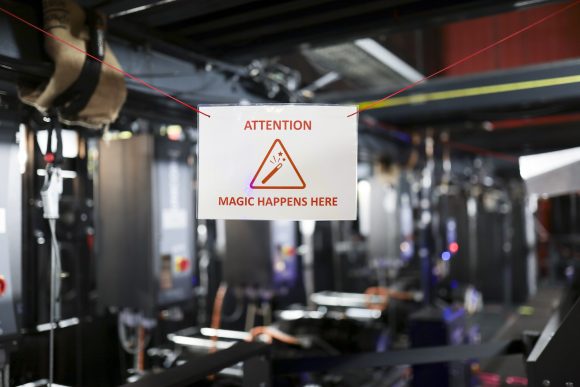
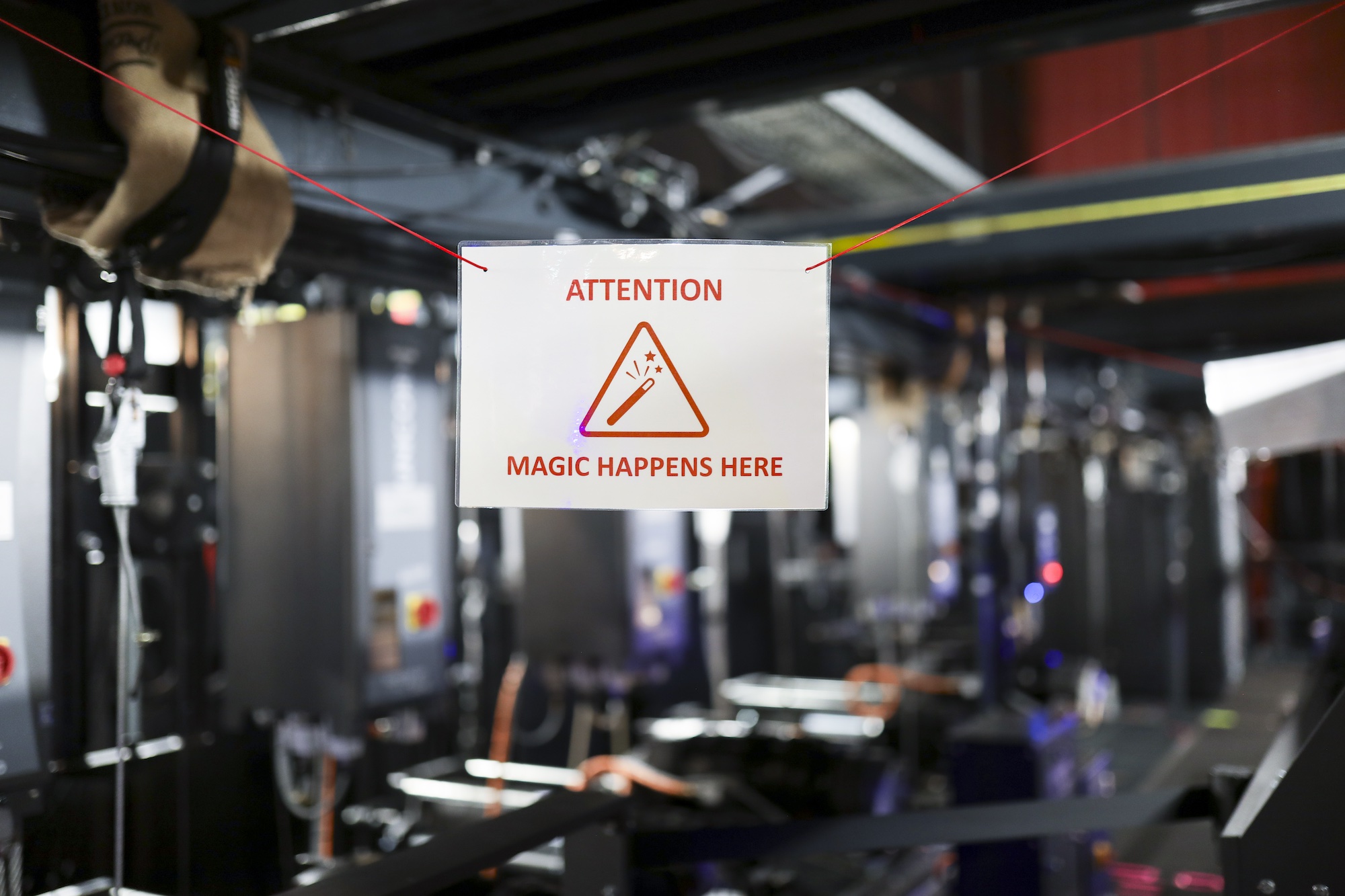
In the "Alizé" production, the focus on technical safety for the acrobats and artists is the foundation upon which the "magical" atmosphere is built. Just as the Cisco network and JBL sound system provided the "safety net" for Bad Bunny in Santa Clara, the rigging, lighting, and stage automation in Berlin allow the Cirque du Soleil performers to push the boundaries of physical possibility. This synergy between the "invisible" work of technicians and the "visible" brilliance of the artists is what defines the modern entertainment industry in 2026.
The "Alizé" team in Berlin and the Super Bowl production teams in the United States represent two sides of the same coin. Both demonstrate that when technology is leveraged correctly, it does not just support a performance; it enhances the emotional resonance of the work, moving the audience both physically and intellectually.
Chronology of the Event and Production Timeline
The road to the Super Bowl LX halftime show was a multi-year endeavor involving thousands of stakeholders:
- 2024–2025: Levi’s Stadium begins its $500 million infrastructure refresh, focusing on the Cisco network integration and Wi-Fi 7 rollout.
- Late 2025: Bad Bunny is officially announced as the halftime headliner. Creative sessions begin between the artist’s team, Roc Nation, and the NFL.
- January 2026: On-site rehearsals begin at various locations in California. The technical crew from Clair Global and Sony begins the installation of temporary broadcast and audio equipment.
- February 2026: Final "full-dress" rehearsals are conducted under strict secrecy. The "human-interest" cast members (the violinist, the elderly couple) are integrated into the choreography.
- March 10, 2026: LEaT magazine and other industry publications release in-depth technical post-mortems, analyzing the success of the event and its implications for future live productions.
Broader Impact and Industry Implications
The implications of Super Bowl LX reach far into the future of live events. First, the successful deployment of Wi-Fi 7 and 12,000-port networking proves that stadiums can now handle the data demands of "Generation Alpha" and beyond, where every fan is a content creator. Second, the shift toward narrative-driven halftime shows suggests a change in audience appetite. While high-energy hits remain essential, the modern viewer craves authenticity and storytelling.
Furthermore, the event highlighted the economic and emotional power of the live events industry. Beyond the billion-dollar advertisements and the commercial success of the game, the halftime show served as a reminder of the "force and effect" of collective experience. As Detlef Hoepfner noted in his editorial, the goal for the upcoming spring season is for jobs in the event sector to not only be economically convincing but also to move people—both in their bodies and in their minds.
Super Bowl LX has set a high bar for Super Bowl LXI and all subsequent global spectacles. It proved that in an era of digital saturation, the way to truly capture the world’s attention is through a perfect marriage of cutting-edge technology and the timeless art of human storytelling. The technical teams have enjoyed their success, the "Alizé" team in Berlin is just beginning their journey, and the industry at large now looks toward a future where the "invisible" work of production continues to create "visible" magic for millions.
