

The Deutsches Schauspielhaus in Hamburg, recognized as one of the most prestigious and historically significant theatrical venues in the German-speaking world, has announced an exclusive technical tour designed to provide industry professionals with a comprehensive look at the complex infrastructure required for modern high-end stage productions. Scheduled for October 6, 2026, this technical leadership session aims to bridge the gap between artistic vision and the rigorous engineering demands of the 21st-century theater. Led by Frederik Zimmer, a seasoned safety engineer and fire protection officer, the tour will offer a rare glimpse into the specialized departments that collaborate to maintain the house’s reputation for technical excellence. This event is specifically tailored for holders of the "Backstage Pass," highlighting its focus on a professional audience rather than the general public.
The Significance of the Deutsches Schauspielhaus in the Modern Era
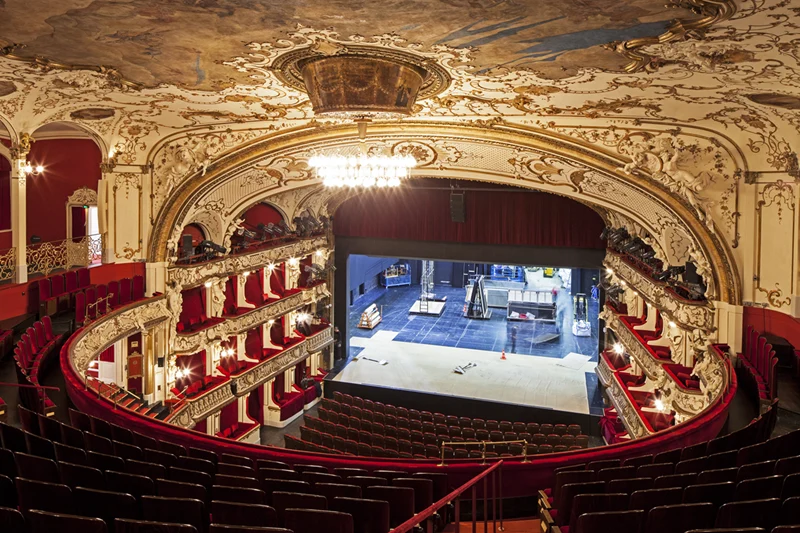
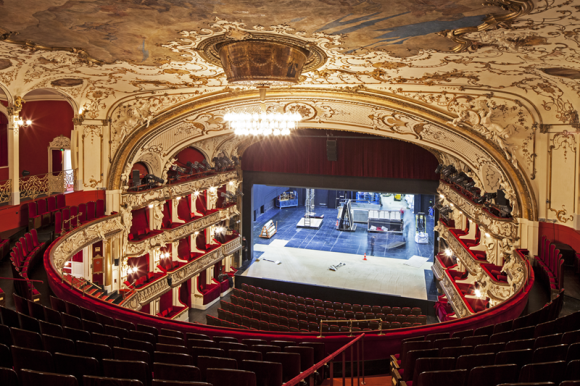
To understand the value of this technical tour, one must consider the sheer scale and history of the Deutsches Schauspielhaus. Located in the St. Georg district near Hamburg’s central station, the venue has served as a cornerstone of German culture since its opening in 1900. With a seating capacity of approximately 1,200, it remains the largest theater in Germany. However, its historical Neo-Baroque facade belies a cutting-edge technical core that has undergone numerous modernizations to keep pace with the evolving demands of international directors and scenographers.
In recent years, the theater has integrated sophisticated automation systems and digital networking into its workflow. The upcoming tour on October 6 is designed to showcase these advancements. Participants will move beyond the velvet curtains and gold-leafed balconies to explore the "engine room" of the theater. This includes the intricate flying systems, the revolving stage mechanisms, and the digital control rooms where the synchronization of light, sound, and motion is managed with millisecond precision.
Leadership and Safety: The Role of the Technical Guide
The selection of Frederik Zimmer as the tour lead is a strategic choice that underscores the industry’s increasing focus on safety and compliance. As a safety engineer (Sicherheitsingenieur) and fire protection officer (Brandschutzbeauftragter), Zimmer represents the critical intersection of creative ambition and regulatory necessity. In contemporary theater, the complexity of stage sets—often involving massive moving structures, pyrotechnics, and intricate overhead rigging—requires a rigorous approach to risk management.
Zimmer’s insights are expected to cover the logistical challenges of maintaining a safe environment in a building that was originally designed long before modern safety codes were established. His leadership during the tour will provide attendees with a practical understanding of how to implement high-level stage effects while adhering to the stringent European safety standards (such as DIN 56950 for stage machinery). For technical directors and stage managers, learning from a professional who manages these risks daily is a primary draw of the event.
Technical Domains: A Deep Dive into Stagecraft
The tour is structured to cover four primary pillars of theater technology: lighting design, stage machinery, audio engineering, and stage management. Each of these sectors has seen radical shifts in the last decade, driven by the transition from analog to digital and the push for greater energy efficiency.
Advanced Lighting and Visual Integration
The lighting department at the Deutsches Schauspielhaus has transitioned significantly toward LED technology and automated luminaires. During the tour, Zimmer is expected to discuss the integration of these systems into the house’s existing DMX and Art-Net networks. The challenge for a venue of this size is maintaining the "warmth" of traditional halogen lighting—often preferred by classical directors—while leveraging the versatility and color-mixing capabilities of modern LED fixtures. Attendees will likely see the control consoles (typically grandMA3 or similar industry standards) and learn about the pre-visualization software used to plan complex lighting cues before a single lamp is hung.
Audio Engineering and Spatial Acoustics
The acoustics of a 1,200-seat Neo-Baroque hall present unique challenges for sound engineers. The tour will highlight the theater’s audio infrastructure, which must support both unamplified natural speech and high-fidelity soundscapes for contemporary productions. This involves a delicate balance of hidden microphone arrays, high-end point-source speakers, and digital mixing desks that can handle hundreds of inputs. The discussion will likely touch upon the use of spatial audio and object-based mixing, which allows sound designers to "place" audio at specific points in the 3D space of the auditorium.
Stage Management and the Nerve Center
Often described as the "pilot" of a production, the stage manager (Inspizient) relies on a sophisticated communication hub to coordinate hundreds of cues. The tour will visit the stage manager’s desk, equipped with multi-view monitors, intercom systems, and cue-light controls. Zimmer will explain how the stage management team coordinates with the technical departments to ensure that every scene change occurs safely and on time, particularly during productions that involve "heavy metal"—the industry term for massive mechanical set pieces.
Chronology and Event Logistics
The announcement of the technical tour on July 26, 2026, serves as the opening of the registration window for industry professionals. The timeline leading up to the event is critical for logistical planning, as the tour is held at an external location rather than the central trade fair grounds where associated industry conventions might be taking place.
- July 26, 2026: Official announcement and opening of the "Backstage Pass" registration.
- August – September 2026: Coordination of technical demonstrations and safety briefings for the tour groups.
- October 6, 2026, 09:00 AM: Commencement of the 90-minute intensive tour at the Deutsches Schauspielhaus.
- October 6, 2026, 10:30 AM: Conclusion of the tour, followed by a brief Q&A session with Frederik Zimmer.
The morning time slot is intentional, allowing participants to observe the "daily rig" or the transition between the previous night’s performance and the upcoming rehearsals. This is the period when the theater’s technical staff is most active, providing a realistic view of the workload and organizational rhythm of a major repertory theater.

Industry Implications: Professional Development and Networking
The "Technical Leadership" tour is more than a simple walk-through; it is an act of knowledge transfer within the professional community. In an era where theater technology is becoming increasingly specialized, the opportunity to see how a major institution like the Deutsches Schauspielhaus solves specific problems—such as cable management for moving sets or the integration of video projection on non-traditional surfaces—is invaluable.
The requirement of a "Backstage Pass" suggests that the organizers (ProMediaNews and associated partners) are aiming to foster a high-level networking environment. By limiting the audience to those with specific industry credentials, the tour ensures that the dialogue remains technical and focused on best practices. This approach mirrors a broader trend in the live entertainment industry toward "experiential learning," where seeing equipment in situ is preferred over viewing it on a trade show floor.
Comparative Analysis: The Hamburg Model of Stagecraft
When compared to other major European stages, such as the Burgtheater in Vienna or the National Theatre in London, the Deutsches Schauspielhaus Hamburg is noted for its ability to blend traditional ensemble theater with avant-garde technical experimentation. The "Hamburg Model" often involves a high degree of technical risk, with directors frequently requesting set designs that push the limits of what the stage machinery can handle.
By opening its doors to other professionals, the Schauspielhaus reinforces its position as a leader in technical innovation. The data gathered from such tours often circulates back into the industry, influencing how other theaters approach their own technical upgrades or safety protocols. For instance, the house’s approach to "Brandschutz" (fire protection) in the context of modern set materials serves as a benchmark for smaller regional theaters.
Conclusion: The Future of Technical Transparency
As the live performance industry continues to recover and evolve in the late 2020s, the demand for transparency regarding technical workflows has never been higher. The technical tour at the Deutsches Schauspielhaus on October 6, 2026, represents a commitment to this transparency. Under the guidance of Frederik Zimmer, participants will gain a nuanced understanding of the hidden labor and complex engineering that sustain the magic of the stage.
For the participants, the 90 minutes spent behind the scenes will provide a wealth of data on lighting, audio, and safety that can be applied to their own projects. For the Deutsches Schauspielhaus, the event serves as a testament to its ongoing relevance—not just as a temple of the arts, but as a pinnacle of technical achievement in the modern world. As the industry looks toward the future, events like these ensure that the standard for technical excellence continues to rise, driven by collaboration, safety, and a shared passion for the craft of theater.
