

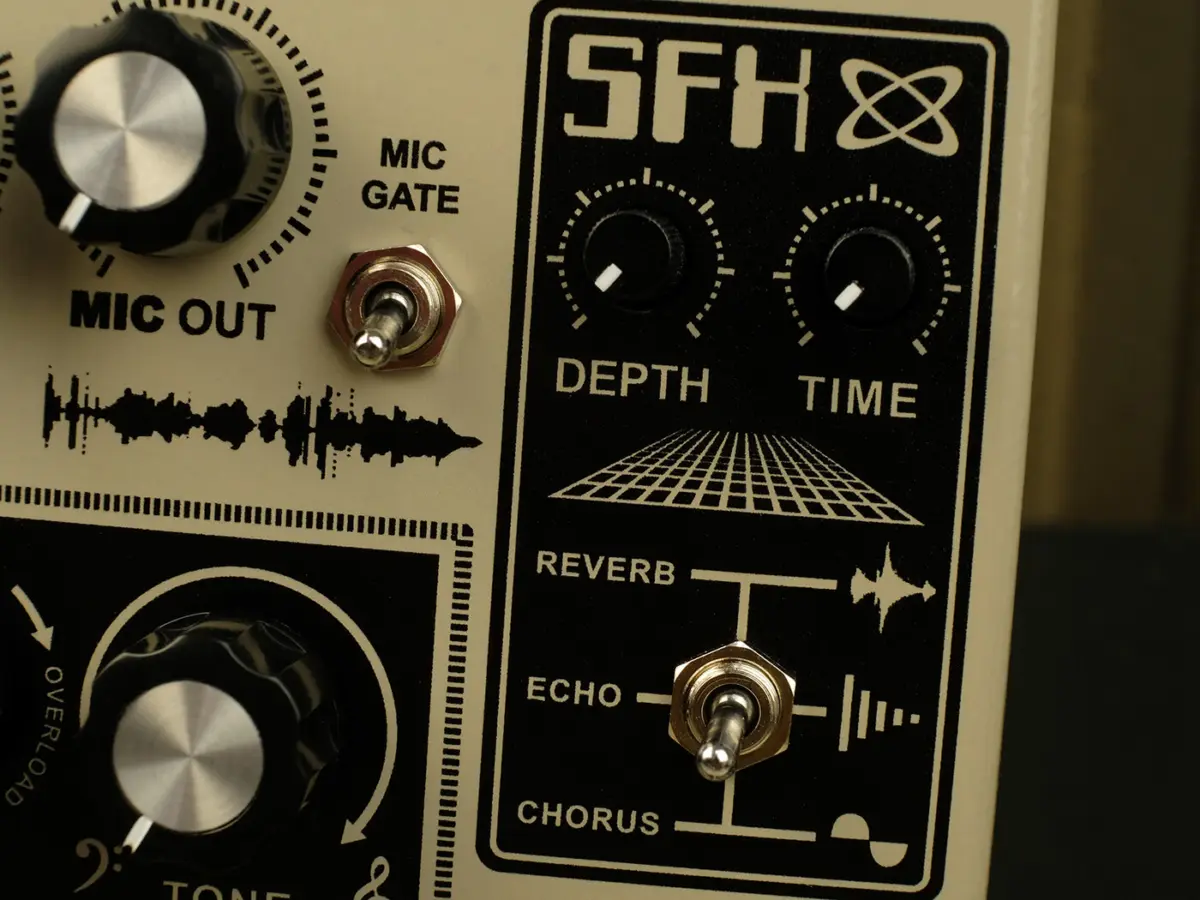
The Amp Crash, a collaborative creation from two of the most unconventional forces in effects pedal manufacturing, Death By Audio (DBA) from the United States and Rainger FX from the United Kingdom, represents a significant departure from traditional stompbox design. Priced at $395/£425, this device transcends conventional categorization, offering a unique blend of a 3W analog amplifier, a multi-effects unit, and an innovative direct recording solution, all housed within a robust pedalboard-friendly enclosure. Far from a standard utility pedal, the Amp Crash is an ambitious instrument designed for sonic exploration, aiming to provide a distinctive and often aggressive tonal palette for musicians across various settings, from home practice to studio recording and live performance.
Genesis of an Unconventional Collaboration
The partnership between Death By Audio and Rainger FX is noteworthy given their respective reputations for pushing the boundaries of sonic manipulation. Death By Audio, based in Brooklyn, New York, has long been synonymous with raw, aggressive, and often chaotic effects, earning a cult following among noise rock, experimental, and heavy music artists. Their pedals, known for their robust build and uncompromising sound, frequently feature unique circuit designs that defy conventional signal processing. Across the Atlantic, Rainger FX, helmed by David Rainger in the UK, has carved out its own niche with pedals characterized by eccentric designs, innovative control mechanisms (such as the "Igor" pressure-sensitive foot control), and a penchant for the sonically unusual. Their approach often prioritizes character and experimentalism over clinical fidelity.
The convergence of these two distinct philosophies was not merely a commercial venture but a creative alignment of minds dedicated to challenging established norms. Discussions between the two companies reportedly began with a shared vision of creating something truly multi-faceted that didn’t just add an effect but fundamentally altered the interaction between player and sound. The challenge was to integrate a disparate set of functionalities—a genuine analog amplifier, digital effects processing, and a unique recording interface—into a cohesive and intuitive unit, while retaining the signature sonic identities of both brands. This ambitious undertaking aimed to distill the essence of a raw, cranked amplifier, complete with its inherent imperfections and character, into a compact, versatile format. The design process, spanning several months, involved extensive prototyping and testing to ensure that each function not only worked independently but also synergized effectively within the overall architecture of the pedal. Early prototypes were reportedly shared among a select group of artists and engineers, providing crucial feedback that shaped the final product.

Architectural Innovations and Core Functionality
At its heart, the Amp Crash functions as a 3W analog practice amplifier, complete with a built-in two-inch speaker. This core functionality is augmented by a comprehensive digital effects section, offering chorus, delay, and reverb, each adjustable via dedicated mini-knobs for depth and intensity. The controls for the amplifier section are streamlined, featuring gain and tone knobs, reflecting a design philosophy that prioritizes immediate sonic impact over intricate adjustability. The absence of a master volume control in the practice amp mode underscores its raw, unadulterated output, reminiscent of vintage, bare-bones amplifier designs where output is largely governed by gain.
Beyond its role as a standalone practice unit, the Amp Crash offers remarkable versatility through its connectivity options. Users can bypass the internal speaker by plugging into an external speaker cabinet (requiring a minimum of eight ohms), effectively transforming the device into a compact, gig-ready amplifier head. This significantly enhances its sonic scale and projection, elevating it from a bedroom gadget to a viable solution for smaller venues or as a backup amplifier. Furthermore, a line output allows the pedal to be integrated into a traditional signal chain, operating as a maverick multi-effects unit that can drive a standard amplifier. In this configuration, the Amp Crash’s distinct gain stages and effects can be leveraged to sculpt unique tones, ranging from subtle overdrive to intense fuzz.
Perhaps the most groundbreaking feature of the Amp Crash is its integrated direct recording system. This innovation involves a small microphone strategically positioned inside the enclosure, pointing directly at the internal speaker. This setup provides a true "amp and cab" simulation—without the "sim"—capturing the actual acoustic output of the two-inch speaker. This approach stands in stark contrast to digital impulse responses or algorithmic modeling, offering an authentically lo-fi, character-rich recording signal. The pedal provides both a direct output (DI) and a microphone output, allowing users to blend the two signals for a nuanced recording texture. This capability caters to musicians seeking raw, unpolished tones that carry the inherent imperfections and unique sonic footprint of a physically mic’d miniature speaker. The entire system is powered by a standard 9V pedal power supply, requiring at least 300mA, ensuring compatibility with most existing pedalboard setups.
Ergonomics, Build Quality, and User Experience

Despite its multifaceted nature, the Amp Crash features an interface that prioritizes simplicity, a testament to the design expertise of DBA and Rainger FX. The primary controls for gain and tone are immediately accessible, offering a direct path to the amplifier’s core sound. The digital effects section, while powerful, is managed by a mode switch and two mini-knobs, allowing for intuitive adjustments without overwhelming the user. The decision to omit a dedicated bypass switch for the effects section, instead requiring users to set the depth to minimum to disengage, reflects a design choice that leans into its integrated nature, encouraging users to interact with the effects as an integral part of the amplifier’s voice.
Thoughtful considerations have been made for practical use. An internal noise gate, with a simple on/off toggle, addresses potential concerns about the internal microphone picking up unwanted ambient sounds, ensuring a cleaner recording signal when desired. To mute the internal speaker—a common requirement when running the Amp Crash into an external amplifier or recording interface—users simply need to plug an unconnected patch cable into the speaker output. While this solution might appear unconventional, it is a practical and reliable method for routing the signal while silencing the internal speaker.
The construction quality of the Amp Crash aligns with the high standards expected from both Death By Audio and Rainger FX. Housed in a robust metal enclosure, the pedal is built to withstand the rigors of touring and frequent use. The components feel solid, and the overall impression is one of durability and reliability, reassuring users that this intricate piece of engineering is designed for longevity. While the initial navigation of its various connectivity options may present a slight learning curve, the system is quickly mastered, becoming second nature with regular use. This blend of complex functionality within a simplified user experience is a hallmark of successful boutique pedal design.
Sonic Performance Across Diverse Applications
The sonic character of the Amp Crash is undeniably distinctive and far from conventional. As a standalone 3W practice combo, it delivers a powerful, lo-fi sound that evokes the raw energy of early punk and garage rock. While lacking the warmth and three-dimensionality of larger tube amplifiers, it compensates with a surprisingly loud output and a versatile gain range, capable of producing everything from a light, gritty crunch to a dense, sagging fuzz. It is engineered to deliver an aggressive, unapologetic tone, making it ideal for experimental textures, heavy riffs, and sonic abrasion rather than clean, articulate passages.

The integrated digital effects further enhance its experimental capabilities. The reverb and delay algorithms are designed to achieve extreme density, creating expansive and often chaotic soundscapes. The chorus effect leans towards a wobbly, almost flangey modulation, adding a layer of warped character to the signal. While the delay mode might benefit from independent control over level and feedback for finer tuning, the existing controls provide ample scope for creating compelling and unconventional textures.
When connected to an external speaker cabinet, the Amp Crash’s core character scales up significantly. The ragged and raucous tones gain greater frequency spread and immense volume, transforming it into a formidable device for live performance, particularly for genres that embrace aggressive, high-gain sounds. Its clean tones remain unrefined, reinforcing its specialization in distorted territories.
As a multi-effects unit integrated into a standard pedalboard, the Amp Crash truly shines as a dirt box. Its gain stages produce a spectrum of tones, from a nuanced medium-gain overdrive to a colossal high-gain fuzz, culminating in what can only be described as a "brutally overloading splurge-beast." The independent control over fuzziness and output level allows for precise tailoring of its formidable distortion capabilities, making it a powerful tool for shaping unique lead and rhythm tones.
The direct recording function, leveraging the internal microphone, presents a fascinating alternative to traditional amp simulation. While the DI output alone yields a bright, somewhat "plasticky" sound, and the microphone output can be excessively scuzzy and dark in isolation, the magic unfolds when these two signals are blended. This blend achieves a surprising balance, where the DI provides clarity and definition, and the microphone contributes natural color and grit, resulting in characterful, well-balanced tones that are far from hi-fi but undeniably unique. The primary logistical consideration for recording with the internal mic is the need to keep the internal speaker active, which can be considerably loud. However, unlike a traditional mic’d amplifier, the compact size of the Amp Crash allows for it to be acoustically isolated—such as by placing it in a cupboard or under cushions—mitigating potential volume issues in home recording environments.
Market Positioning and Broader Implications

The Amp Crash enters a market increasingly populated by versatile, multi-functional guitar devices, but it carves out a distinct niche through its audacious design and unapologetically raw sonic identity. While devices like the Acorn Amplifiers Solid State preamp offer built-in power amps for direct cabinet connection, and modern portable amps such as the Positive Grid Spark GO provide extensive digital modeling, the Amp Crash stands apart by offering an analog amplifier, unique internal mic recording, and distinctive digital effects in a single, compact stompbox. Its closest conceptual relatives might be found in niche, experimental units or highly compressed, character-driven pedals like the MXR Rockman X100, which offers a distinct 80s compression and chorus.
The Amp Crash is not intended as a universal solution or a transparent utility pedal. Its strong personality and specific tonal characteristics mean it will appeal most to guitarists and producers who actively seek unconventional sounds, value raw analog grit, and are keen to experiment with unique recording methodologies. It is less suited for players who primarily rely on pristine clean tones or demand clinical fidelity across their signal chain. Instead, it targets musicians in genres such as punk, noise rock, indie, experimental electronic music, or anyone looking to inject a distinct, lo-fi character into their sound.
The collaboration itself between Death By Audio and Rainger FX sets a precedent for how boutique manufacturers can combine their unique strengths to create genuinely innovative products. It highlights a growing trend within the music technology industry towards hybrid devices that blur the lines between traditional categories—amp, pedal, interface—offering comprehensive solutions for modern musicians who often operate across multiple contexts (practice, studio, stage). The Amp Crash’s unique "un-sim" recording approach, utilizing a live mic’d miniature speaker, could also inspire further exploration into alternative recording techniques, moving beyond purely digital simulations to embrace the sonic quirks of physical, micro-scale amplification. Its introduction signifies a continued demand for tools that prioritize creativity and character over sterile perfection, empowering artists to forge new sonic pathways.
In conclusion, the Death By Audio x Rainger FX Amp Crash is a truly wondrous and unique piece of engineering. It is not a product for every guitarist, nor is it designed to solve conventional problems in a conventional manner. Rather, it is a creative catalyst, a device brimming with personality, capable of delivering everything from Screamer-style drive to hyper-compressed filth, augmented by three distinct digital effects. Its genuine multi-purpose nature—serving as a practice amp, a gig-ready head, a powerful dirt pedal, and an experimental recording tool—positions it as an indispensable asset for those who embrace sonic adventure and seek to infuse their music with a distinct, uncompromising voice. It stands as a testament to the boundless innovation possible when two eccentric minds from different sides of the Atlantic converge to redefine what a stompbox can be.
