

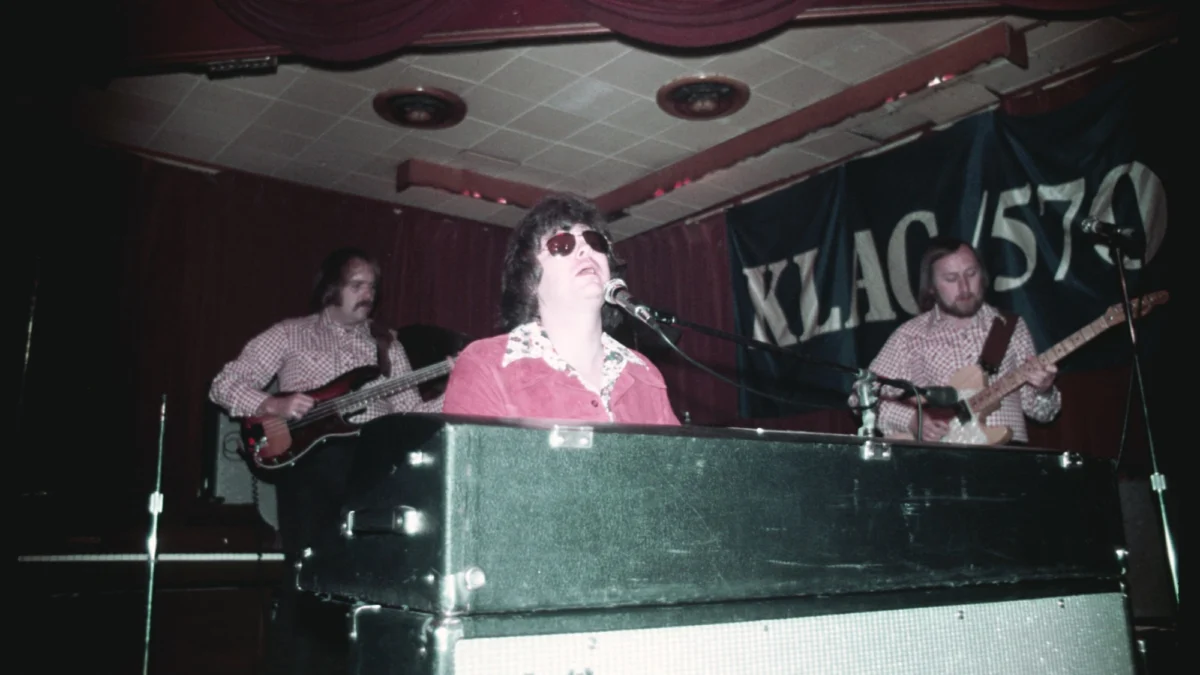
The year 1975 serves as a pivotal juncture in the history of American country music, representing a period of significant stylistic transition and unprecedented commercial crossover. During this mid-decade stretch, the genre found itself at a crossroads between the polished "Nashville Sound" of the previous decade and the burgeoning "Outlaw Country" movement that sought to reclaim the genre’s grittier, more independent roots. This era produced a series of singles that not only dominated the airwaves at the time but have since become foundational texts in the country music canon. Among the most influential releases of that year were Ronnie Milsap’s "Daydreams About Night Things," Waylon Jennings and Willie Nelson’s "Good Hearted Woman," and Glen Campbell’s "Rhinestone Cowboy." These tracks represent the diverse sonic palette of 1975, ranging from soulful country-pop to rugged outlaw anthems and high-gloss crossover hits.
The Sophisticated Soul of Ronnie Milsap and the Success of Night Things
In 1975, Ronnie Milsap was firmly establishing himself as one of the most versatile artists in Nashville. Having transitioned from a background in R&B and rock—including a stint playing sessions for Elvis Presley—Milsap brought a soulful, piano-driven sensibility to country music. His 1975 release, "Daydreams About Night Things," written by the prolific John Schweers, became a cornerstone of his early career.
Released as the lead single from his album Night Things, the song reached the No. 1 spot on the Billboard Hot Country Singles chart in September 1975. It marked Milsap’s fourth chart-topping hit, a feat that signaled his dominance in an era where the genre was beginning to embrace more modern, pop-inflected production. The lyrical narrative of the song—exploring the mental escape from the drudgery of the workday through romantic anticipation—resonated deeply with a blue-collar audience.
The production of "Daydreams About Night Things" utilized a blend of traditional country instrumentation and a smooth, sophisticated vocal delivery that became Milsap’s trademark. The album Night Things further cemented his status with the follow-up single "Just In Case," which climbed into the Top 5. Music historians often point to this period as the moment Milsap bridged the gap between the traditionalism of the 1960s and the slicker "Countrypolitan" era of the late 1970s. His success in 1975 paved the way for his eventual induction into the Country Music Hall of Fame, as he proved that country music could be both technically complex and commercially accessible.
The Rise of the Outlaw Movement: Jennings, Nelson, and the 1975 Revival
While Milsap was refining the sound of Nashville, a rebellion was brewing in the form of the Outlaw Country movement. At the forefront were Waylon Jennings and Willie Nelson, whose collaboration on "Good Hearted Woman" in 1975 became a definitive anthem for a generation of listeners tired of the rigid "Nashville Sound" establishment.
The history of "Good Hearted Woman" is a testament to the organic, often spontaneous nature of the Outlaw movement. Jennings and Nelson co-wrote the song in 1969 during a poker game at the Fort Worth Casino. Jennings originally released a solo version of the song in 1971 as the title track of an album, where it achieved modest success. However, the 1975 version—a "live" recording featuring Nelson that was later polished in the studio—captured the zeitgeist of the mid-70s. This version was included on the landmark 1976 compilation Wanted! The Outlaws, but its ascent began with its 1975 release and subsequent chart dominance.
"Good Hearted Woman" spent three weeks at No. 1 on the country charts. The song’s lyrics, inspired by an advertisement for a Tina Turner concert, depicted a loyal woman standing by a "good-timin’ man" despite his flaws. This narrative resonated with the counterculture-adjacent audience that was beginning to flock to country music. The song’s success was a precursor to the massive commercial impact of the Wanted! The Outlaws album, which became the first country album to be certified Platinum by the RIAA. The enduring popularity of the track is evidenced by its extensive cover history, with versions recorded by icons such as George Jones, Marty Robbins, and even Tina Turner herself, who provided the original inspiration for the title.
Glen Campbell and the "Triple Crown" Success of Rhinestone Cowboy
Perhaps no song better illustrates the massive crossover potential of 1975 country music than Glen Campbell’s "Rhinestone Cowboy." Written by Larry Weiss, the song was initially released by Weiss himself in 1974 to little fanfare. Campbell, who was at a professional crossroads and looking for a hit that would revitalize his career, heard the song on the radio while touring in Australia and immediately recognized its potential.
Upon its release in May 1975, "Rhinestone Cowboy" became a global phenomenon. It achieved the rare "Triple Crown" of music charts, hitting No. 1 on the Billboard Hot Country Singles, the Billboard Hot 100, and the Adult Contemporary charts. This level of saturation was nearly unprecedented for a country artist at the time. The song spent three non-consecutive weeks at the top of the country charts, briefly interrupted by Loretta Lynn and Conway Twitty’s duet "Feelins," before returning to the No. 1 spot.
Thematically, "Rhinestone Cowboy" touched on the struggles of the entertainment industry and the resilience required to succeed in the face of adversity. Its soaring orchestration and Campbell’s powerful vocal performance made it an anthem of hope and perseverance. The song also became a visual icon of the era, associated with Campbell’s elaborate western suits, further blurring the lines between traditional western wear and Hollywood glamour. The track’s impact was so significant that it earned a Grammy nomination for Record of the Year and helped Campbell’s album of the same name reach multi-platinum status.
Chronology of 1975 Country Music Milestones
To understand the impact of these three songs, it is essential to view them within the broader timeline of the year’s musical events:
- January–March 1975: The industry sees a surge in traditional ballads, with artists like B.J. Thomas crossing over into the country charts with "Hey Won’t You Play Another Somebody Done Somebody Wrong Song."
- May 1975: Glen Campbell releases "Rhinestone Cowboy," which begins its steady climb across multiple genre charts.
- July 1975: Ronnie Milsap releases the Night Things album, with the title track "Daydreams About Night Things" entering heavy rotation on FM country stations.
- August–September 1975: "Rhinestone Cowboy" hits No. 1 on the Billboard Hot 100, marking one of the few times a country song topped the pop charts in the 1970s.
- October 1975: The Waylon Jennings and Willie Nelson version of "Good Hearted Woman" begins its ascent, coinciding with the peak of the Outlaw movement’s media coverage.
- December 1975: The year concludes with country music seeing its highest total sales figures to date, driven largely by the crossover success of the aforementioned singles.
Statistical Overview and Industry Data
The commercial data from 1975 highlights a period of robust growth for the country music industry. According to historical Billboard data and RIAA archives:
- Crossover Frequency: 1975 saw a 15% increase in country singles appearing on the Billboard Hot 100 compared to 1970.
- Radio Saturation: Country music radio stations in the United States grew to over 1,000 by the end of 1975, a significant jump from the roughly 600 stations operating at the start of the decade.
- Sales Figures: Total revenue for country music recordings in 1975 exceeded $500 million, accounting for approximately 17% of the total U.S. music market.
- Chart Longevity: "Rhinestone Cowboy" remained on the Billboard charts for 23 weeks, one of the longest runs for any single released that year.
Broader Impact and Historical Implications
The success of these three songs in 1975 had lasting implications for the trajectory of the genre. Ronnie Milsap’s success proved that country music could incorporate sophisticated R&B and pop elements without losing its core identity, leading to the "urban cowboy" movement of the late 1970s and early 1980s. Jennings and Nelson’s "Good Hearted Woman" validated the "Outlaw" approach, giving artists more leverage in the studio and leading to a more diverse range of sounds in Nashville. Glen Campbell’s "Rhinestone Cowboy" set the gold standard for crossover success, showing that a country song could be a global pop hit without alienating rural audiences.
Furthermore, 1975 marked the beginning of the end for the strict "Nashville Sound" production era. The technical innovations found in these recordings—such as the use of synthesizers in Milsap’s work or the raw, unpolished vocal takes in Jennings’ tracks—signaled a move toward more individualized production styles. These songs also reflected the social shifts of the 1970s. As the United States moved past the Vietnam War and faced economic challenges, the themes of escapism, loyalty, and the pursuit of the "American Dream" found in these lyrics provided a necessary emotional outlet for the public.
Today, these three tunes are regarded as more than just hits; they are cultural artifacts. Every "70s kid" and many subsequent generations recognize the opening chords of "Rhinestone Cowboy" or the distinct vocal harmonies of Waylon and Willie. The year 1975 remains a benchmark for quality in country songwriting and production, proving that when the genre embraces both its roots and its future, it creates music that is truly timeless.
