

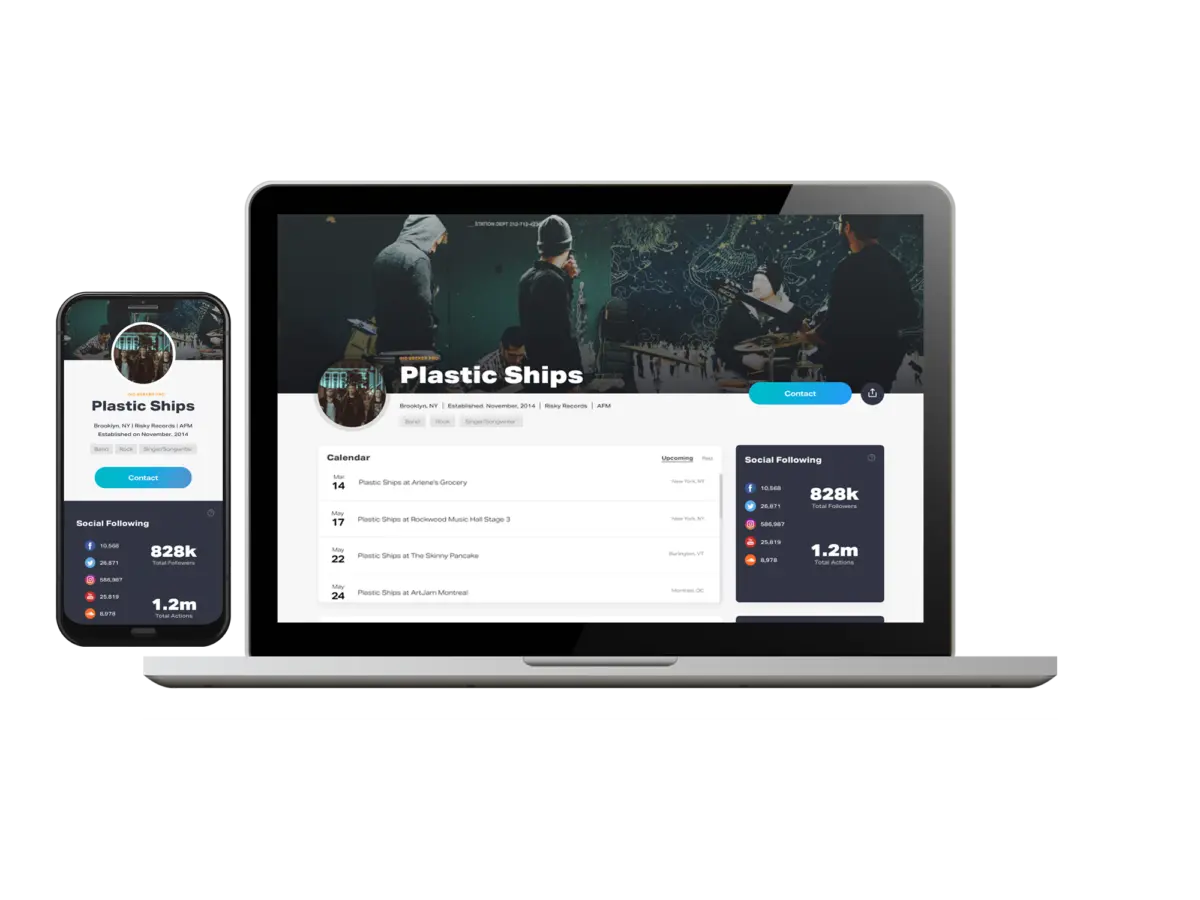
The global music industry has undergone a radical transformation over the last two decades, shifting from a centralized, label-dominated landscape to a decentralized, digital-first environment where independent artists now command a significant share of the market. Central to this transition is the Electronic Press Kit (EPK), a professional digital portfolio that has evolved from a supplemental marketing tool into an absolute requirement for any artist seeking to navigate the complexities of booking, media relations, and professional representation. As the "DIY" movement continues to expand, the EPK serves as the primary bridge between creative output and commercial viability, providing a standardized format for industry gatekeepers to evaluate talent in an increasingly saturated marketplace.
The Historical Transition from Physical to Digital Promotion
To understand the current importance of the EPK, one must examine the chronology of music promotion. In the 1980s and 1990s, artists relied on physical press kits, which typically consisted of a folder containing a cassette tape or CD, a printed biography, a high-gloss 8×10 photograph, and a collection of physical newspaper clippings. These kits were expensive to produce and cumbersome to mail, often resulting in significant financial overhead for independent musicians.
The year 2001 marked a pivotal shift in this trajectory with the emergence of platforms like Sonicbids, which established the industry standard for the digital press kit. This innovation allowed artists to store their assets on a centralized server, providing a single URL that could be shared with promoters globally. This shift coincided with the rise of the internet as the primary medium for music discovery and the eventual decline of physical media. By the mid-2010s, the physical press kit had become largely obsolete, replaced by cloud-based portfolios that offer real-time updates and interactive multimedia elements.
Data-Driven Justification for the EPK
Statistical trends within the music industry underscore the necessity of a streamlined professional presentation. According to industry reports, talent buyers at major festivals and mid-sized venues receive between 50 and 200 unsolicited booking inquiries per day. For a booking agent or festival curator, the time allocated to the initial screening of an artist is often less than 60 seconds.
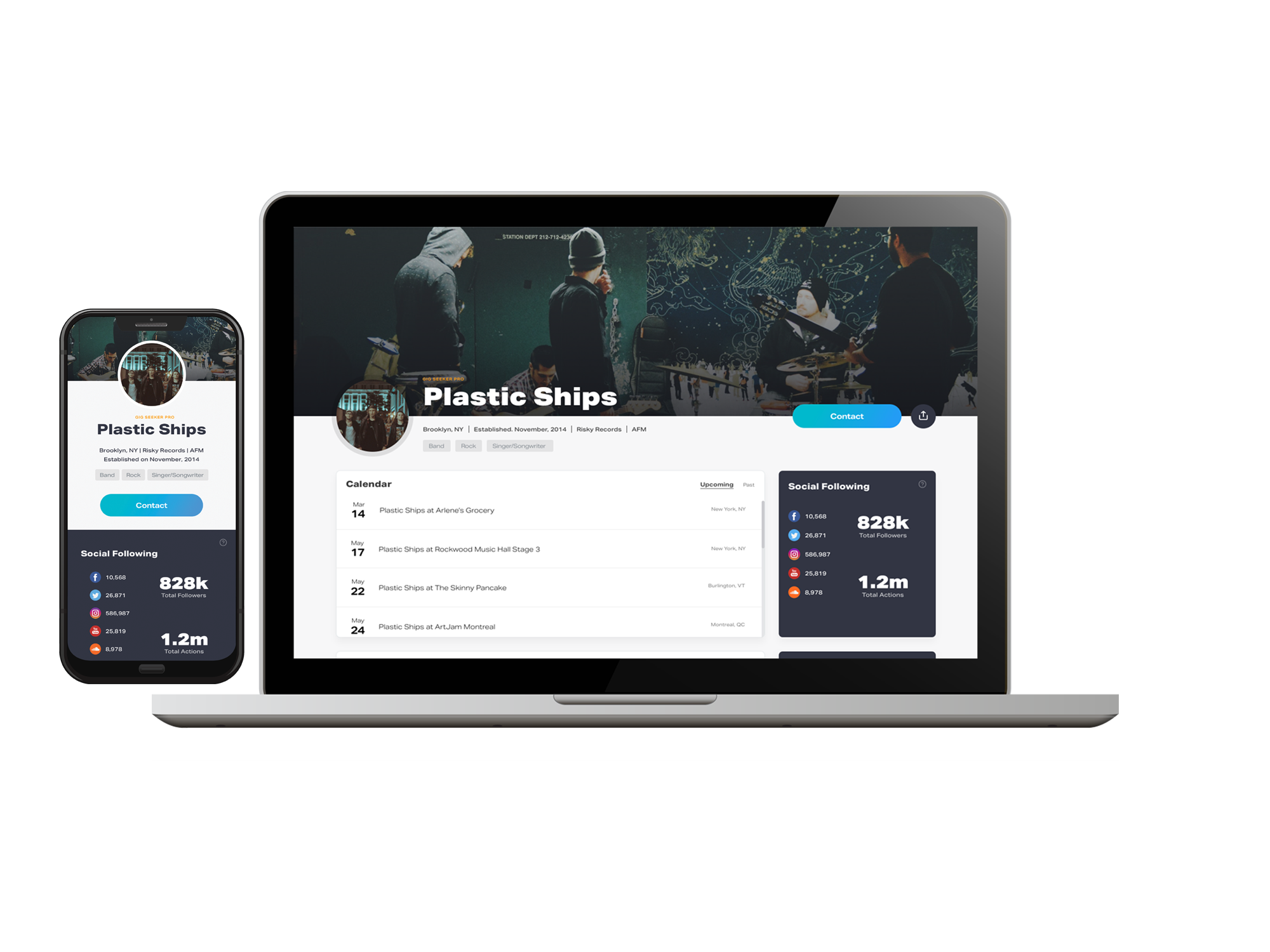
Data suggests that artists who provide a structured EPK see a 70% higher engagement rate from industry professionals compared to those who send fragmented links to social media profiles or streaming platforms. The efficiency of the EPK lies in its ability to aggregate "social proof"—metrics such as streaming numbers, social media following, and past performance history—into a single, digestible format. In an era where data analytics drive decision-making in A&R (Artists and Repertoire), the inclusion of specific metrics, such as monthly listeners on Spotify or engagement rates on Instagram, has become a standard requirement for high-level consideration.
The Five Pillars of a Modern Electronic Press Kit
To be effective, an EPK must function as a comprehensive digital resume. Industry analysts identify five core components that constitute a professional-grade kit:
1. The Narrative and Branding Framework
A professional biography is no longer just a chronological history of the artist; it is a branding tool. Modern EPKs typically include three versions of a bio: a "tweet-sized" elevator pitch (140-280 characters), a short paragraph (100-150 words) for social media and quick reviews, and a long-form narrative (300-500 words) for detailed features. This tiered approach respects the time constraints of different media professionals while ensuring the artist’s "story" remains consistent across all platforms.
2. High-Fidelity Multimedia Assets
Visual identity is often the first point of contact between an artist and a promoter. A standard EPK requires high-resolution promotional photos (300 DPI for print) and web-optimized versions for digital use. Furthermore, the inclusion of "live" video footage has become a non-negotiable requirement for booking agents. Statistics from venue management associations indicate that 85% of talent buyers will not book an independent act without seeing a high-quality video of a live performance, as it serves as a guarantee of the artist’s ability to command a stage.
3. Centralized Audio and Discography
While streaming links to Spotify or Apple Music are common, a professional EPK provides direct, high-quality audio files (WAV or 320kbps MP3) for radio programmers and DJs. This section also serves as a historical record of an artist’s output, allowing professionals to track the evolution of their sound and the growth of their audience over time.
4. Media Validation and Press Coverage
The "Credibility Gap" is one of the hardest hurdles for independent artists to clear. An EPK bridges this gap by highlighting past press coverage, reviews, and testimonials. Even a quote from a local blog or a niche music site serves as third-party validation, signaling to larger outlets that the artist is "vetted" and worthy of further investigation.
5. Technical Requirements and Logistics
Often overlooked by amateur artists, the "Technical Rider" and "Stage Plot" are essential components of an EPK for touring musicians. These documents outline the artist’s equipment needs, microphone placement, and input requirements. Providing this information upfront demonstrates a level of professional maturity that significantly reduces the friction involved in the booking process.
The Gatekeeper’s Perspective: Why Professionals Demand EPKs
The demand for EPKs is not merely a preference but a logistical necessity for industry professionals. Publicists, journalists, and promoters operate in high-volume environments where "inbox fatigue" is a constant challenge. A single link to an EPK replaces the need for multiple attachments, which can often trigger spam filters or exceed email storage limits.
Furthermore, the EPK provides a "one-stop shop" for journalists who are on tight deadlines. If a writer can find high-resolution photos, a pre-written bio, and embeddable music links in one place, they are significantly more likely to cover the artist. In this context, the EPK is a tool of convenience that increases the "path of least resistance" for media coverage.
Implications for Career Longevity and Growth
The adoption of an EPK signifies an artist’s transition from a hobbyist to a professional business entity. This shift has broader implications for the music economy. By utilizing standardized tools like Sonicbids or similar portfolio builders, independent artists contribute to a more transparent and efficient market.
Analysis of the independent sector shows that artists who maintain updated EPKs are better positioned to capitalize on "sync" opportunities (licensing music for film, television, and advertisements). Music supervisors for major networks often scout for independent talent through professional databases; an artist without a searchable, professional portfolio is effectively invisible to these high-revenue opportunities.
Chronology of an Artist’s EPK Maintenance
An EPK is not a static document but a living record of an artist’s career. The industry standard for maintenance follows a specific timeline:
- Monthly: Update streaming metrics and social media follower counts.
- Quarterly: Add new press quotes and remove outdated promotional photos.
- Per Release: Every new single or album requires a total refresh of the kit, including new visual themes and updated bios.
- Post-Tour: Update the "Past Performances" section with notable venues and festival appearances.
Conclusion: The EPK as a Catalyst for Success
In the contemporary music landscape, talent is a baseline requirement, but professional infrastructure is the differentiator. The Electronic Press Kit represents an artist’s commitment to their craft and their business. It simplifies the workflow for busy professionals, establishes credibility through data and media validation, and ensures that an artist’s best work is always accessible to those who have the power to advance their career.
As the industry moves toward further integration with AI and automated scouting tools, the structured data within an EPK will become even more vital. Artists who embrace these tools today are not just preparing for their next gig; they are building the foundation for a sustainable career in a digital-first world. The message from the industry is clear: to be treated as a professional, an artist must present themselves as one. The EPK is the most effective vehicle for that presentation, serving as a permanent, evolving testament to an artist’s journey and potential.
