

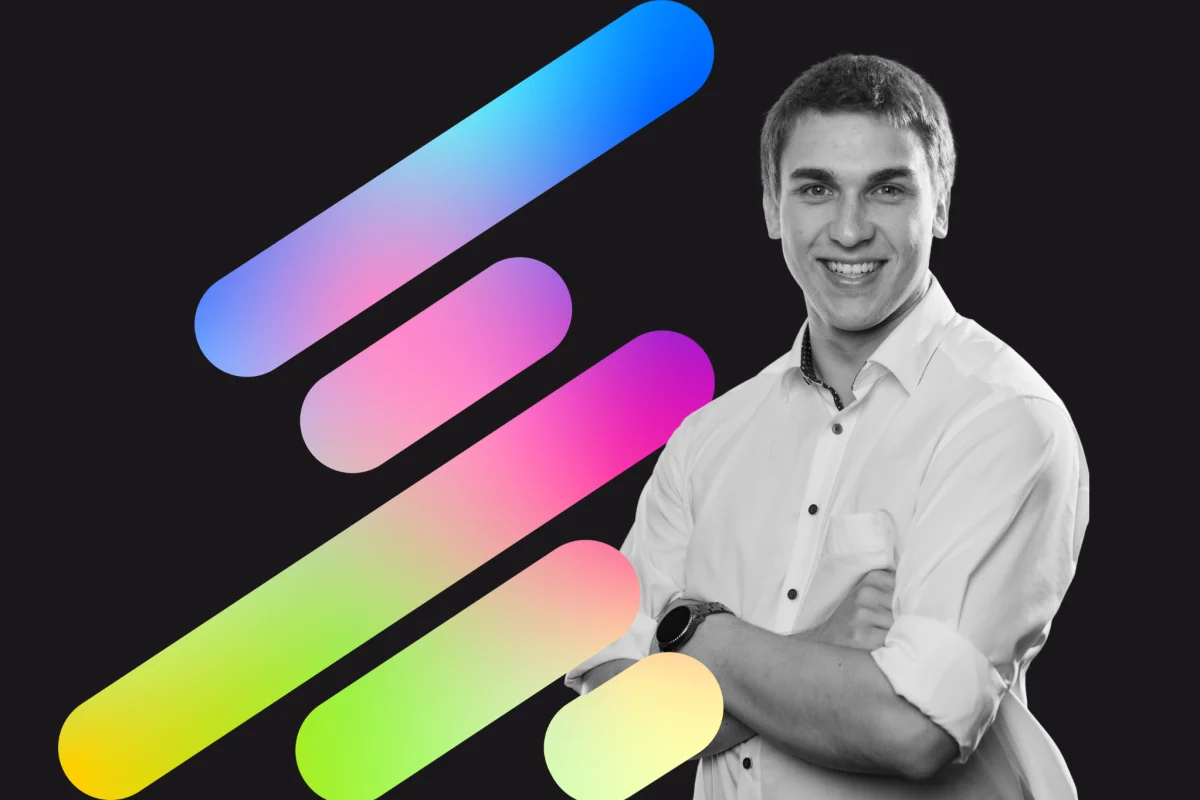
The intersection of advanced technology and artistic expression is currently redefining the landscape of professional lighting design, a transformation that will be a central focus at the upcoming LEAT Con 2026. On October 7, 2026, Dominik Steingruber is scheduled to deliver a keynote presentation at the tech stage, titled “AI-Based Lighting Control Systems,” where he will explore how artificial intelligence (AI) is transitioning from a conceptual novelty to a fundamental tool in live production workflows. This presentation comes at a critical juncture for the event industry, as organizers and designers grapple with increasing demands for high-quality visual experiences amidst a tightening labor market for specialized technicians. Steingruber’s session, scheduled from 11:15 to 11:45 AM, aims to demystify the role of AI in creative processes, emphasizing that these systems are designed to augment rather than replace human creativity.
The Significance of LEAT Con 2026 in the European Event Industry
LEAT Con, the Live Entertainment and Technology Convention, has established itself as a premier platform for the German and European event sectors, bridging the gap between hardware manufacturers, software developers, and creative professionals. As the 2026 edition approaches, the convention is increasingly focused on the "smart stage" concept—a holistic approach where lighting, audio, and video are synchronized through intelligent networks. The inclusion of Dominik Steingruber in the program highlights the industry’s shift toward automation and real-time data processing.
Historically, lighting design required hundreds of hours of pre-programming, with technicians manually inputting cues for every beat and transition. However, the rise of AI-based systems like MaestroDMX™ represents a paradigm shift. These systems utilize machine learning algorithms to perform real-time analysis of audio signals, identifying rhythmic patterns, melodic shifts, and emotional nuances to generate dynamic light shows instantaneously. Steingruber’s presentation is expected to provide a roadmap for how production houses can integrate these technologies to remain competitive in a rapidly evolving market.
Technical Architecture of AI-Driven Lighting Control
At the core of the discussion is the transition from traditional "sound-to-light" functions to sophisticated AI music analysis. Traditional sound-to-light systems were often criticized for being erratic and unrefined, reacting only to basic volume peaks. In contrast, modern AI lighting controllers employ Fast Fourier Transform (FFT) analysis and neural networks to "listen" to the music in a way that mimics human perception.
During his session, Steingruber will likely detail the mechanics of MaestroDMX™, which serves as an autonomous lighting designer. The system analyzes the incoming audio stream and classifies it into genres and moods, adjusting parameters such as color temperature, movement speed, and intensity to match the atmospheric requirements of the performance. For instance, a subtle jazz set would trigger soft, amber-toned transitions and slow movements, while a high-energy electronic set would result in sharp, synchronized strobes and rapid beam movements. This level of responsiveness ensures that the lighting is always in "sync" with the performer, providing a cohesive sensory experience for the audience.
The Chronology of Innovation: From DMX to Autonomous Systems
To understand the impact of Steingruber’s insights, one must look at the timeline of lighting control evolution. For decades, the DMX512 protocol has been the industry standard, providing a reliable but rigid framework for controlling fixtures.
- The 1980s-1990s: The introduction of DMX512 allowed for digital control, but required manual fader manipulation and physical consoles.
- The 2000s: The advent of computer-based control and pre-visualization software enabled designers to program shows in virtual environments before arriving at the venue.
- The 2010s: The integration of Art-Net and sACN allowed for larger-scale productions over Ethernet networks, facilitating the use of thousands of parameters.
- The 2020s: The emergence of "assistive AI" began to automate repetitive tasks, such as fixture patching and basic movement patterns.
- 2026 and Beyond: As highlighted by the LEAT Con program, the industry is entering the era of "generative lighting," where AI acts as a co-creator, responding to live inputs with a level of precision that was previously unattainable without extensive manual labor.
Steingruber’s presence at the Tech Stage marks a milestone in this chronology, signaling that autonomous systems are no longer experimental but are ready for professional deployment in theaters, clubs, and corporate events.
Addressing the Global Talent Shortage through Technology
One of the most compelling arguments for the adoption of AI in lighting design is its economic and operational impact. The global event industry continues to face a significant shortage of skilled lighting programmers and operators—a trend that accelerated following the structural shifts of the early 2020s. This labor gap has led to increased costs for event organizers and, in some cases, a reduction in the visual quality of smaller to mid-sized productions.
AI-based systems offer a strategic solution to this challenge. By automating the foundational aspects of a light show, these systems allow a single technician to manage more complex setups or enable venues without a dedicated lighting designer to maintain a professional standard of production. This does not imply the obsolescence of the professional designer; rather, it shifts their role from "programmer" to "curator." Designers can set the "creative guardrails"—defining color palettes, specific fixture behaviors, and overall aesthetic themes—while the AI handles the granular execution of cues in real-time.
Industry Perspectives and Market Analysis
Market analysts in the ProMedia sector suggest that the integration of AI into live events is driven by the demand for "hyper-personalization" and "instantaneity." Audiences in 2026 expect immersive environments that feel organic and responsive.
According to recent industry surveys, approximately 65% of event production companies have expressed interest in implementing AI tools to improve workflow efficiency. The primary barrier to adoption remains the "black box" concern—the fear that AI might produce unpredictable results during a live broadcast or performance. Steingruber’s lecture is specifically designed to address these concerns by demonstrating the reliability and "failsafe" mechanisms built into modern AI controllers. By showcasing real-world applications, he will illustrate how these systems can be tuned to adhere to strict brand guidelines or specific theatrical requirements, ensuring that the technology remains a servant to the artistic vision.

The Future of Human-AI Collaboration in Scenography
Looking forward, the implications of AI-based lighting extend beyond simple automation. We are moving toward a future of "multimodal" stage control, where AI systems will not only analyze audio but also track the movements of performers on stage and the reactions of the crowd.
Imagine a scenario where the lighting system detects a performer’s shift in energy or a specific gesture and adjusts the spotlighting and background textures accordingly, without a single manual cue being triggered. This level of interactivity creates a "living" stage environment. Steingruber’s presentation at LEAT Con 2026 serves as a precursor to this future, offering a glimpse into how the fusion of human intuition and algorithmic precision can lead to entirely new forms of scenography.
Furthermore, the environmental impact of these technologies should not be overlooked. AI-driven systems can optimize the power consumption of LED fixtures by ensuring that lights are only active and at the necessary intensity when required by the performance. This contributes to the broader industry goal of "Green Touring" and sustainable event management, a topic that is also gaining traction at conventions like LEAT Con.
Conclusion and Strategic Outlook
As the industry gathers at the tech stage on October 7, the discourse led by Dominik Steingruber will likely set the tone for the next fiscal year in event technology procurement. The message is clear: AI is not a threat to the creative profession but a powerful ally that handles the "mathematical" burden of lighting, freeing the artist to focus on the "emotional" impact of their work.
For companies attending LEAT Con 2026, the takeaway from the "AI-Based Lighting Control Systems" session will be both practical and visionary. Professionally, it provides a solution to the rising costs and labor shortages currently plaguing the sector. Creatively, it opens a door to a new era of live entertainment where the boundary between the performer, the music, and the visual environment becomes increasingly seamless. The transition to AI-supported workflows is no longer a question of "if," but "how fast," and the insights provided by Steingruber will be instrumental in navigating this transition.
The event, held at the tech stage from 11:15 to 11:45 AM, is expected to draw a diverse audience ranging from veteran lighting directors to young tech entrepreneurs, all seeking to understand how the algorithms of today will shape the spectacles of tomorrow. As LEAT Con 2026 continues to showcase the vanguard of pro-media technology, the focus on AI confirms that the future of light is not just bright, but intelligent.
