

The global independent music sector has undergone a seismic shift over the last decade, transitioning from a model of isolationist self-promotion to one of integrated, community-based networking. As the barriers to entry for music production continue to lower, the density of the market has increased, making traditional methods of "breaking through" less effective. In this saturated environment, networking and strategic collaboration have emerged not merely as social endeavors but as essential business requirements for independent artists seeking long-term sustainability. Industry data suggests that the independent artist segment is the fastest-growing part of the global music business, generating billions in revenue annually. However, this growth is increasingly predicated on an artist’s ability to navigate complex social and professional ecosystems.
The contemporary landscape requires musicians to look beyond the immediate confines of the recording studio and the stage. By diversifying their professional interactions, artists can tap into what economists call "social capital," which translates into increased visibility, resource sharing, and creative innovation. The following analysis explores five unconventional yet highly effective avenues for networking that are currently reshaping the trajectories of independent musical careers.
The Intersection of Multidisciplinary Arts and Sonic Innovation
One of the most potent, yet underutilized, networking strategies involves the integration of music with other forms of visual and performing arts. Local art scenes are rarely monolithic; they consist of interlocking circles of painters, sculptors, digital artists, and theatrical performers. For the independent musician, these environments offer a fertile ground for "cross-pollination," a process where different creative disciplines merge to create a new, hybrid value.
Historical data from urban cultural hubs indicates that music often serves as the connective tissue for multidisciplinary events. When a musician engages with a local gallery or an art opening, they are not just attending a social function; they are positioning themselves as a potential solution for a visual artist’s needs. For example, the rise of immersive art installations—a sector that has seen significant investment in the last five years—requires sophisticated soundscapes and original compositions. By establishing relationships with sculptors or digital animators, musicians can secure "sync" opportunities that exist outside the traditional film and television pipelines.
Furthermore, the theatrical community frequently requires original scores and live accompaniment. Engaging with local theater companies allows musicians to demonstrate their versatility and ability to work within a structured, narrative-driven framework. These collaborations often lead to broader exposure, as the audience for a theater production may differ significantly from the musician’s existing fan base, thereby facilitating a natural expansion of their reach.
Structured Collaboration and the Rise of the Feedback Collective
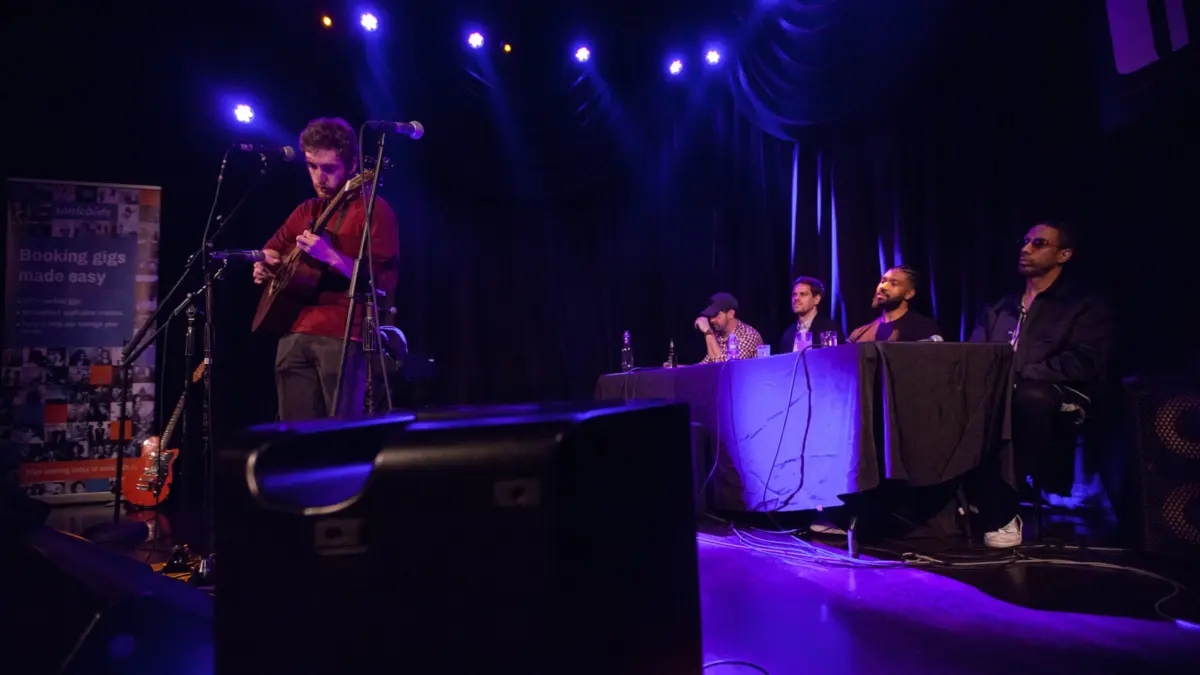
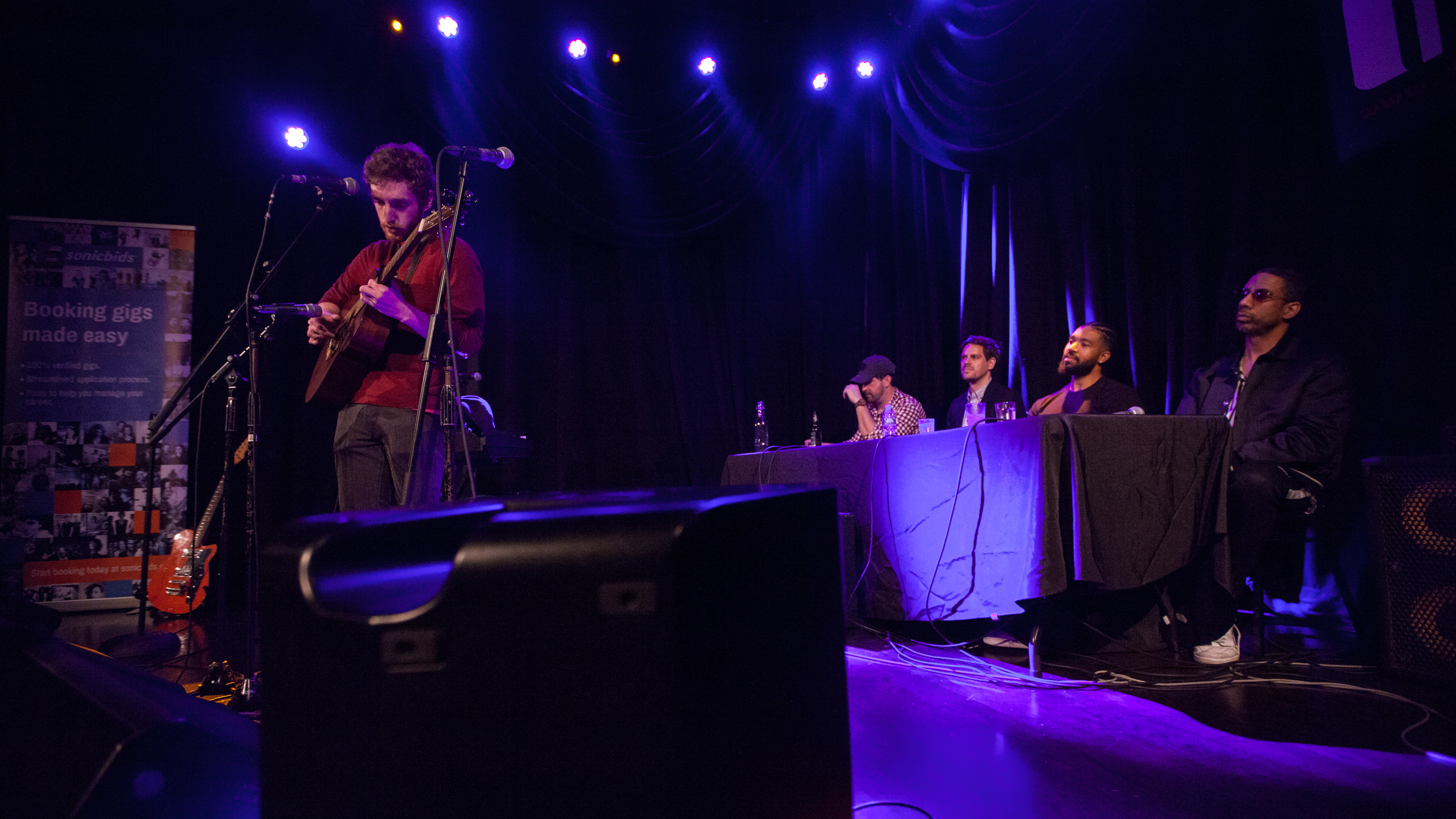
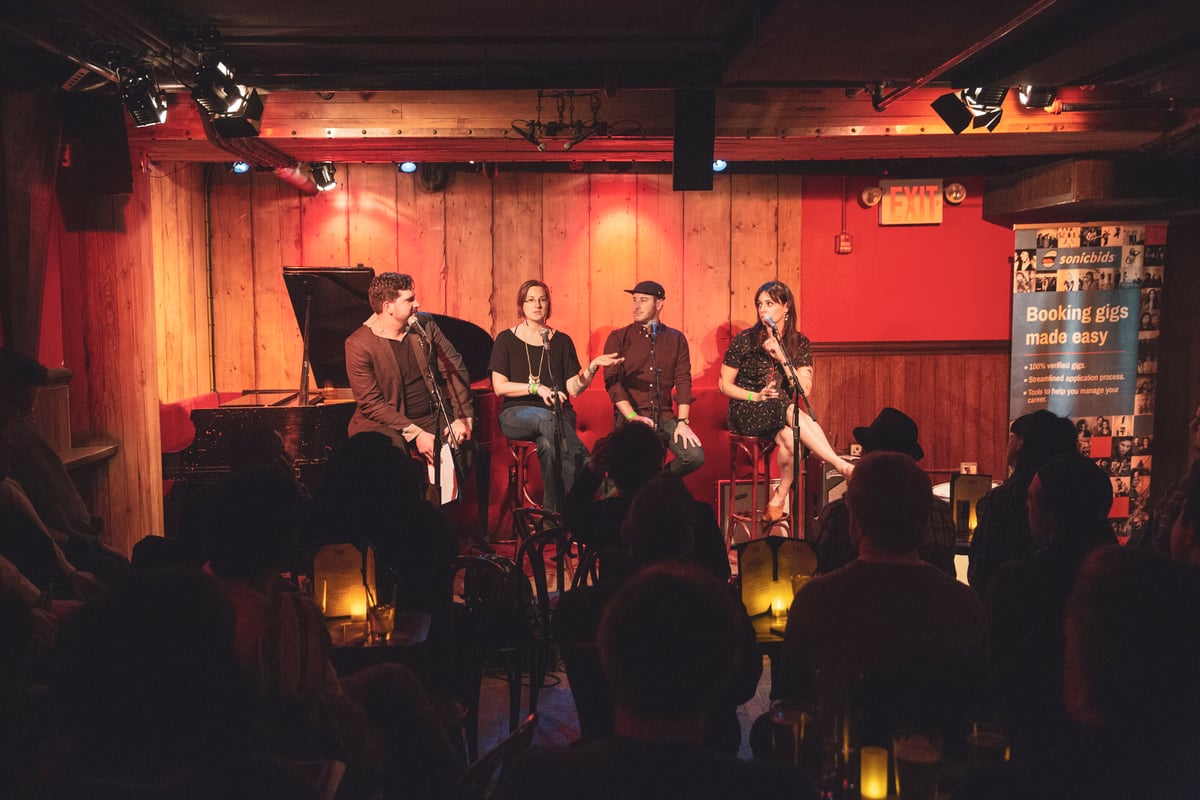
The traditional "jam session" has evolved into a more structured format known as the "feedback collective" or the "songwriting workshop." This shift represents a move toward professional development and peer-to-peer education. Organizations such as Sonicbids have pioneered this model, hosting panel discussions and workshops where artists can present their work in progress to a room of their peers and industry veterans.
The chronology of these events typically follows a pattern of introduction, performance, and constructive critique. This format serves a dual purpose: it allows for the immediate improvement of the musical product while simultaneously building a rapport among participants. In these settings, the hierarchy of the music industry is often flattened, allowing a novice rock guitarist to interact directly with a seasoned jazz saxophonist or an electronic music producer.
From a strategic standpoint, hosting such a session places the musician in a leadership role. By facilitating a space for others to create, the host becomes a central node in the local network. This "hub-and-spoke" model of networking ensures that the host is the first person considered when participants are looking for collaborators for their own future projects. Data from community-based music initiatives suggests that artists who regularly participate in or host collaborative workshops see a 40% higher rate of referral for professional gigs compared to those who work in isolation.
Digital Infrastructure and Asynchronous Collaboration
While social media platforms like Instagram and TikTok are essential for fan engagement, they are often less effective for deep professional networking. Instead, industry analysts point toward specialized platforms like BandLab, SoundCloud, and Discord as the new frontiers for artist-to-artist collaboration. These platforms allow for "asynchronous collaboration," where musicians from different time zones and geographic locations can contribute to a single project.
The shift toward digital collaboration was accelerated significantly during the 2020-2022 period, as global lockdowns forced musicians to find new ways to work together. This led to the normalization of remote recording and digital file sharing. Today, leaving a thoughtful, technical comment on a peer’s SoundCloud track is often more effective than a generic "DM" (direct message) on a mainstream social platform.
By engaging with the technical aspects of another artist’s work—such as praising a specific synth patch or a vocal arrangement—a musician signals their professional competence. This can lead to the formation of "digital collectives," where groups of artists cross-promote each other’s work and share resources like mixing engineers, graphic designers, and publicists. This decentralized approach to career management is becoming a hallmark of the modern independent scene, allowing artists to bypass traditional gatekeepers and build their own micro-economies.
The Backstage Economy: Volunteering as Professional Entry
The music festival circuit remains one of the most significant drivers of industry networking, but the barrier to entry as a performer is often high. Consequently, many independent artists are utilizing volunteerism as a strategic entry point. Working behind the scenes at a major music festival or a local industry conference provides a level of access that a standard ticket cannot offer.
Volunteers often find themselves working alongside stage managers, booking agents, and touring professionals. This "on-the-ground" experience provides a practical education in the logistics of the music business while facilitating organic introductions. For instance, an artist volunteering in the "Artist Hospitality" or "Backstage Management" sector may have the opportunity to interact with established acts and their management teams in a non-performance context.
The implications of this strategy are significant. When an artist introduces themselves not as a fan, but as a peer contributing to the success of the event, the dynamic of the interaction changes. It establishes a sense of professional reliability and a shared work ethic. Many successful independent artists cite their early days as festival volunteers or venue interns as the period when they made their most valuable industry connections. This method of networking is grounded in the principle of "service first," where providing value to the community eventually results in professional opportunities for the individual.

Data-Driven Networking and Fanbase Integration
A common oversight among independent musicians is the failure to recognize their own audience as a networking resource. The modern fanbase is not a passive entity; it is an active network of individuals with their own professional connections and specialized knowledge. By utilizing surveys, polls, and direct engagement, musicians can leverage their fans to open doors that would otherwise remain closed.
Current trends in "super-fan" engagement show that audiences are increasingly eager to participate in the creative process. If an artist asks their followers for recommendations on collaborators, they are often met with high-quality leads. A fan might be the cousin of a prominent session drummer, or a regular at a venue that the artist has been trying to book. This "crowdsourced networking" democratizes the process of career advancement and fosters a deeper sense of loyalty among the fanbase.
Furthermore, involving the audience in these decisions provides the artist with valuable market data. If a significant portion of the fanbase expresses interest in a specific genre crossover or a collaboration with a particular artist, it provides a roadmap for future creative ventures that are pre-validated by the market. This reduces the financial and professional risk associated with new projects and ensures that the artist’s networking efforts are aligned with their audience’s expectations.
Broader Impact and the Future of the Independent Ecosystem
The cumulative effect of these networking strategies is the creation of a more resilient and interconnected independent music economy. As musicians move away from the "lone wolf" mentality and toward a model of community integration, the entire sector benefits from shared knowledge and resources. The broader impact of this shift is visible in the rising share of independent music in the global charts and the increasing viability of mid-tier musical careers.
Fact-based analysis suggests that the future of the music industry will be defined by "collaborative competition." While artists will still compete for listeners’ attention, they will increasingly do so within a framework of mutual support. The infrastructure of the industry is moving toward a model where the "gatekeepers" are replaced by "nodes"—influential individuals and organizations that facilitate connections rather than blocking them.

In conclusion, networking for the independent musician has evolved from a simple exchange of business cards into a sophisticated, multi-channel strategy. By embracing local art scenes, hosting structured workshops, utilizing specialized digital platforms, volunteering for industry events, and engaging their fanbase, musicians can build a robust professional network that transcends the limitations of traditional promotion. Every interaction is a potential catalyst for innovation, and every connection is a step toward a more sustainable and creatively fulfilling career. The modern musician is no longer just a creator of sound; they are an architect of community.
