

The contemporary music industry has undergone a radical transformation over the last decade, shifting from a centralized model dominated by major record labels to a decentralized landscape where independent artists now command a significant portion of the market share. According to recent industry reports from MIDiA Research, the independent artist sector is the fastest-growing segment of the global music business, generating over $2 billion in annual revenue. However, this democratization of music production and distribution has led to an unprecedented saturation of the market, with over 100,000 new tracks uploaded to streaming platforms every single day. In this hyper-competitive environment, technical proficiency and digital distribution are no longer sufficient for career longevity. Industry analysts and veteran practitioners now point to strategic networking and cross-disciplinary collaboration as the primary drivers of sustainable success for the independent musician.
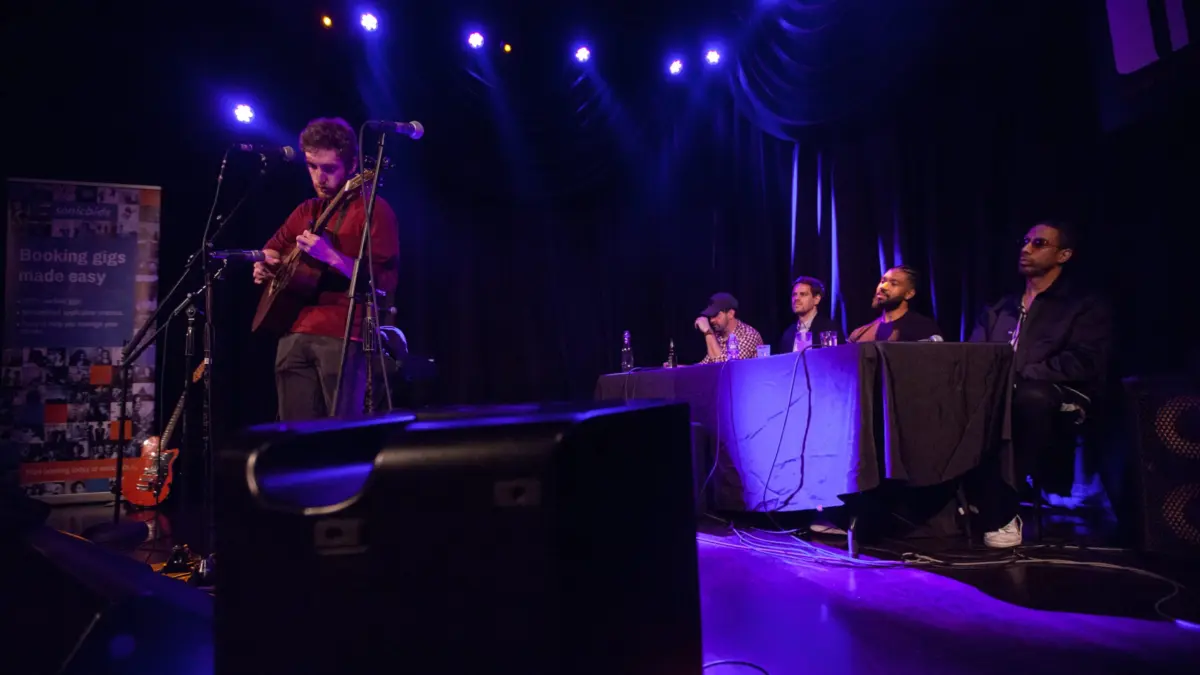
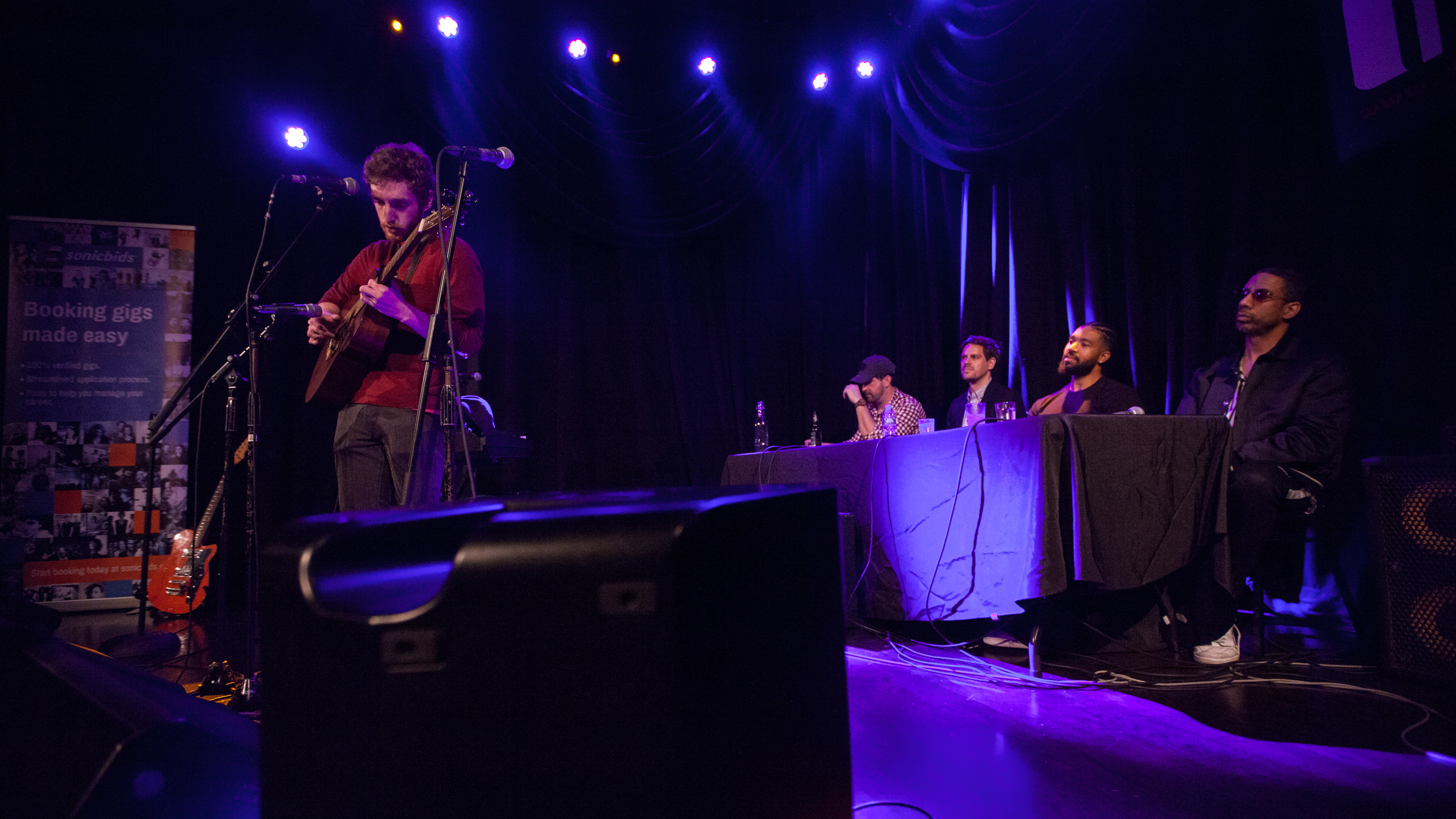
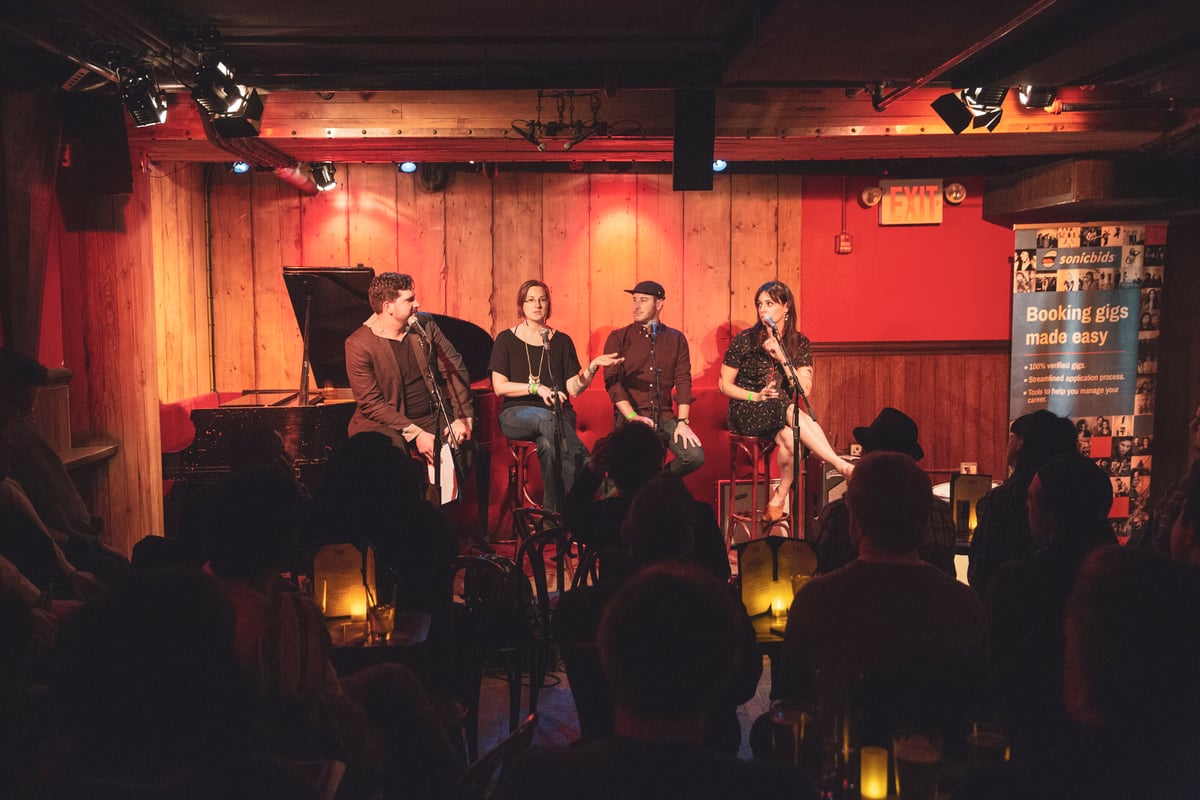
The "Feedback Collective" series, recently hosted by Sonicbids, serves as a prominent case study in this shift toward community-centric professional development. By facilitating panel discussions and songwriting workshops, these initiatives highlight a growing trend: the professionalization of the "DIY" ethos. As the barriers to entry fall, the value of social capital rises, necessitating a structured approach to building professional relationships. This report examines five strategic avenues for networking that move beyond traditional industry mixers, offering a data-backed analysis of how independent artists can leverage community to amplify their reach and creative output.
The Rise of the Scenius: Cross-Disciplinary Engagement in Local Markets
The concept of "scenius"—a term coined by musician Brian Eno to describe the collective intelligence of a community of artists—is becoming increasingly relevant in the modern era. While digital connectivity is global, the most potent professional bonds are often forged in local, multi-disciplinary environments. Independent musicians are increasingly finding that the most lucrative and creatively fulfilling partnerships exist outside the narrow confines of the music industry itself.
Local art galleries, experimental theater companies, and spoken-word festivals represent untapped reservoirs of collaborative potential. For an independent artist, these venues offer opportunities for "sync" placements and performance commissions that avoid the gatekeepers of traditional media. For example, a visual artist curating a gallery opening may require a bespoke soundscape to accompany an installation, providing a musician with both a captive audience and a professional credit.
Data from the Creative Industries Federation suggests that cross-sector collaborations—such as those between musicians and visual artists—often result in higher engagement rates on social media, as the combined audiences of both parties are introduced to new mediums. This "cross-pollination" of fanbases is a low-cost, high-impact marketing strategy that relies entirely on the strength of local networking.
Educational Networking: The Impact of Workshops and Jam Sessions
The shift toward "educational networking" is exemplified by the Sonicbids Feedback Collective Songwriting Workshops. These events represent a departure from the traditional "demo drop" culture, focusing instead on peer-to-peer learning and real-time collaboration. By hosting or participating in jam sessions and workshops, musicians engage in a form of "active networking" that demonstrates their technical capability and professional temperament simultaneously.
Chronologically, the rise of these workshops follows the decline of the traditional A&R (Artists and Repertoire) model. In the past, labels provided the space and funding for artist development. Today, that responsibility has shifted to the artists themselves. Establishing a recurring jam session or a feedback circle creates a "gravity well" for talent. When a rock guitarist collaborates with a jazz saxophonist in a controlled, workshop environment, the resulting fusion often leads to the creation of "genre-fluid" music—a category that has seen a 35% increase in playlist inclusion on major streaming services over the last three years.
Furthermore, these sessions serve as a vetting process. In a professional context, reliability and interpersonal chemistry are as valuable as musical talent. A musician who consistently organizes or contributes to community workshops builds a reputation as a "pro-level" collaborator, leading to increased session work and touring invitations.
Digital Ecosystems and the Evolution of Online Collaboration
While social media platforms like Instagram and TikTok are essential for fan engagement, they are often suboptimal for deep professional networking. The industry is seeing a pivot toward specialized platforms designed for collaborative workflows. BandLab, for instance, reported surpassing 60 million users in 2023, signaling a massive shift toward cloud-based, collaborative music creation.
The strategic use of platforms like SoundCloud and BandLab allows artists to engage in "asynchronous networking." By leaving constructive, technical feedback on a peer’s work-in-progress, an artist establishes a rapport based on mutual professional respect rather than promotional spam. This method of engagement is statistically more likely to result in a formal collaboration.
Analysis of successful independent releases in 2023 reveals that nearly 40% of tracks featured at least one remote collaborator. This digital-first approach to networking removes geographical barriers, allowing a producer in London to collaborate with a vocalist in Nashville, thereby merging two distinct regional markets. The implication for the independent artist is clear: the ability to navigate digital collaborative tools is now a foundational requirement for career growth.
The Festival Economy: Volunteering as Strategic Entry
Music festivals remain the primary hubs for industry activity, yet the cost of attendance and the exclusivity of "backstage" areas often bar independent artists from these spaces. Consequently, volunteering has emerged as a high-value strategy for gaining proximity to industry decision-makers.
Volunteering at a major festival puts an artist in direct contact with event organizers, stage managers, and touring professionals. This "on-the-ground" experience provides a behind-the-scenes look at the logistics of large-scale productions, which is invaluable for artists planning their own tours. More importantly, it facilitates "incidental networking." A volunteer assisting with artist relations may find themselves in a position to share their work with a booking agent or a more established artist in a low-pressure environment.
Historical data from industry mentorship programs indicates that a significant percentage of professionals in the music business—including artists, managers, and engineers—began their careers in volunteer or internship roles. This "bottom-up" approach to networking builds a robust foundation of industry knowledge and a network of peers who will eventually ascend to leadership positions within the sector.

Fanbase Integration: The "Prosumer" Model of Networking
One of the most overlooked resources in an independent artist’s network is their existing fanbase. The modern music economy is moving toward a "prosumer" model, where the line between the consumer and the producer is increasingly blurred. Engaging fans in the creative process through polls, surveys, and direct outreach can uncover professional connections that were previously invisible.
A fan who is an aspiring filmmaker may be looking for a composer for their first feature; a fan who works in public relations may be willing to offer a consultation in exchange for a private performance. By leveraging the diverse professional backgrounds of their audience, independent musicians can build a support ecosystem that is both loyal and functional.
This strategy aligns with the "1,000 True Fans" theory proposed by Kevin Kelly, which posits that an artist does not need mainstream stardom to be successful, but rather a dedicated core of supporters who are deeply invested in the artist’s journey. Involving the fanbase in networking efforts fosters a sense of community ownership, which is a powerful driver of long-term career sustainability.
Broader Impact and Industry Implications
The transition from a competitive "zero-sum" mindset to a collaborative "ecosystem" mindset is the defining characteristic of the modern independent music sector. The data suggests that artists who prioritize networking and collaboration over isolated promotion are more resilient to market fluctuations and changes in streaming algorithms.
The broader implication of this shift is the emergence of a "middle class" of musicians—artists who may not be household names but who maintain profitable, sustainable careers through a web of professional relationships and diverse revenue streams. Initiatives like the Sonicbids Feedback Collective are not merely isolated events; they are symptomatic of a larger movement toward a self-sustaining, artist-led industry.

In conclusion, the independent musician must view networking not as a peripheral activity, but as a core business function. Whether through local cross-disciplinary events, digital collaborative platforms, or fan engagement, the objective remains the same: to build a community that transcends the limitations of the individual. As the industry continues to evolve, those who have mastered the art of the partnership will be the ones best positioned to navigate the complexities of the digital age. The path to success in the modern music world is no longer a solo journey; it is a collective endeavor.
