

After more than 15 years meticulously reviewing audio plugins for Bedroom Producers Blog (BPB), a prominent online resource for music producers, Tomislav Zlatic, the platform’s founder, has launched his inaugural commercial plugin, VATRA, under the Flame Sound brand. This two-year development odyssey, chronicled by Zlatic, offers a profound insight into the intricate challenges of transforming a conceptual idea into a tangible and effective audio processing tool, diverging significantly from his extensive experience as a critic.
From Critical Insight to Creative Imperative: The Birth of an Idea
Zlatic’s tenure at Bedroom Producers Blog has involved evaluating an estimated 2,000 to 2,500 plugins, a monumental undertaking that cultivated a deep understanding of what constitutes a "good" plugin. His criteria were clear: utility, problem-solving capability, intuitive operation, aesthetic appeal, efficient performance, ease of installation, and user-friendly licensing devoid of annoying updates. This comprehensive perspective, however, proved to be only one side of the coin when he embarked on the creation of VATRA. The transition from critical assessment to practical decision-making in development presented unforeseen complexities, challenging his initial assumption that his vast knowledge would simplify the process.
The impetus for VATRA stemmed from a persistent issue Zlatic encountered in his personal music production workflow: the struggle to imbue mixes with a final sense of loudness, weight, air, punch, and warmth without introducing undesirable artifacts. Traditional solutions, while effective to a degree, often came with compromises: aggressive limiting could cause pumping, excessive clipping led to harshness and transient loss, simple EQ boosts resulted in muddy lows or brittle highs, and chaining multiple processors frequently created new problems while solving old ones. He envisioned a singular, elegant tool that could provide that crucial "final push" – a concept that, like many innovative ideas, appeared deceptively simple on paper.
Initial concepts for VATRA centered around a clipper, but the vision quickly evolved. Zlatic sought a solution that could enhance loudness without relying on conventional compression or obvious clipping. He aimed for a low-end that felt robust without the typical disadvantages of an EQ boost, and a top-end that opened up without becoming harsh. These nuanced objectives laid the groundwork for VATRA’s unique processing architecture.
The Collaborative Alchemy: Translating Vision into DSP
The journey from abstract concept to functional code was marked by extensive collaboration and iterative refinement. Before any graphical user interface (GUI) or even a definitive product name existed, Zlatic engaged in discussions with fellow developers, particularly those with a profound understanding of Digital Signal Processing (DSP). His network, cultivated over years at BPB, proved invaluable in this early phase.
A pivotal moment arrived with the establishment of a partnership with a lead DSP developer. This collaboration was characterized by the developer’s exceptional audio expertise, coupled with an essential blend of patience and a willingness to navigate the meticulous, often slow, development process. This human element was critical, as much of audio plugin development involves deciphering the subtle nuances of subjective terminology. How, for instance, does one translate "more density" into DSP parameters? What specific signal alterations correspond to "warmer but not darker"? And how does one code for an "analog" feel when the underlying process is digital? These questions required months of dedicated back-and-forth communication, bridging the gap between artistic intent and technical execution.
After several months, the first test build arrived. Lacking a GUI and bearing no resemblance to a finished product, it was nevertheless a monumental achievement. Zlatic describes the profound sense of accomplishment upon loading this prototype into his Digital Audio Workstation (DAW) and hearing the nascent realization of his long-held vision. This initial breakthrough, however, simultaneously highlighted the "giant leap and small-step paradox": the exhilarating realization that the core concept worked, immediately followed by the daunting awareness that 95 percent of the plugin still needed to be built. This marked the true beginning of the development adventure.
Engineering the Sound: The Five Core Controls of VATRA
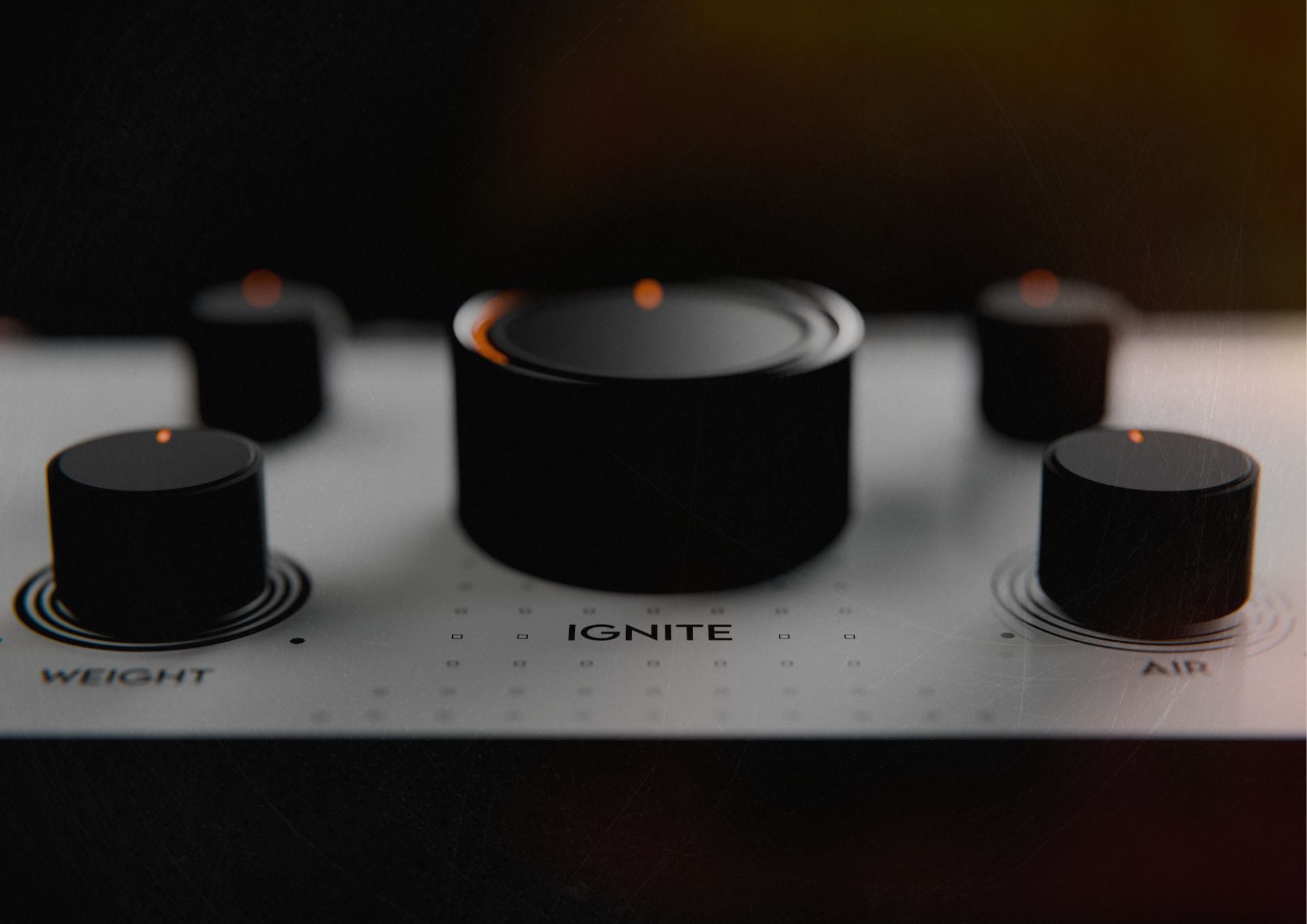
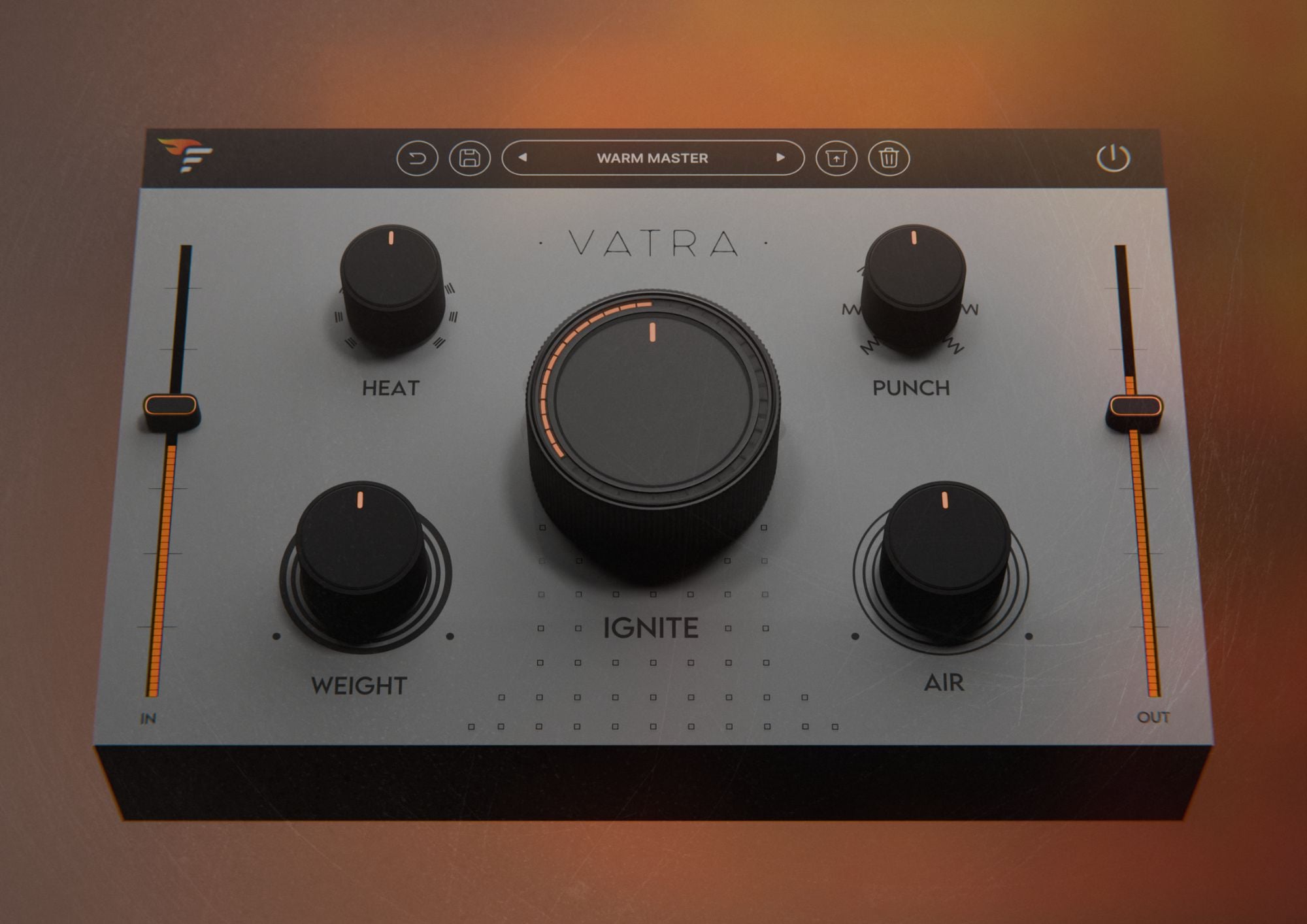
VATRA’s design ethos prioritizes intuitive usability, aiming for a plugin that can be understood and manipulated by ear within seconds. This philosophy is embodied in its five main controls: WEIGHT, IGNITE, HEAT, AIR, and PUNCH. While seemingly simple, each control encapsulates a complex multi-stage processing engine, meticulously crafted to achieve specific sonic enhancements.
- IGNITE: This was the most challenging control to perfect. Conceived as a dual-stage density engine, IGNITE aims to elevate low-level detail closer to the peaks, thereby increasing perceived loudness and presence without the pumping artifacts associated with traditional limiters. The primary hurdle was establishing the optimal operational range – powerful enough for individual tracks without devolving into obvious distortion when pushed, particularly in conjunction with other controls. This involved extensive testing and iteration, balancing impact with musicality, until a version was achieved that enhanced the mix’s vitality without unwanted coloration.
- PUNCH: Transient shaping, especially across diverse audio material from individual drum hits to full mixes, is inherently complex. The PUNCH control required careful calibration to react musically and effectively in varied contexts, a process that demanded considerable development time.
- WEIGHT & AIR: These controls were designed to transcend the limitations of simple low- and high-frequency EQ boosts. Zlatic explicitly aimed to avoid the common pitfalls of trading low-end size for muddiness or high-end brightness for harshness. The final versions of WEIGHT and AIR employ multiple, sophisticated processing stages to deliver nuanced, impactful results that defy the simplistic behavior of conventional tone controls.
- HEAT: Inspired by the coveted sonic characteristics of analog tape, HEAT serves as VATRA’s color control. Distilling the multifaceted nature of tape saturation – from subtle warmth and glue to gritty distortion – into a single, intuitive knob was a significant undertaking. The control was designed to impart gentle warmth and cohesion at lower settings, progressively introducing more pronounced grit as it is engaged more aggressively.
The development of these controls involved a rigorous cycle of listening, testing, modifying parameters, and retesting. Often, a solution to one problem would inadvertently create another, necessitating further refinement and underscoring the iterative nature of high-quality audio software engineering.
Aesthetic and Experience: Naming, Interface, and User-Centric Design
Beyond the core DSP, the external elements of VATRA – its name and interface – were projects unto themselves, reflecting Zlatic’s commitment to a holistic user experience.
- Naming VATRA: The process of naming the plugin mirrored the challenges faced by many creatives: finding a unique and resonant name in a saturated market. The name "VATRA," meaning "fire" in several Slavic languages, emerged spontaneously. It resonated with the plugin’s ability to add warmth and complemented the "Flame Sound" company name. The name’s phonetic appeal in English, despite lacking a direct translation, was also a factor. A humorous incident during interface design saw the designer mistakenly rendering the name as "VARTA" (a battery brand), momentarily creating an "accidental battery plugin."
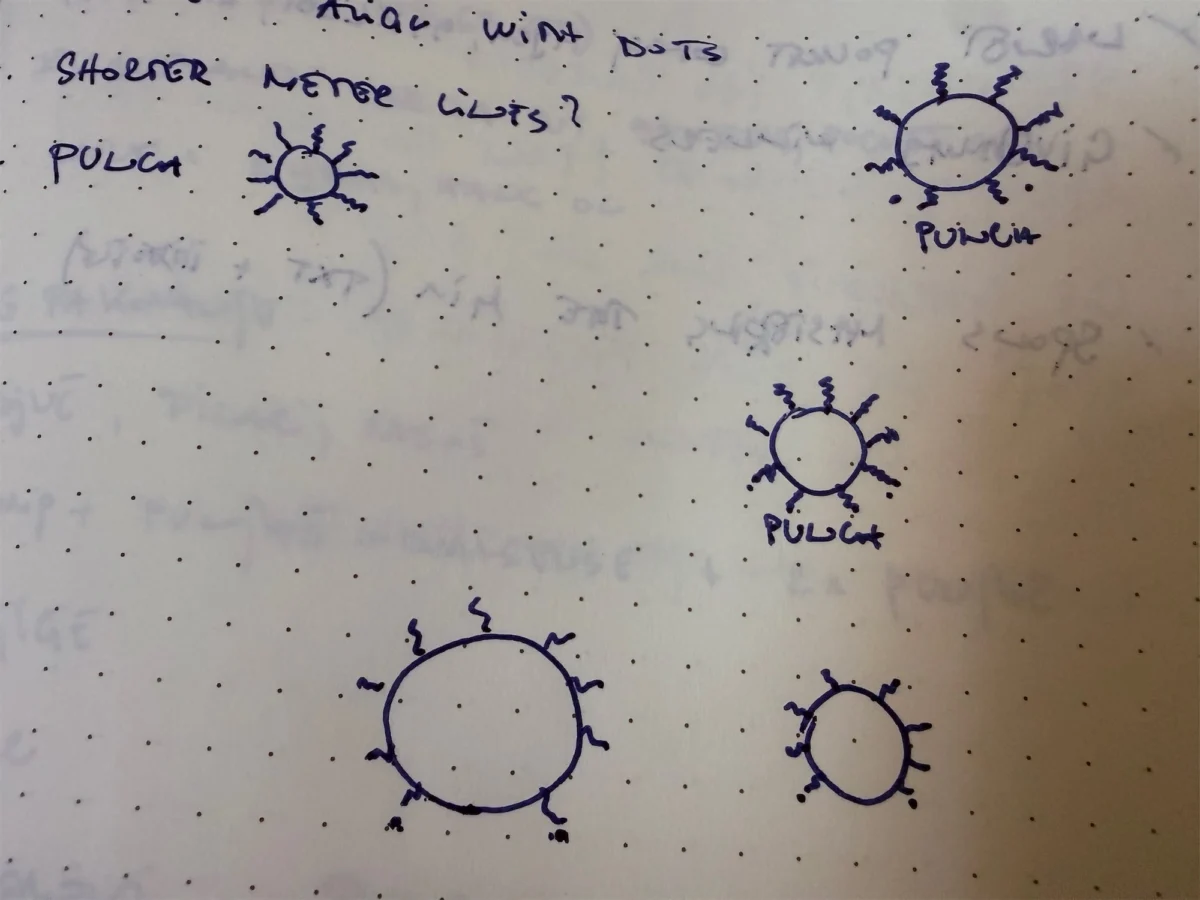
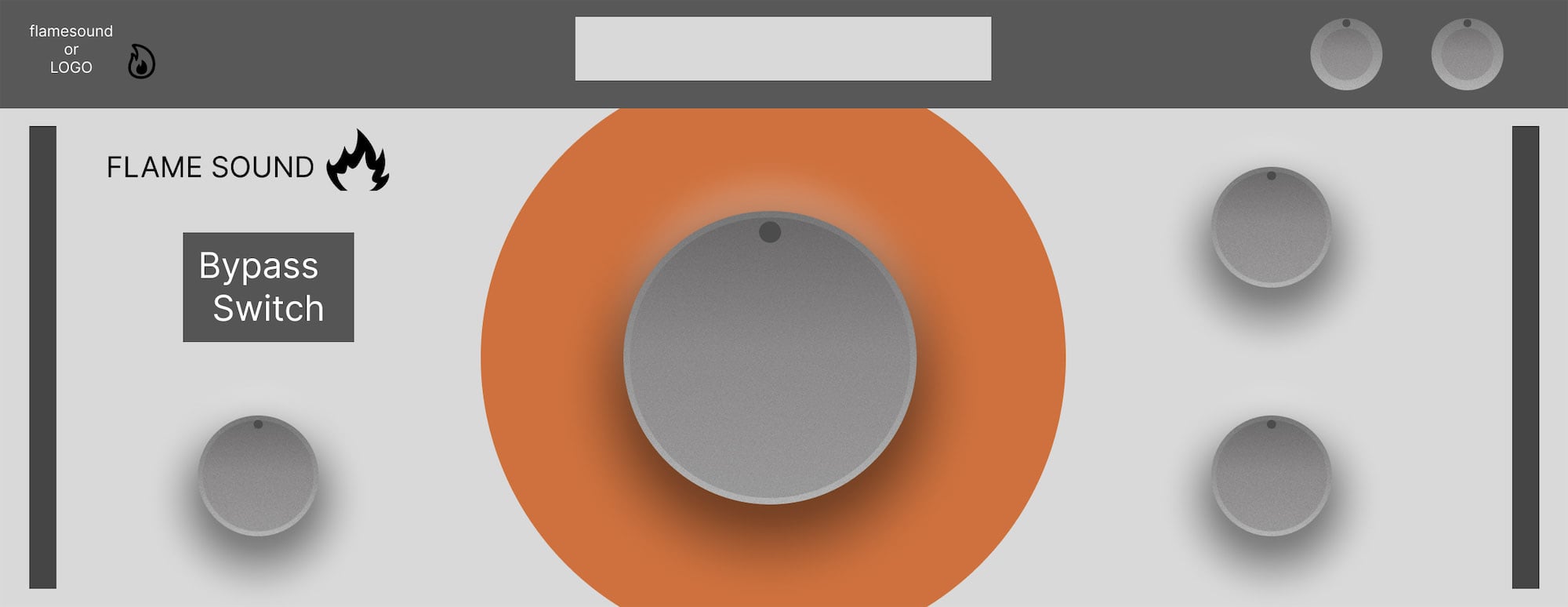
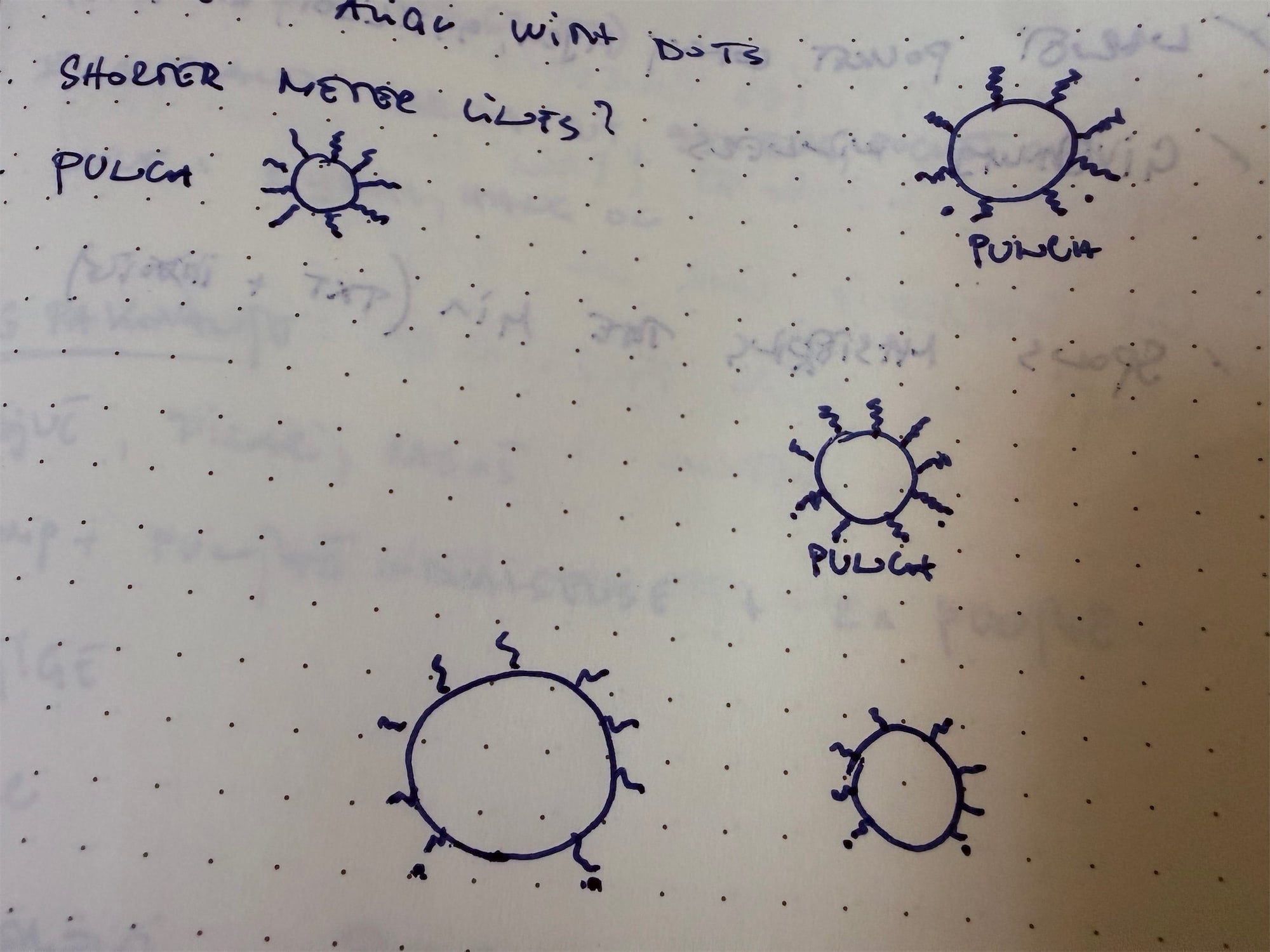
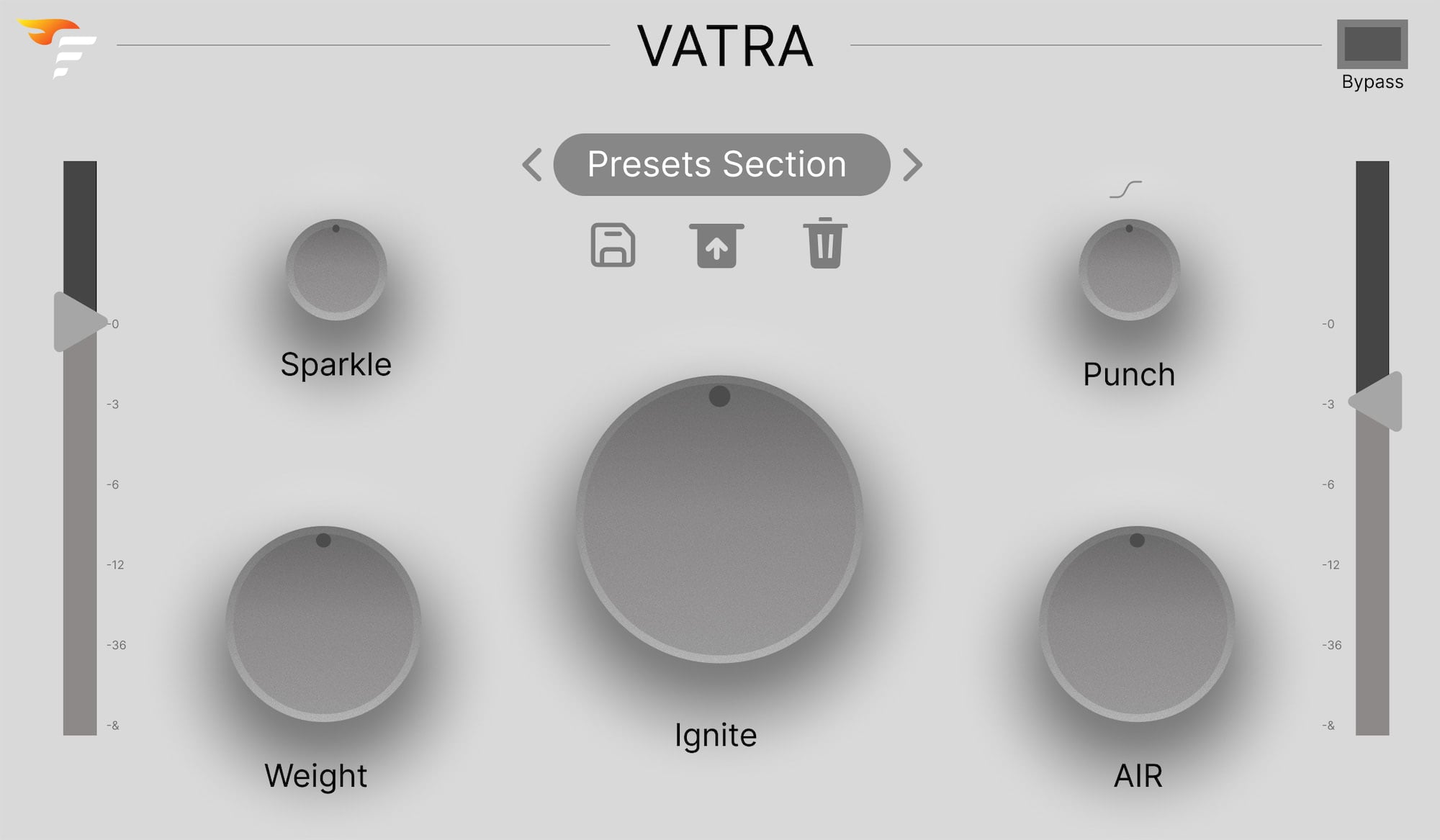
- Interface Design: Zlatic opted for an external designer for VATRA’s interface, seeking an objective perspective on his visual concepts. The goal was to create an interface that was visually impressive and conveyed the plugin’s intent without superfluous elements or "bells and whistles" that could detract from usability. The designer’s willingness to challenge Zlatic’s ideas and prioritize simplicity proved crucial in achieving this balance. The collaboration was entirely remote, leveraging screen-sharing and even quick paper sketches captured via camera to facilitate real-time adjustments and problem-solving.
The design process moved from initial paper sketches through multiple digital iterations. Zlatic aimed for a warm, bold, and highly readable interface optimized for practical use in a mixing environment. However, even after approving the final sketch, the transition from static design to a functional plugin interface presented further challenges. Minute details – spacing, image rendering, and the precise alignment of controls – required countless manual adjustments. Zlatic’s meticulous attention to these often-unnoticed details, informed by his years of reviewing plugins, ensured a polished and seamless user experience, even if it meant persistent feedback to the developer and designer.
The Final Frontier: Strategic Release and "Zero AI" Philosophy
The most formidable challenge in any creative endeavor is knowing when to declare it "finished." Zlatic likened this to completing a song, where the temptation to add "just one more thing" can indefinitely delay release. For VATRA, features like a dry/wet control, a resizable interface, additional presets, or another processing mode were considered, but ultimately, a line had to be drawn.
A key decision involved automatic gain compensation (AGC). While tools like VATRA benefit significantly from level-matched comparisons, the plugin’s complex interplay of five distinct controls made implementing a perfectly reliable AGC system exceptionally difficult. Rather than delay the release until a flawless AGC was developed, Zlatic made the strategic call to launch without it, placing it at the top of the update priority list. This pragmatic approach allowed for timely release while acknowledging future enhancements.
Perhaps one of the most significant and deliberate decisions concerned VATRA’s user experience and licensing. Drawing directly from thousands of user comments and emails received at BPB, Zlatic understood the widespread frustration with cumbersome copy protection schemes, dongles, license managers, and forced online activation. Consequently, VATRA features no copy protection, no dongle, and no license manager. Users simply purchase, download, install, and use the plugin. Lifetime free updates are included, and a full 7-day trial is offered to ensure users can thoroughly test the plugin before committing to a purchase. These choices reflect a deep commitment to user convenience and trust, directly informed by years of observing industry best (and worst) practices.
In a rapidly evolving technological landscape, VATRA’s development also stood out for its explicit "zero AI" philosophy. Zlatic noted the dramatic shift in the plugin market since 2024, with a surge of AI-generated products and generic-sounding descriptions. While acknowledging the potential utility of AI tools, he expressed a preference for software that clearly bears the imprint of human ingenuity and meticulous effort. The conscious decision to develop VATRA’s DSP, interface, and artwork through traditional methods – paper sketches, extensive listening, manual coding, and iterative testing, including grappling with human errors and miscommunication – was a deliberate counter-current to the prevailing trend of "speeding things up."
This "slow process," Zlatic argues, was essential for VATRA to truly find its character. It was during these extended periods of human-centric development that IGNITE was refined to avoid easy distortion, PUNCH learned to react musically on full mixes, the interface achieved its simple yet robust aesthetic, and the product evolved into the plugin he had envisioned for years. This commitment to a human-led, detail-oriented approach aims to imbue VATRA with a unique depth and character that Zlatic believes is increasingly absent in an AI-driven market.
Conclusion: The Enduring Value of Human Craftsmanship
Reflecting on the two-year journey, Tomislav Zlatic affirms that the endeavor was unequivocally "worth it." The most rewarding feedback has not merely been praise for VATRA’s sound quality, but rather insights from users who describe employing the plugin precisely as he had intended. This feedback validates that the original vision, painstakingly navigated through sketches, GUI-less prototypes, scrapped versions, endless design dialogues, and months of calibration, successfully translated into a universally understood and effective tool.
Zlatic’s ultimate revelation is that the initial idea, while important, was not the most critical component. The paramount challenge and ultimate triumph lay in transforming that idea into a product that users could intuitively grasp, trust in their mixes, and genuinely enjoy using repeatedly. His extensive background reviewing thousands of plugins initially led him to believe that building one would be a straightforward task. VATRA’s development proved this assumption wrong, yet it culminated in one of the most satisfying achievements of his professional life.
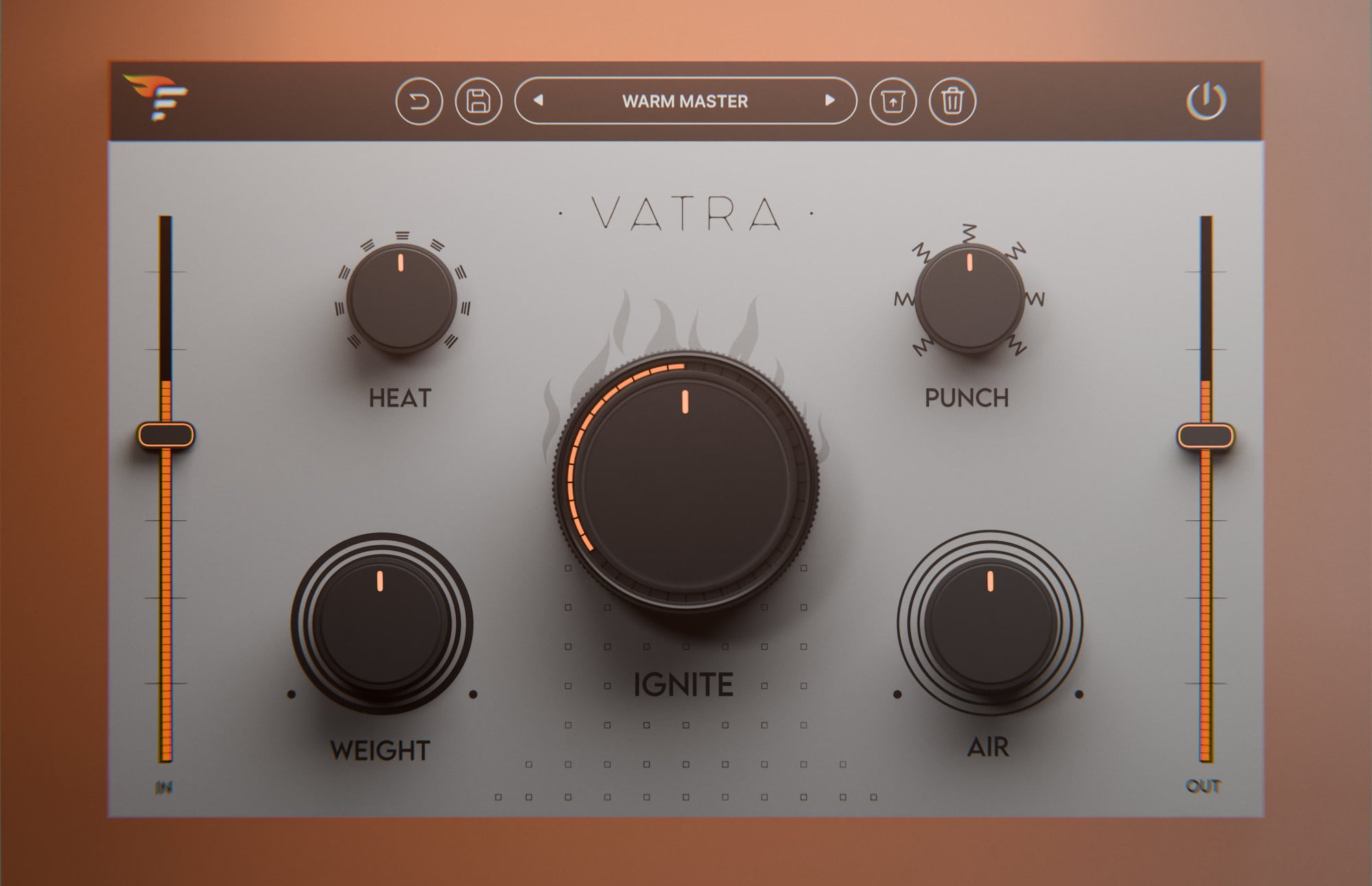
VATRA, available through Flame Sound, stands as a testament to the enduring value of human craftsmanship, patience, and user-centric design in an increasingly automated world, offering music producers a powerful, intuitive tool born from years of critical insight and dedicated development.
