

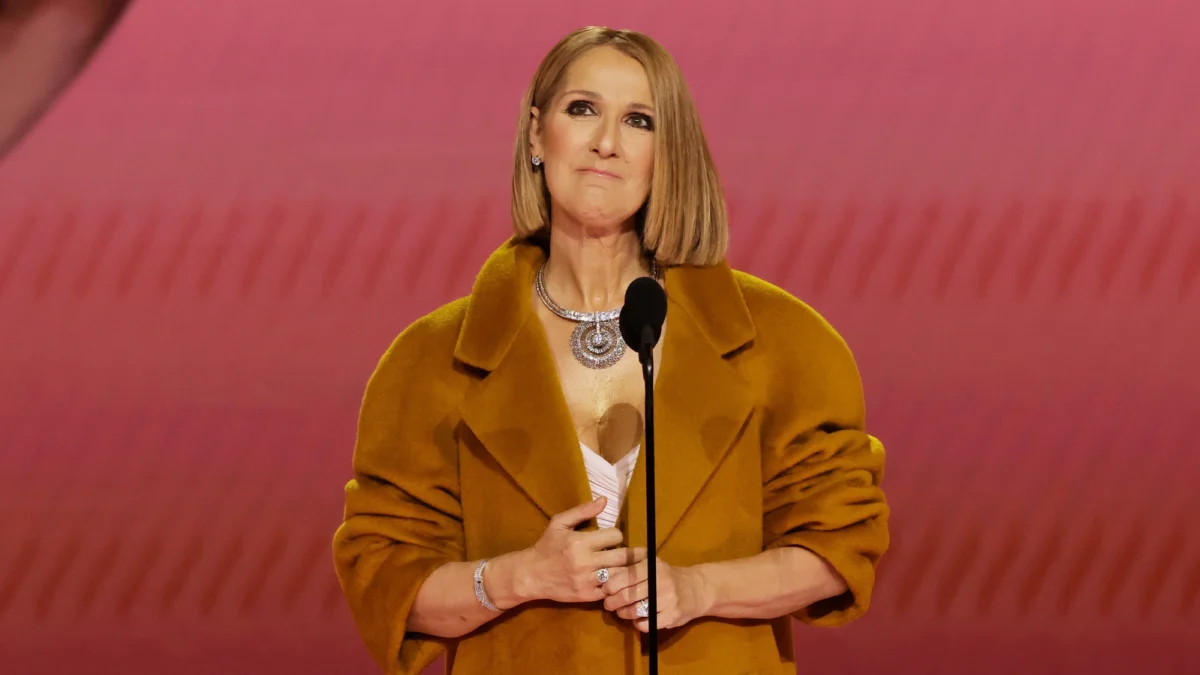
The final decade of the 20th century is increasingly recognized by musicologists and industry analysts as the definitive era of the power ballad, a period where vocal virtuosity, high-concept production, and unapologetic emotionalism converged to dominate global charts. While contemporary pop music often prioritizes rhythmic textures, minimalist production, and "vibe-centric" songwriting, the 1990s were characterized by a "maximalist" approach to the ballad. This era was defined by artists who possessed the technical capability to anchor complex, orchestral arrangements with sheer vocal power, creating a standard of performance that remains a benchmark for the industry. Central to this legacy are three pivotal works: Celine Dion’s "It’s All Coming Back to Me Now," Mariah Carey’s "Hero," and the historic collaboration between Carey and Whitney Houston, "When You Believe."
The Architecture of Melodrama: Celine Dion and the Legacy of Falling into You
In 1996, the release of Celine Dion’s album Falling into You solidified her status as a global phenomenon, eventually selling over 32 million copies worldwide and winning the Grammy Award for Album of the Year. At the heart of this success was "It’s All Coming Back to Me Now," a seven-minute epic written and produced by Jim Steinman. Steinman, known for his "Wagnerian Rock" style and his work with Meat Loaf, originally intended the song to be a flagship theatrical piece. When Dion recorded it, the track became a masterclass in the 1990s melodramatic style.
The song’s production is notable for its dynamic range, beginning with a haunting piano motif and escalating into a crescendo of electric guitars, thunderous percussion, and a full choir. Music critics of the era noted that only a vocalist of Dion’s caliber could prevent the performance from being overshadowed by Steinman’s dense instrumentation. The track’s narrative—a visceral recollection of a past romance triggered by a moment of vulnerability—resonated with a broad demographic, spending 30 weeks on the Billboard Hot 100 and peaking at number two.
In the context of modern music, "It’s All Coming Back to Me Now" serves as a stark contrast to the trend of "whisper pop" and short, radio-optimized tracks. While today’s hits rarely exceed the three-minute mark, Dion’s ballad demanded the listener’s attention for twice that duration, relying on a structural buildup that prioritized emotional payoff over immediate hooks. The resurgence of the song on social media platforms like TikTok in the 2020s suggests a latent demand for the "earnest over-the-top" energy that defined Dion’s 90s output.
The Empowerment Anthem: Mariah Carey’s Hero and the Rise of the Inspirational Ballad
If Celine Dion represented the pinnacle of theatrical pop, Mariah Carey’s "Hero," released in 1993 as part of her Music Box album, represented the perfection of the inspirational ballad. Originally intended for the film Hero and initially considered for Gloria Estefan, Carey and co-writer Walter Afanasieff eventually decided to keep the track for Carey’s own repertoire. This decision proved pivotal, as "Hero" became one of the most recognizable songs of the decade, spending four weeks at number one on the Billboard Hot 100.
"Hero" is architecturally simpler than Dion’s work, relying on a soaring melody and a message of self-reliance. Its lyrical content—"There’s a hero if you look inside your heart"—became a universal anthem of hope, frequently utilized in humanitarian efforts and national ceremonies. The song’s cultural weight intensified years after its release; it became a staple of healing in the United States following the events of September 11, 2001, illustrating the enduring nature of 90s balladry.
The technical execution of "Hero" highlights Carey’s ability to blend gospel-influenced melisma with pop accessibility. At a time when digital pitch correction was in its infancy, Carey’s vocal performance was a testament to raw talent and rigorous studio discipline. Today, industry experts point to "Hero" as the prototype for the "talent show ballad," a staple of programs like American Idol and The X Factor, where contestants frequently attempt to replicate Carey’s signature vocal runs and emotional delivery.
A Convergence of Icons: When You Believe and the Peak of the Diva Era
The 1990s culminated in what many consider the ultimate vocal event of the decade: the 1998 duet between Mariah Carey and Whitney Houston, "When You Believe." Featured on the soundtrack for the DreamWorks animated feature The Prince of Egypt, the song was a strategic and artistic triumph. For years, the media had manufactured a rivalry between Carey and Houston, the two most successful female vocalists of the era. Their collaboration served as a definitive refutation of these narratives.
Written by Stephen Schwartz and produced by Babyface, "When You Believe" is a mid-tempo power ballad that leans heavily into religious and philosophical themes of perseverance. The song’s structure was specifically designed to showcase the distinct textures of both voices—Houston’s rich, resonant mezzo-soprano and Carey’s agile, high-register soprano.
The track’s impact was immediate, winning the Academy Award for Best Original Song in 1999. Beyond its accolades, the song represented the height of the "Diva Era," a time when the music industry possessed the budget and the cultural capital to bring two global superstars together for a single, high-stakes project. In the current landscape of fragmented streaming markets and independent releases, the logistics and financial investment required for such a collaboration have become increasingly rare.
Chronology of the 1990s Ballad Dominance
To understand the impact of these songs, one must look at the timeline of the decade’s musical shifts:
- 1990-1992: The rise of Mariah Carey and the "Bodyguard" phenomenon. Whitney Houston’s "I Will Always Love You" sets the record for the longest-running number-one single at the time, establishing the power ballad as the dominant commercial force.
- 1993: Mariah Carey releases "Hero," cementing the "inspirational" sub-genre of pop.
- 1996: Celine Dion releases Falling into You. "It’s All Coming Back to Me Now" demonstrates that there is still a massive audience for long-form, theatrical rock-pop.
- 1997: Dion’s "My Heart Will Go On" becomes the global anthem of the year, marking the absolute peak of ballad saturation in popular culture.
- 1998: "When You Believe" is released, serving as a symbolic "passing of the torch" and a celebration of the decade’s vocal excellence.
- 1999-2000: The emergence of teen pop (Britney Spears, NSYNC) and the rise of digital file-sharing (Napster) begin to shift the industry’s focus toward faster tempos and younger demographics, signaling the end of the ballad’s undisputed reign.
Market Data and the Economics of the 90s Sound
The success of these ballads was supported by a robust physical media market. In the 1990s, "power ballads" were high-margin products for record labels. CD singles for tracks like "Hero" and "It’s All Coming Back to Me Now" often sold millions of copies independently of the albums. According to RIAA data, the 1990s saw more Diamond-certified albums (10 million units or more) than any other decade, many of which were anchored by the success of a single, powerful ballad.
Furthermore, the "Adult Contemporary" radio format was at its most influential during this period. Ballads by Dion, Carey, and Houston could stay on these charts for over a year, providing a level of longevity that modern "viral" hits rarely achieve. This sustained airplay ensured that these songs became woven into the cultural fabric, played at weddings, graduations, and funerals for decades to come.
Professional Analysis: The Shift Toward Minimalism
Music industry analysts often discuss the "melodrama gap" between 1990s pop and contemporary releases. The shift can be attributed to several factors:
- Production Technology: The 1990s relied on large-scale studio recordings involving live orchestras and expensive analog gear. Modern production is largely "in-the-box" (digital), which favors cleaner, more compressed sounds that often lack the dynamic "breath" of 90s ballads.
- Vocal Aesthetics: Since the mid-2010s, "indie-pop" and R&B-inflected vocals have favored a more conversational, understated delivery. The "powerhouse" vocal style is now often relegated to theater or niche markets.
- Songwriting Trends: Contemporary hits are often written by large committees of writers focusing on "loops" and "vibes" that work well for short-form video content. The 90s ballad followed a traditional verse-chorus-bridge-climax structure that built toward a definitive emotional peak.
Broader Impact and Implications
The legacy of 1990s ballads like those of Dion, Carey, and Houston extends beyond mere nostalgia. These songs defined the vocal standards for several generations of performers. When modern artists like Adele or Ariana Grande release music that emphasizes vocal range and emotional vulnerability, they are operating within the framework established by their 90s predecessors.
Moreover, the enduring popularity of these tracks on streaming services—where "It’s All Coming Back to Me Now" and "Hero" continue to garner millions of monthly plays—indicates that the "melodramatic" appeal is not merely a relic of the past but a fundamental human preference for high-stakes storytelling in music. As the industry continues to evolve, the 1990s power ballad remains a testament to a time when the human voice was the most powerful instrument in the global market, capable of stopping time and defining an entire cultural era.
