

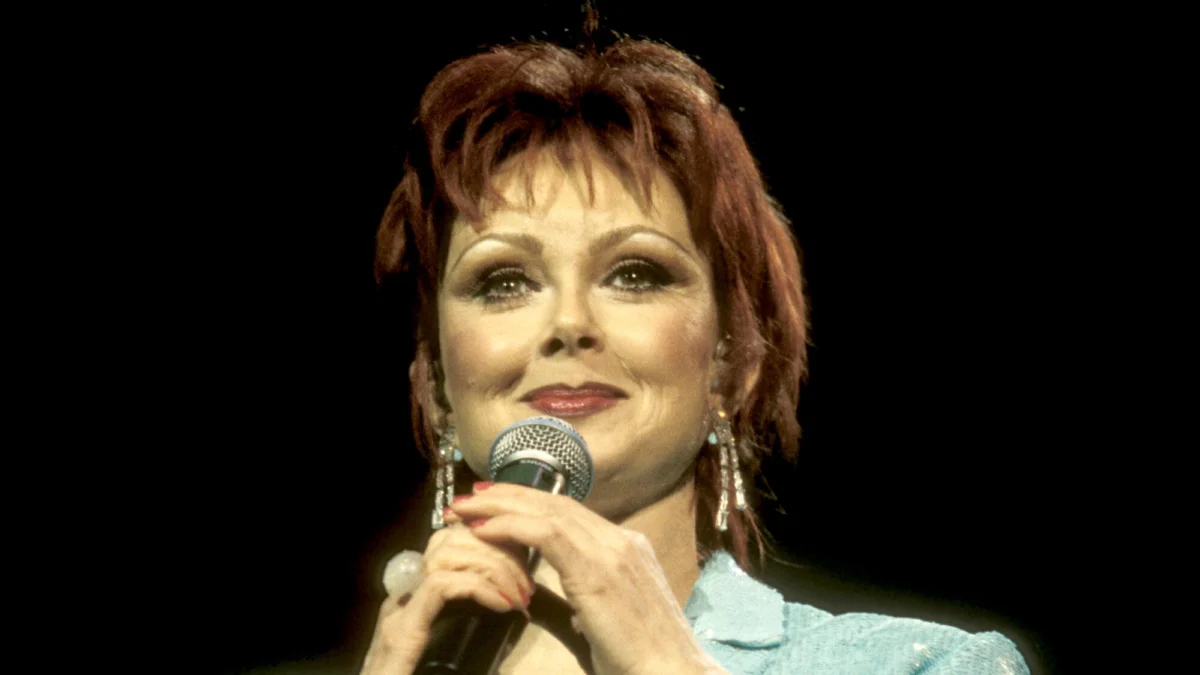
On April 30, 2022, the American music industry lost one of its most influential figures when Naomi Judd, born Diana Ellen Judd, passed away at her home in Leiper’s Fork, Tennessee, at the age of 76. Her death, occurring just one day before her scheduled induction into the Country Music Hall of Fame, marked the end of a life defined by extraordinary professional success and a long, public battle with mental health. As the matriarch and one-half of the legendary mother-daughter duo The Judds, Naomi Judd was instrumental in redefining the sound of country music during the 1980s, bridging the gap between traditional Appalachian roots and modern commercial appeal. Her passing prompted a nationwide conversation regarding the pressures of fame and the critical importance of mental health awareness, even as the industry paused to celebrate a career that spanned four decades and yielded some of the most recognizable hits in the genre’s history.
The Genesis of a Country Music Dynasty
The story of The Judds is often cited as a quintessential American narrative of resilience and determination. Born in Ashland, Kentucky, in 1946, Naomi Judd’s early life was marked by the challenges of young motherhood. After relocating to California and later returning to the Southeast, she settled in Franklin, Tennessee, in the late 1970s with her two daughters, Christina (who would later take the name Wynonna) and Ashley. While working as a registered nurse to support her family, Naomi recognized the vocal chemistry between herself and Wynonna.
Their sound was distinct from the polished, pop-infused "Urban Cowboy" style that dominated Nashville at the time. Influenced by old-time music, folk, and the traditional country sounds of the Hazel and Alice duo, Naomi and Wynonna developed what became known as "blood harmony"—the unique, intuitive vocal blending often found between close biological relatives. This acoustic-driven approach, characterized by Wynonna’s bluesy lead vocals and Naomi’s delicate high harmonies, caught the attention of the industry through a combination of talent and serendipity.
The duo’s professional breakthrough is a well-documented piece of Nashville lore. While working at a local hospital, Naomi Judd encountered the daughter of record producer Brent Maher. After passing a demo tape to Maher, the producer was struck by the duo’s raw, unadorned sound. Enlisting the help of guitarist Don Potter, Maher helped the Judds refine a signature style that prioritized acoustic instrumentation and vocal clarity over the heavy string arrangements common in the era.
Rise to Prominence and Chart Dominance
In 1983, The Judds signed a joint recording contract with RCA Nashville and Curb Records. Their debut six-song EP, Wynonna & Naomi, was released later that year and immediately signaled a shift in the country music hierarchy. The single "Mama He’s Crazy" reached the No. 1 spot on the Billboard Country Chart in 1984, making them the first female duo to achieve such a feat in over 30 years.
Following this initial success, The Judds embarked on a period of unprecedented chart dominance. Between 1983 and 1991, they released six studio albums and garnered 14 No. 1 hits, including "Why Not Me," "Girls’ Night Out," "Grandpa (Tell Me ‘Bout the Good Old Days)," and "Turn It Loose." Their impact was validated by the industry through a staggering collection of accolades: five Grammy Awards, nine Country Music Association (CMA) Awards, and seven Academy of Country Music (ACM) Awards.
The Judds were more than just a commercial success; they were a cultural phenomenon. Naomi Judd’s image as a glamorous yet relatable mother figure, combined with Wynonna’s powerhouse vocals, appealed to a broad demographic. They were central figures in the "New Traditionalist" movement, alongside artists like George Strait and Randy Travis, who sought to return country music to its foundational roots while maintaining a contemporary edge.
A Career Interrupted: The 1990 Diagnosis
At the height of their fame in 1990, following the release of their fifth studio album, Love Can Build a Bridge, the duo’s trajectory was abruptly altered. Naomi Judd was diagnosed with Hepatitis C, a chronic and then-life-threatening viral infection she believed she contracted from a needle stick during her years as a nurse. Doctors initially gave her only a few years to live, leading to the heartbreaking announcement of her retirement from the stage.
The Judds’ "Farewell Tour" in 1991 was one of the highest-grossing tours in country music history at the time, culminating in a final televised concert in Murfreesboro, Tennessee, in December 1991. Following the tour, Wynonna Judd transitioned into a highly successful solo career, while Naomi focused on her health, eventually becoming a prominent advocate for Hepatitis C awareness and mental health. Against medical expectations, Naomi eventually went into remission, a feat she attributed to both medical intervention and a rigorous holistic lifestyle.
Chronology of Major Milestones and Reunions
The decades following Naomi’s initial retirement were marked by intermittent reunions and public appearances that kept the duo’s legacy alive:
- 1994: The Judds reunited for a high-profile performance during the halftime show of Super Bowl XXVIII, joined by other country luminaries to sing "Love Can Build a Bridge."
- 1999–2000: The duo embarked on the "Power to Change" tour, their first full-scale tour since the 1991 farewell.
- 2010: They launched "The Last Encore" tour, which was accompanied by a new greatest hits album including new tracks.
- 2011: The mother and daughter starred in a reality docuseries, The Judds, on the OWN network, which provided a candid look at their complex relationship and Naomi’s ongoing health struggles.
- 2016–2017: Naomi Judd released her memoir, River of Time: My Descent into Depression and How I Emerged with Hope, detailing her severe struggles with treatment-resistant depression and anxiety.
- 2022: The duo performed "Love Can Build a Bridge" at the CMT Music Awards in April, their first televised performance together in over 20 years. Shortly thereafter, they announced "The Final Tour," slated for the fall of 2022.
The Tragic Events of April 2022
The spring of 2022 was intended to be a season of celebration for The Judds. Their performance at the CMT Music Awards was hailed as a triumphant return, and the upcoming induction into the Country Music Hall of Fame was viewed as the ultimate validation of their contributions to the genre. However, behind the scenes, Naomi Judd continued to struggle with the "stark-raving panic" and depression she had chronicled in her writings.
On April 30, 2022, Naomi Judd died by suicide. The news was shared by her daughters, Ashley and Wynonna, in a statement that cited the "disease of mental illness." The timing of her death—the eve of the Hall of Fame induction—sent shockwaves through the Nashville community and the global fan base.
Despite the tragedy, the Country Music Hall of Fame induction proceeded on May 1, 2022, at the request of the family. In a somber and emotional ceremony, Wynonna and Ashley Judd accepted the medallions on behalf of their mother. Wynonna spoke of the "broken heart" she felt but emphasized the importance of honoring the music and the legacy Naomi had built.
Official Responses and Industry Impact
The reaction to Naomi Judd’s death was immediate and profound. Kyle Young, CEO of the Country Music Hall of Fame and Museum, described her as a "dynamic force of nature." Fellow artists, including Dolly Parton, Reba McEntire, and Loretta Lynn, issued statements praising her talent, her beauty, and her resilience.
The tragedy also catalyzed a broader discussion within the entertainment industry regarding mental health support for performers. Naomi’s openness about her struggles in the years leading up to her death provided a framework for others to speak out. Her family’s decision to be transparent about the cause of death was seen by mental health advocates as a brave step toward de-stigmatizing suicide and clinical depression.
In the wake of her passing, Wynonna Judd made the decision to proceed with "The Final Tour" as a tribute to her mother. The tour featured a rotating cast of female country stars, including Martina McBride, Brandi Carlile, Little Big Town, and Faith Hill, turning the concert series into a celebration of Naomi’s life and the enduring power of The Judds’ discography.
Broader Implications and Legacy
Naomi Judd’s legacy is multifaceted. Musically, she helped usher in an era where female artists could command the charts with a sound that was unapologetically rooted in tradition yet commercially viable. The Judds sold more than 20 million albums, a testament to the universal appeal of their storytelling and harmonies.
Sociologically, Naomi Judd became a symbol of the "second act." Her transition from a nurse and single mother to a global superstar inspired millions. Furthermore, her later years as an author and speaker provided a voice for those suffering from invisible illnesses. By documenting her journey through Hepatitis C and mental health crises, she shifted the narrative of the "perfect" celebrity to one of human vulnerability.
The data regarding the duo’s career remains impressive decades after their peak. With five Grammy wins from 10 nominations and a consistent presence on gold and platinum certification lists, The Judds remain one of the most successful duos in music history. The 2022 induction into the Country Music Hall of Fame solidified their status as permanent fixtures in the American cultural canon.
As the industry reflects on the anniversary of her passing, Naomi Judd is remembered not only for the tragedy that ended her life but for the vibrant, harmonic, and transformative music she created. Her life remains a study in the complexities of the human condition—the ability to create immense beauty and joy for others while privately navigating profound personal pain. The resilience of Wynonna Judd in carrying forward the music and the continued advocacy of Ashley Judd ensure that the matriarch’s influence will be felt for generations to come. In the history of country music, Naomi Judd stands as a pivotal figure who proved that love, indeed, can build a bridge between the past and the present, and between an artist and their audience.
