

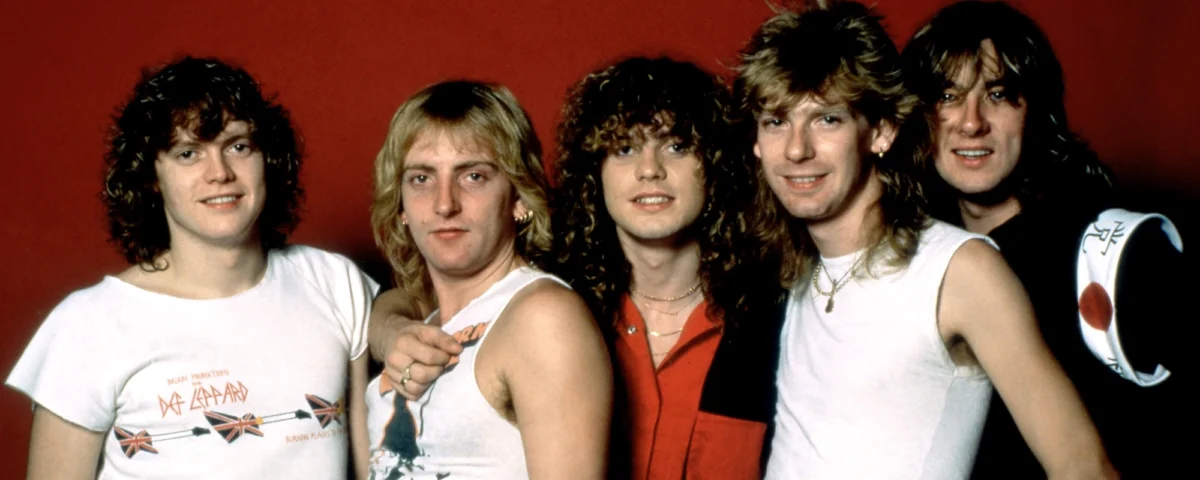
The 1980s represented a transformative era for the music industry, characterized by a shift from the analog, folk-influenced textures of the 1970s to a high-gloss, technologically driven soundscape. This period saw every musical emotion amplified to a maximum degree, as sub-genres of rock were stretched to the furthest ends of the creative spectrum. From the neon-soaked aesthetics of glam metal to the polished precision of arena rock, the decade produced a catalogue of music that remains instantly recognizable due to its distinct production hallmarks. While these songs often carry a specific temporal "timestamp" that some critics argue limits their contemporary relevance, the enduring popularity of the era’s definitive tracks suggests a deeper resonance. Despite being labeled as "cheesy" by modern standards, certain compositions by Journey, REO Speedwagon, and Def Leppard continue to function as anthemic staples of global music culture.
The Evolution of the 1980s Rock Sound
To understand the longevity of 1980s rock, one must first examine the industrial and technological environment in which it was forged. The decade coincided with the rise of MTV, which launched in 1981 and fundamentally altered how music was consumed. Visual presentation became as critical as auditory quality, leading to the "larger-than-life" personas associated with the era’s biggest bands. Simultaneously, the introduction of digital synthesizers, the Fairlight CMI, and the gated reverb drum sound—famously pioneered by Peter Gabriel and Phil Collins—created a sonic profile that was both massive and meticulously controlled.
This "stadium-ready" sound was designed for mass appeal. The 1970s had been dominated by the sprawling experimentation of progressive rock and the gritty realism of punk. In contrast, the 1980s embraced a sense of aspirational earnestness. While this earnestness is often what modern listeners categorize as "cheese," it was a deliberate move toward universal relatability and emotional maximalism.
Journey and the Architecture of "Don’t Stop Believin’"
If any single track encapsulates the 1980s arena rock ethos, it is Journey’s 1981 hit, "Don’t Stop Believin’." Released as the second single from their seventh studio album, Escape, the song was a collaborative effort between keyboardist Jonathan Cain, guitarist Neal Schon, and lead vocalist Steve Perry.
Chronology and Compositional Unique Qualities
Unlike standard pop-rock songs of the era, "Don’t Stop Believin’" is structurally unorthodox. Most radio hits follow a verse-chorus-verse-chorus pattern. However, Journey’s anthem does not reach its iconic chorus until the final 50 seconds of the track. Instead, the song builds tension through a series of melodic vignettes—the "small town girl" and the "city boy"—supported by Cain’s driving piano riff and Schon’s soaring guitar work.
The song’s history is rooted in a moment of personal uncertainty. Jonathan Cain reportedly derived the title from advice his father gave him when he was a struggling musician in Los Angeles: "Don’t stop believin’, or you’re done." This sincerity provided the foundation for a track that would eventually become the most downloaded song of the 20th century.
Statistical Resurgence and Cultural Impact
While the song reached number nine on the Billboard Hot 100 in 1981, its true cultural dominance occurred decades later. The track experienced a massive resurgence following its use in the 2007 series finale of The Sopranos and its subsequent adoption by the television show Glee in 2009. According to the RIAA, "Don’t Stop Believin’" was certified 18-times platinum in 2024, making it one of the best-selling songs in history. Critics who dismiss the song as "overplayed" often overlook the technical precision of Steve Perry’s vocal delivery, which remains a benchmark for aspiring rock vocalists.
REO Speedwagon and the Peak of the Power Ballad
The mid-1980s saw the rise of the "power ballad," a format that combined the raw energy of rock instrumentation with the sentimental lyricism of traditional pop. REO Speedwagon’s "Can’t Fight This Feeling," released in late 1984 on the album Wheels Are Turnin’, serves as a definitive example of this trend.
Historical Context of the Power Ballad
REO Speedwagon had spent much of the 1970s as a hard-working midwestern boogie-rock band. Their 1980 album, Hi Infidelity, transformed them into superstars, but it was "Can’t Fight This Feeling" that solidified their place in the pop-rock pantheon. Written by lead singer Kevin Cronin, the song spent three consecutive weeks at number one on the Billboard Hot 100 in March 1985.
The track’s production is a masterclass in 80s sentimentality, featuring a slow-build arrangement that culminates in a high-intensity orchestral rock finish. For contemporary listeners, the lyrics—detailing a friendship evolving into a deep romantic confession—can feel overly dramatic. However, within the context of 1985, this level of emotional transparency was a hallmark of the genre.
Enduring Relevance in Popular Media
The song has maintained its presence in the public consciousness through frequent use in film and television. Its appearance in the South Park episode "Miss Teacher Bangs a Boy" and various musical theater productions highlights its status as a cultural shorthand for intense, if slightly schmaltzy, devotion. By stripping away the modern cynical lens, listeners can appreciate the song for its vocal performance and its role in defining the "soft rock" side of the 1980s spectrum.
Def Leppard and the Perfection of Pop-Metal
While Journey and REO Speedwagon leaned into melodic rock and ballads, Def Leppard represented the cutting edge of "pop-metal." Their 1987 track "Pour Some Sugar On Me," from the diamond-certified album Hysteria, remains one of the most recognizable riffs in rock history.
The Production Marathon of Hysteria
The creation of Hysteria is one of the most storied chapters in rock history. The production took over three years and cost an estimated $4.5 million—a staggering sum at the time. The band faced immense hurdles, most notably drummer Rick Allen’s 1984 car accident, which resulted in the loss of his left arm. Under the guidance of producer Robert John "Mutt" Lange, the band utilized revolutionary electronic drum kits and layered vocal harmonies to create a sound that was virtually impossible to replicate live.
"Pour Some Sugar On Me" was actually the last song written for the album. Lead singer Joe Elliott was strumming a guitar in the studio during a break when Mutt Lange heard the hook. Recognizing its potential, they quickly developed the track, drawing inspiration from the emerging crossover between rock and rap (specifically the Run-D.M.C. and Aerosmith collaboration on "Walk This Way").
Lyrical Analysis and Modern Reception
The lyrics—"Love is like a bomb, baby, c’mon get it on / Livin’ like a lover with a radar phone"—are quintessential 1980s rock poetry: suggestive, rhythmic, and designed for maximum impact rather than deep literary analysis. By modern standards, the song is often relegated to "party anthem" or "karaoke" status. However, its influence on the production of modern pop and country music is significant. The "Mutt Lange sound"—characterized by massive choruses and meticulous layering—set the stage for the production styles of the 1990s and 2000s.
Supporting Data: The Longevity of the 80s Sound
Data from streaming platforms and the RIAA suggests that the "cheese" factor has not hindered the commercial viability of these tracks. In fact, it may have bolstered it.
- Streaming Dominance: As of 2023, "Don’t Stop Believin’" has surpassed 1.6 billion streams on Spotify alone. "Pour Some Sugar On Me" and "Can’t Fight This Feeling" consistently rank in the top percentile of "catalog tracks" (songs older than 18 months) that continue to generate significant revenue.
- RIAA Certifications: The album Hysteria is one of the few rock albums to achieve Diamond status (over 10 million copies sold in the U.S.), while Journey’s Greatest Hits has been certified 15-times platinum.
- Demographic Shift: Analysis of listener data indicates that these songs are not merely being played by those who grew up in the 80s. A significant portion of the audience consists of Gen Z and Millennials, who discover the tracks via social media platforms like TikTok and Instagram, where the "anthemic" nature of the music fits the high-energy format of short-form video.
Official Responses and Artist Perspectives
Reflecting on the enduring nature of their work, members of these bands have often defended the "earnestness" of their compositions. Steve Perry has frequently remarked in interviews that the "hope" inherent in Journey’s lyrics is what keeps the songs alive. Similarly, Joe Elliott of Def Leppard has noted that while critics at the time dismissed their music as overly manufactured, the band’s goal was always to create "timeless pop-rock" that would sound as good in 30 years as it did in the 80s.
Industry analysts suggest that the "cheesy" label is often a byproduct of the 1990s grunge movement, which prioritized raw, unpolished authenticity and rejected the "stadium" aesthetics of the previous decade. However, as the musical pendulum swings back toward high-production values and unapologetic hooks, the 80s sound is being re-evaluated for its technical brilliance and songwriting craftsmanship.
Broader Impact and Implications for the Music Industry
The continued success of these three tracks highlights a fundamental truth about the music industry: emotional resonance often outlasts stylistic trends. While the synthesizers and "radar phones" mentioned in these songs may be relics of a bygone era, the core themes of perseverance, love, and celebration remain universal.
Furthermore, the survival of these anthems demonstrates the power of "catalog music" in the digital age. In an era where thousands of new songs are uploaded daily, the familiarity and "anthemic" quality of 1980s rock provide a sense of cultural continuity. These songs have moved beyond the realm of mere entertainment to become part of the collective cultural lexicon—played at weddings, sporting events, and graduation ceremonies.
Ultimately, the "cheesiness" of 80s rock is not a flaw, but a feature. It represents a period when musicians were not afraid to be grandiose, sentimental, or overtly provocative. By embracing the earnestness of Journey, the passion of REO Speedwagon, and the polished energy of Def Leppard, modern audiences are rediscovering a decade that, for all its neon and hairspray, produced some of the most enduring compositions in the history of the genre. As these tracks continue to rack up billions of streams and inspire new generations, they serve as a reminder that a well-crafted anthem is, by definition, timeless.
