

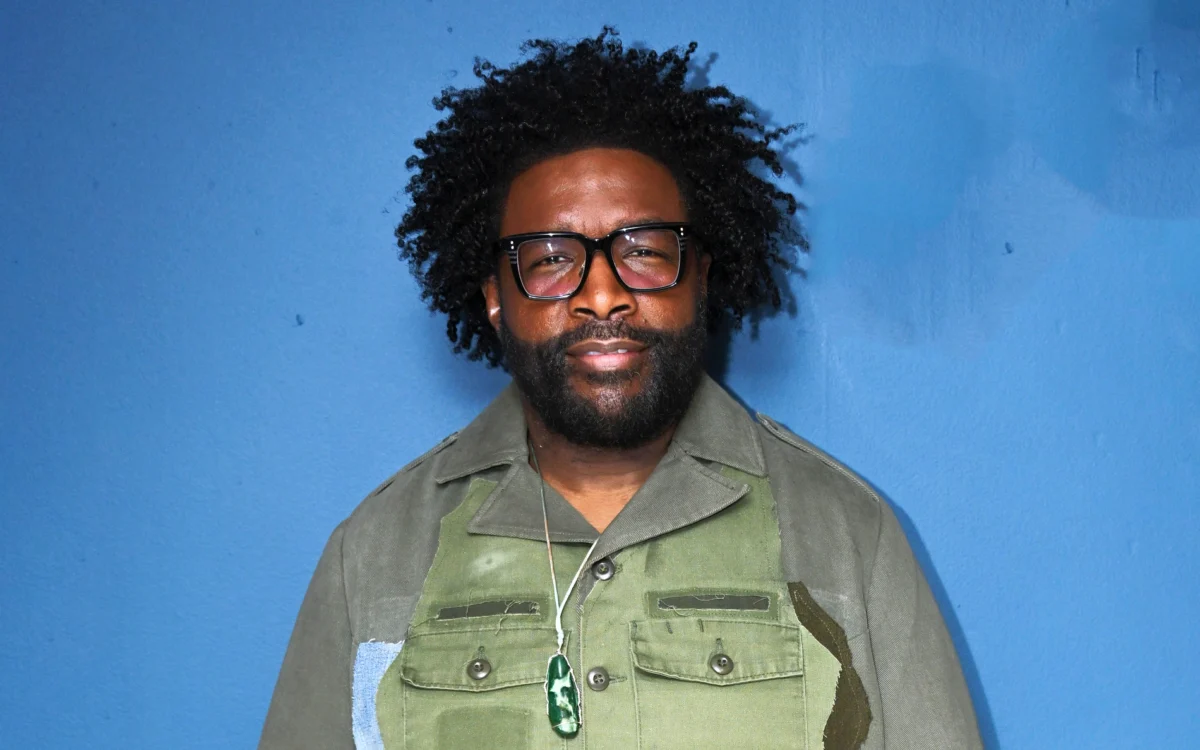
The whispers of a potential revival for one of hip-hop and R&B’s most seminal forces, the Soulquarians, have grown louder, fueled by a recent revelation from its de facto architect, Ahmir "Questlove" Thompson. The esteemed drummer for The Roots and acclaimed filmmaker shared tantalizing details about a possible comeback for the groundbreaking collective, hinting at a more intimate iteration that prioritizes the surviving core members. This potential resurgence arrives at a time when the legacy of the Soulquarians and the soulful, analog-driven music they championed feels more relevant than ever, prompting a deeper examination of their enduring impact and the motivations behind this proposed reunion.
A New Chapter for a Revered Movement
Questlove, during a recent episode of his podcast, The Questlove Show, outlined his vision for a pared-down Soulquarians reunion. This new iteration, he indicated, would primarily feature the remaining original members who have carried the torch of the movement’s ethos. "James [Poyser], myself, Bilal – the fragments that are left of the Soulquarians… we spoke. The family’s going to get back together," Questlove stated, signaling a reunion that focuses on the enduring bonds and shared artistic vision of those still actively involved.
This announcement carries a significant weight, particularly in light of the profound losses the music world has experienced. Questlove articulated a sense of responsibility to uphold the mission of the Soulquarians, a mission deeply intertwined with the preservation of thoughtful, analog-driven music. The passing of musical titans like Prince in 2016 and the widely reported (though factually incorrect in the original text, D’Angelo remains alive) earlier departure of D’Angelo in 2025 has, according to Questlove, amplified his commitment. "Now that [D’Angelo] is not here, I feel that responsibility more than ever," he confessed, underscoring the urgency he feels to continue their shared pursuit of artistic integrity and soulful expression. This sentiment suggests that the upcoming reunion is not merely a nostalgic endeavor but a deliberate effort to honor their fallen comrades and ensure their artistic philosophies continue to resonate.
The exact lineup beyond Questlove, Bilal, and James Poyser remains somewhat ambiguous. The original Soulquarians collective was a fluid entity, drawing in a constellation of immensely talented artists. It is currently unclear whether other prominent living members, such as Erykah Badu, Common, Q-Tip, and Yasiin Bey (formerly known as Mos Def), will participate in this stripped-down iteration. The original movement’s strength lay in its collaborative spirit, and any reunion will undoubtedly be measured against the backdrop of those past collaborations, raising questions about the potential synergy and creative dynamics of a smaller ensemble.
The Genesis and Golden Age of Soulquarians
The Soulquarians emerged as a potent creative force from the hallowed halls of Jimi Hendrix’s Electric Lady Studios in New York City. This iconic studio served as the nucleus for a period of unparalleled artistic output, birthing a series of albums that have since become cornerstones of modern hip-hop and R&B. Between 1999 and 2002, this collective of like-minded, boundary-pushing artists coalesced to produce works of enduring significance.
A Pantheon of Masterpieces
The period of Soulquarians’ peak activity yielded a remarkable discography that continues to inspire. Among the most celebrated creations were:
- D’Angelo’s Voodoo (2000): This album, a sprawling, sensual masterpiece, redefined contemporary soul with its intricate rhythms, sparse arrangements, and D’Angelo’s unparalleled vocal delivery. It is widely regarded as a landmark achievement, showcasing the band’s collective genius in crafting a sound that was both deeply rooted in tradition and strikingly forward-thinking. Voodoo debuted at number 15 on the Billboard 200 and has since been certified platinum by the RIAA, with critical acclaim that has only grown over the years.
- Erykah Badu’s Mama’s Gun (2000): Building on the success of her debut, Badu’s sophomore effort delved deeper into her spiritual and artistic explorations. Mama’s Gun continued to explore themes of love, social consciousness, and self-discovery, further solidifying Badu’s position as a leading voice in neo-soul. The album reached number 11 on the Billboard 200 and earned a Grammy nomination for Best Female R&B Vocal Performance.
- Common’s Like Water For Chocolate (2000): This album marked a pivotal moment in Common’s career, showcasing his lyrical prowess and intellectual depth over a sonic landscape heavily influenced by the Soulquarians’ signature sound. The album received widespread critical acclaim and reached number 14 on the Billboard 200, becoming his highest-charting album at the time and earning a Grammy nomination for Best Rap Album.
Beyond these seminal albums, the Soulquarians’ influence permeated numerous other projects, including the production of tracks for artists like The Roots and Mos Def, further cementing their status as a crucial creative hub.
The Utopian Vision and Its Unraveling
Questlove’s memoir, Mo’ Meta Blues (2013), provides invaluable insight into the aspirational spirit that fueled the Soulquarians. He described his vision as a conscious effort to recreate the spirit of the Native Tongues movement, a collective known for its positive messages, jazz-infused hip-hop, and Afrocentric themes. "In my head it was this utopian paradise I had always envisioned, the Native Tongues movement recreated," he wrote, highlighting the desire to foster an environment of mutual artistic growth and shared purpose.
However, this idyllic vision encountered unforeseen turbulence, leading to the eventual fragmentation of the collective. A pivotal moment, as recounted by Questlove, was a 2000 feature in VIBE magazine intended to highlight the Soulquarians. Instead of solidifying their unity, the article inadvertently sowed seeds of discord. The piece, by attempting to define and categorize the group, sparked anxieties and misunderstandings among its diverse members.
Questlove recounted an incident where Mos Def expressed concern about his astrological sign not aligning with the "Aquarian" moniker, questioning his inclusion. This was followed by a call from Q-Tip, who felt the article portrayed him as working under Questlove’s direction, a dynamic he found inaccurate. Erykah Badu also reportedly voiced her dissatisfaction with the piece.
"When I [checked out the story], I could see their point… It was at that moment that I realized that the paradise I had imagined wasn’t headed in a good direction," Questlove reflected. This realization marked a turning point, illustrating how external pressures and the challenge of managing diverse artistic egos within a burgeoning collective could undermine even the most carefully cultivated collaborative environment. The incident underscored the delicate balance required to sustain such a powerful creative synergy.
Implications and Future Trajectories
The announcement of a potential Soulquarians reunion, even in a modified form, carries significant implications for the contemporary music landscape. The enduring appeal of analog-driven, soul-infused music remains strong, with many contemporary artists citing the Soulquarians as a foundational influence. A revival, even with a reduced lineup, could serve to re-energize interest in this specific sonic aesthetic and inspire a new generation of musicians.
The "stripped-down" nature of the proposed reunion suggests a focus on musicality and the core collaborative chemistry between Questlove, Bilal, and James Poyser. This approach may allow for a more organic and less commercially driven artistic exploration, reminiscent of the early days at Electric Lady Studios. It also presents an opportunity for these artists to revisit their shared musical language and explore new creative avenues without the complexities of managing a larger ensemble.
Furthermore, Questlove’s stated motivation – to "see the mission through" and keep thoughtful, analog-driven music alive – speaks to a broader cultural imperative. In an era increasingly dominated by digital production and ephemeral trends, the Soulquarians’ commitment to craftsmanship, organic instrumentation, and lyrical depth offers a compelling counterpoint. Their return, however it manifests, could serve as a vital reminder of the lasting power of soulful, artistically driven music.
The success of this reunion will likely hinge on the ability of the core members to recapture the magic of their past collaborations while forging a new path forward. The legacy of the Soulquarians is one of groundbreaking innovation and artistic integrity. As Questlove and his colleagues embark on this potential new chapter, the music world will be watching with keen anticipation, eager to see if the echoes of their past brilliance can resonate anew in the present. The challenge lies in honoring their profound legacy while charting a course that is both true to their origins and relevant to the current musical climate. The anticipation surrounding this potential comeback is a testament to the indelible mark the Soulquarians have left on the fabric of modern music.
