

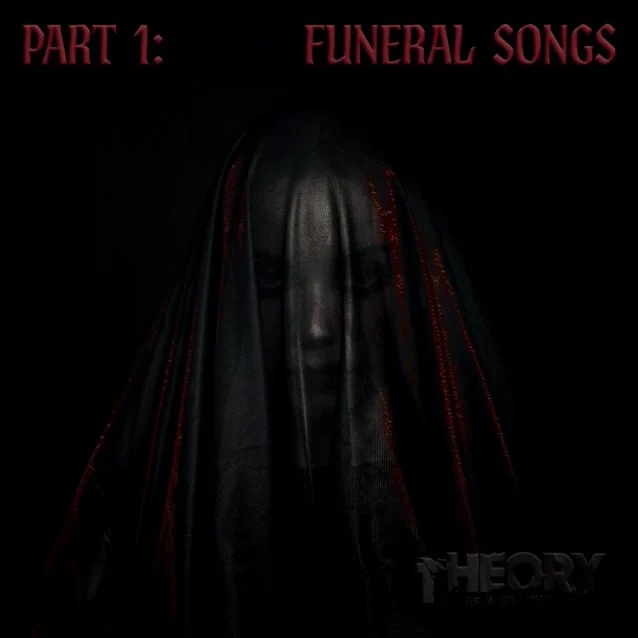
In a candid conversation with LA Lloyd, the influential host of the nationally syndicated radio program "LA Lloyd Rock 30," Tyler Connolly, the dynamic frontman of the Canadian rock quartet THEORY OF A DEADMAN, unveiled the band’s evolving creative and release strategy. The discussion, which touched upon the band’s upcoming EP, "Part 1: Funeral Songs," slated for release on September 4, 2026, via ONErpm, highlighted a significant departure from traditional album cycles and a newfound embrace of artistic autonomy. Connolly articulated a clear rationale behind the band’s pivot towards EPs, citing the rapid consumption of music in the digital age and the desire to deliver consistently high-quality material to their dedicated fanbase.
"People are consuming [new music] very quickly nowadays," Connolly observed, as transcribed by BLABBERMOUTH.NET. "I think it’s too quickly, where songs are now lasting a week or two, where before there’d be three or four months. So what I really like about the EPs that’s changed my mind, being a traditionalist as well, loving just the artwork and everything about the layout of something that’s physical, tactile, it is just that you can actually put out quality stuff." This sentiment underscores a desire to counter the ephemeral nature of modern music consumption with carefully curated, impactful releases.
The shift to EPs also addresses the industry’s perennial challenge of balancing commercial viability with artistic integrity. Connolly elaborated on the practicalities of album creation, noting that even within a full-length album, only a select few tracks typically emerge as potential singles. "No offense to us, but most bands, when they do albums, let’s say they do 12 songs, really there’s only a few that are potential singles," he explained. "The rest are ones that the A&R person or the band decided that are just, like, ‘Eh, they’re worthy to keep on the record, but…’" The economic and creative implications of this realization are profound. "I tell the guys, I’m, like, ‘It costs just as much money to record a B-side as it does a hit. There’s no difference.’ So now we can actually choose which songs we wanna record and then just wait, rather than just recording them all at once. So now we go in and record three at a time, and it’s the three that we pick. I actually have a call tomorrow with the band to decide the next three. So it’s awesome. So now we can actually put out stuff that we feel is our best stuff. So if they think that’s crap, we’re in trouble. [Laughs] That’s all we got." This methodical approach allows THEORY OF A DEADMAN to meticulously select and refine their output, ensuring that each released track represents their highest creative aspirations.
A New Era of Autonomy and Creative Control
Beyond the tactical shift in release strategy, Connolly’s interview illuminated a significant turning point for THEORY OF A DEADMAN: their departure from a long-standing record label and the subsequent embrace of complete creative and financial independence. For eight albums, the band remained with the same label, a relationship that, while fruitful in its early stages, eventually became a source of frustration. "We did eight albums with the same label our whole career, eight albums, and then when we were done with our eighth and we decided to get a divorce, in essence, man, I never felt so much freedom," Connolly confessed. This liberation has empowered the band to dictate their own terms and pursue their artistic vision without external constraints. "I was, like, ‘Man, we can do whatever we want. We can spend our own money now, so we can shut it off, we can keep it going.’"
The chaotic nature of the music industry, particularly in its latter stages with major labels, was a significant factor in the band’s decision. Connolly described the experience as "chaos," especially during the production of their final albums with the label. "Being on a label, it was just chaos, especially the last couple records—it was just chaos. People were getting fired in the middle of… We put out a single and they’re, like, ‘Oh, yeah, our product managers got fired. A&R guys got fired,’ and we’re, like, ‘Oh, my God.’ And then they just shut a single down because they’re, ‘No, we’re not really seeing it, so we’re just gonna shut it down.’" This instability and the unpredictable nature of label decision-making often stifled creative momentum and marketing efforts. The current self-sufficient model, where the band acts as their own A&R, represents a significant improvement. "So, yeah, man, the freedom now, we are our own A&R, so it’s amazing."
Bridging Generational Divides in Music Creation
Connolly also offered a fascinating perspective on the evolving landscape of music creation and the generational differences he observes among artists. He admitted to a certain reluctance when younger bands seek his songwriting assistance, but often finds himself impressed by their precocious talent and clarity of vision. "Once in a while I’ll work with a young band. They’ll ask me to songwrite with a young band, and I hate doing it, but I meet the band and they’re so cool, and they all really know what they wanna do," he stated. This contrasts sharply with his own early experiences. "We never did. We were just dumb and young. Now these kids are young and they all know what they wanna do, and they all take control and it’s awesome."
He further elaborated on the digital fluency of these emerging artists, particularly their mastery of social media. "I’m just so jealous that so early on they’re, like… And they’re so good at the social media. They all have such a good instinct with that part of it, where I’m, like, ‘I’m too old for this crap.’" This self-deprecating humor belies a genuine admiration for the adaptability and innate understanding of the modern music ecosystem that younger musicians possess. "So it’s really cool to learn from the young bands, which is something a lot of old bands don’t wanna do." This willingness to learn from newer generations is a testament to Connolly’s forward-thinking approach and his commitment to staying relevant in a constantly shifting industry.
A Legacy of Chart Success and Enduring Appeal
THEORY OF A DEADMAN has meticulously carved out a distinct niche in the modern rock landscape, establishing themselves as an unapologetic and commercially successful force. Their career is punctuated by multi-platinum hits, chart-topping albums, and a global following evidenced by sold-out performances worldwide. The band’s signature sound, a potent blend of incisive, witty lyricism, powerful guitar riffs, and memorable melodic hooks, has cemented their reputation for both attitude and longevity.
Their discography boasts a string of fan-favorite anthems and commercially successful singles. Tracks like "Santa Monica" have resonated deeply with their audience, while gold-certified hits such as "All Or Nothing" and platinum singles like "Hate My Life" and "Bitch Came Back" have become staples of modern rock radio. The double-platinum success of "Not Meant To Be" further underscores their ability to craft songs with broad appeal. Their dominance on the Billboard Mainstream Rock chart is undeniable, with twelve Top 10 hits to their name. Among these, four have reached the coveted number one position: "Bad Girlfriend," "Lowlife," "History Of Violence," and the career-defining "Rx (Medicate)." The latter, widely considered their biggest hit, garnered a prestigious nomination for "Rock Song Of The Year" at the iHeartRadio Music Awards, a significant acknowledgment of its impact.
Beyond singles, THEORY OF A DEADMAN has also achieved considerable success on album charts. They have secured two Top 10 debuts on the Billboard 200 and four Top 5 debuts on the Canadian Albums chart, demonstrating their consistent ability to capture the attention of both critical and commercial markets. Their accolades extend to multiple Juno Award nominations, the Canadian equivalent of the Grammy Awards, further solidifying their status as a prominent musical act within their home country. Critical acclaim from reputable publications such as American Songwriter, Billboard, and Classic Rock magazine has consistently highlighted their unique contribution to the rock genre.
Upcoming "The Dead / Seven Tour" with Sevendust
Adding to their active schedule, THEORY OF A DEADMAN recently announced a highly anticipated co-headlining tour with fellow heavyweights SEVENDUST. Titled "The Dead / Seven Tour," the extensive run of dates is set to commence on August 7 in Duluth, Minnesota, and will span through September 29, concluding in Bozeman, Montana. The tour promises to deliver a powerful dose of rock music to fans across North America, with notable stops including Fargo, North Dakota (August 11), Detroit, Michigan (August 23), Atlanta, Georgia (September 5), Corpus Christi, Texas (September 12), and Riverside, California (September 20), among many others. This tour represents a significant opportunity for fans to experience the raw energy and compelling live performances that have become synonymous with both bands.
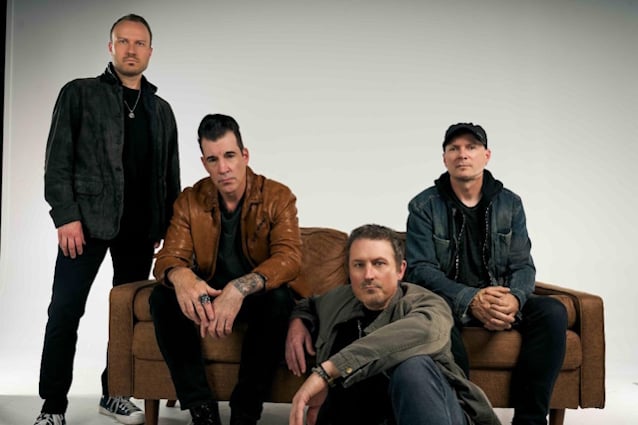
The core lineup of THEORY OF A DEADMAN remains: Tyler Connolly on vocals, guitars, and keys; Dean Back on bass; Dave Brenner on guitar; and Joe Dandeneau on drums and vocals. The band’s sustained success and their proactive approach to navigating the evolving music industry, as evidenced by their strategic shift to EPs and their embrace of independent operation, suggest a continued trajectory of creative output and artistic fulfillment for years to come. The forthcoming "Part 1: Funeral Songs" EP, under the ONErpm banner, is poised to be the latest testament to their enduring appeal and their commitment to delivering impactful, quality music to their devoted global audience. The transition to EPs, coupled with their newfound independence, signifies a strategic evolution designed to optimize artistic expression and fan engagement in the contemporary music landscape.
