

The structural landscape of the German theater and architectural lighting sector is set for a significant transition as Theater-Architekturlicht Chemnitz (TAL) prepares to conclude its liquidation process on May 1, 2026. In a strategic move designed to ensure the continuity of specialized technical services in the Saxony region, Thomann Audio Professionell has announced it will carry forward selected service areas previously managed by TAL. This transition marks the end of an era for TAL, an institution that has spent decades as a cornerstone of the cultural and architectural lighting industry in Eastern Germany. Crucially, the agreement ensures that the Chemnitz location, including its specialized service workshop and established team of experts, will remain operational, providing a seamless handover for a client base that relies on highly technical and site-specific support.
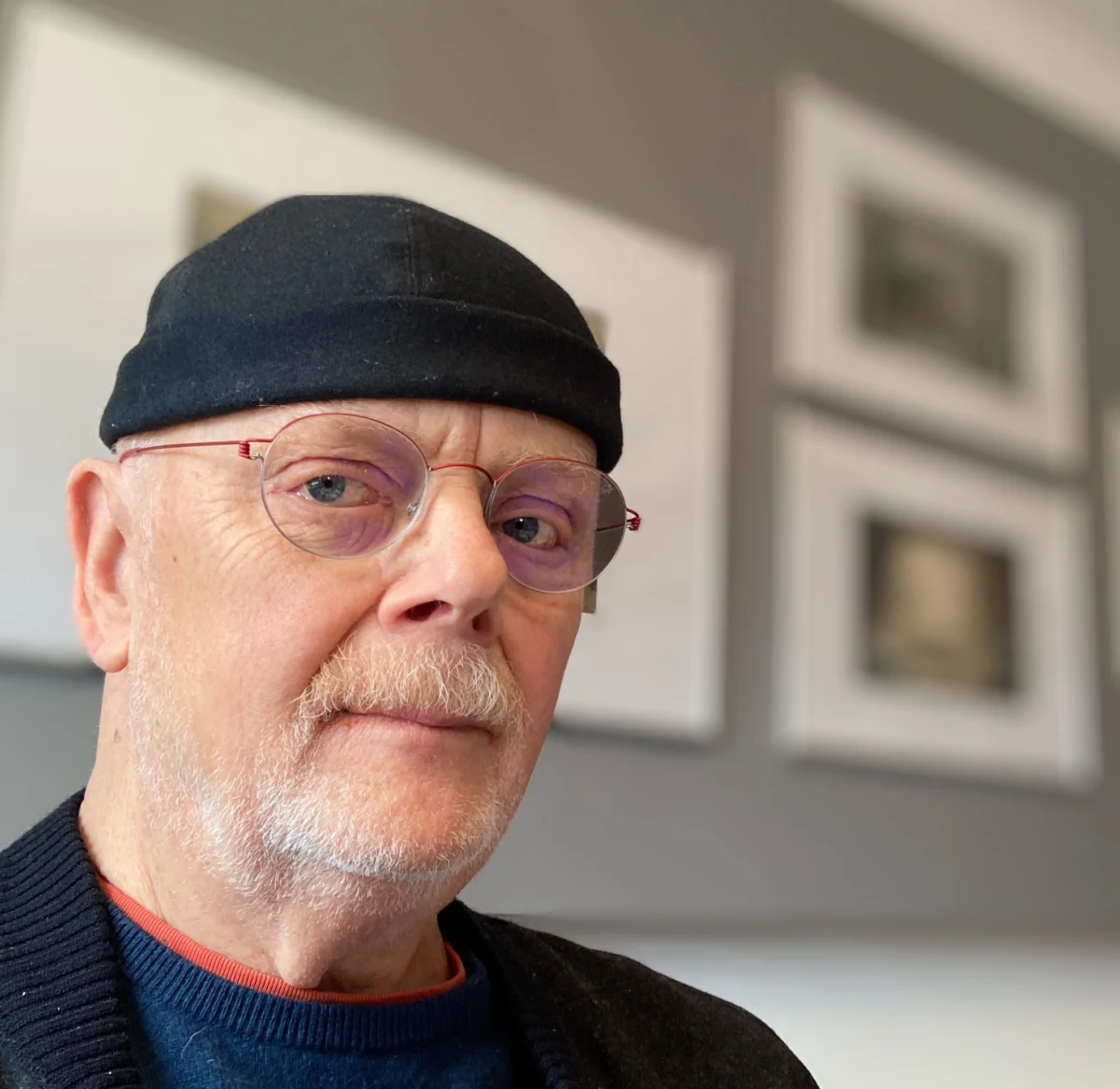
The decision to liquidate Theater-Architekturlicht Chemnitz was not driven by economic instability, but rather by the personal timeline of its founder and owner, Mathias Meyer. After a long and distinguished career in the industry, Meyer initiated the liquidation process several months ago to facilitate an orderly transition into retirement. The partnership with Thomann Audio Professionell represents a strategic solution that prioritizes the preservation of regional expertise and the maintenance of long-term service contracts. By integrating TAL’s core service functions into the Thomann Audio Professionell infrastructure, the move prevents a vacuum in the specialized AV and lighting market in Saxony, ensuring that theaters, public institutions, and commercial clients do not experience disruptions in their technical operations.
A Legacy of Technical Excellence in Saxony
Theater-Architekturlicht Chemnitz has long been recognized for its deep-rooted expertise in the intersection of traditional stagecraft and modern architectural illumination. Founded during a period of significant transition in the German cultural landscape, TAL established itself by navigating the complex requirements of historic theater venues while embracing the rapid digitalization of lighting technology. The company’s portfolio has historically spanned from the installation of complex DMX-controlled lighting systems to the specialized maintenance of architectural highlights in public spaces.
The reputation of TAL was built largely on the technical proficiency of its staff—many of whom possess niche knowledge regarding the specific electrical and mechanical infrastructures of Saxon cultural venues. This institutional memory is often irreplaceable, as it involves an understanding of custom-built systems that have been iterated upon over decades. The announcement that the entire staff will be retained under the new management of Thomann Audio Professionell is therefore seen as a vital safeguard for the region’s cultural infrastructure.

Strategic Continuity and the Role of Thomann Audio Professionell
Thomann Audio Professionell, the systems integration and professional services arm of the globally recognized Thomann group, has been expanding its footprint in the high-end installation market for years. Based in Treppendorf, the company has built a reputation for handling large-scale audio, video, and lighting projects across Europe. The move to maintain a dedicated service hub in Chemnitz aligns with Thomann’s broader strategy of decentralizing its service capabilities to provide faster response times and localized support.
Markus Stretz, a key figure at Thomann Audio Professionell who is spearheading the transition, emphasized that the arrangement is a "continuation" rather than a standard corporate acquisition. This distinction is critical in the professional AV industry, where the "human capital"—the technicians who know the specific quirks of a venue’s wiring or the programming of its light console—is the most valuable asset. Stretz’s long-standing professional relationship with Mathias Meyer provided the foundation for this agreement, built on a shared philosophy regarding technical standards and client loyalty.
Detailed Timeline of the Transition
The transition process has been structured to minimize any potential friction for existing TAL clients. The following chronology outlines the key phases of the liquidation and subsequent service integration:
- Late 2025: Mathias Meyer officially announces his intention to retire and begins the formal liquidation process for Theater-Architekturlicht Chemnitz, seeking a partner to ensure the survival of the service department.
- Early 2026: Negotiations conclude between TAL and Thomann Audio Professionell. The focus is placed on asset transfer related to service tools, the workshop lease, and the transfer of employment contracts.
- April 12, 2026: The official public announcement is made, confirming that the transition will be finalized by the start of the following month.
- May 1, 2026: Thomann Audio Professionell officially assumes responsibility for TAL’s service areas. The Chemnitz workshop begins operating under the Thomann banner, though with the same technical team and local contact points.
- Post-May 2026: Thomann plans to evaluate potential expansions for the Chemnitz site, looking to integrate broader audio and video service capabilities alongside the existing lighting expertise.
Technical Implications for the Regional Market
The professional lighting market is currently undergoing a period of intense technological evolution, primarily driven by the phase-out of traditional halogen lamps in favor of high-efficiency LED systems and the integration of networked control protocols. For theaters and architectural projects, this transition requires constant technical oversight and periodic hardware updates.
By maintaining the Chemnitz workshop, Thomann Audio Professionell ensures that regional clients have access to a facility capable of performing complex repairs and safety inspections (such as DGUV V3 testing) without the logistical burden of shipping sensitive equipment to distant service centers. The preservation of "short paths" and "regional solidarity," as noted by Stretz, is particularly important for the theater industry, where technical failures during a performance run can have significant financial and reputational consequences.

Furthermore, the integration into Thomann’s larger supply chain provides the Chemnitz team with improved access to a vast inventory of spare parts and the latest technology from global manufacturers. This synergy is expected to enhance the service quality for TAL’s legacy clients while providing Thomann with a specialized foothold in the architectural lighting niche.
Official Responses and Industry Sentiment
The industry reaction to the announcement has been largely positive, characterized by a sense of relief that a respected regional player would not simply disappear. Mathias Meyer expressed his satisfaction with the outcome, noting that his primary concern was the future of his employees and the continued support of the clients he served for decades. Meyer stated that finding a partner who understood the "TAL spirit" was essential for his transition into retirement.
Markus Stretz echoed this sentiment, framing the move as a "matter of the heart." He reiterated that the goal is not to change what made TAL successful but to provide it with the corporate stability and resources of Thomann. This approach is intended to reassure long-term clients that their service contracts and technical history will be honored.
Industry analysts suggest that this move reflects a broader trend in the AV and lighting sector: the consolidation of specialized boutique firms into larger, more resource-rich organizations. However, unlike many consolidations that result in the closure of local offices to save on overhead, Thomann’s commitment to the Chemnitz location suggests a model that values regional presence as a competitive advantage.
Broader Impact on the Saxon Cultural Landscape
The timing of this transition is particularly relevant given the ongoing cultural investments in Saxony. Chemnitz, having served as the European Capital of Culture in 2025, continues to experience a "halo effect" of increased tourism and public events. The maintenance of high-tier technical service providers in the city is crucial for the upkeep of the new and renovated cultural venues that were part of the Capital of Culture program.

The preservation of specialized jobs in Chemnitz also contributes to the local economy, preventing the "brain drain" of skilled technicians to larger hubs like Berlin or Munich. As Thomann Audio Professionell looks to the future, the Chemnitz site is positioned to become a central service node for all of Eastern Germany, potentially expanding its reach beyond lighting into integrated media technology.
In conclusion, the seamless transition of Theater-Architekturlicht Chemnitz’s service operations to Thomann Audio Professionell represents a successful model for business succession in a highly technical field. By prioritizing staff retention and regional presence, Thomann ensures that the legacy of Mathias Meyer’s firm continues to illuminate the stages and buildings of Saxony for years to come. For the customers of TAL, the message is clear: while the name on the door may change on May 1, the expertise, the location, and the commitment to quality remain steadfast.
