

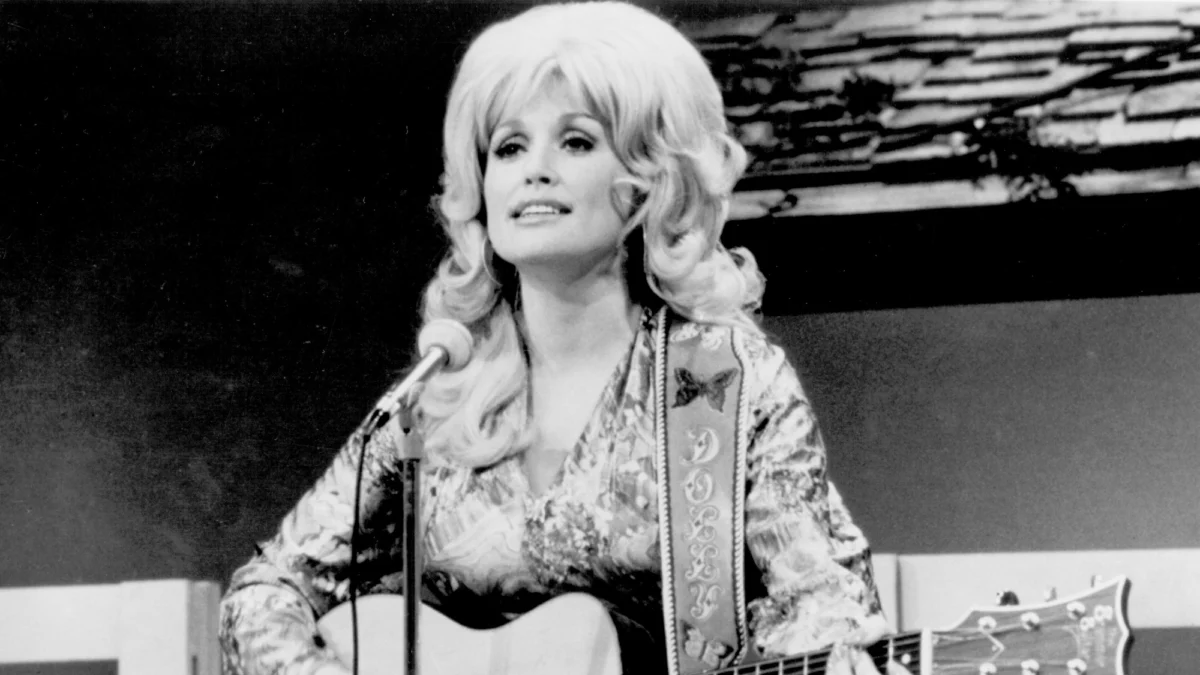
The mid-1970s represented a transformative era for American country music, a period where the genre successfully bridged the gap between rural traditionalism and mainstream pop sensibility. By 1974, the "Nashville Sound" was evolving, making room for the "Outlaw" movement on one side and a highly polished, crossover-ready production style on the other. This cultural pivot point was anchored by three specific tracks that not only dominated the airwaves in 1974 but have remained etched in the collective memory of a generation. Songs by Dolly Parton, Billy Swan, and Anne Murray serve as quintessential case studies in how the genre expanded its reach, achieving record-breaking sales and critical acclaim that redefined the commercial potential of country artists.
Dolly Parton and the Metamorphosis of a Country Icon
For Dolly Parton, 1974 was arguably the most significant year of her professional life. Having spent the better part of a decade as the "girl singer" on The Porter Wagoner Show, Parton finally asserted her independence, a move immortalized by her release of "I Will Always Love You" earlier that year. However, it was her follow-up single, "Love Is Like A Butterfly," that solidified her status as a solo powerhouse capable of sustaining a chart-topping career on her own terms.
Released as the title track of her 14th solo studio album, "Love Is Like A Butterfly" was written entirely by Parton herself. The song captures a specific whimsy and gentle optimism that would become her hallmark. The lyrics—"Love is like a butterfly / The multicolored moods of love are like its satin wings / Love makes your heart feel strange inside / It flutters like soft wings in flight"—offered a poetic, almost ethereal take on romance that resonated with a broad audience.
The track reached No. 1 on the Billboard Hot Country Singles chart in October 1974, marking her third consecutive No. 1 hit of the year. Beyond its chart performance, the song established the butterfly as Parton’s personal and professional motif, a symbol of transformation and delicate strength that she would utilize in her branding for decades to come, eventually naming her Dollywood theme park’s logo after the imagery.
Industry analysis of the era suggests that Parton’s success in 1974 was a catalyst for female songwriters in Nashville. Prior to this period, many female performers relied heavily on male-dominated songwriting pools. Parton’s ability to write, arrange, and perform her own No. 1 hits shifted the power dynamic in the recording studio, proving that a female perspective was not only viable but exceptionally profitable. Following this hit, Parton continued her streak with "The Bargain Store" in 1975, though she would not see the top of the charts again until 1977 with her massive crossover success "Here You Come Again," which signaled her move into the global pop market.
Billy Swan and the Crossover Phenomenon of I Can Help
While Dolly Parton was refining the country-pop blend, a young artist named Billy Swan was creating a global phenomenon with a song that defied easy categorization. "I Can Help," released in mid-1974, was Swan’s debut single and the title track of his first album. Recorded at the historic Monument Records studio in Nashville, the song featured a distinctive, shuffling beat and a prominent Farfisa organ, played by Swan himself, which gave the track a retro-rockabilly feel.
The song’s narrative is one of earnest, perhaps unrequited, devotion. The chorus—"I can help / I got two strong arms / I can help / It would sure do me good to do you good / Let me help"—presented a helpful, unassuming protagonist that appealed to listeners across the musical spectrum.
"I Can Help" achieved a rare feat in the music industry: it reached No. 1 on both the Billboard Hot Country Singles chart and the Billboard Hot 100. This dual-chart dominance was a clear indicator of the changing tides in American music, where the lines between "country" and "pop" were becoming increasingly blurred. The song held the top spot on the country charts for two weeks and became a gold-certified record, selling over one million copies in the United States alone.
The success of Billy Swan in 1974 highlighted a growing trend of "minimalist" production in country music. Unlike the heavily orchestrated "Countrypolitan" tracks of the late 60s, Swan’s hit was stripped down, relying on rhythm and a catchy hook. This approach paved the way for the "Urban Cowboy" movement of the late 70s and early 80s, which favored danceable rhythms and accessible lyrics over traditional honky-tonk instrumentation.
Anne Murray and the Reinterpretation of a Standard
In 1974, Canadian singer Anne Murray demonstrated the power of the "interpretive artist" with her rendition of "He Thinks I Still Care." Included on her album Love Song, the track was a gender-swapped cover of the 1962 George Jones classic "She Thinks I Still Care," written by Dickey Lee and Steve Duffy.
The song’s enduring appeal lies in its ironic narrative. The lyrics describe a protagonist who claims to be over a former lover while simultaneously exhibiting all the signs of obsession: "Just because I ask a friend about him / Just because I spoke his name somewhere / Just because I rang his number by mistake today / He thinks I still care." Murray’s delivery, characterized by her smooth alto and precise phrasing, brought a sophisticated, melancholic air to the song that differed significantly from Jones’s raw, emotive original.
In a curious turn of marketing history, "He Thinks I Still Care" was originally released as the B-side to Murray’s cover of The Beatles’ "You Won’t See Me." While "You Won’t See Me" was a Top 10 pop hit, country radio programmers gravitated toward the B-side. Their intuition was rewarded when "He Thinks I Still Care" climbed to No. 1 on the Billboard Hot Country Singles chart. This success solidified Murray’s reputation as a premier interpreter of the Great American Songbook and country standards alike.
The track’s legacy is further cemented by the sheer volume of artists who have covered it, including Elvis Presley, Connie Francis, and Patty Loveless. However, Murray’s 1974 version remains the definitive female perspective on the song, showcasing how a well-crafted country lyric can be reimagined for different eras and audiences without losing its emotional core.
The 1974 Country Music Landscape: Data and Context
The success of these three songs occurred against a backdrop of significant industry growth. In 1974, the Country Music Association (CMA) reported a record increase in the number of radio stations adopting a full-time country format, rising from approximately 600 in the late 60s to over 1,000 by the mid-70s. This expanded infrastructure allowed for the rapid dissemination of hits like those from Parton, Swan, and Murray.
Furthermore, 1974 was the year that the CMA Awards saw a major controversy that illustrated the tension within the genre. When Australian pop-country singer Olivia Newton-John won the Female Vocalist of the Year award, it sparked a protest from traditionalists who felt the genre was losing its identity to pop music. This environment of "creative friction" actually spurred innovation, as artists sought to prove their country credentials while still pursuing mainstream success.
According to Billboard’s year-end data for 1974, the genre was experiencing a surge in younger listeners. The "70s kids" mentioned in historical retrospectives were the first generation to grow up with country music that was as polished and professionally produced as the rock and pop of the era. This demographic shift ensured that songs like "Love Is Like A Butterfly" and "I Can Help" would become staples of nostalgia-based programming in the decades that followed.
Broader Impact and Lasting Implications
The enduring popularity of these three tracks from 1974 suggests several key takeaways regarding the evolution of American music. First, they represent the beginning of the "superstar" era in country music, where individual personalities like Dolly Parton became brands that transcended the music itself. Second, they demonstrate the importance of "crossover appeal"—the ability of a song to navigate multiple charts—as a primary goal for Nashville labels.
From a sociological perspective, these songs provided a sense of stability and simple emotional truth during a tumultuous year in American history. In 1974, the United States was grappling with the aftermath of the Watergate scandal and the ongoing economic strain of the oil crisis. The gentle nature of Parton’s butterfly imagery, the helpfulness of Swan’s lyrics, and the relatable heartbreak of Murray’s performance offered a form of cultural escapism that was both grounded and aspirational.
Today, these songs continue to generate significant streaming numbers and are frequently licensed for film and television, proving that the songwriting craft of 1974 remains relevant. They serve as a bridge between the foundational sounds of the 1950s and 60s and the modern, multi-billion-dollar country music industry of the 21st century. For the industry, 1974 was not just a year of hits; it was the year country music proved it could be the dominant sound of the American mainstream.
