

The transition of a musical composition from a controlled studio environment to the unpredictable stage of a live venue often serves as the ultimate litmus test for artistic resonance. While studio recordings allow for meticulous layering, pitch correction, and precise timing, they can occasionally lack the visceral energy and spontaneous innovation that define the rock genre. Historically, certain live performances have not only surpassed their studio counterparts in popularity but have fundamentally altered the public’s perception of the songs themselves. Through extended improvisations, atmospheric environmental factors, or unprecedented audience synchronization, the following three tracks—The Allman Brothers Band’s Whipping Post, Prince’s Purple Rain, and Queen’s Radio Ga Ga—underwent a transformation so profound that the live renditions are now considered the definitive versions of the works.
The Allman Brothers Band and the Expansion of Whipping Post
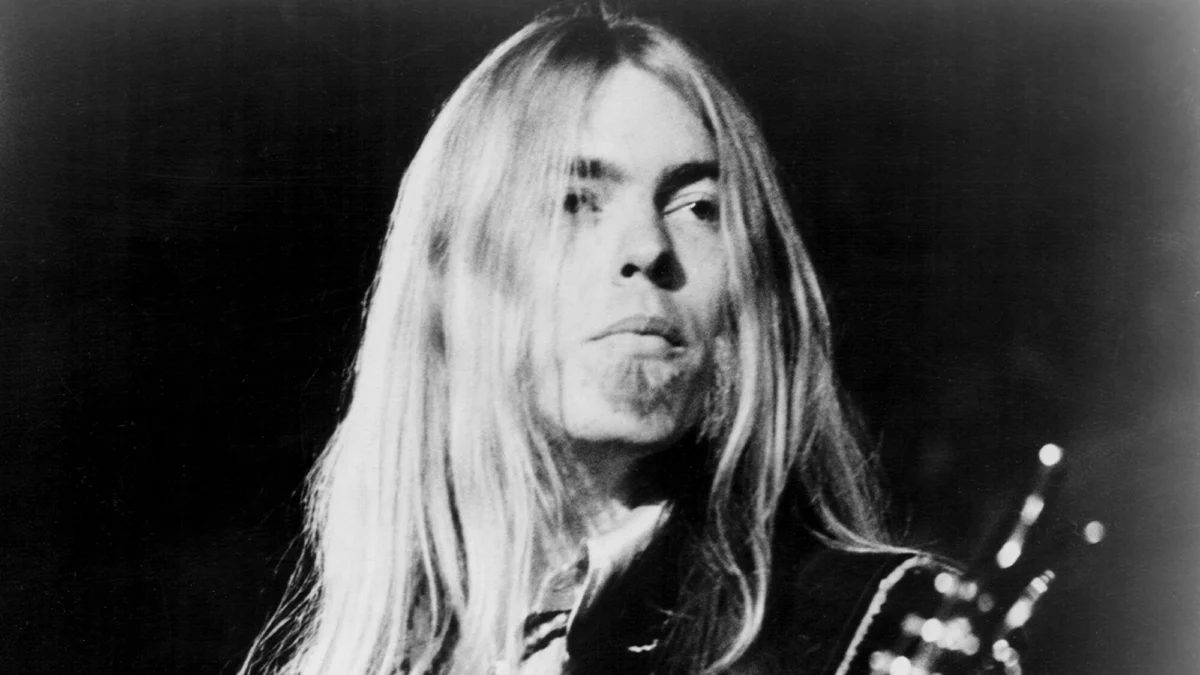
When The Allman Brothers Band entered Capricorn Studios in 1969 to record their self-titled debut album, Whipping Post was a five-minute exercise in heavy blues and Southern rock. Written by Gregg Allman in a moment of creative desperation—reportedly scribbling the lyrics on an ironing board cover—the studio version was notable for its unusual 11/4 time signature and gritty vocals. However, it was the band’s residency at New York City’s Fillmore East in March 1971 that elevated the song into the pantheon of rock history.
The Fillmore East Residency: A Chronology of Innovation
Between March 11 and March 13, 1971, The Allman Brothers Band performed several sets that were recorded by producer Tom Dowd for what would become the double live album At Fillmore East. During these sessions, Whipping Post was reimagined as a 23-minute odyssey of improvisational mastery. This version allowed the dual-lead guitar harmonies of Duane Allman and Dickey Betts to interact with the complex rhythmic foundation provided by drummers Butch Trucks and Jaimoe, alongside bassist Berry Oakley.
The live rendition followed a specific structural evolution:
- The Introduction: A high-tension bass solo in 11/4 time that established a sense of impending dread.
- The Vocal Movements: Gregg Allman’s delivery shifted from the studio’s controlled anger to a more weathered, soulful exhaustion.
- The Extended Jam: A multi-sectional improvisation that moved through various tempos and keys, showcasing the band’s "telepathic" musical communication.
- The Climax: A sustained crescendo that brought the song to a definitive, thunderous conclusion.
Impact and Statistical Significance
At Fillmore East reached No. 13 on the Billboard 200 and was eventually certified Platinum by the RIAA. Music historians frequently cite the 23-minute Whipping Post as the catalyst for the "jam band" movement, influencing groups like the Grateful Dead and Phish to prioritize live experimentation over radio-friendly durations. The Library of Congress selected the album for preservation in the National Recording Registry in 2004, noting that the live performance of Whipping Post captured a level of technical proficiency and emotional depth that the studio environment simply could not contain.
Prince and the Atmospheric Transcendence of Purple Rain
While Purple Rain was already a global phenomenon and a chart-topping hit upon its release in 1984, its performance during the halftime show of Super Bowl XLI on February 4, 2007, redefined its legacy. Performing at Dolphin Stadium in Miami Gardens, Florida, Prince faced environmental challenges that would have compromised a lesser artist. The event occurred during a massive tropical downpour, providing a literal backdrop to the song’s metaphorical title.
Technical Challenges and Professional Execution
The logistics of the Super Bowl XLI halftime show were fraught with risk. The stage, shaped like the "Love Symbol," became slick with rainwater, and the electrical equipment posed a potential hazard. When production designer Bruce Rodgers informed Prince of the inclement weather, the artist famously responded, "Can you make it rain harder?"
The performance of Purple Rain served as the set’s finale. Prince utilized a series of guitars, including his iconic custom "Purple Special," and delivered a vocal performance that remained pitch-perfect despite the wind and rain. The visual of Prince silhouetted against a giant translucent sheet, his guitar neck extending like a phallus in a display of rock bravado, became one of the most enduring images in television history.
Data and Cultural Aftermath
The broadcast reached an estimated 140 million viewers in the United States alone. In the years following the performance, critics from Billboard, Rolling Stone, and The Associated Press have consistently ranked Prince’s Super Bowl set as the greatest halftime show of all time.
The impact of this specific live rendition was two-fold:
- It re-established Prince as a premier live technician for a new generation of viewers who had not experienced his 1980s peak.
- It created a visual and auditory synergy where the weather itself seemed to be part of the choreography, making it impossible to hear the studio version without recalling the imagery of the Miami storm.
Queen and the Unified Front of Radio Ga Ga at Live Aid
Queen’s Radio Ga Ga, released in 1984 as part of the album The Works, was a successful synth-pop track that peaked at No. 2 on the UK Singles Chart. Written by drummer Roger Taylor, the song was a commentary on the shift from radio to visual media (MTV). While the studio version was polished and commercially viable, it was viewed by some critics as a departure from the band’s heavier rock roots. This perception was shattered on July 13, 1985, during the Live Aid benefit concert at Wembley Stadium.
The 20-Minute Set That Changed History
Queen’s appearance at Live Aid is often described as the single greatest live performance in the history of rock music. Facing a crowd of 72,000 at Wembley and a global television audience of 1.9 billion, Freddie Mercury led the band through a condensed set that maximized audience engagement. Radio Ga Ga was the centerpiece of this interaction.
The band utilized the song’s rhythmic chorus to initiate a synchronized double-clap sequence. This gesture, originally featured in the song’s Fritz Lang-inspired music video, was adopted by the entire stadium in a display of mass unity. The sight of 72,000 pairs of hands clapping in unison created a rhythmic power that the studio’s drum machines could not replicate.
Industry Analysis and Legacy
The Live Aid performance of Radio Ga Ga had immediate and long-term implications:
- Career Revitalization: Prior to Live Aid, Queen’s popularity in the United States had been declining. The success of the performance led to a massive surge in record sales and a renewed interest in their catalog.
- The "Mercury Effect": The performance solidified Freddie Mercury’s reputation as the ultimate frontman, capable of commanding a global audience with unparalleled charisma.
- Historical Consensus: In a 2005 poll conducted by Channel 4 in the UK, more than 60 artists, journalists, and industry executives voted Queen’s Live Aid set as the greatest live performance of all time.
The live version of Radio Ga Ga transformed the song from a nostalgic lament about the decline of radio into an anthem of collective human experience. The "silliness" sometimes attributed to the studio track vanished, replaced by the gravity of nearly two billion people witnessing a moment of absolute musical synchronization.
Broader Implications of Live Transformation
The phenomenon of a live performance eclipsing a studio recording suggests a fundamental truth about the rock genre: it is an experiential medium. The Allman Brothers Band proved that technical virtuosity and improvisation could turn a blues track into a symphonic journey. Prince demonstrated that the unpredictability of nature could be harnessed to enhance the dramatic weight of a ballad. Queen showed that the participation of the listener is a vital component of the music itself.
From a journalistic and musicological perspective, these instances highlight the importance of "the moment." In the digital age, where music is often consumed in compressed formats through headphones, these live recordings serve as a reminder of the power of physical presence. The data suggests that these performances continue to drive the majority of the streaming traffic for these specific tracks, as listeners seek out the "definitive" experience that only the stage could provide.
The enduring legacy of these three performances lies in their ability to make the listener feel as though they are part of a singular historical event. Whether it is the humid air of the Fillmore East, the torrential downpour of a Florida Super Bowl, or the scorching sun of a London afternoon, these live renditions have become the permanent versions of the songs in the collective cultural consciousness. In the evolution of rock music, the studio may be the birthplace of the song, but the stage is where it truly finds its soul.
