

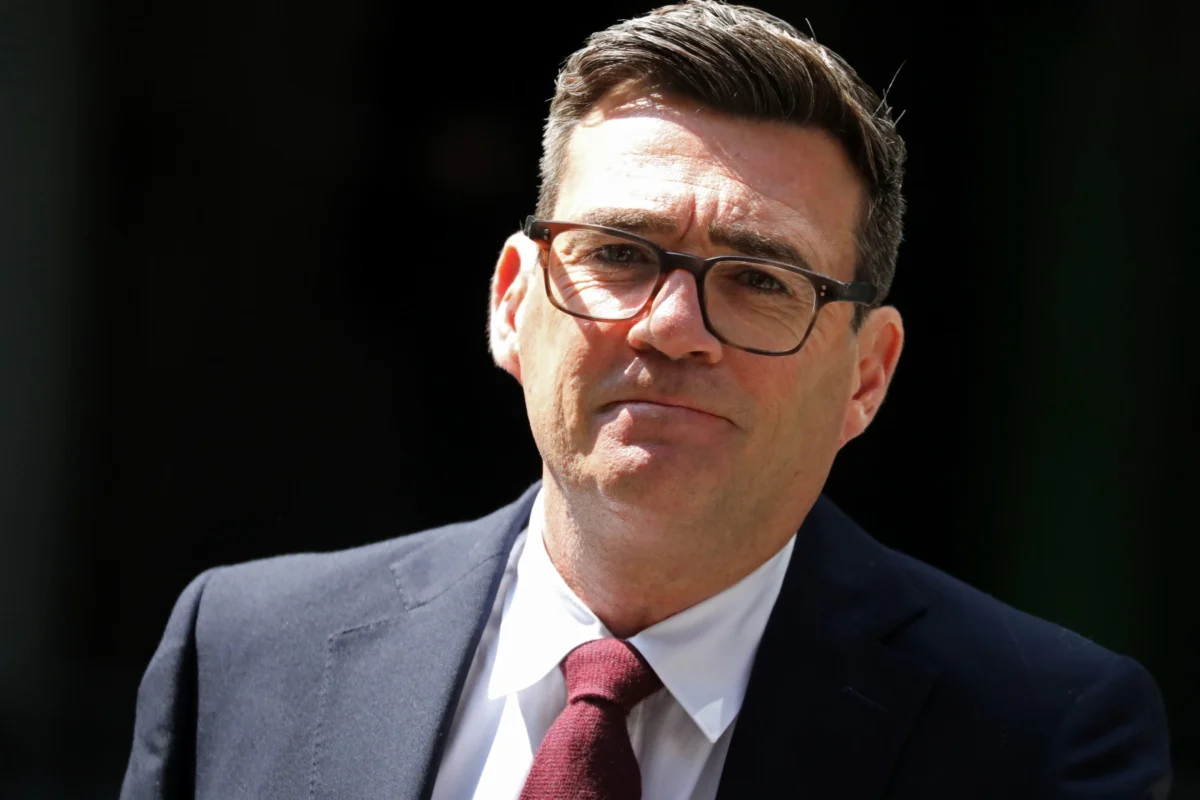
The United Kingdom’s vital grassroots music and cultural scene is poised for a significant uplift, following a landmark announcement of a 20% reduction in business rates for pubs, clubs, and music venues, slated to come into effect in April 2027. This crucial policy shift, unveiled by the newly appointed Prime Minister Andy Burnham on Thursday, July 23, aims to provide much-needed financial relief to a sector that has faced unprecedented challenges, ensuring the survival and prosperity of spaces critical to the nation’s cultural fabric and talent pipeline.
Prime Minister Burnham, who assumed office on Monday, July 20, just days prior to the announcement, used his X (formerly Twitter) account to articulate the rationale behind the policy. "I won’t stand by while these cherished local spaces disappear, replaced by boarded-up windows and ‘For Sale’ signs," Burnham wrote. "They’re the heart of our communities and it’s time we backed them." This statement underscores a clear governmental intent to safeguard the cultural infrastructure that nurtures emerging artists, fosters community engagement, and contributes significantly to local economies. The 20% cut is estimated by No. 10 Downing Street to save each qualifying venue approximately £1,000 annually. Funding for this initiative, according to official statements reported by the BBC, will be generated through a comprehensive review of existing business reliefs currently granted to enterprises deemed not to "make a positive contribution to local communities," citing "vape shops" as an example of the types of businesses that might see their reliefs reallocated.
Business rates, a tax levied on most non-domestic properties across the UK, are calculated based on a property’s estimated market rental value and its location. For many independent pubs, clubs, and music venues, these rates represent a substantial fixed cost, often proving to be an insurmountable hurdle in an already tight operating environment. The proposed reduction, while a welcome gesture, comes at a time when the sector is grappling with a confluence of economic pressures, including soaring energy costs, persistent inflation, supply chain disruptions, and a cost-of-living crisis that has dampened consumer spending on leisure activities.
A Sector on the Brink: The Plight of Grassroots Music Venues
The Prime Minister’s announcement arrives amidst a period of severe distress for the UK’s grassroots music ecosystem. A sobering report released in January by the Music Venue Trust (MVT), a charity dedicated to protecting, securing, and improving grassroots music venues, painted a stark picture of the industry’s fragility. The report revealed that a staggering 53% of all grassroots music venues in the UK were unable to turn a profit in 2025. This financial precarity led to a significant contraction in the sector’s workforce, with over 6,000 jobs lost, representing a 19% reduction in the overall employment figures within these venues. The MVT has consistently highlighted how these venues, often independently owned and operated, function as crucial incubators for musical talent, providing platforms for emerging artists to develop their craft and connect with audiences before potentially moving on to larger stages. The loss of these spaces not only stifles artistic development but also diminishes the cultural vibrancy of towns and cities across the nation.
Beyond the immediate financial pressures, grassroots venues have also contended with issues such as urban redevelopment, noise complaints, and the absence of adequate planning protections. The "Agent of Change" principle, introduced in England in 2018, aimed to place the responsibility for mitigating noise issues on developers building new residential properties near existing venues, rather than on the venues themselves. While a positive step, its implementation has not always been universally effective, and many venues continue to face existential threats from encroaching residential developments.

Chronology of Advocacy and Political Momentum
The path to this policy announcement has been paved by years of dedicated advocacy from industry bodies and a growing chorus of support from prominent artists. In recent years, high-profile musicians including Harry Styles, Coldplay, and Sam Fender have publicly championed the grassroots scene, going as far as voluntarily pledging a portion of their ticket proceeds – typically £1 for every ticket sold – to support these struggling venues. This visible support from established artists has helped to raise public awareness and generate political momentum for governmental intervention.
The Labour government, even before Burnham’s premiership, had indicated a willingness to explore more systemic solutions, with discussions around a mandatory ticket levy on larger arena and stadium shows. Such a levy, if implemented, would see a small charge added to tickets for major concerts, with the proceeds ring-fenced to support the grassroots sector, creating a sustainable funding stream from the top tier of the industry down to its foundational elements.
Prime Minister Burnham’s swift action on this issue is consistent with his long-standing commitment to culture and the arts. As the former Mayor of Greater Manchester, he played a pivotal role in elevating the region’s cultural profile, notably securing the hosting rights for the 2026 BRIT Awards in the city – a historic first for the ceremony outside of London. His background suggests a deep understanding of the economic and social value of the creative industries, making this early policy intervention a strategic move to address a critical need while also signaling his administration’s priorities.
Industry Reactions: A Mixed Bag of Welcome and Calls for More
The announcement has elicited a range of reactions from industry stakeholders, largely welcoming the move while simultaneously urging the government to go further.
Mark Davyd, CEO of the Music Venue Trust, warmly greeted the news, emphasizing its significance as a crucial first step. "MVT warmly welcomes this announcement from the government, and its recognition that grassroots music venues are essential to our local communities," Davyd stated. "The 20% additional reduction on business rates from April 2027 is an encouraging first step in a range of opportunities available to Andy Burnham’s new team to not just protect and secure live music, but begin to restore its central role at the heart of our towns and cities." However, Davyd also highlighted practical challenges and the need for broader application. "There remain some issues of implementation of previous reliefs, and we will work with colleagues in government to ensure that all grassroots music venues in England are recognised and eligible." He also issued a call to action for the devolved administrations: "We call on Senedd, Holyrood, and the Northern Ireland Assembly to swiftly confirm they will match this much needed support through Barnett formula consequentials. Venues in Wales, Scotland and Northern Ireland must be confident of a level playing field of economic conditions for touring across the UK. Live music is an ecosystem, and we strongly urge the government to reconsider the limit to the eligibility criteria so that all live music spaces of all sizes qualify, supporting jobs, local economies and communities to access live music."

Tom Kiehl, CEO of UK Music, the collective voice of the UK music industry, echoed Davyd’s sentiments, applauding the government’s recognition of the sector’s plight but advocating for an expanded scope of support. "The Government must extend this lifeline to our world-class recording studios," Kiehl urged. "We have lost – and continue to lose – far too many of these spaces, without which our industry simply wouldn’t exist. As a lifelong music fan, the Prime Minister knows full well how essential these spaces are, not only for the future prosperity of our industry, but for communities the length and breadth of the country. We urge him to include studios in this policy and offer them the protection they so urgently need and deserve." Kiehl’s argument underscores the interconnectedness of the music ecosystem, where studios are as vital to creation as venues are to performance.
Beyond the music industry, the broader hospitality sector also weighed in. Speaking on BBC 5 Live, celebrity chef, publican, and campaigner Tom Kerridge acknowledged the positive intent but tempered expectations regarding the policy’s immediate impact. "It doesn’t go far enough but it does show that there is an understanding that hospitality needs a hand, especially smaller venues. It will come as welcome news," Kerridge commented. However, he quickly added a note of caution: "But £1,000 on a yearly revenue doesn’t really make a difference. It shows the government is beginning to listen and has an understanding that hospitality is at the core and heart of so many communities." Kerridge’s perspective highlights the scale of the financial challenges faced by many small businesses, suggesting that while the gesture is appreciated, more substantial measures may be required to truly stabilize and revitalize the sector.
Broader Impact and Future Implications
The Prime Minister’s announcement, while not a panacea, carries significant symbolic and practical weight. It signals a governmental recognition of the intrinsic value of cultural spaces and a commitment to their preservation. For many struggling grassroots venues, even a modest reduction in fixed costs can mean the difference between survival and closure, providing a crucial breathing room to navigate ongoing economic uncertainties.
The policy also has broader implications for local economies. Grassroots venues are often catalysts for urban regeneration, drawing in visitors, supporting local businesses through increased footfall, and creating employment opportunities. By bolstering these venues, the government is indirectly investing in the economic health and cultural richness of towns and cities across the UK. Furthermore, by reviewing business reliefs for enterprises like "vape shops," the government is indicating a shift in priorities, aiming to reallocate public resources towards businesses that are seen to contribute more directly and positively to community well-being and cultural infrastructure. This re-evaluation of business support could set a precedent for future targeted interventions.
Looking ahead, the successful implementation of this policy will depend on clear eligibility criteria and effective communication to ensure all deserving venues can benefit. The calls from industry leaders like Davyd and Kiehl for expanded eligibility and the inclusion of recording studios highlight the ongoing need for a holistic approach to supporting the entire music ecosystem. The challenge will be to ensure that this initial "first step" is followed by further measures that genuinely address the systemic issues plaguing the sector, transforming a gesture of support into a sustained strategy for cultural growth and economic resilience. The future of the UK’s vibrant music scene, from its smallest stages to its global stars, hinges on the continued commitment to nurturing its foundational elements.
