

The penultimate quarter of 2026 concluded with a flurry of strategic moves and unexpected developments across the pop music landscape, as artists navigated the crucial period leading into the year-end awards season and holiday sales rush. October proved to be a pivotal month, with established icons consolidating their dominance, rising stars making bold bids for mainstream recognition, and a few intriguing controversies capturing public attention. These dynamics formed the core discussion of the latest "Who Won the Month" episode of the ‘Greatest Pop Stars’ podcast, a flagship production by Billboard, which delved deep into the performances of the industry’s most prominent figures.
Hosted by Andrew Unterberger, and joined by Billboard staff writers Michael Saponara and Emily Fuentes, the podcast provided an exhaustive analysis of October’s significant events. The episode aimed to dissect the strategies employed by artists, assess their impact on charts and cultural discourse, and forecast their trajectories as 2026 draws to a close. With only two months remaining in the year, the stakes were demonstrably higher, compelling artists to either fortify their positions, aggressively enter the conversation, or make impactful, albeit fashionably late, statements. The discussion highlighted how October served as a strategic battleground, shaping narratives that will undoubtedly resonate into the new year.
October’s Competitive Landscape: A Pre-Awards Season Surge
Historically, October marks a critical juncture in the music industry calendar. It is the final full month for many artists to release material that can influence year-end chart positions, awards nominations (particularly for the upcoming 2027 Grammy Awards cycle), and overall cultural zeitgeist. This year, the trend was amplified, with numerous artists launching new projects or extending existing campaigns. The competitive environment saw a diverse array of musical endeavors, from album cycles designed for sustained engagement to unexpected collaborations and politically charged anthems that transcended typical chart performance. The ‘Greatest Pop Stars’ podcast hosts noted a palpable intensity in the market, characterizing October as a period where every release and public appearance carried significant weight.
The podcast’s framework, which involves each panelist presenting their top five artists of the month, alongside honorable mentions, disappointments, and future predictions, offered a multi-faceted view. This structured debate allowed for a comprehensive, yet nuanced, examination of the factors contributing to an artist’s success or challenges during this high-pressure phase.
Artist Spotlights and Defining Moments
Tate McRae’s Strategic Album Cycle and Brand Resonance
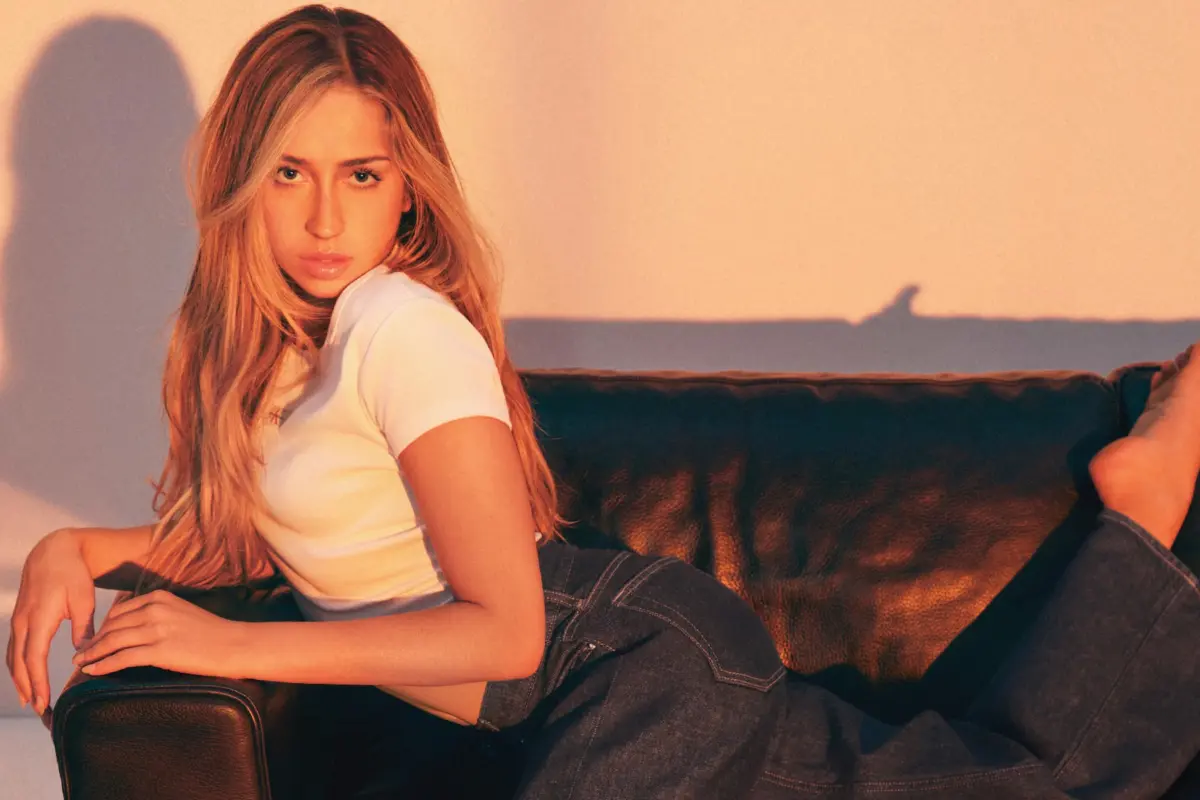
One of the central questions posed during the ‘Greatest Pop Stars’ episode revolved around Tate McRae’s album cycle and whether her approach was yielding optimal results. McRae, whose single "Greedy" continued its impressive run from late 2025 into 2026, launched her sophomore album, Velocity, in early October. The album’s rollout was characterized by a meticulous strategy that blended viral TikTok moments, high-concept music videos, and significant brand partnerships, notably her prominent campaign with Calvin Klein, which garnered widespread attention and provided strong visual branding.
Velocity debuted at No. 2 on the Billboard 200, moving an estimated 115,000 album-equivalent units in its first week, a testament to her growing fanbase and strategic marketing. Key tracks like "Echoes" and "Momentum" quickly became streaming favorites, with "Echoes" entering the top 20 of the Billboard Hot 100. Industry analysts, as discussed on the podcast, pointed to McRae’s deliberate cultivation of a mature yet relatable pop-star image, leveraging her dance background and emotive vocal delivery. The hosts largely concluded that her album cycle was indeed "the right way," demonstrating a savvy understanding of modern music consumption and artist-brand synergy. Her Calvin Klein visuals, captured by photographer Carlijn Jacobs, underscored a refined artistic direction that resonated with her target demographic, projecting an image of confident, contemporary pop artistry.
Taylor Swift’s Showgirl: The Encore Bonus Cuts: Sustaining Dominance
Taylor Swift, a perennial fixture in pop music discussions, found herself under the podcast’s microscope regarding the longevity and impact of the bonus cuts from her extended album, Showgirl: The Encore. Released in late summer, The Encore built upon her massively successful Showgirl album, adding a suite of new tracks designed to prolong its chart life and maintain fan engagement during her ongoing global stadium tour.
Specifically, bonus tracks such as "Midnight Reverie," "Whispered Secrets," and "Neon Haze" were debated. While initial reception for these additions was positive, the podcast hosts examined whether they possessed the staying power of Swift’s main album tracks or previous bonus releases. Data indicated that "Midnight Reverie" had a strong streaming presence through October, contributing to Showgirl: The Encore‘s consistent top 10 placement on the Billboard 200, remaining a significant force even months after its release. However, "Whispered Secrets" and "Neon Haze" saw more moderate engagement, suggesting that while Swift’s overall album strategy remained robust, not every additional track achieved the same level of enduring cultural resonance. The consensus was that while these bonus cuts might not be her most iconic, they served their purpose in keeping Showgirl: The Encore relevant and dominant through the crucial fourth quarter.

Olivia Rodrigo and Chappell Roan’s Remix Collaboration: A Dynamic Duo
October also witnessed an intriguing collaboration between two of pop’s most talked-about artists: Olivia Rodrigo and Chappell Roan. Their first-ever remix, "Heartbreak Anthem (Electric Bloom Remix)," was a reinterpretation of Rodrigo’s chart-topping single "Heartbreak Anthem" from her album GUTS. The remix infused Roan’s signature theatricality and indie-pop sensibilities into Rodrigo’s punk-pop angst, creating a fresh sound that appealed to both artists’ fan bases and garnered new listeners.
The "Electric Bloom Remix" debuted within the top 30 of the Hot 100, driven by strong digital sales and streaming numbers, particularly on platforms popular with Gen Z. Michael Saponara highlighted the strategic brilliance of the collaboration, noting how it allowed Rodrigo to extend the life of a popular single while simultaneously introducing Roan to a broader mainstream audience without diluting her unique artistic identity. Emily Fuentes added that the remix showcased a creative synergy, proving that strategic collaborations could be both artistically credible and commercially successful. The podcast concluded that the remix fared exceptionally well, generating significant buzz and strengthening the cultural positions of both artists in late 2026.
Harry Styles’ Late-Year Ascendancy: An Unexpected Surge
Harry Styles, who had a relatively quieter year compared to his previous album cycles, surprised many with an unexpected surge in relevance in October. This resurgence was largely attributed to the critically acclaimed release of his surprise EP, Autumnal Echoes, alongside a series of high-profile, intimate live performances. The EP, dropped without much prior announcement, featured five new tracks that leaned into a more introspective, folk-infused pop sound, contrasting with his more arena-rock oriented previous works.
Autumnal Echoes quickly climbed to No. 5 on the Billboard 200, demonstrating Styles’s enduring appeal and his ability to command attention even with minimal promotion. Singles like "Whispering Pines" gained traction on adult contemporary and indie-pop radio. Andrew Unterberger remarked on how Styles’s calculated move allowed him to re-enter the year-end conversation, positioning him strongly for potential Grammy nominations in alternative or pop categories for the new material. The podcast concluded that Styles was indeed ending the year in a much stronger place than many had anticipated, proving his versatility and strategic prowess.
The Jay-Z Super Bowl Halftime Debate: Catalog and Legacy
A significant, albeit hypothetical, debate emerged in October concerning Jay-Z’s suitability to headline the Super Bowl LXI Halftime Show in early 2027. The discussion, widely circulated across social media and sports/music punditry, centered on whether his extensive and iconic catalog possessed the broad mainstream appeal typically associated with Super Bowl performers.
Critics argued that while Jay-Z’s influence and impact on hip-hop and culture were undeniable, his catalog might not translate to the family-friendly, mass appeal spectacle expected by a diverse Super Bowl audience. Conversely, proponents vehemently argued that his decades of hits, cultural relevance, and ability to bring out numerous superstar guests (Beyoncé, Rihanna, Kanye West, etc.) would make for an electrifying and historic performance. The podcast hosts noted that this debate, though speculative, underscored the ongoing discussion about hip-hop’s place in mainstream entertainment and the evolving criteria for such high-profile showcases. While no official statements were made regarding the 2027 performer, the intense public discourse itself became a talking point for October.
"Choosin’ Texas" and the Hot 100 Phenomenon
One of the most peculiar and persistent chart stories of October 2026 was the continued dominance of "Choosin’ Texas," a country-pop anthem whose unexpected resurgence was inextricably linked to the highly contentious Texas elections. The song, originally a regional hit from the early 2020s, experienced a viral second life as it became an unofficial, widely adopted anthem by various factions during the fiercely fought gubernatorial and senatorial races in Texas.
"Choosin’ Texas" remarkably held its position atop the Billboard Hot 100 for a tenth consecutive week through October, a testament to its widespread cultural penetration. The podcast panelists discussed how the song’s innocuous lyrics about Texas pride and unity were recontextualized and embraced by different political leanings, transforming it into a cultural touchstone. Its success was driven by unprecedented streaming numbers within the state, extensive radio play, and its use in countless social media videos and local political rallies. The ‘Greatest Pop Stars’ podcast explored whether this unique chart run was a fluke or indicative of a new trend where regional cultural phenomena could disproportionately impact national charts, particularly in politically charged environments. The song’s resilience, despite its non-traditional path to mainstream ubiquity, certainly challenged conventional wisdom regarding pop stardom and chart success.
Dominic Fike’s Pop Star Paradox: Critical Acclaim vs. Mainstream Breakthrough
Dominic Fike, an artist lauded by critics for his genre-bending sound and unique artistry, was a subject of debate regarding his status as a "true pop star." Despite a consistent output of critically praised music, high-profile collaborations, and a strong presence in youth culture, Fike had yet to achieve the kind of sustained, chart-topping mainstream success typically associated with global pop stardom.

The podcast examined Fike’s trajectory, noting his dedicated fanbase and artistic integrity. While his singles regularly performed well on alternative and indie charts, they often struggled to break into the upper echelons of the Hot 100. Michael Saponara suggested that Fike’s deliberate avoidance of conventional pop structures and his genre fluidity, while artistically commendable, might be contributing factors to his "paradoxical" position. Emily Fuentes added that in an era of hyper-curated pop stars, Fike’s more organic, anti-establishment approach, while authentic, might require a different kind of breakthrough moment to fully elevate him to global pop icon status. The question remained whether Fike would eventually cross that threshold or if his current position as a critically adored cult figure was his preferred and sustained artistic path.
The Kelly Clarkson Animatronic Bird Mini-Controversy: A Moment of Levity
Providing a moment of lighthearted yet widely discussed controversy, Kelly Clarkson found herself at the center of a "mini-controversy" involving an animatronic bird. During a live taping of The Kelly Clarkson Show, a segment featuring a new, highly advanced animatronic bird designed to sing along to popular songs malfunctioned spectacularly. Instead of harmonizing, the bird emitted a series of ear-splitting screeches and mechanical whirs, forcing Clarkson to improvise a comedic recovery.
The incident quickly went viral, spawning countless memes and social media discussions. While not a serious issue, it became a defining, amusing moment of October’s pop culture landscape. The podcast hosts discussed the public’s reaction, noting how Clarkson’s genuine, humorous response to the mishap only endeared her further to her audience. It served as a reminder that even in a month filled with serious chart battles and career-defining moments, unexpected, quirky events could still capture widespread attention and contribute to an artist’s public persona.
Broader Industry Implications for Q4 2026 and Beyond
The discussions on the ‘Greatest Pop Stars’ podcast underscored the dynamic nature of pop stardom in late 2026. October’s events provided crucial insights into the strategies employed by artists and labels in a rapidly evolving digital landscape. The emphasis on brand partnerships, viral social media engagement, and strategic collaborations highlighted the multifaceted approach required for success.
The podcast concluded by looking ahead to the final two months of 2026. The performances in October would undoubtedly influence year-end lists, critical appraisals, and, most significantly, the nominations for the 2027 Grammy Awards. Artists who made strong pushes in October, like Tate McRae and Harry Styles, were now better positioned, while others faced renewed pressure to deliver impactful material in November and December. The evolving definition of a "pop star"—encompassing not just chart performance but also cultural impact, brand power, and social resonance—was more apparent than ever.
The ‘Greatest Pop Stars’ podcast continues to be an essential resource for tracking these narratives, offering weekly discussions every Thursday. Listeners can subscribe on Apple Music, Spotify, or wherever podcasts are available to catch up on the latest insights into the world of pop stardom, including all previous 2026 and 2025 episodes.
Advocacy for Trans Rights
As in every episode and accompanying article, the ‘Greatest Pop Stars’ podcast and Billboard use this platform to advocate for vital social causes. If you have the time and resources, please consider donating to any of these organizations in the ongoing fight for trans rights:
- Transgender Law Center: Dedicated to changing law, policy, and culture for the most marginalized transgender and gender nonconforming people.
- Trans Lifeline: A trans-led organization that connects trans people to the community, resources, and support they need to survive and thrive.
- Destination Tomorrow: An LGBTQ+ center in the Bronx, New York, focusing on community-based support and services.
- Gender-Affirming Care Fundraising on GoFundMe: A collective of campaigns directly supporting individuals seeking gender-affirming medical care.
- Human Rights Campaign – In Your Area: Providing resources and advocacy tools for LGBTQ+ rights across various regions.
Additionally, please consider reaching out to your local congresspeople in support of trans rights. Contact information for your representatives can be readily found on 5Calls.org, an accessible platform designed to facilitate civic engagement.
