

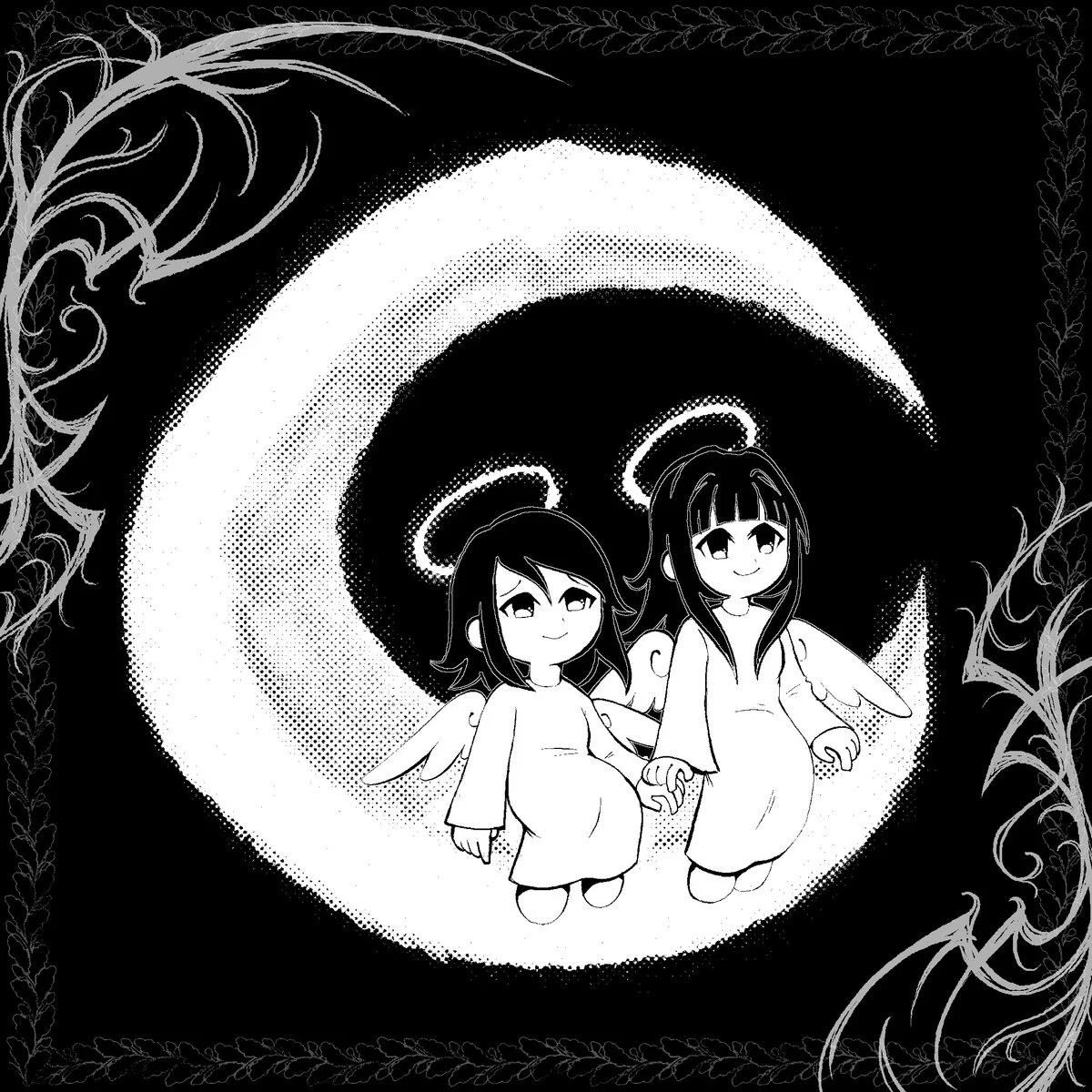
A New Chapter: From Glass Beach to You Are An Angel
J McClendon’s journey in the music industry has been marked by innovation and a distinctive artistic voice. Before embarking on her solo path as You Are An Angel, McClendon was widely recognized as the principal creative force and frontperson behind Glass Beach, an "excellent, hyper-online emo band" that carved out a significant niche in the late 2010s and early 2020s. Glass Beach gained widespread critical acclaim for their genre-bending sound, which seamlessly fused elements of emo, chiptune, synth-pop, and indie rock. Their 2019 debut album, the first glass beach album, was particularly lauded for its ambitious scope, intricate lyrical narratives, and a unique sonic tapestry that resonated deeply with a generation of listeners connected through digital communities. The band’s ability to weave personal introspection with grand, often maximalist musical arrangements established them as pioneers within the burgeoning "hyper-online" music movement, characterized by its embrace of internet aesthetics, DIY ethos, and direct engagement with a globally dispersed fanbase.
The transition from a highly collaborative band setting to a solo project under a new moniker often signals a profound artistic shift, and McClendon’s pivot to You Are An Angel is no exception. While the precise details surrounding the conclusion of Glass Beach’s active phase are not extensively publicized, McClendon’s emergence as You Are An Angel earlier this year confirmed a new chapter. This move allowed for a more singular vision and a potentially broader canvas for genre exploration, untethered from established band dynamics or audience expectations built around a collective sound. The launch of You Are An Angel and the subsequent release of It’s Fine To Dream were met with considerable anticipation, as fans and critics alike eagerly awaited to see how McClendon’s signature songwriting and production prowess would manifest in this new, uninhibited context. The debut album was quickly embraced as a testament to McClendon’s enduring talent, showcasing a refined yet still emotionally resonant approach to emo-pop, retaining the lyrical depth but perhaps exploring different sonic textures.
The Release of "Candyglass" and "Baroque": Unearthing Hidden Gems
The recent release of "Candyglass" and "Baroque" provides a fascinating glimpse into the creative decisions made during the intensive recording sessions for It’s Fine To Dream. According to McClendon’s own statement, these two tracks were initially strong contenders for inclusion on the album but were ultimately cut relatively late in the production process. The primary reason cited for their omission was a tonal clash with the overall thematic and sonic coherence of It’s Fine To Dream. This decision, while perhaps difficult at the time, highlights an artist’s commitment to maintaining a cohesive artistic statement within an album format, even when it means shelving beloved material.
McClendon expressed her enthusiasm for finally releasing these songs, noting that they have been given "shiny brand new mixes." This detail is significant, suggesting that the tracks were not simply pulled from an archive but were revisited and refined to meet current artistic standards and potentially integrate new production techniques or perspectives gained since the It’s Fine To Dream sessions. The act of remixing implies a deliberate effort to present them in their best possible form, ensuring they stand strong as independent releases.
Musically, "Candyglass" and "Baroque" are described as leaning into "straightforward emo-pop goodness." This characterization suggests a directness and accessibility that might differentiate them from some of Glass Beach’s more intricate compositions or even the broader, perhaps more experimental, moments on It’s Fine To Dream. However, the description also notes that "the ending of ‘Candyglass’ gets pretty grand," hinting that McClendon’s penchant for expansive, emotionally charged crescendos remains a potent element of her songwriting. This blend of immediate appeal with moments of profound sonic depth is a hallmark of McClendon’s work and speaks to her ability to craft engaging narratives both lyrically and instrumentally. The lyric, "You’re not listening," from "Baroque," serves as an evocative invitation to listeners, challenging them to fully engage with the nuances and emotional weight embedded within these newly unveiled tracks.
A Strategic Evolution: Singles, EPs, and Genre Experimentation
Beyond the immediate excitement of new music, McClendon’s accompanying statement regarding the future of You Are An Angel offers a compelling vision for her artistic output. She indicated that "there is so much more YAAA music on the way," but that it is likely to manifest as "more singles / small EPs like this before another big album release." This strategic shift from primarily album-focused releases to a more continuous stream of individual tracks and shorter collections aligns with current trends in the music industry and offers several advantages for an artist like McClendon.
In an era dominated by streaming platforms, the single has re-emerged as a powerful unit of artistic expression and commercial engagement. Releasing singles and EPs allows artists to maintain a consistent presence, keep their audience engaged between larger projects, and respond more agilely to creative impulses. For McClendon, this approach is clearly rooted in a desire for creative freedom and meticulous craftsmanship. She articulated that "it’s been very nice for me to just focus on making individual songs as good as they can be rather than trying to apply that level of polish across 45 minutes – 1 hour of music." This emphasis on perfecting individual tracks suggests a commitment to quality over quantity within a single release, allowing each song to stand on its own merit without the pressure of contributing to a larger album narrative.
Furthermore, McClendon revealed her intention to pursue "many genre experiments that don’t exactly work together on the same album but stand strong as singles." This statement is particularly exciting for fans who appreciate her eclectic tastes and willingness to push boundaries. Glass Beach was celebrated for its genre fusion, and the You Are An Angel project appears poised to continue this spirit of exploration, but with the added flexibility of not having to force disparate styles into a cohesive album format. This could lead to a diverse range of releases, from the emo-pop sound heard on "Candyglass" and "Baroque" to entirely new sonic territories. The promise that "some of my favorite songs i’ve ever written are on the way" serves as a powerful testament to her current creative peak and builds considerable anticipation for what’s to come.
Broader Implications and Industry Context
McClendon’s evolving release strategy and artistic direction within You Are An Angel reflect broader shifts within the independent music landscape. The decline of physical album sales and the rise of digital streaming have empowered artists to adopt more flexible and artist-centric release models. This approach not only caters to contemporary consumption habits, where playlists and individual tracks often take precedence over full album listens, but also allows artists greater creative autonomy. By focusing on singles and EPs, McClendon can control the narrative around her music more directly, experiment without the commercial pressure of a full-length release, and potentially reach wider audiences through algorithmic discovery on streaming platforms.
The "hyper-online" nature of McClendon’s original fanbase with Glass Beach also plays a crucial role here. This demographic is often highly engaged on social media, receptive to frequent content drops, and eager to follow an artist’s creative journey in real-time. A continuous stream of singles and EPs can foster deeper community engagement, allowing for ongoing dialogue and excitement around each new release, rather than sporadic, high-stakes album cycles. This model also allows for a more iterative creative process, where McClendon can test new sounds and ideas with her audience and refine her direction based on feedback and personal artistic growth.
Industry observers and fans alike are likely to view McClendon’s approach as a pragmatic yet artistically fulfilling path forward. Her ability to consistently produce high-quality, emotionally resonant music, coupled with a strategic understanding of modern music distribution, positions You Are An Angel as a project with significant long-term potential. The anticipation generated by her prolific output and explicit promise of her "favorite songs ever written" suggests that J McClendon, through You Are An Angel, is not merely continuing her musical career but actively redefining it, setting a precedent for artistic independence and continuous creative evolution in the digital age. The release of "Candyglass" and "Baroque" is more than just new music; it is a clear indicator of a vibrant, experimental, and incredibly promising future for J McClendon’s singular artistic vision.
