

The Cultural Landscape of Post-9/11 Southern Rock
The 2000s were defined by a "New Patriotism" that permeated mainstream media, and Southern rock was uniquely positioned to amplify this voice. While the genre had its roots in the counterculture and blues-rock of the 1970s, it had always maintained a strong connection to the American South’s traditionalist values. In the wake of the 2001 attacks, the distinction between "Southern pride" and "American pride" began to blur for many artists. This era saw Southern rock legends returning to the charts not just as legacy acts, but as contemporary commentators on the state of the union.
The music of this decade was heavily influenced by the geopolitical climate, including the commencement of the War in Afghanistan in 2001 and the invasion of Iraq in 2003. These events created a market for music that validated the "everyman" experience—songs that spoke to the soldiers on the front lines and the working-class families supporting them at home. The three anthems discussed below represent the pinnacle of this movement, blending the gritty instrumentation of rock with the narrative straightforwardness of country music.
Red White & Blue: Lynyrd Skynyrd’s Tribute to the American Everyman
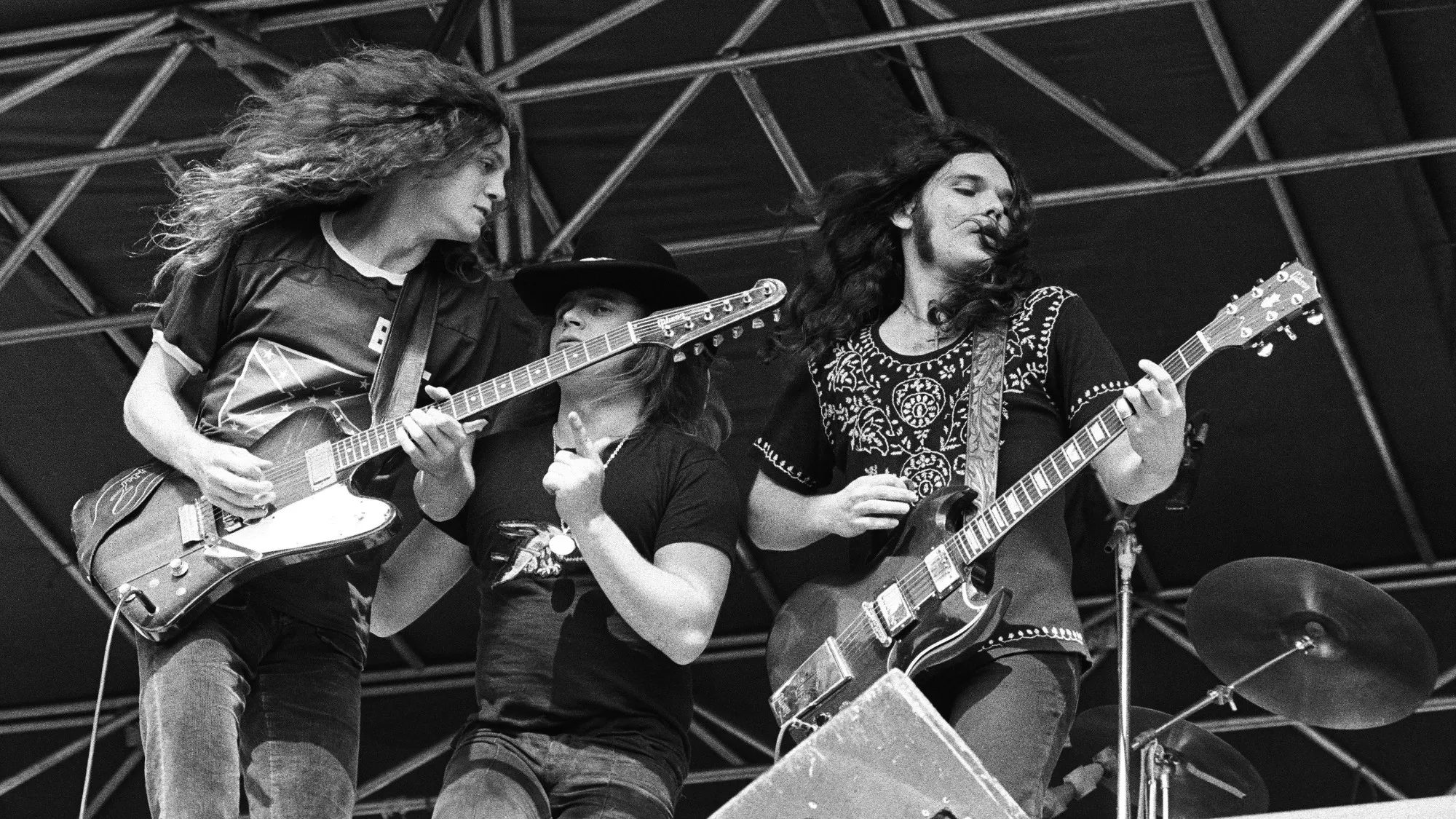
Released in 2003 as part of the album Vicious Cycle, "Red White & Blue" marked a significant moment in Lynyrd Skynyrd’s post-reunion history. While the band had always utilized the Confederate battle flag as a stage prop in earlier decades—a practice they would later move away from—this track signaled a pivot toward the Stars and Stripes and a broader American identity. Written by Johnny Van Zant, Donnie Van Zant, Robert White Johnson, and Brad Warren, the song was a direct response to the national mood during the early years of the Iraq War.
The lyrics of "Red White & Blue" serve as a sociological profile of the band’s core audience. With lines such as, "My hair’s turnin’ white / My neck’s always been red / My collar’s still blue / We’ve always been here," the song reclaims terms like "redneck" and "blue-collar," framing them as symbols of steadfastness and reliability rather than derision. Unlike the more aggressive war-themed songs of the era, "Red White & Blue" focused on the domestic identity of the American worker.
The track resonated strongly with the public, peaking at No. 27 on the Billboard Mainstream Rock Tracks chart. Vicious Cycle, the album on which it appeared, reached No. 24 on the Billboard 200, proving that the band’s message still held significant commercial weight decades after their 1970s heyday. The song’s success was bolstered by the band’s frequent performances for U.S. troops, cementing their status as modern patriotic icons.
This Ain’t No Rag, It’s A Flag: Charlie Daniels and the Rhetoric of Defiance
If Lynyrd Skynyrd’s contribution was a celebration of identity, Charlie Daniels’ "This Ain’t No Rag, It’s A Flag" was a manifesto of righteous indignation. Released in late 2001, just weeks after the collapse of the Twin Towers, the song captured the raw, immediate anger felt by many Americans. Daniels, a veteran of the Southern rock scene known for "The Devil Went Down to Georgia," had long been a vocal proponent of conservative American values, and this track became his most controversial and popular work of the new millennium.
The song’s lyrics were unvarnished: "Are you listening to what I said / You’re a coward and a fool / And you broke all of the rules / And you wounded our American pride." The "rag" mentioned in the title was a direct jab at the Taliban and Al-Qaeda leadership, asserting that the American flag was a symbol of power that would not be easily discarded or disrespected.
The song’s journey through the media was fraught with tension. Despite its popularity among fans, Daniels was famously asked by the Country Music Association (CMA) not to perform the song on their 2001 awards broadcast, with officials reportedly concerned that the lyrics were too inflammatory or "anti-peace." Daniels refused to change his setlist and ultimately did not perform the song on the show, a move that only increased the track’s status as an anthem of defiance among his fanbase. On the charts, the song reached No. 33 on the Billboard Hot Country Songs chart, demonstrating the significant overlap between Southern rock and country audiences during this period.
Still Unbroken: Resilience in the Face of Economic and National Turmoil
By the late 2000s, the focus of Southern rock patriotism began to shift again. The initial fervor of the post-9/11 years was tempered by the prolonged nature of the wars and the onset of the Great Recession in 2008. Lynyrd Skynyrd’s 2009 track "Still Unbroken," from the album God & Guns, reflected this change. While the song is often interpreted as a personal story of the band’s survival following the 1977 plane crash and subsequent loss of members, its release in 2009 gave it a broader national context.
The lyrics—"I’m out here on the streets / But I’m standing on my feet / Still alive, still alone, still unbroken"—echoed the sentiments of an American public struggling with home foreclosures and job losses. The song positioned "freedom" not just as a geopolitical concept, but as a personal grit required to survive hard times.
"Still Unbroken" was featured in the soundtrack for the video game WWE SmackDown vs. Raw 2010 and was used as the theme for the WWE "Breaking Point" pay-per-view event, illustrating how Southern rock anthems were integrated into broader American sports and entertainment culture. The album God & Guns debuted at No. 18 on the Billboard 200, the band’s highest chart position since 1977, indicating a strong appetite for music that addressed themes of perseverance and national identity during the economic crisis.
Chronology of the Patriotic Southern Rock Era
To understand the impact of these songs, it is necessary to view them within the timeline of the decade’s major events:
- September 11, 2001: Terrorist attacks on New York and Washington, D.C.
- October 2001: Charlie Daniels releases "This Ain’t No Rag, It’s A Flag," becoming an immediate radio staple.
- November 2001: The CMA controversy occurs, where Daniels is discouraged from performing his patriotic anthem.
- May 2003: Lynyrd Skynyrd releases Vicious Cycle, featuring "Red White & Blue." The song becomes a fixture on rock and country radio as the U.S. enters the Iraq War.
- 2004–2007: The genre sees a proliferation of "tribute" songs and performances at military bases, with bands like 38 Special and Molly Hatchet joining the patriotic wave.
- September 2008: The collapse of Lehman Brothers signals the height of the financial crisis.
- September 2009: Lynyrd Skynyrd releases "Still Unbroken" on the God & Guns album, shifting the narrative toward economic and personal resilience.
Industry Reactions and Statistical Impact
The music industry’s reaction to this patriotic surge was mixed but commercially opportunistic. Radio conglomerates like Clear Channel (now iHeartMedia) famously circulated a list of "lyrically questionable" songs after 9/11, but simultaneously, there was a massive push for tracks that promoted national unity. Southern rock benefited from this, as the genre’s natural inclination toward guitar-heavy, anthemic choruses suited the "stadium-ready" patriotism of the time.
Data from the era suggests a significant "rally ’round the flag" effect in music sales. According to Nielsen SoundScan data from the early 2000s, country and Southern rock-leaning albums saw a stabilized market share even as other genres began to decline due to the rise of digital piracy. The "Vicious Cycle Tour" in 2003 was one of the band’s most successful of the modern era, drawing hundreds of thousands of fans who sought a communal experience of national pride.
Industry analysts noted that these songs bridged a gap between the aging "classic rock" demographic and a younger, more conservative audience that would eventually fuel the "Bro-Country" movement of the 2010s. The themes of the flag, the working man, and the refusal to "run" from a fight became the blueprint for modern country-rock.
Broader Impact and Implications
The legacy of the 2000s Southern rock anthems extends beyond simple chart positions. These tracks helped redefine what it meant to be a Southern rock band in the 21st century. No longer just about "whiskey and women" or regional grievances, the genre became a vehicle for a specific type of American populism.
Critics have pointed out that this era of Southern rock was instrumental in aligning the genre more closely with the political right, a shift from the more varied political leanings of 1970s bands (where members of the Allman Brothers Band, for instance, were vocal supporters of Jimmy Carter). By focusing on the "Red, White, and Blue," these 2000s anthems created a unified front that resonated with the "Silent Majority" of the American heartland.
In retrospect, the 2000s served as a bridge. The music of Lynyrd Skynyrd and Charlie Daniels during this time provided a soundtrack for a nation in transition—from the shock of 9/11 to the uncertainty of the Great Recession. These three songs remain essential not only for their musicality but for their role as historical documents, capturing a decade where the Southern rock spirit was, quite literally, wrapped in the flag. As contemporary artists continue to blend rock and country, the patriotic blueprints laid down by these veterans in the 2000s continue to influence the sound and sentiment of American popular music.
