

The Rise of the R&B Girl Group: Jade and the Success of One Woman
The early 1990s witnessed a surge in R&B girl groups, a movement fueled by the success of acts like En Vogue and TLC. Amidst this competitive environment, the trio known as Jade—consisting of Joi Marshall, Tonya Kelly, and Di Reed—carved out a significant niche. Their 1992 debut album, Jade to the Max, produced several hits, but "One Woman," released as a single in early 1993, demonstrated a maturity and harmonic complexity that set the group apart from their contemporaries.
Produced by Vassal Benford, "One Woman" was a departure from the more aggressive New Jack Swing beats of their breakout hit, "Don’t Walk Away." The track utilized a mid-tempo groove characterized by lush synthesizers and a prominent bassline, providing a foundation for the group’s intricate three-part harmonies. Historically, the song arrived at a time when R&B was beginning to pivot toward the "hip-hop soul" sound that would dominate the mid-to-late 90s.
Statistically, "One Woman" performed robustly on the charts, peaking at No. 22 on the Billboard Hot 100 and reaching No. 7 on the Hot R&B/Hip-Hop Songs chart. Internationally, the track found resonance in the United Kingdom, peaking at No. 22 on the UK Singles Chart. Despite this success, Jade’s longevity was cut short by the rapid turnover of the industry, yet "One Woman" remains a staple for enthusiasts of the era’s vocal arrangements. Musicologists often cite the track as a precursor to the smoother, more polished R&B sounds that groups like Destiny’s Child would later perfect.
Taylor Dayne and the Transition to Adult Contemporary Pop
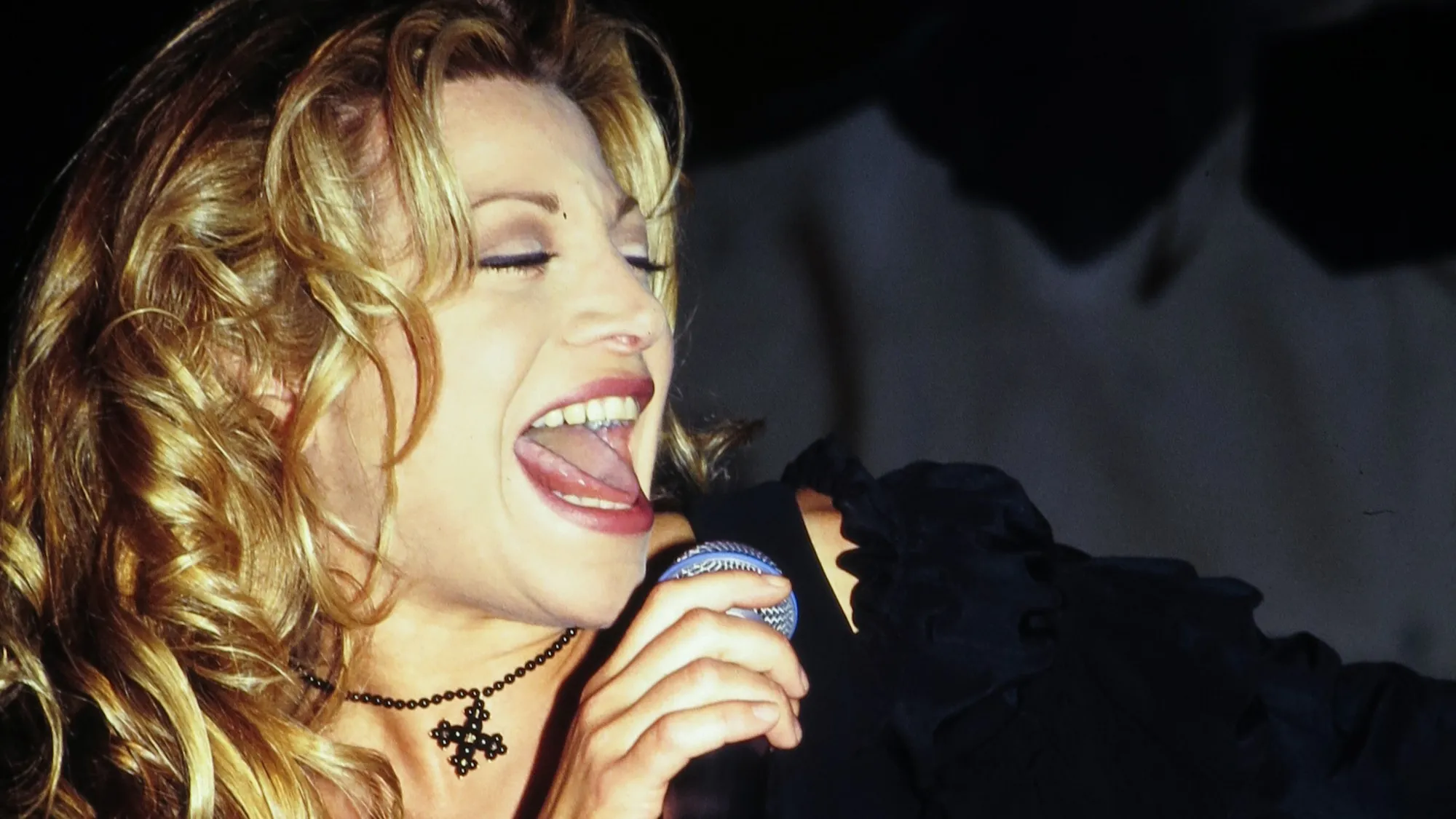
By 1993, Taylor Dayne had already established herself as a powerhouse in the dance-pop genre with late-80s hits such as "Tell It to My Heart" and "Love Will Lead You Back." However, the release of her third studio album, Soul Dancing, signaled a strategic shift toward a more sophisticated, adult-oriented pop sound. The single "Send Me a Lover" serves as the primary artifact of this transition.
Written by Richard Feldman and Rick Nowels, "Send Me a Lover" moved away from the high-energy percussion of Dayne’s earlier work in favor of a dramatic, ballad-heavy structure. The production featured a "glossy" finish typical of Arista Records’ output under the leadership of Clive Davis, who was known for molding artists for long-term Adult Contemporary (AC) success.
The song’s trajectory on the charts reflected this demographic shift. While it reached a modest No. 50 on the Billboard Hot 100, it became a significant hit on the Adult Contemporary chart, peaking at No. 19. This performance highlighted a broader industry trend in 1993: the bifurcation of the pop market. As younger audiences moved toward grunge and gangsta rap, established pop vocalists like Dayne found a sustainable home in the AC format. Analysis of the track’s production reveals a bridge between the synth-heavy ballads of the late 80s and the organic, "unplugged" aesthetic that would become popular later in the decade.
The Delayed Triumph of Boy Krazy’s That’s What Love Can Do
The story of Boy Krazy’s "That’s What Love Can Do" provides a unique case study in the importance of timing and radio promotion within the music industry. Originally released in 1991, the track was produced by the legendary British trio Stock Aitken Waterman (SAW), the team responsible for the global success of Kylie Minogue and Rick Astley. Upon its initial release, the song failed to gain traction in the United States, appearing destined for the archives of forgotten Europop.
However, in late 1992 and early 1993, a resurgence of interest in high-energy, melodic pop led to the song’s re-release. This time, the track exploded on American radio. "That’s What Love Can Do" eventually climbed to No. 18 on the Billboard Hot 100 in March 1993. The song’s success was emblematic of the "bubblegum" pop revival that occasionally punctured the more serious, alternative-dominated airwaves of the time.
The chronology of the track’s success is often attributed to the "sleeper hit" phenomenon, where a song finds its audience years after its conception due to shifts in the cultural zeitgeist. For Boy Krazy, a group specifically assembled by SAW, the 1993 success of the single represented their commercial peak. The track’s reliance on a driving "four-on-the-floor" beat and bright, major-key melodies provided a stark contrast to the moody, minor-key compositions of the burgeoning grunge movement, offering pop listeners a sense of optimistic escapism.
Tony! Toni! Toné! and the Perfection of the Oakland Sound
While the aforementioned tracks leaned heavily into the pop and AC spheres, Tony! Toni! Toné!’s "If I Had No Loot" represented the pinnacle of R&B craftsmanship in 1993. Hailing from Oakland, California, the group—comprising brothers Raphael Saadiq and D’wayne Wiggins, alongside their cousin Timothy Christian Riley—brought a musician-centric approach to a genre that was increasingly reliant on sampling and drum machines.
Released as the lead single from their critically acclaimed third album, Sons of Soul, "If I Had No Loot" was a masterclass in the "Oakland Sound." The track featured live instrumentation, including a gritty guitar riff and a bouncy, syncopated bassline, while cleverly incorporating samples from P-Funk and The Whole Darn Family. This blend of live performance and hip-hop production techniques allowed the song to appeal to a broad cross-section of listeners.
The commercial response was immediate and sustained. "If I Had No Loot" peaked at No. 7 on the Billboard Hot 100 and No. 8 on the Hot R&B Singles chart. It was eventually certified Gold by the RIAA, representing sales of over 500,000 copies. The song’s impact extended beyond the charts; it solidified the group’s reputation as innovators who could bridge the gap between traditional soul and modern R&B. Raphael Saadiq’s work on this track and the Sons of Soul album is frequently cited by contemporary artists as a foundational influence on the Neo-Soul movement that would emerge in the late 1990s.
The Industry Context: Nielsen SoundScan and the 1993 Chart Dynamics
To understand why these hits are significant, one must consider the structural changes occurring within the music industry during 1993. This was the second full year that Billboard utilized Nielsen SoundScan data—electronic point-of-sale tracking—to compile its charts. Prior to this, charts were based on manual reports from record stores, which were often prone to bias or inaccuracy.
The implementation of SoundScan revealed that R&B, country, and rap were selling in much higher volumes than previously estimated. This data shift allowed songs like "If I Had No Loot" and "One Woman" to achieve higher chart positions and stay on the charts longer than they might have in the 1980s. Consequently, 1993 became a year where "niche" genres began to dominate the mainstream, forever changing the definition of a "pop hit."
Furthermore, the year was characterized by a high degree of "radio crossover." It was common for a single track to be played on Top 40, R&B, and even Alternative stations simultaneously. This cross-pollination is evident in the production styles of the four songs discussed, each of which borrowed elements from disparate genres to maximize their reach.
Broader Impact and Modern Implications
The enduring relevance of these 1993 hits is found in their sonic DNA, which continues to be sampled and referenced by modern producers. The "90s nostalgia" cycle has brought renewed attention to the production techniques of the era—specifically the use of the Roland TR-808 drum machine in R&B and the specific "sheen" of early digital recording.
Jade’s "One Woman" and Tony! Toni! Toné!’s "If I Had No Loot" are frequently cited in discussions regarding the "golden era" of R&B, a time when vocal arrangements and live instrumentation were prioritized. Meanwhile, the success of Taylor Dayne and Boy Krazy illustrates the resilience of the pop format during a time of radical musical upheaval.
In retrospect, 1993 was not merely a year of transition but a year of refinement. The "forgotten" hits of the era provide a more nuanced understanding of the decade than the standard retrospective playlists might suggest. They represent a moment in time when the industry was technologically advancing while still holding onto the melodic sensibilities of the previous decade. For the modern listener, these tracks offer more than just a nostalgic trip; they provide a blueprint for how pop music can balance commercial appeal with genuine artistic craft. As the music industry continues to evolve in the streaming era, the lessons of 1993—concerning the importance of timing, the power of harmony, and the necessity of genre-blending—remain as pertinent as ever.
