

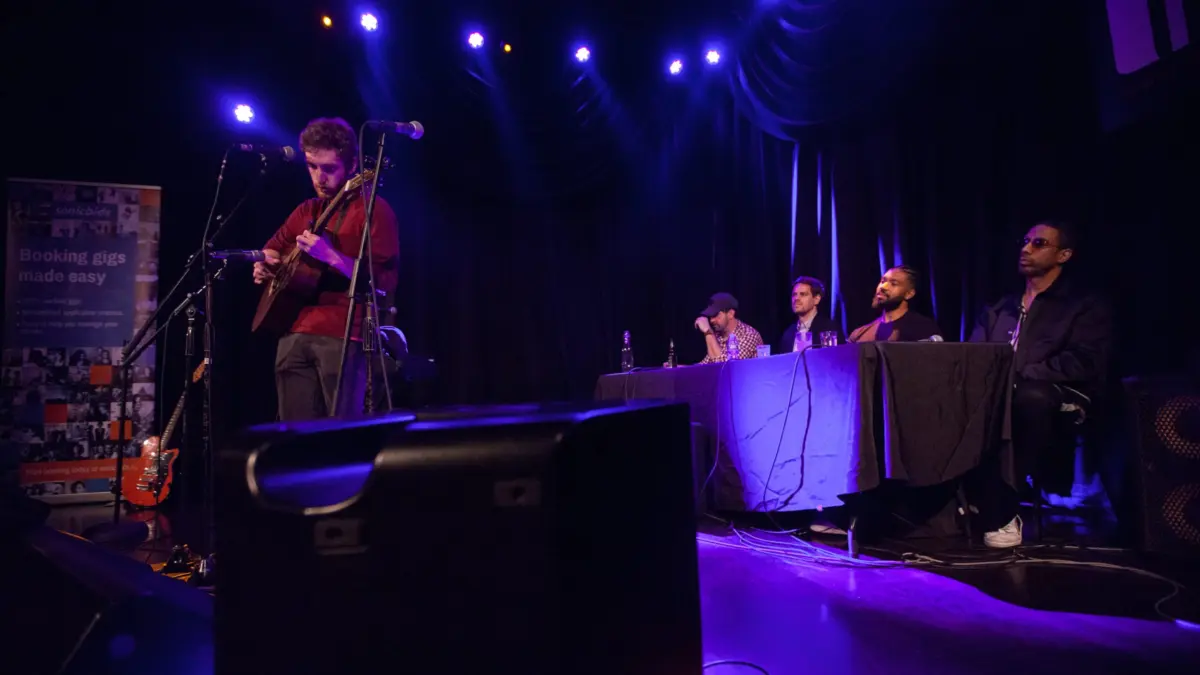
The independent music sector has undergone a seismic shift over the last decade, transitioning from a fringe movement to a dominant force within the global entertainment economy. As of 2023, independent artists represent the fastest-growing segment of the music business, outpacing the growth of major labels as digital distribution platforms democratize access to global audiences. However, this democratization has also led to a saturated market where over 100,000 new tracks are uploaded to streaming services daily. In this hyper-competitive environment, the ability to network and collaborate effectively has moved from being a supplementary skill to a core requirement for career sustainability. While traditional networking often evokes images of high-pressure industry mixers and corporate boardrooms, modern independent musicians are finding success through unconventional, grassroots strategies that prioritize community building over transactional exchanges.
The Evolution of the Independent Music Ecosystem
To understand the necessity of these networking strategies, one must look at the historical context of the music industry. During the "CD era" of the 1990s and early 2000s, networking was largely top-down, with artists vying for the attention of a small group of gatekeepers at major record labels. The contemporary "streaming era" has inverted this model. Today, success is frequently bottom-up, driven by peer-to-peer collaboration and cross-disciplinary partnerships. Data from industry analysts suggests that collaborative tracks often perform 30% better on streaming algorithms due to the "cross-pollination" of fanbases. Consequently, the impetus for networking has shifted from "getting signed" to "building a collective."
The following five strategies represent a departure from traditional networking, focusing instead on organic integration into creative communities and the leveraging of existing digital and physical resources.
1. Cross-Disciplinary Integration via Local Art Events
One of the most overlooked avenues for musical networking lies outside the music industry itself. Local art scenes—comprising visual artists, sculptors, theater troupes, and performance poets—offer a fertile ground for unique collaborations. Unlike music-only events, where the environment can be competitive, interdisciplinary events provide a space where musicians are seen as essential partners rather than rivals.
Historically, the most significant cultural movements have been born from such intersections. The 1970s New York "No Wave" scene and the 1980s London "New Romantic" movement both thrived on the overlap between art schools and rehearsal spaces. In a modern context, attending a local gallery opening or a theater workshop can lead to "sync" opportunities—the licensing of music for visual media. For instance, a sculptor creating a multi-sensory installation may require a bespoke soundscape, or a local independent film director may be seeking an original score. These partnerships do more than provide a soundtrack; they embed the musician’s work into a different medium, exposing them to an entirely new demographic of art consumers who may not frequent traditional music venues.
2. The Rise of Experiential Networking: Workshops and Jam Sessions
While digital connectivity is ubiquitous, the value of physical proximity remains high in the creative process. Hosting or participating in community-focused events like jam sessions and songwriting workshops serves as a "soft" networking tool. These events lower the barrier to entry for collaboration by removing the formal expectations of a recording session.
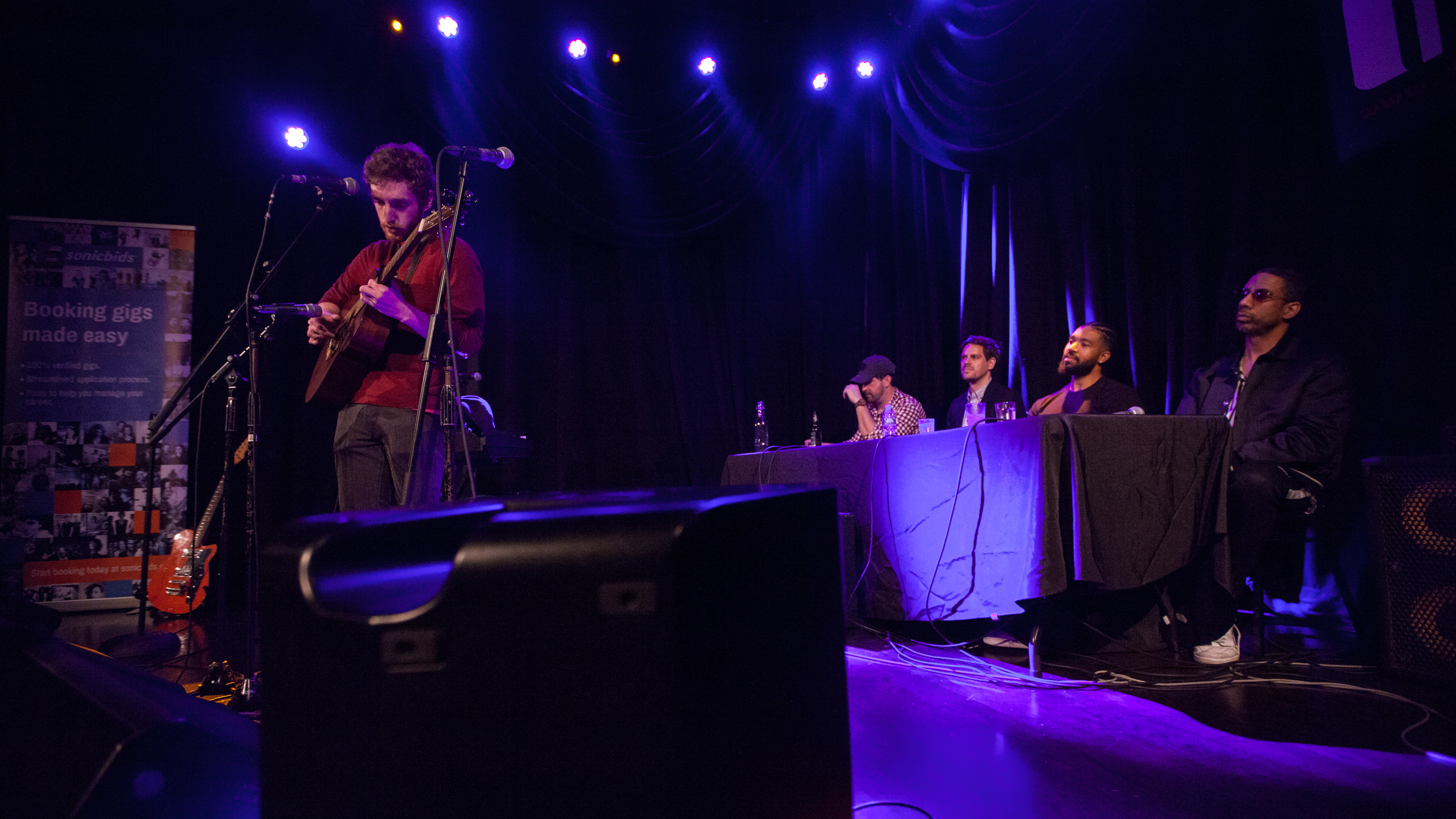
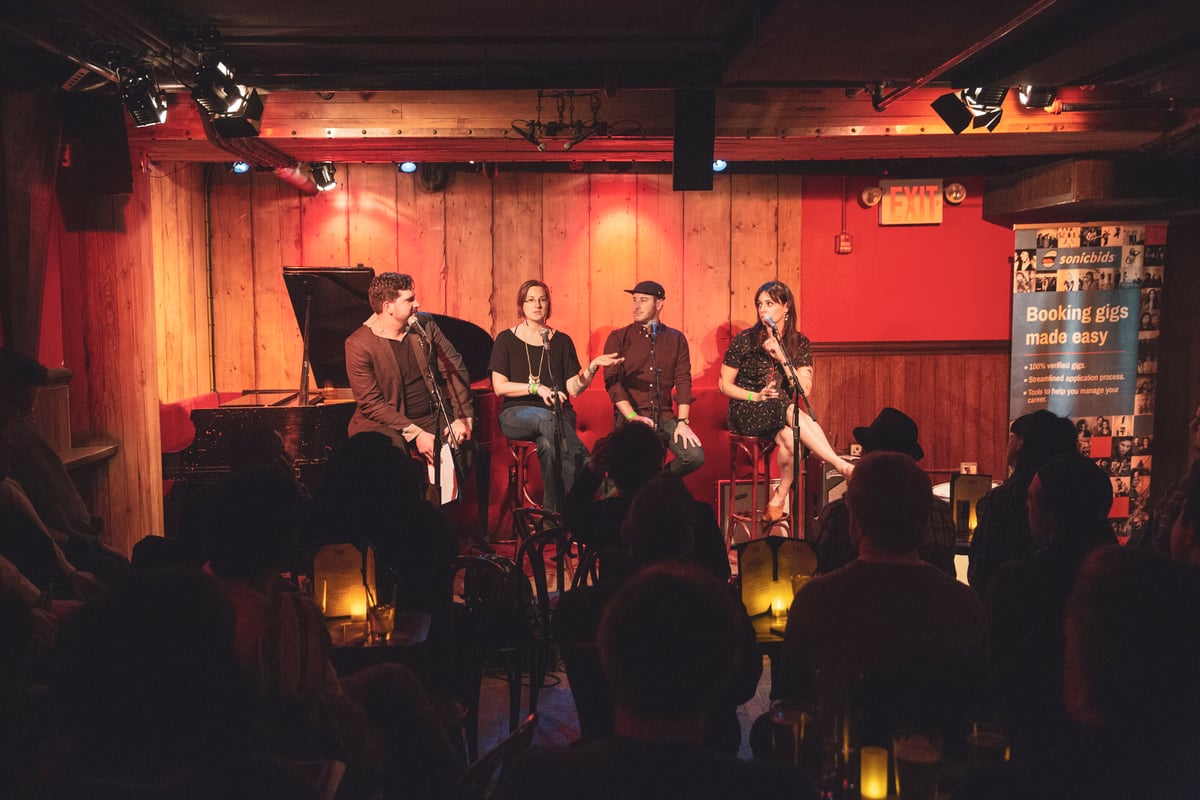
Entities like Sonicbids have pioneered this model through initiatives such as the Feedback Collective. These events, which include panel discussions and songwriting workshops, provide a structured yet relaxed environment for artists to share their work and receive constructive criticism. Chronologically, these sessions often follow a specific trajectory: an initial "ice-breaking" performance phase, followed by a collaborative workshop period, and concluding with a networking mixer.
From a professional standpoint, these gatherings act as a vetting process. Musicians can observe the work ethic, technical proficiency, and interpersonal dynamics of potential collaborators before committing to a formal project. Industry data indicates that 65% of long-term musical partnerships are formed during informal "play" sessions rather than through formal business inquiries.
3. Strategic Utilization of Niche Online Platforms
While mainstream social media platforms like Instagram and TikTok are essential for fan engagement, they are often too noisy for deep professional networking. Independent musicians are increasingly turning to specialized platforms designed for creative workflows, such as BandLab, SoundCloud, and Discord.
BandLab, which reported over 60 million users by 2023, exemplifies this trend. Its cloud-based Digital Audio Workstation (DAW) allows musicians to invite others to contribute to a track in real-time, regardless of geographic location. This "remote-first" collaboration model has significantly reduced the cost of production for independent artists.
To network effectively on these platforms, a shift in communication strategy is required. Rather than mass-messaging artists with "check out my demo" requests, successful networkers engage in "value-first" interactions. This involves leaving detailed, technical feedback on a peer’s work or proposing a specific, low-stakes collaboration—such as adding a vocal harmony or a drum loop to an existing project. This approach builds professional rapport through shared labor, which is more likely to lead to sustained partnership than a cold pitch.
4. The "Backstage" Advantage: Volunteering at Festivals
The music festival circuit is a multi-billion dollar industry that relies heavily on a workforce of volunteers and temporary staff. For an independent musician, volunteering at these events provides a "behind-the-curtain" look at the industry’s logistics and unparalleled access to stakeholders.
The chronology of a festival volunteer’s experience offers multiple networking touchpoints. During the pre-production phase, volunteers work alongside event organizers and technical crews, gaining insight into how talent is booked and managed. During the event, working in areas such as artist hospitality or stage management places the musician in direct contact with touring artists and their management teams.
Statements from festival organizers suggest that they often look to their volunteer pool when seeking local acts for smaller stages in subsequent years. Furthermore, the shared experience of working a high-pressure event creates a bond between volunteers that often translates into a professional network of peers who are equally dedicated to the industry. By positioning themselves as reliable, hard-working members of the festival ecosystem, musicians can transform a temporary labor position into a long-term career asset.

5. Crowdsourcing Connectivity: Leveraging the Fanbase
The traditional view of the artist-fan relationship is one-way: the artist creates, and the fan consumes. However, the "Direct-to-Fan" (D2F) model has evolved to include fans as active participants in the artist’s professional journey. Your existing audience is not just a source of revenue; it is a decentralized network of connections.
Musicians can utilize surveys, polls, and community platforms like Patreon or Discord to ask their fans for collaborative suggestions. This serves two purposes. First, it provides data on what the audience wants to hear, reducing the creative risk of a new project. Second, it often uncovers hidden connections. A fan may be a professional graphic designer, a local venue owner, or a close friend of a fellow musician.
Case studies in the independent sector show that fan-initiated introductions often have a higher success rate than cold outreach because they come with a built-in "social proof." When a fan introduces two artists, there is an underlying assumption that their styles are compatible, making the initial conversation more focused and productive.
Data Analysis and Industry Implications
The impact of these networking strategies is measurable. A 2022 survey of independent musicians found that those who engaged in at least one cross-disciplinary collaboration per year saw a 22% higher retention rate in their monthly listeners. Furthermore, artists who regularly attended workshops or jam sessions reported a higher level of "career satisfaction," suggesting that the community aspect of networking provides essential psychological support in a demanding industry.
The broader implication for the music industry is the continued decentralization of power. As musicians become more adept at building their own networks and infrastructure, the traditional role of the record label as a "connector" is diminished. The "network effect"—where the value of a network increases with each new participant—is now working in favor of the independent artist.

In conclusion, the path to success for the modern independent musician is paved with diverse, authentic connections. By moving beyond the confines of the music industry and engaging with local arts, educational workshops, niche digital platforms, festival logistics, and their own fanbases, artists can build a resilient professional ecosystem. These "unexpected" ways to network are not merely alternatives to the status quo; they are the new standard for a collaborative and sustainable music career. The future of music is not just in the notes played, but in the strength of the community built around them.
